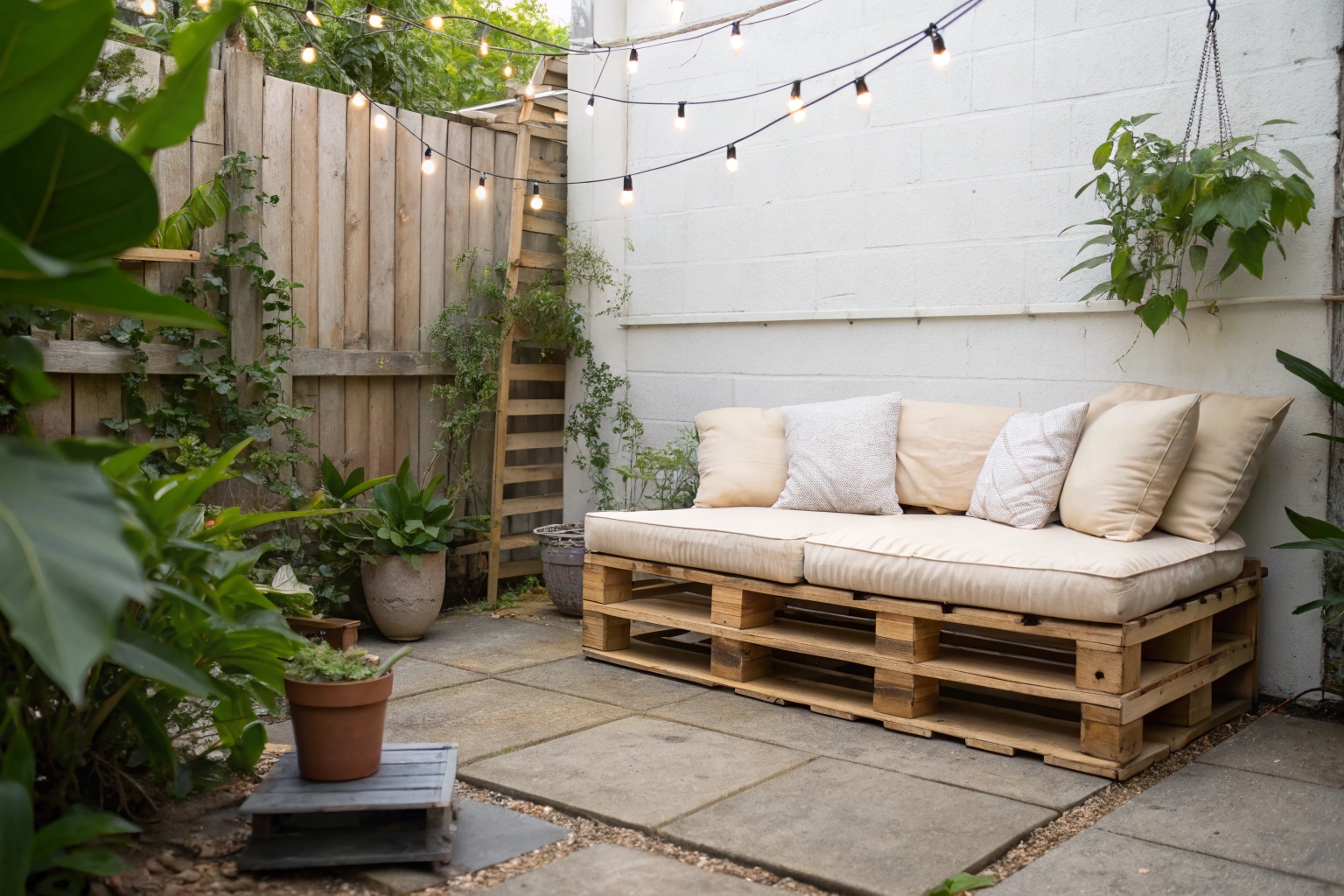

Ever walked past a neighbor’s patio and thought, “Wow, they must have spent a fortune on that”? It’s a common feeling. We all crave that curated, magazine-ready look for our own outdoor spaces. But here is the secret nobody tells you: high-end design isn’t about how much you spend. It’s about intention. In 2026, with material costs still fluctuating, the smartest homeowners are turning to creativity over credit cards. You don’t need a massive budget to create a space that feels like a five-star resort. You just need a little bit of elbow grease and a good eye for detail.
The truth is, luxury is often just consistency and lighting. It’s about making small choices that add up to a big impact. Maybe it’s the way the light hits a textured wall in the evening. Or perhaps it’s the uniform color of the planters lining the walkway. These details signal care. And care looks expensive. Whether you have a tiny balcony or a sprawling backyard, the principles remain the same. Let’s dive into ten specific projects that will elevate your outdoor game without draining your bank account.
Lighting That Whispers Luxury
Lighting is the single most important factor in how expensive a space feels. Harsh, overhead floodlights kill the vibe instantly. They make everything look flat and utilitarian. Instead, think layers. Think warmth. The first project is installing low-voltage path lights. You can buy solar-powered stakes for cheap, but for a truly upscale look, hardwired LED fixtures with a warm color temperature (around 2700K) are unbeatable. If wiring is too complex, opt for high-quality solar lights with a matte black or brass finish. Avoid the plastic-looking ones. Place them irregularly along garden beds to mimic natural growth patterns rather than a rigid grid.
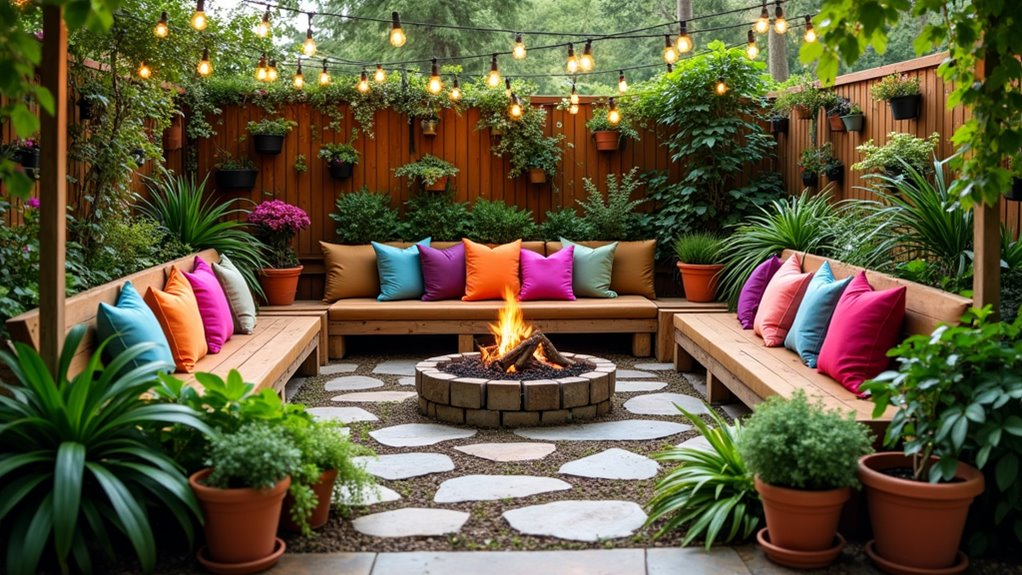
Second, consider string lights, but do it right. Don’t just drape them haphazardly. Create a canopy. Use sturdy hooks and run the lines in parallel rows above your seating area. This creates a "ceiling" outdoors, which makes the space feel enclosed and intimate. In 2026, Edison-style bulbs are still popular, but look for shatter-resistant versions with a slightly amber tint. This softens the light and reduces glare. The effect is instant romance. It turns a basic wooden deck into a dining destination. And remember, dimmers are your friend. Being able to lower the intensity as the night goes on adds a layer of sophistication that few people bother with.
Third, uplighting trees or architectural features adds drama. Take a simple spotlight and place it at the base of a nice tree or against a textured fence. The shadows created by the leaves dancing in the wind are mesmerizing. It draws the eye upward and makes the space feel larger. You can find battery-operated uplights now that are weather-resistant and easy to hide in mulch or rocks. No wires needed. Just set them and forget them. This trick is used by landscape designers everywhere because it works. It highlights the best parts of your yard and hides the messy bits in shadow.
Paint Is the Great Equalizer
Never underestimate the power of paint. It is the cheapest way to change the entire character of your outdoor space. Project number three is painting your fence or privacy screen. Most people leave fences natural or stained a generic brown. Try something bold. A deep charcoal, a navy blue, or even a crisp white can make a fence disappear or become a striking backdrop. Dark colors recede, making small yards feel bigger. Light colors reflect light, making spaces feel airier. Choose a high-quality exterior paint that resists mildew and fading. The finish matters too. A satin or semi-gloss sheen is easier to clean and reflects light nicely, giving it a polished look.
Fourth, refresh your existing furniture. Before you throw out that wicker chair or metal table, give it a second life. Sand it down lightly and apply a fresh coat of spray paint designed for outdoor use. Matte black is a timeless choice that looks modern and sleek. It hides dirt well and matches almost any decor. If you have wood furniture, consider a whitewash or a gray stain to give it that weathered, coastal vibe. The key is uniformity. If you have mismatched chairs, painting them all the same color ties them together visually. Suddenly, they look like a curated set rather than a garage sale haul.
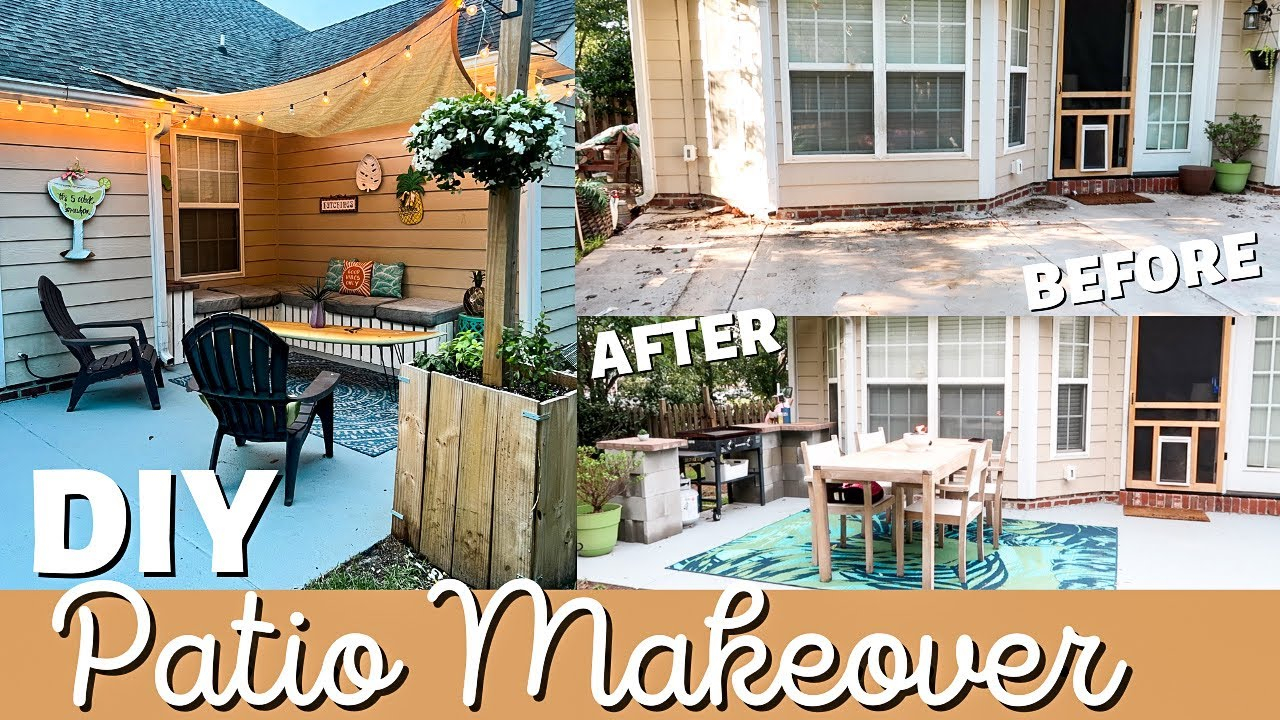
Fifth, don’t forget the floor. Concrete patios can look cold and industrial. But a simple coat of porch and floor paint can transform them. Consider a stencil pattern if you’re feeling adventurous. A subtle geometric design in a contrasting color can mimic the look of expensive tiles. If stenciling is too much work, just go for a solid, earthy tone like slate gray or terracotta. Add an outdoor rug on top to define the seating area. The combination of painted floor and textured rug adds depth and comfort. It signals that this is a living space, not just a slab of concrete.
Greenery With Intent
Plants are the jewelry of the outdoors. But random pots of petunias don’t scream luxury. Intentional planting does. Project six is creating uniform planters. You don’t need to buy expensive ceramic pots. Buy large, plain plastic or resin pots in the same shape and size. Then, paint them. Use a stone-effect spray paint or a matte finish in a neutral tone like cream, gray, or black. Uniformity is key here. Line them up along a railing or flank your entryway. The repetition creates a sense of order and calm. It looks deliberate. And deliberate looks expensive.
Seventh, focus on structural plants. Instead of relying solely on seasonal flowers that die after a few weeks, invest in evergreens or ornamental grasses. Boxwoods, ferns, or ornamental grasses provide year-round interest. They add texture and movement. In 2026, drought-tolerant plants are huge due to water conservation trends. Succulents and lavender are great choices. They look chic and require minimal maintenance. Group plants in threes or fives for a more natural, designer look. Odd numbers are more pleasing to the eye. And don’t be afraid of height. Use tall grasses or small trees to create vertical interest. It breaks up the horizontal lines of your patio and adds drama.
Eighth, build a simple vertical garden. If you have limited space, go up. A trellis with climbing jasmine or clematis can turn a blank wall into a living piece of art. You can build a simple trellis from wooden slats or even use a metal grid panel from a hardware store. Paint it to match your fence or house. The greenery softens the hardscape and adds a lush, tropical feel. It also provides privacy without blocking light. Plus, the scent of flowering vines adds another sensory layer to your space. It’s a small touch that makes a big difference in how inviting the area feels.
Luxury is tactile. It’s about how things feel under your fingers and feet. Project nine is adding outdoor cushions and textiles. But not just any cushions. Look for performance fabrics that resist fading and water. Stick to a cohesive color palette. Neutrals like beige, gray, and white are safe and sophisticated. Add pops of color with throw pillows in textures like velvet (outdoor rated) or chunky knit. Layering is important. Mix different patterns and textures, but keep the colors related. A striped pillow next to a solid one, or a faux fur throw draped over a chair, adds warmth and comfort. It makes the space feel lived-in and cozy.
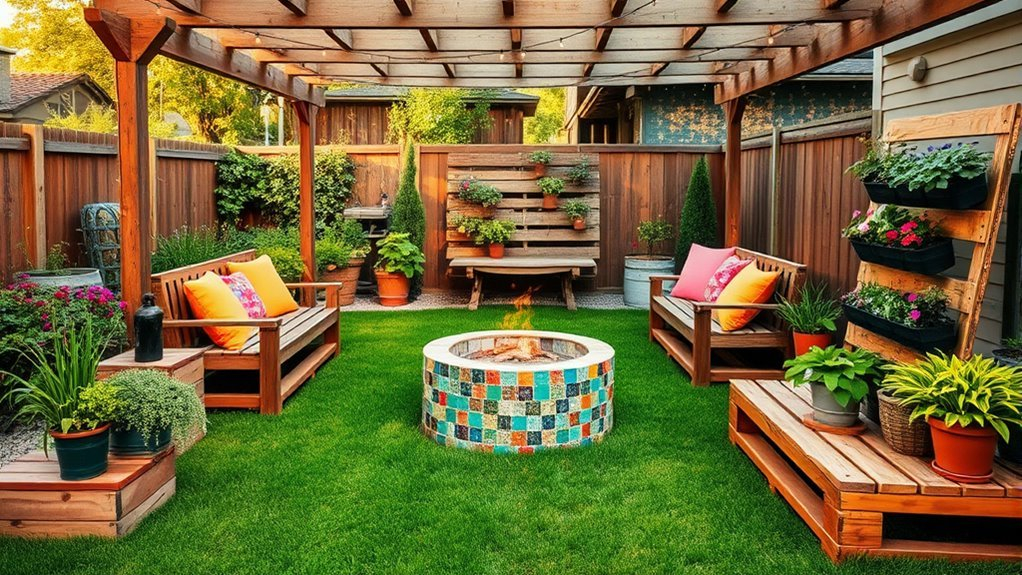
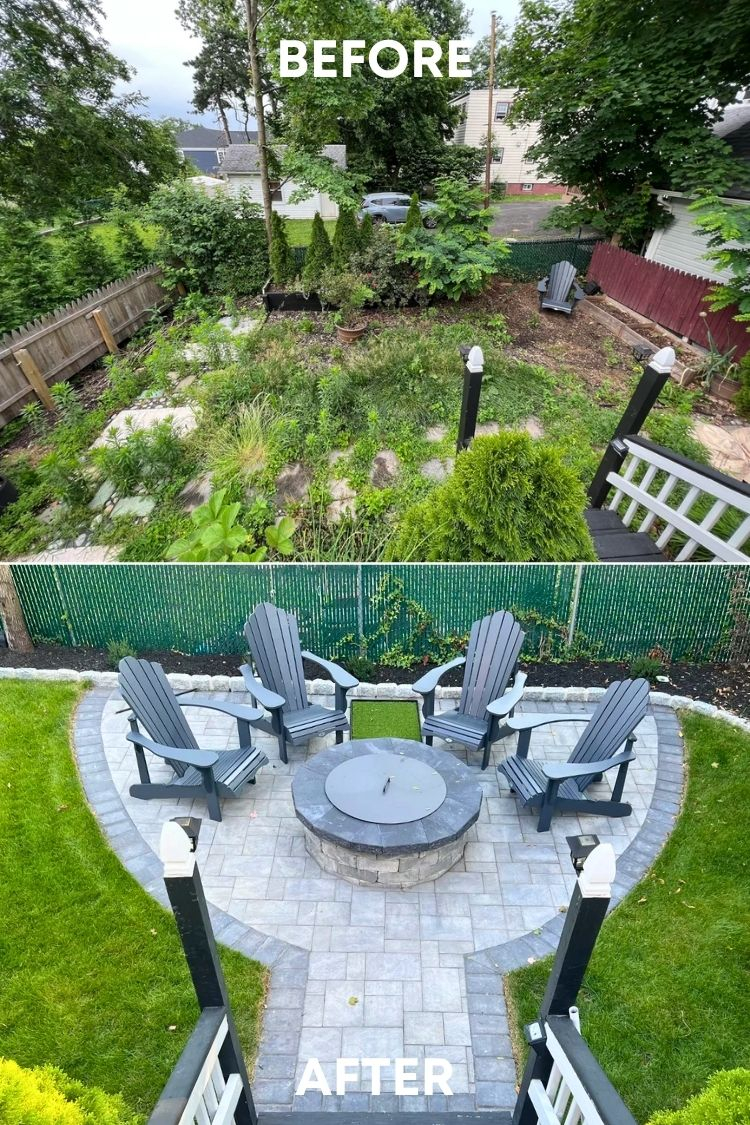
Tenth, create a focal point with a DIY fire pit or water feature. You don’t need a built-in stone structure. A simple steel fire bowl filled with lava rocks looks modern and sleek. Surround it with comfortable seating. The flickering flame adds warmth and ambiance. It draws people together. If fire isn’t an option, consider a small tabletop fountain. The sound of running water is incredibly soothing. It masks neighborhood noise and creates a spa-like atmosphere. You can make a simple fountain using a pump, a waterproof container, and some stones. It’s a weekend project that pays off every time you step outside.
These ten projects aren’t about spending money. They’re about spending time. They’re about looking at your space with fresh eyes and seeing potential instead of problems. In 2026, the trend is towards sustainability and personalization. People want spaces that reflect who they are. They want places to connect with nature and with each other. By focusing on lighting, paint, greenery, and texture, you can create a space that feels luxurious without the luxury price tag. It’s not about keeping up with the Joneses. It’s about creating a sanctuary that feels like home. So grab a brush, pick up a shovel, and start transforming. Your dream outdoor space is closer than you think. And honestly? It’s going to look amazing.