
You know the feeling. You scroll through an online marketplace, see a pack of twenty solar path lights for the price of a nice dinner, and think, "Why not?" It feels like a steal. A no-brainer. You imagine your garden glowing softly every night, effortlessly. Then, three months later, half of them are dark. The other half flicker like they’re having a seizure. It’s frustrating. It feels like wasted money. And honestly? It kind of is. But it doesn’t have to be a total loss if you know what you’re getting into.
Let’s cut through the marketing fluff. These aren’t heirloom pieces. They aren’t built to last a decade. When you buy in bulk at discount prices, you are trading longevity for quantity. That’s the deal. In 2026, the technology has gotten slightly better—batteries hold a charge a bit longer, LEDs are more efficient—but the core economics haven’t changed. Manufacturers cut corners to hit that low price point. Understanding where those corners are cut is the only way to make these lights work for you.
The Battery Bottleneck
The number one reason your cheap solar lights die isn’t the bulb. It’s the battery. Specifically, it’s the type of battery and how it’s treated. Most discount lights come with nickel-metal hydride (NiMH) or, worse, low-grade nickel-cadmium (NiCd) batteries. These are small, often AA or AAA sized, and they have a limited lifespan. We’re talking about 500 to 1,000 charge cycles if you’re lucky. In real-world terms? That’s about one to two years of daily use.
Here’s the kicker: these batteries hate extremes. If you live in a place with scorching summers or freezing winters, the chemical reactions inside those tiny cells degrade faster. Heat cooks them. Cold slows them down until they just stop accepting a charge. By the second summer, you’ll notice the lights staying on for only an hour or two instead of all night. That’s not a defect. That’s chemistry doing its thing. Replacing these batteries is the single most effective thing you can do to extend the life of the fixture, but you have to be willing to pop the hood.
Also, watch out for the "memory effect" in older NiCd types. If you don’t let them drain completely sometimes, they forget how much capacity they actually have. Newer NiMH are better, but still finicky. In 2026, some bulk sellers are starting to swap in lithium-ion variants, which are great, but they are rare in the sub-$5-per-unit category. If you see "Li-ion" on the box, grab it. If it just says "rechargeable battery," assume it’s NiMH and plan to swap it out in 18 months.
The Plastic Problem
Look closely at the housing of those discount lights. It’s usually ABS plastic or a similar polymer. It’s lightweight, cheap to mold, and looks fine when new. But plastic and sunlight are enemies. UV radiation breaks down the molecular bonds in the plastic over time. This process is called photodegradation. Sounds fancy, but it just means the plastic gets brittle, cracks, and turns that ugly chalky yellow color.
In bulk packs, the plastic is often thinner to save material costs. A thin wall might look okay in June, but by October, after months of sun and rain, it might crack if you bump it with a lawnmower. Or worse, water gets inside. Once moisture invades the circuit board, it’s game over. Corrosion eats the contacts, and the light never turns on again. You can’t really fix this. You can try spraying them with a UV-protectant clear coat when you first get them, but let’s be real—most of us won’t do that.
This is why placement matters. If you can put them in spots that get afternoon shade, you’re slowing down the aging process. It’s a small tweak, but it helps. Also, avoid hitting them with high-pressure water when washing your patio. The force can crack already weakened seals. Treat them like eggshells, not bricks. They look tough, but they’re fragile.
The Solar Panel Reality Check
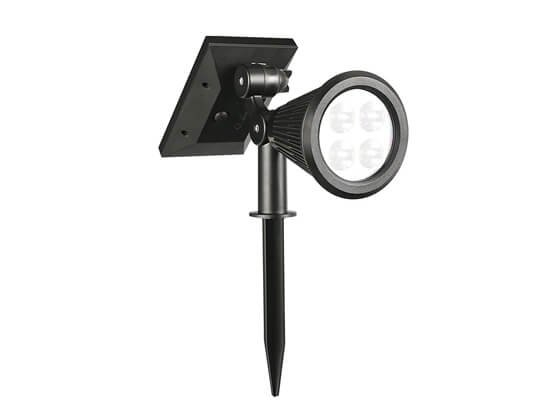
The little square on top of the light is the engine. In discount models, these are usually polycrystalline silicon panels. They’re cheaper to make than monocrystalline ones, but they’re also less efficient. They need more direct sunlight to generate the same amount of power. If you put these lights under a tree, or on the north side of your house (if you’re in the northern hemisphere), they will never fully charge.
A partially charged battery dies faster. It’s a vicious cycle. The panel gets dirty with pollen, dust, and bird droppings. In 2026, self-cleaning coatings are a thing on high-end panels, but not on the $30 pack of ten. You have to clean them. Wipe them down with a damp cloth once a month. It takes two minutes. If you don’t, the grime blocks the light, the battery stays weak, and the LED dims.
Another issue is the connection between the panel and the battery. In cheap units, this wiring is often flimsy. Vibration from wind or accidental bumps can loosen the solder joints. If a light stops working suddenly, check the wires under the panel. Sometimes a quick resolder or just wiggling the connector back into place fixes it. It’s janky, but it works. Don’t expect perfect engineering here. Expect to tinker.
LED Lifespan vs. System Failure
Here’s a surprise: the LED bulb itself will probably outlast everything else. LEDs are solid-state devices. They don’t have filaments to burn out. They can last 50,000 hours or more. That’s decades of nightly use. So why do the lights go dark? Because the rest of the system fails around the LED.
The driver circuit—the tiny chip that regulates power from the battery to the LED—is often the weak link. In discount lights, this component is minimal. It lacks protection against voltage spikes or reverse polarity. If the battery gets too hot or too cold, the driver might fritz. Or, if water gets in, it shorts out. The LED is fine, but it’s not getting power.
This distinction is important for troubleshooting. If the LED is dead, the whole unit is trash. But if the LED is fine (you can test it with a regular AA battery), then you just need to fix the power source. Swap the battery. Clean the contacts. Check the switch. Don’t throw away a light because the battery died. That’s like throwing away a car because it ran out of gas. Keep the shell, replace the guts.
Seasonal Survival Tactics
Winter is the killer of solar lights. In many regions, the days are short, and the sun is weak. The panels can’t generate enough juice to keep the batteries topped up. Meanwhile, the cold drains whatever charge is left. If you leave them out in freezing temps for months, the batteries might suffer permanent damage. They might not hold a charge at all when spring comes.
The best advice? Bring them in. Seriously. Store them in a garage or basement during the harsh winter months. Turn them off if there’s a switch. Let them rest. This simple act can double their lifespan. I know, it’s a hassle. Digging them up in November and replanting in March is annoying. But compare that annoyance to buying new lights every year. Which is worse?
If you can’t bring them in, at least turn them off. Most have a small switch on the bottom. Flip it to "off" during snowy or freezing weeks. This prevents the battery from trying to discharge in conditions where it can’t recharge. It’s a hibernation mode. It helps. Also, wipe off snow from the panels if you do leave them out. A covered panel generates zero power. Zero power means a dead battery.
So, are bulk discount solar lights worth it? It depends on your definition of worth. If you expect them to last five years, no. You’ll be disappointed. You’ll feel cheated. But if you view them as a consumable item—like paper plates or party decorations—they make sense. They provide instant ambiance for a low upfront cost.
In 2026, the environmental impact of e-waste is a bigger conversation. Throwing away dozens of plastic lights every two years isn’t great. That’s why maintenance is key. By swapping batteries and cleaning panels, you keep them out of the landfill longer. You get three or four years instead of one. That shifts the value proposition.
Think of it this way: Buy the bulk pack. Enjoy them for two seasons. Spend $10 on replacement batteries. Get two more seasons. Now you’ve had four years of light for maybe $40 total. That’s $10 a year. Not bad. But you have to put in the work. If you want "set it and forget it," spend more on higher-quality fixtures. If you like tinkering and don’t mind a little upkeep, the bulk route is viable. Just go in with your eyes open.
Don’t expect perfection. Expect to fix things. Expect to clean things. Expect to replace batteries. If you accept that reality, those cheap lights can actually serve you well. They aren’t magic. They’re just simple machines. And like any machine, they run better when you take care of them. So, go ahead and buy the bulk pack. Just keep a screwdriver and some spare batteries handy. You’ll need them.