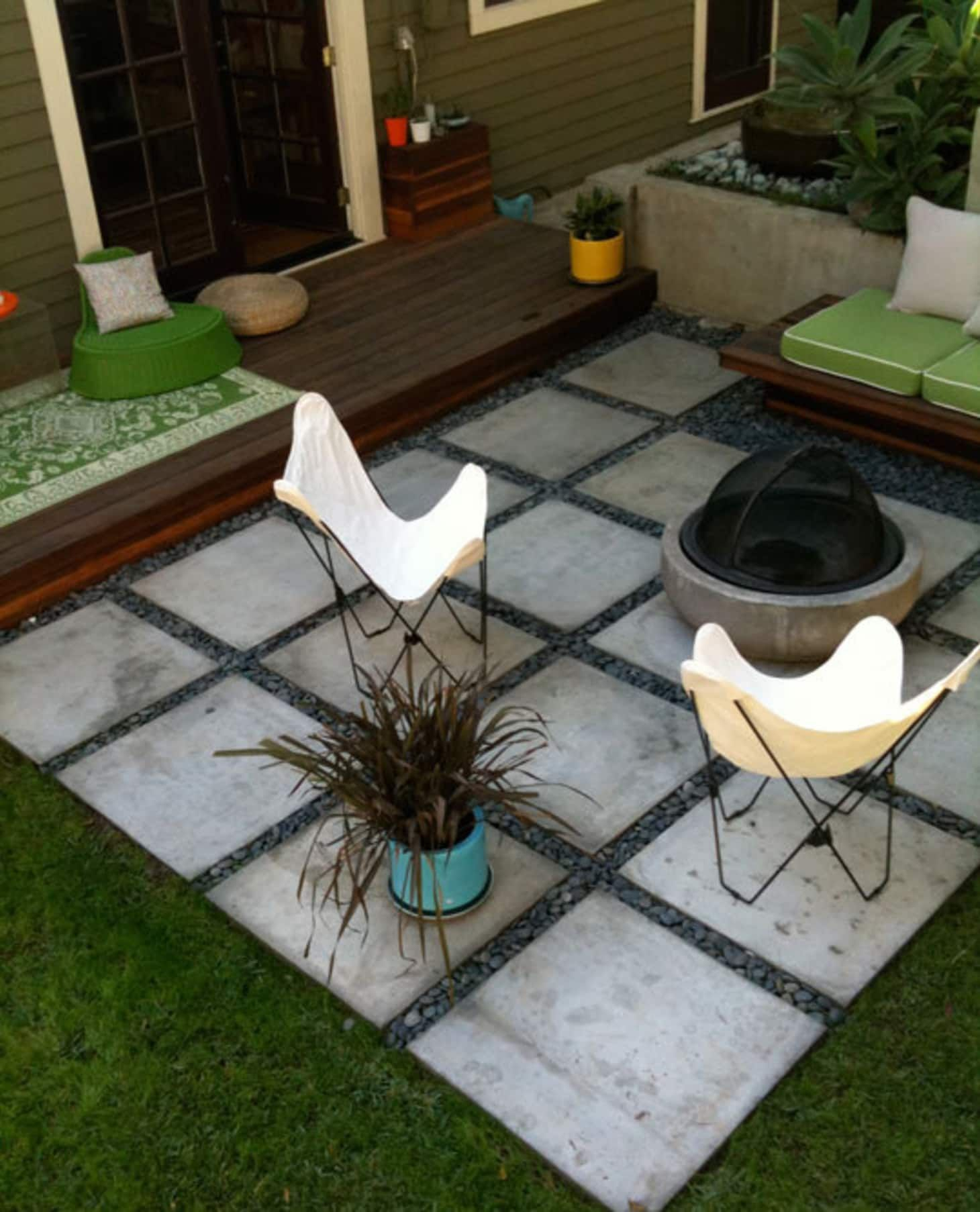

Let’s be honest for a second. We all want that magazine-worthy outdoor space. You know the one. Soft lighting, comfy seating, maybe a fire pit crackling away while you hold a cold drink. But then you look at the price tag for pavers, stamped concrete, or those fancy composite decks, and your wallet starts to cry. It’s brutal. In 2026, with construction costs still hovering near historic highs, the dream of a backyard upgrade feels further away than ever for many of us.
But here is the secret nobody talks about enough. You don’t need a second mortgage to get a beautiful yard. You just need gravel. It’s humble. It’s unpretentious. And frankly, it’s having a massive moment right now. From modern minimalist patios in Brooklyn to rustic retreats in the Midwest, gravel is proving that cheap doesn’t have to mean cheesy. It’s durable, it drains like a dream, and you can install it yourself over a weekend if you’re motivated.
So, why are we still sleeping on this stuff? Maybe because it feels too simple. Or maybe we’ve been brainwashed into thinking "permanent" means "expensive." But gravel offers a flexibility that rigid materials simply can’t match. It shifts with the earth. It breathes. And best of all, if you mess up, you can fix it with a rake and ten minutes of work. Let’s dig into why this crushed stone is actually the smartest move you can make for your home and your budget this year.
The Wallet-Friendly Reality of Stone
Let’s talk numbers, but keep it simple. When you compare materials side-by-side, the difference is staggering. Concrete installation in 2026 can easily run you $15 to $25 per square foot, depending on where you live and how complex the design is. Pavers? Often even more once you factor in the labor and the sand base. Gravel, on the other hand, typically lands between $3 and $8 per square foot for materials. That is a huge gap.
But it’s not just about the rock itself. It’s about the labor. Hiring a crew to pour concrete or lay pavers is a major expense. With gravel, you are the crew. Sure, you’ll need to rent a tamper or buy some heavy-duty landscape fabric, but you aren’t paying hourly rates for skilled masons. You’re paying for sweat equity. And honestly, moving rocks is good exercise. It’s a win-win.
Also, consider the hidden costs of other materials. Concrete cracks. Pavers shift and get weeds in the joints. Wood rots or needs staining every few years. Gravel doesn’t rot. It doesn’t crack. If a tree root pushes up a section of your path, you just rake it flat again. There are no repair bills. Over a five or ten-year period, the savings compound significantly. You keep more money in your pocket for the fun stuff, like plants and furniture.
Drainage That Actually Works
One of the biggest headaches in landscaping is water. Poor drainage leads to puddles, mud, and eventually, foundation issues for your home. Traditional solid surfaces like concrete create runoff. That water has to go somewhere, and if your yard isn’t graded perfectly, it goes into your basement or kills your lawn. Gravel is permeable. It lets water sink right through.
This is huge for environmental reasons too. Many municipalities in 2026 are tightening rules on impervious surfaces. They want rainwater to recharge the groundwater, not overwhelm storm drains. By choosing gravel, you’re often staying ahead of local codes. You’re being a good neighbor to the ecosystem. Plus, you never have to worry about slipping on a slick, wet patio after a summer thunderstorm. The water just disappears.
Think about the muddy mess typical yards become in spring. You step outside and your shoes are caked in dirt. It’s annoying. A gravel base creates a clean, dry surface year-round. You can walk from the back door to the garden shed without tracking half the yard into your kitchen. It creates a defined, clean zone that separates the "living" area from the "growing" area. It’s practical magic.
The DIY Factor: No Skills Required
Here is the thing about pouring concrete. If you mess it up, it’s there forever. You can’t un-pour a slab. The pressure is intense. You have to get the mix right, the timing right, and the finish right. It’s stressful. Gravel is forgiving. Did you spread it unevenly? Rake it. Is there a dip? Add more stone. It allows for mistakes. This makes it the perfect project for beginners who are afraid of ruining their yard.
The process is straightforward. You clear the area. You lay down a high-quality weed barrier (this is non-negotiable, folks). You add a border to keep the stones in place. Then you dump the gravel and spread it out. That’s it. You can do this in stages. Maybe you tackle the fire pit area this weekend and the pathway next month. You aren’t locked into a massive, single-day commitment.
And because it’s loose, you can change your mind. Want to move the fire pit three feet to the left? No problem. Just scoop up the gravel and move it. Try doing that with a concrete slab. This flexibility encourages experimentation. You can try out different layouts for your seating areas without committing to a permanent structure. It takes the fear out of design. You can play.
Style Versatility Beyond the Rustic Look
For a long time, gravel had a reputation. It was seen as purely functional or strictly for rustic, country-style homes. People thought it looked unfinished. That view is outdated. In 2026, gravel is a design staple in modern architecture. Think sleek, dark gray basalt gravel paired with concrete planters and minimalist steel furniture. It looks chic. It looks intentional.
You have options. Pea gravel is smooth and comfortable underfoot, great for barefoot walking. Crushed granite locks together tighter, making it stable for chairs and tables. White marble chips create a bright, Mediterranean vibe that pops against green foliage. Dark slate gives a moody, contemporary feel. The texture and color you choose set the tone. You aren’t stuck with one look.
It also plays well with others. Gravel looks amazing next to wood decking. It softens the hard edges of a concrete walkway. It fills the gaps between stepping stones beautifully. By mixing materials, you add visual interest without adding cost. A small patch of gravel can make a large wooden deck feel more expansive. It’s a supporting actor that makes the whole scene look better.
Maintenance Myths and Realities
Let’s address the elephant in the room. Weeds. Everyone says gravel gets weeds. And sure, if you do it wrong, it will. But the key is preparation. If you skip the landscape fabric, or if you use cheap, thin fabric, you’re asking for trouble. Invest in a heavy-duty, woven geotextile fabric. It blocks sunlight so seeds can’t germinate, but it still lets water through. Do this right, and you’ll spend maybe an hour a year pulling the occasional stray dandelion.
Then there’s the issue of displacement. Yes, gravel moves. People track it out. Dogs dig in it. Rain washes it slightly. This is true. But maintenance is easy. Once a season, you might need to top off a few bags of stone. You might need to rake it smooth. Compare this to power washing a deck every spring or sealing a driveway. The effort is minimal. It’s low-stress upkeep.
Another benefit is cleanliness. Gravel doesn’t hold dust like dirt does. It doesn’t harbor mold like wood can. For people with allergies, a gravel patio can be a cleaner outdoor living space. You can hose it down if it gets dusty, and it dries instantly. It’s hygienic in a way that organic materials just aren’t. It stays looking fresh with very little intervention.
We are all more aware of our carbon footprint these days. Producing concrete is incredibly energy-intensive. It releases a lot of CO2. Transporting heavy slabs requires big trucks and lots of fuel. Gravel, while still a mined resource, generally has a lower processing impact. It’s crushed, not chemically altered. And because it’s often sourced locally, the transportation emissions are lower too.
Plus, gravel is reusable. If you decide to remodel your yard in ten years, you can scoop up that gravel and use it elsewhere. Or sell it. Or give it away. You aren’t sending tons of broken concrete to a landfill. It’s a circular approach to landscaping. You’re using materials that can have a second life. This resonates with a lot of homeowners in 2026 who want their choices to reflect their values.
It also supports local biodiversity. Because it drains well, you can plant drought-tolerant species right up to the edge. You can create dry river beds that look natural and provide habitat for beneficial insects. It integrates with the landscape rather than dominating it. It feels softer on the land. And in a world that feels increasingly artificial, that connection to natural materials matters.
So, where does this leave us? Gravel isn’t just a fallback option for when you can’t afford the "real" stuff. It is a smart, strategic choice. It saves money, yes. But it also saves time, reduces stress, and offers a aesthetic flexibility that rigid materials lack. It’s durable, eco-friendly, and surprisingly stylish.
Don’t let anyone tell you it’s a compromise. It’s an upgrade. It’s a way to take control of your outdoor space without going into debt. Whether you’re building a tiny meditation corner or a full-sized entertaining zone, gravel provides the foundation. Literally and figuratively. It allows you to start small and grow over time.
Give it a shot. Grab a shovel. Lay down that fabric. Spread the stone. Sit back and watch how quickly your backyard transforms from a neglected patch of dirt into a retreat you actually want to use. It’s simple. It’s effective. And in 2026, it’s probably the smartest dollar you’ll spend on your home. Just dont forget to rake it occaisonally.