

You know that sound. It’s late Saturday morning. You’re finally settling in with a cup of coffee, maybe planning to read a bit or just enjoy the quiet. Then, vroom. The neighbor starts up their gas edger. It screams. It sputters. It smells like burnt oil and regret. For decades, we’ve been told that this noisy, smoky ritual is the only way to get those crisp, magazine-worthy lines along our sidewalks and driveways. We buy the machines. We fix the carburetors. We curse when the pull-cord snaps. But what if I told you there’s a better way? A way that’s quieter, cheaper, and honestly, kind of therapeutic?
It’s time to stop buying gas edgers. Seriously. Put the credit card away. In 2026, with fuel prices fluctuating and everyone becoming more mindful of their carbon footprint (and their hearing), the old-school manual technique is having a massive resurgence. It’s not just about saving a few bucks, though that’s nice. It’s about reclaiming your weekend from the tyranny of small engine maintenance. Let’s talk about how a simple half-moon edger and a bit of elbow grease can transform your yard work from a chore into a moment of zen.
The Hidden Costs of Convenience
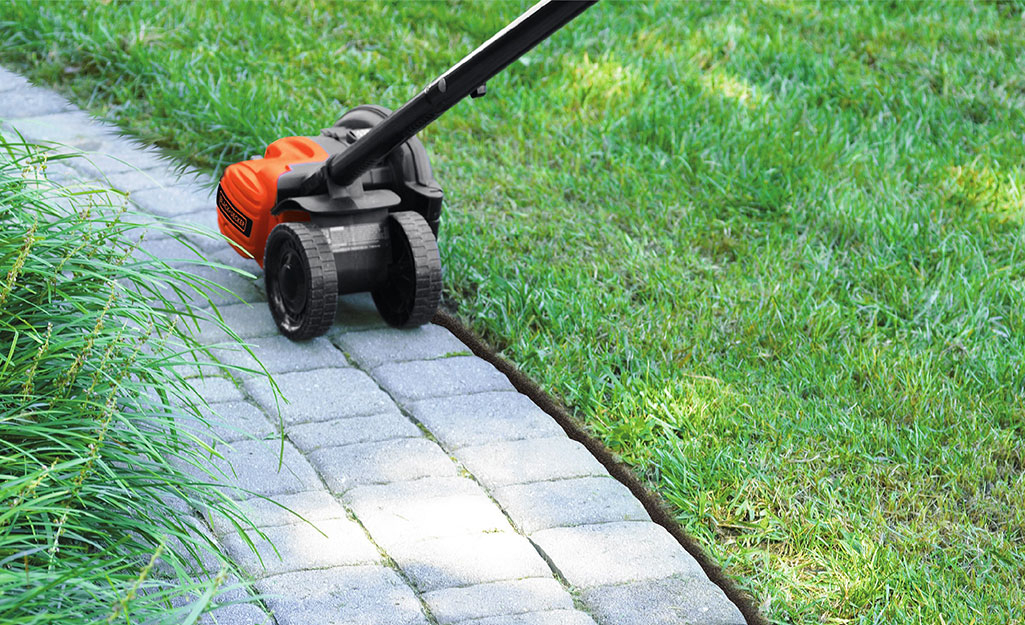
We’ve been sold a bill of goods. The marketing for gas-powered landscape tools promises ease and speed. And sure, if you have ten acres of commercial property, maybe you need that power. But for the average suburban lawn? It’s overkill. Think about what you’re actually paying for when you buy a gas edger. It’s not just the upfront cost, which can easily run you $300 to $500 for a decent model. It’s the ongoing bleed. You need premium mixed fuel. You need spark plugs. You need air filters. You need oil changes. And when it breaks—and it will break—you’re looking at repair bills that often exceed the value of the machine itself.
Then there’s the time sink. How many hours have you spent troubleshooting a stubborn engine instead of actually enjoying your yard? In 2026, labor rates for small engine repair have skyrocketed. Waiting weeks for a shop to look at your trimmer is common. Meanwhile, your grass keeps growing. The convenience factor evaporates when you realize you spend more time maintaining the tool than using it. It’s a trap. We buy these machines to save time, but they end up stealing it. Plus, let’s not ignore the environmental toll. Those two-stroke engines are notoriously dirty, pumping unburned hydrocarbons into the air we breathe. Is a slightly faster edge really worth the smog?
Meet the Half-Moon Edger
So, what’s the alternative? Enter the half-moon edger. It looks almost primitive compared to its gas-guzzling cousin. It’s basically a curved blade attached to a long handle. That’s it. No engine. No cords. No batteries to degrade. Just steel and wood (or fiberglass). You might be thinking, “That looks like hard work.” And you’re right. It is work. But it’s honest work. It’s the kind of work that makes you feel accomplished rather than exhausted by frustration.
The beauty of this tool is its simplicity. It costs between $20 and $40. You can buy one at any hardware store, and it will likely outlast you. There are no moving parts to fail. You don’t need to store it with stabilizer in the tank. You just hang it on the wall. When you pick it up, it works. Every single time. In an era where supply chains are still shaky and replacement parts are hard to find, having a tool that is essentially indestructible is a huge relief. It’s a return to basics, and frankly, it feels good to hold something so straightforward.
The Technique: Step-by-Step
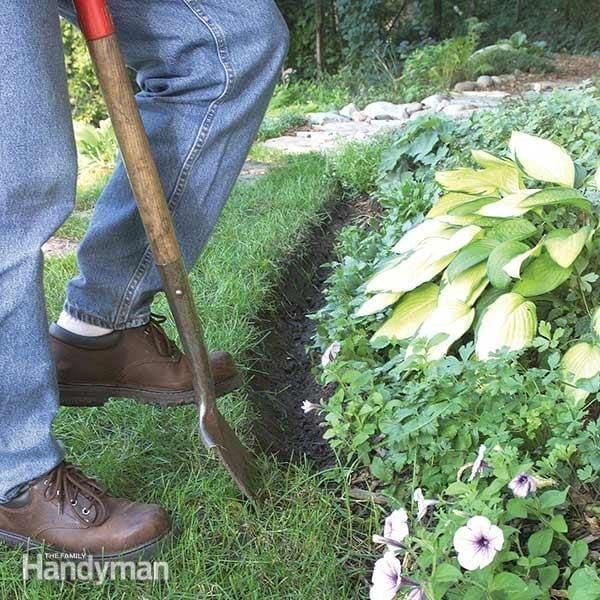
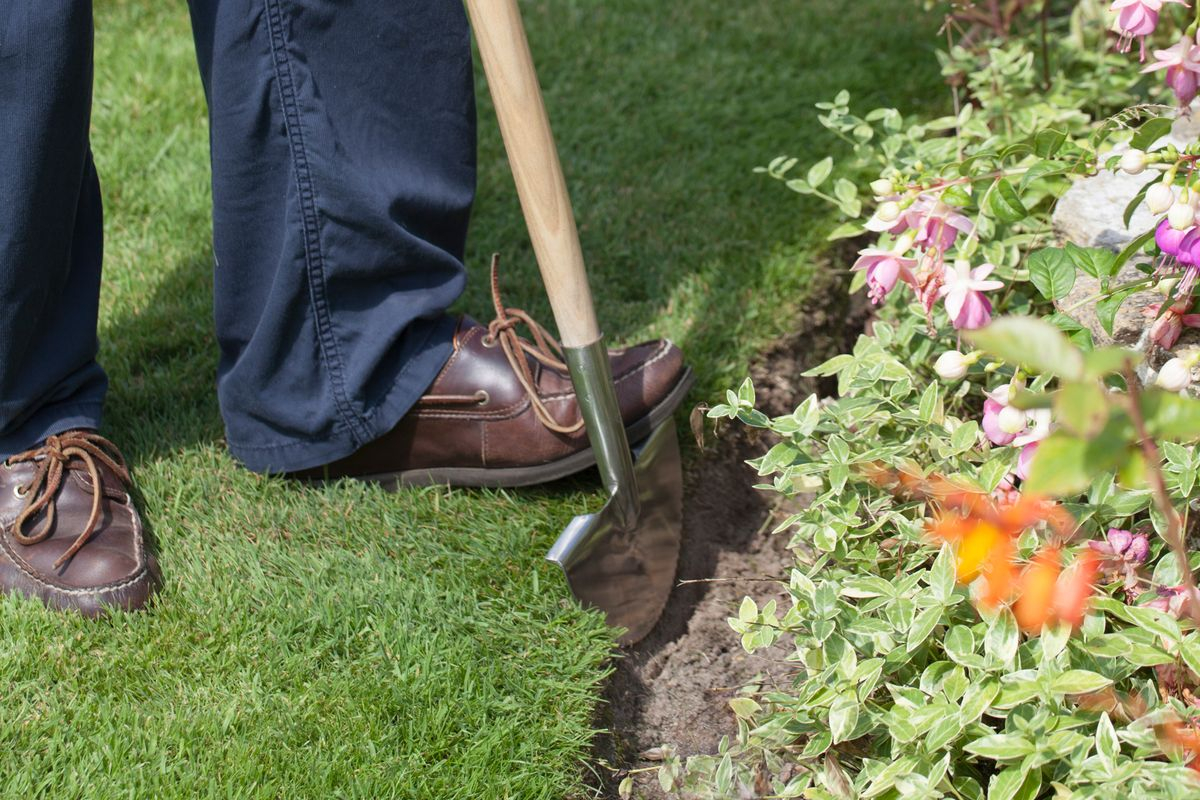
Using a half-moon edger isn’t rocket science, but there is a rhythm to it. First, you want to mark your line. If you’re nervous about going off-track, use a garden hose or a string line to visualize where you want the edge. Stand with your feet shoulder-width apart for stability. Place the curved blade of the edger on the line, with the curve facing the direction you’re moving. Here’s the key: don’t try to cut the whole depth in one go.
Start by stepping on the footrest (if it has one) or pressing down firmly with your foot on the top of the blade. Use your body weight, not just your leg strength. Rock the handle back and forth slightly to slice through the turf. Once you’ve made a shallow cut along the entire length, go back and deepen it. This layered approach prevents the blade from getting stuck and keeps your edges straight. It’s surprisingly meditative. Slice, step, move. Slice, step, move. You’ll find yourself getting into a flow state. Before you know it, you’ve edged the whole driveway, and you didn’t once have to yank a starter cord.
Why Your Lawn Will Thank You
Gas edgers are brutal. They tear at the grass. The high-speed spinning string or blade shreds the tips of the grass blades, leaving them ragged and brown. This opens the door for disease and pests. It’s like giving your lawn a bad haircut with dull scissors. Manual edging, on the other hand, slices cleanly. It creates a sharp, defined barrier between your lawn and your hardscape without traumatizing the surrounding grass. The result is a healthier turf line that stays green longer.
Moreover, manual edging allows for precision that machines just can’t match. Have you ever tried to edge around a delicate flower bed or a tree root with a gas trimmer? It’s a nightmare. One slip and you’ve decapitated your petunias. With a half-moon edger, you have total control. You can navigate tight corners and irregular shapes with ease. You’re not fighting the vibration of an engine; you’re guiding a sharp piece of steel with your hands. This level of care shows in the final look. Your yard doesn’t just look maintained; it looks tended. There’s a difference.
The Physical and Mental Benefits
Let’s talk about the elephant in the room: exercise. Yes, you’re going to sweat. But isn’t that better than sitting on the couch feeling guilty about not exercising? Edging manually is a legitimate workout. It engages your core, your legs, and your arms. It’s functional fitness. You’re burning calories while improving your home’s curb appeal. In 2026, we’re all looking for ways to integrate movement into our daily lives without spending hours at the gym. This is it. It’s low-impact if you use proper form, but it gets your heart rate up.
Beyond the physical, there’s the mental aspect. There’s a profound satisfaction in doing something with your hands. We spend so much of our lives staring at screens, dealing with abstract digital problems. Cutting a clean edge in the earth is tangible. You can see the immediate result of your effort. It grounds you. Many people report feeling calmer after a session of manual yard work. It’s a break from the noise of the world—literally and figuratively. No engine roar means you can hear the birds. You can hear the wind in the trees. It turns a chore into a practice of mindfulness.
If you’re ready to make the switch, start small. Don’t try to edge your entire property in one day if you’re out of shape or new to the technique. Pick one section. Maybe just the front walkway. Get a feel for the tool. Sharpen the blade occasionally with a file; a sharp blade makes the work infinitely easier. Keep your knees slightly bent to protect your back. And remember, it doesn’t have to be perfect. The goal is progress, not perfection.
Also, consider the community aspect. When you’re out there with your manual edger, you’re not disturbing your neighbors. You’re not contributing to noise pollution. You might even inspire someone else to do the same. In many neighborhoods in 2026, there’s a growing movement toward quieter, greener landscaping. By ditching the gas edger, you’re joining that wave. You’re voting with your wallet and your actions for a more sustainable, peaceful way of living. It’s a small change, but it ripples outward.
So, what are you waiting for? The gas edger in your garage is a relic of a louder, messier past. It’s taking up space, leaking fluids, and demanding your attention. Let it go. Sell it, donate it, or recycle it. Go buy a half-moon edger. Feel the weight of it in your hands. Step out into your yard. Take a deep breath. And start slicing. You might just find that the best things in life—and in lawn care—are the simplest ones. Your ears, your wallet, and your grass will thank you.
![10 Budget-Friendly Way To Edge Your Lawn In [20241] | Lawn Edging ... inside Cheapest Way To Edge Lawn](https://cdn.dahomengarden.com/2026/05/10-budget-friendly-way-to-edge-your-lawn-in-20241-lawn-edging-inside-cheapest-way-to-edge-lawn.jpg)


![10 Budget-Friendly Way To Edge Your Lawn In [20241] | Lawn Edging ... inside Cheapest Way To Edge Lawn](https://cdn.dahomengarden.com/2026/05/10-budget-friendly-way-to-edge-your-lawn-in-20241-lawn-edging-inside-cheapest-way-to-edge-lawn.jpg?width=992&f=jpg)


