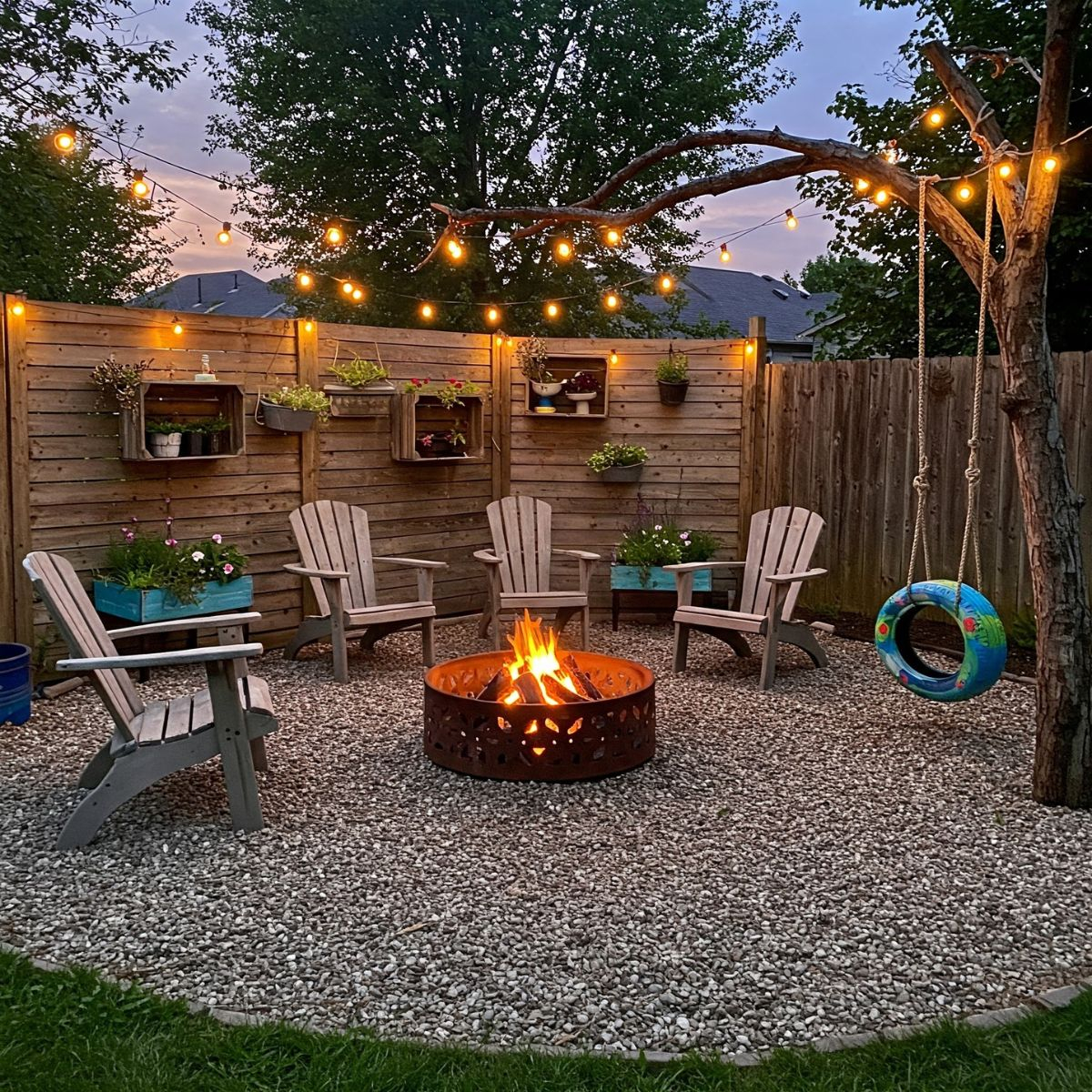

Ever looked at your backyard and felt a little… meh? You’re not alone. We all crave that outdoor sanctuary where we can sip coffee in the morning or host friends under the stars, but let’s be real—contractor quotes can make your eyes water. It feels like you need a second mortgage just to lay down some pavers. But here’s the secret nobody tells you: you don’t. Not really. In 2026, the trend isn’t about perfection; it’s about personality and resourcefulness. You can create a space that looks expensive and feels cozy without draining your savings account.
The magic happens when you stop looking at what you don’t have and start seeing what you can do. Maybe you have a patch of uneven dirt, an old concrete slab that’s seen better days, or just a tiny corner that gets ignored. These aren’t problems; they’re blank canvases. With a bit of sweat equity and some clever thinking, you can turn those neglected spots into the highlight of your home. It’s not about buying the most expensive furniture; it’s about creating a vibe. And guess what? You can do it yourself, this weekend, for a fraction of the cost.
Rethinking the Foundation: Gravel and Paver Hacks
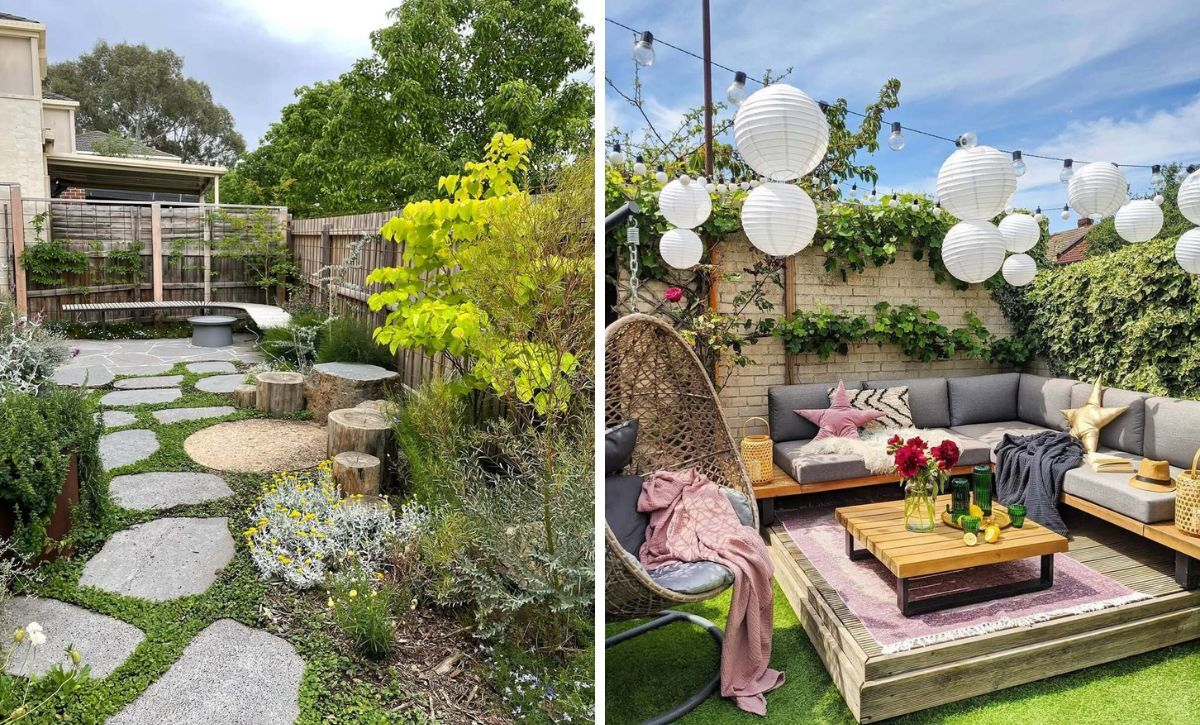
Let’s talk about the ground beneath your feet. Traditional concrete patios are pricey and permanent. If you’re on a budget, gravel is your new best friend. It’s cheap, drains well, and gives off a rustic, European courtyard vibe that’s super trendy right now. You don’t need a massive crew to lay it down. Just dig out a few inches of soil, lay down landscape fabric to keep weeds at bay, and pour in your gravel. Crushed stone or pea gravel works wonders. It’s forgiving, too—if the ground shifts, you just rake it level again. No cracks, no stress.
If you want something a bit more structured but still wallet-friendly, try the "floating paver" method. Instead of setting pavers in concrete, you place them on a bed of sand or gravel. This allows for drainage and movement, which is great if you live in an area with freeze-thaw cycles. You can buy individual pavers from big-box stores or, even better, check local marketplaces for leftover batches from other people’s projects. Mixing different sizes or colors can create a mosaic effect that looks custom-designed. It’s imperfect, sure, but that’s part of the charm. It feels lived-in and authentic.
Another trick? Use what’s already there. Got an old, cracked concrete slab? Don’t tear it up. Paint it. Exterior floor paint has come a long way in recent years. A fresh coat of slate gray or terracotta can hide a multitude of sins. Add some stenciled patterns if you’re feeling fancy. It’s a quick fix that transforms a dull gray box into a vibrant foundation for your outdoor room. The key is preparation: clean it thoroughly, etch it if needed, and seal it. Done. You’ve got a fresh start without the demolition headache.
Scavenging for Style: Reclaimed and Repurposed Materials
One person’s trash is literally your patio treasure. In 2026, sustainability isn’t just a buzzword; it’s a design principle. Reclaimed wood pallets are everywhere, often free for the taking if you ask nicely at local warehouses or furniture stores. Sand them down, seal them, and boom—you’ve got material for decking, raised planters, or even vertical gardens. Just make sure the wood hasn’t been treated with harsh chemicals if you’re growing edibles. Look for stamps that say "HT" (heat-treated) rather than "MB" (methyl bromide). Safety first, style second.
Old bricks are another goldmine. Check demolition sites (with permission, of course) or online community groups. People often give away old bricks when they’re renovating. Clean them up, and you can build a charming fire pit, a low retaining wall, or a border for your garden beds. The weathered look adds instant character that new materials just can’t mimic. Plus, stacking bricks doesn’t require mortar if you’re doing a dry-stack method, making it a true DIY beginner project. It’s heavy lifting, yes, but zero skill required.
Don’t overlook doors and windows either. An old wooden door can become a unique headboard for an outdoor daybed or a privacy screen. Old window frames can be turned into greenhouses for your herbs or framed mirrors to reflect light and make small spaces feel bigger. It’s about seeing potential. That rusty metal gate? Cut it up and use it as trellis art. The goal is to layer textures. Wood, brick, metal, glass. When you mix these elements, your space feels curated, not just assembled. It tells a story. And stories are what make a home feel like a home.
Furniture on a Dime: Build It or Thrift It
Outdoor furniture prices have skyrocketed, but you don’t need to buy into the hype. Building your own seating is easier than you think. Cinder blocks and wooden beams are the ultimate hack. Stack the blocks, slide in pressure-treated 4x4s or thick planks, and toss on some cushions. It’s industrial, modern, and incredibly sturdy. You can rearrange it whenever you want. Want a coffee table? Same concept. It’s modular, so it grows with your needs. And if you get bored, you just take it apart and try something else.
Thrifting is another avenue worth exploring. Facebook Marketplace, Craigslist, and local estate sales are full of solid wood furniture that just needs a little love. Look for pieces made of teak, cedar, or eucipalyptus. Avoid particle board like the plague—it won’t survive the rain. A good sanding and a coat of exterior-grade stain or paint can bring a scratched-up chair back to life. Replace the cushions if they’re moldy, but keep the frame. It’s cheaper than buying new and often higher quality. You’re saving money and keeping stuff out of landfills. Win-win.
If building isn’t your thing, try the "mix and match" approach. You don’t need a matching set. In fact, mismatched chairs around a central table look more inviting and eclectic. Paint them all the same color to unify them, or leave them natural for a bohemian vibe. Add outdoor rugs to define the seating area. Rugs soften the hardscape and add warmth underfoot. Look for indoor-outdoor polypropylene rugs—they’re durable, easy to hose off, and surprisingly affordable. They tie the whole look together without costing a fortune.
Lighting the Way: Ambiance on a Budget
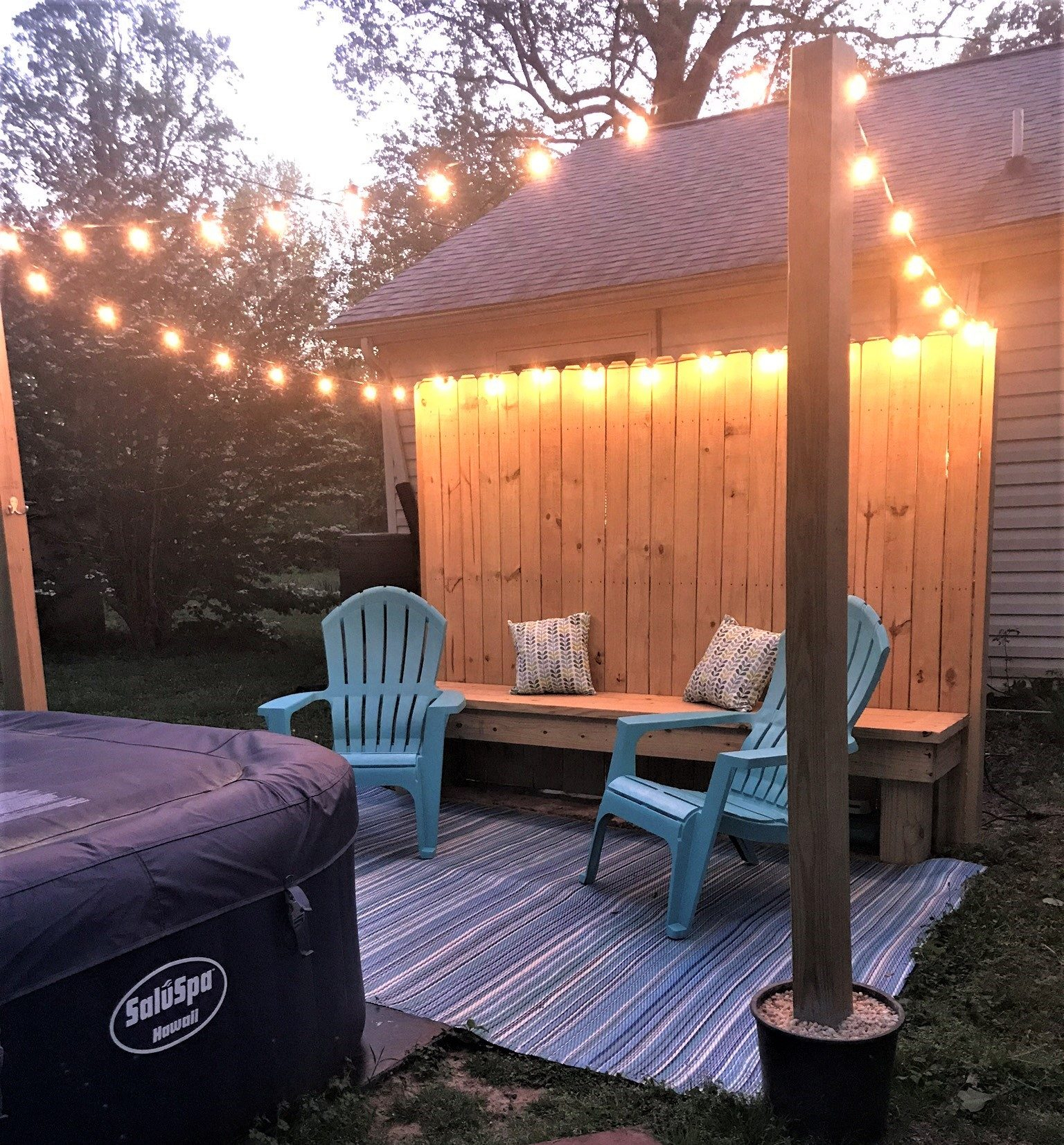
Lighting makes or breaks a patio. Without it, your space disappears at sunset. With it, you have an evening retreat. String lights are the classic choice for a reason. They’re cheap, easy to hang, and instantly create a festive atmosphere. Drape them overhead in a zigzag pattern, wrap them around tree trunks, or line the perimeter of your fence. Solar-powered options have gotten much better in recent years, so you don’t even need to worry about running extension cords. Just stick them in the ground or hang them up, and let the sun do the work.
Lanterns and candles add a softer, more intimate glow. Cluster them at different heights on tables or steps. Use LED flameless candles if you’re worried about wind or safety—they look real enough from a distance and last forever. You can make your own lanterns from mason jars or tin cans. Punch holes in patterns, paint them, and pop in a tea light. It’s a fun project to do with kids, and the result is personalized decor that costs pennies. The flickering light adds movement and warmth that static bulbs just can’t match.
For a more permanent solution, consider solar path lights or spotlights. Stick them along the edges of your patio or uplight trees and shrubs. This adds depth and dimension to your landscape, making it look professionally designed. You can find multi-packs at hardware stores for very little money. The key is layering. Don’t rely on one big overhead light. Use a mix of ambient, task, and accent lighting. Keep it warm white (2700K-3000K) to avoid that sterile, hospital-like blue glow. Warm light makes everything look better, including your guests.
Greenery Without the Green Thumb
Plants breathe life into a patio, but nurseries can be expensive. Start small. Propagate cuttings from friends’ plants. Many common houseplants and perennials root easily in water or soil. Snake plants, pothos, and succulents are nearly indestructible and look great in pots. Ask neighbors if they’re dividing their hostas or daylilies. Most gardeners are happy to share extras. It’s a great way to meet people and fill your yard for free. Community plant swaps are also popping up everywhere in 2026—keep an eye on local social media groups.
Container gardening is your friend, especially if you have poor soil or limited space. You don’t need fancy pots. Buckets, galvanized tubs, wooden crates, and even old boots can serve as planters. Just drill drainage holes in the bottom. Group plants in threes for visual impact. Mix heights and textures. Tall grasses, trailing vines, and bushy flowers create a lush, layered look. Herbs are practical and pretty. Basil, mint, and rosemary smell amazing and save you money at the grocery store. Plus, they attract pollinators, which helps your whole garden thrive.
Vertical gardens maximize space and add interest. Hang shoe organizers on fences for small plants. Use trellises for climbing vines like jasmine or clematis. Paint an old ladder and lean it against a wall, using the rungs to hold pots. It’s functional art. If you’re worried about maintenance, choose native plants. They’re adapted to your local climate, so they need less water and care. Check with local extension offices for lists of native species. They’ll grow vigorously and support local wildlife, making your patio a hub of activity.
The difference between a patio and an outdoor room is softness. Textiles add comfort and color. Outdoor pillows and throws invite you to linger. Look for fade-resistant fabrics like Sunbrella or acrylic blends. You can sew your own covers if you have a machine, using drop cloths or canvas for a rugged, neutral look. Neutral bases with pops of color in the pillows allow you to change the vibe with the seasons. Swap out bright yellows in summer for deep oranges in fall. It’s a small change with a big impact.
Shade is crucial for comfort, especially in the hotter months. You don’t need a pricey pergola. A simple shade sail is inexpensive and effective. Anchor it to trees, posts, or the side of your house. It creates architectural interest and blocks harsh UV rays. Bamboo screens or reed fencing can provide privacy and wind protection. Attach them to existing fences or railings. They’re natural, blend in well, and cost a fraction of built-in walls. Plus, they add texture and a tropical feel.
Personal touches make the space yours. Hang wind chimes, display found objects, or create a gallery wall with weather-resistant art. A small water feature, even a simple bubbling bowl, adds soothing sound that masks neighborhood noise. It doesn’t have to be complicated. The goal is to engage all the senses. Sight, sound, touch, smell. When you do that, your backyard becomes a retreat. It’s not just a place to sit; it’s a place to escape. And that’s priceless, no matter how little you spent.
So, where do you start? Pick one thing. Maybe it’s clearing the debris. Maybe it’s painting that old slab. Maybe it’s stringing up those lights. Don’t try to do it all at once. Let the space evolve. Enjoy the process. There’s something deeply satisfying about building a place with your own hands. It connects you to your home in a way that writing a check never could. Your backyard is waiting. Go make it happen.