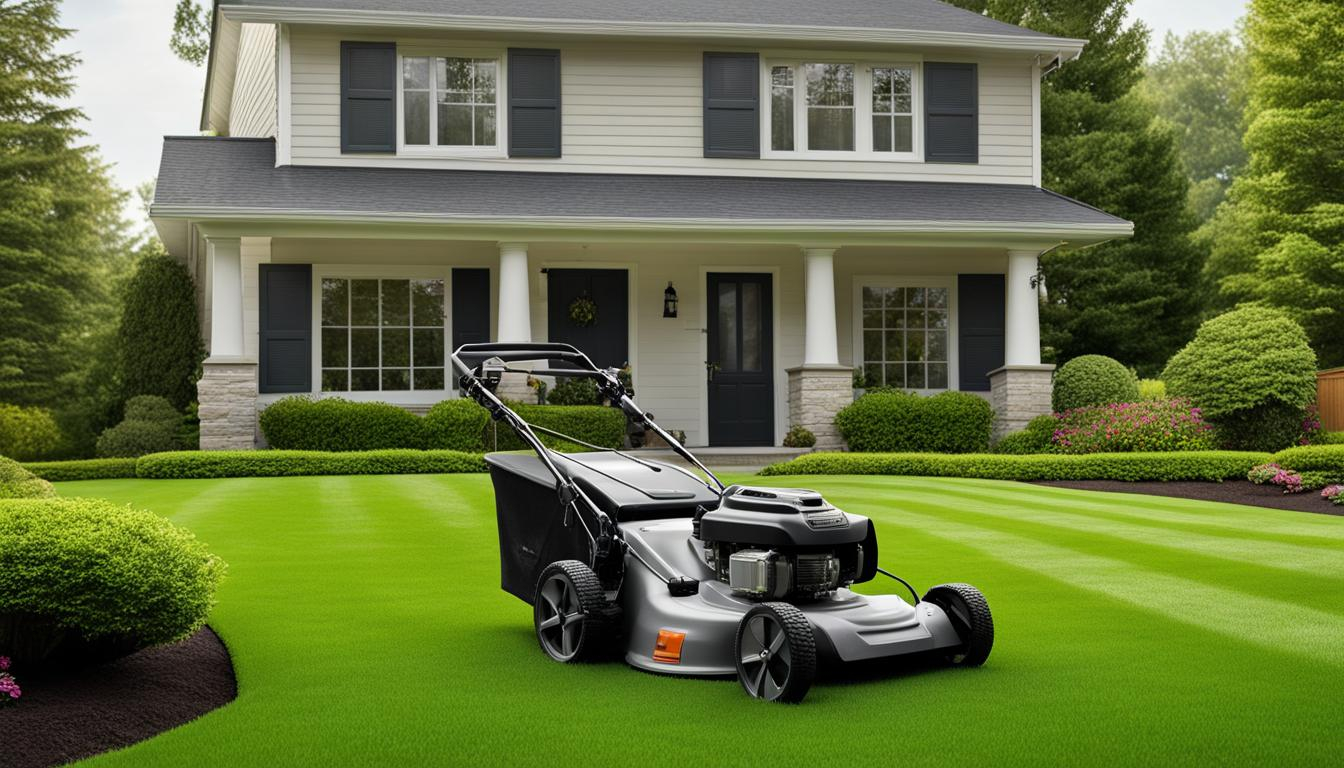

You know that feeling. You step out onto your back porch with a cup of coffee, ready to enjoy the morning quiet, and then you see it. The grass. It’s not just grass anymore; it’s a jungle. A green, unruly ocean that seems to have grown three inches overnight. If you own a big patch of land, you know the struggle is real. It’s beautiful, sure, but it’s also a relentless taskmaster. And let’s be honest, hiring a landscaping crew every week? That’s a quick way to drain your savings account.
But here’s the good news. You don’t need a trust fund or a team of ten guys with riding mowers to keep your yard looking decent. In 2026, we’ve got more knowledge and better tools than ever before, and most of them are surprisingly cheap. It’s about working smarter, not harder. It’s about understanding what your lawn actually needs versus what the glossy magazines tell you it needs. Spoiler alert: it needs a lot less than you think.
So, take a deep breath. Put down the credit card. We’re going to walk through some real, actionable ways to keep that expansive lawn neat, tidy, and healthy without breaking the bank. It’s not magic. It’s just smart, grounded advice from people who’ve been there, done that, and still have money left over for weekend plans.
Rethink Your Mowing Routine (Yes, Really)
Most people mow wrong. They scalp the grass, thinking shorter means less work later. It doesn’t. It actually stresses the turf, making it vulnerable to weeds and drought. Instead, try the "one-third rule." Never cut more than one-third of the grass blade at a time. This keeps the roots strong and the soil shaded, which naturally suppresses weeds. For a large lawn, this might mean mowing more often during peak growth seasons, but each session is faster and easier on your machine.
Also, raise that deck. Keeping your grass taller—around 3 to 4 inches—is a game changer. Taller grass shades the soil, keeping moisture in and preventing weed seeds from germinating. It also means you don’t have to mow as frequently because the growth is less visible. In the hot summers of recent years, homeowners who kept their lawns higher reported significantly less water usage and fewer brown patches. It’s a simple tweak with huge payoff.
And don’t forget the blades. Dull mower blades tear the grass instead of cutting it cleanly. Torn tips turn brown and invite disease. Sharpening your blades is cheap (or free if you do it yourself) and takes maybe twenty minutes. Do it twice a season. Your lawn will look greener, healthier, and frankly, just neater. It’s the easiest win in the book.
Embrace the "Lazy" Gardener’s Secret: Mulching
Bagging clippings is a waste of time and nutrients. Seriously, stop doing it. Those clippings are free fertilizer. They’re packed with nitrogen, which is exactly what your grass craves. By leaving them on the lawn (mulching), you’re feeding the soil naturally. This reduces the need for synthetic fertilizers, which can get pricey and aren’t always great for the local ecosystem.
If your mower doesn’t have a mulching setting, you can buy a mulching plug for pretty cheap. Or, if you’re handy, you can modify your existing deck. The key is to mow when the grass is dry. Wet clumps clog the mower and leave ugly piles on the lawn. Dry clippings disappear into the turf within a day or two, vanishing like magic. You won’t even notice they were there, but your grass will thank you.
This strategy also saves you the hassle of hauling bags to the curb or compost pile. Think about the time saved over a whole season. For a large property, that’s hours of labor you get back. Plus, as organic matter breaks down, it improves soil structure, helping your lawn hold water better. It’s a win-win-win situation.
Smart Watering: Less Is Often More
Water bills can skyrocket if you’re not careful. Many people overwater their lawns, thinking more is better. It’s not. Deep, infrequent watering is the gold standard. You want to encourage roots to grow deep into the soil in search of moisture. Shallow, daily sprinkling keeps roots near the surface, where they’re prone to drying out and heat stress.
Aim for about an inch of water per week, including rainfall. You can use a simple tuna can to measure this. Place a few cans around your yard, run your sprinklers, and check how long it takes to fill them to an inch. That’s your watering duration. Stick to it. In 2026, with water conservation being a bigger focus than ever, this approach is not just economical but responsible.
Consider investing in a smart controller for your irrigation system if you have one. Prices have dropped significantly in the last couple of years. These devices adjust watering schedules based on local weather data, skipping cycles when it rains or when humidity is high. If you don’t have an in-ground system, a simple timer on your hose-end sprinkler works wonders. Just set it for early morning—between 4 AM and 8 AM—to minimize evaporation.
Weed Control Without the Chemical Price Tag
Weeds are the bane of every lawn owner’s existence. But reaching for the most expensive herbicide isn’t the only answer. In fact, a healthy, thick lawn is the best defense against weeds. If your grass is dense, weeds struggle to find space and light to grow. So, focus on lawn health first. Aerating your soil once a year helps air, water, and nutrients reach the roots, promoting thicker growth.
For existing weeds, spot-treat them instead of blanketing the whole yard. Use a spray bottle with a targeted herbicide or even a natural alternative like vinegar solution for small patches. This saves product and money. Pulling weeds by hand is tedious but effective for small infestations. Do it after a rain when the soil is soft. It’s surprisingly therapeutic, if you have the patience.
Pre-emergent herbicides can be cost-effective if used correctly. Apply them in early spring before crabgrass and other annual weeds germinate. One well-timed application can save you months of headache. Just read the label carefully. Timing is everything. Miss the window, and you’ve wasted your money. Check local gardening extensions for specific timing in your area, as climate zones vary wildly.
DIY Fertilization: Feed Your Soil, Not Just the Grass
Commercial fertilizers can be expensive, especially for large lots. But you don’t always need the premium stuff. Compost is a fantastic, low-cost alternative. If you have space, start a compost pile. Kitchen scraps, leaves, grass clippings—it all turns into black gold. Spreading a thin layer of compost over your lawn in the fall or spring adds organic matter and nutrients slowly over time.
If composting isn’t your thing, look for bulk organic fertilizers. Buying by the bag is pricey, but many local farms or garden centers sell compost or manure by the cubic yard. It’s much cheaper per pound. Spread it evenly with a push spreader. It improves soil structure and provides a slow release of nutrients, reducing the risk of burning your grass.
Another trick? Leave the leaves in the fall. Run over them with your mower to shred them into tiny pieces. They’ll decompose over winter, adding valuable organic matter to your soil. It’s free, easy, and mimics nature’s cycle. Just don’t leave thick mats of whole leaves, which can smother the grass. Shredded is the key word here.
Keep your equipment in top shape. A well-maintained mower runs more efficiently, uses less fuel, and lasts longer. Change the oil, replace the air filter, and check the spark plug annually. These are simple tasks you can do yourself with a basic toolkit. Neglecting maintenance leads to costly repairs or premature replacement.
Edging makes a huge visual difference. A crisp edge along sidewalks and flower beds makes the whole lawn look manicured, even if the grass is a bit long. You don’t need a fancy edger. A half-moon edger tool is cheap and effective. Or, use a string trimmer with an edging wheel. Spend ten minutes edging once a month, and your yard will look professionally maintained.
Finally, prioritize. You don’t need to perfect every square foot. Focus on high-visibility areas like the front yard or the patio vicinity. Let the back corners or steep slopes go a bit wild. Plant native ground covers or shrubs in difficult-to-mow areas. This reduces the total mowing area and adds biodiversity. It’s okay to have some "wild" spaces. They’re good for pollinators and your sanity.
Keeping a large lawn neat doesn’t have to be a financial burden. It’s about shifting your mindset from control to stewardship. Work with nature, not against it. Use simple, proven techniques that prioritize health over aesthetics. Save your money for the things that truly matter, like enjoying that view from your porch. With these strategies, you’ll have a lawn that’s not just manageable, but genuinely enjoyable. And isn’t that the point?