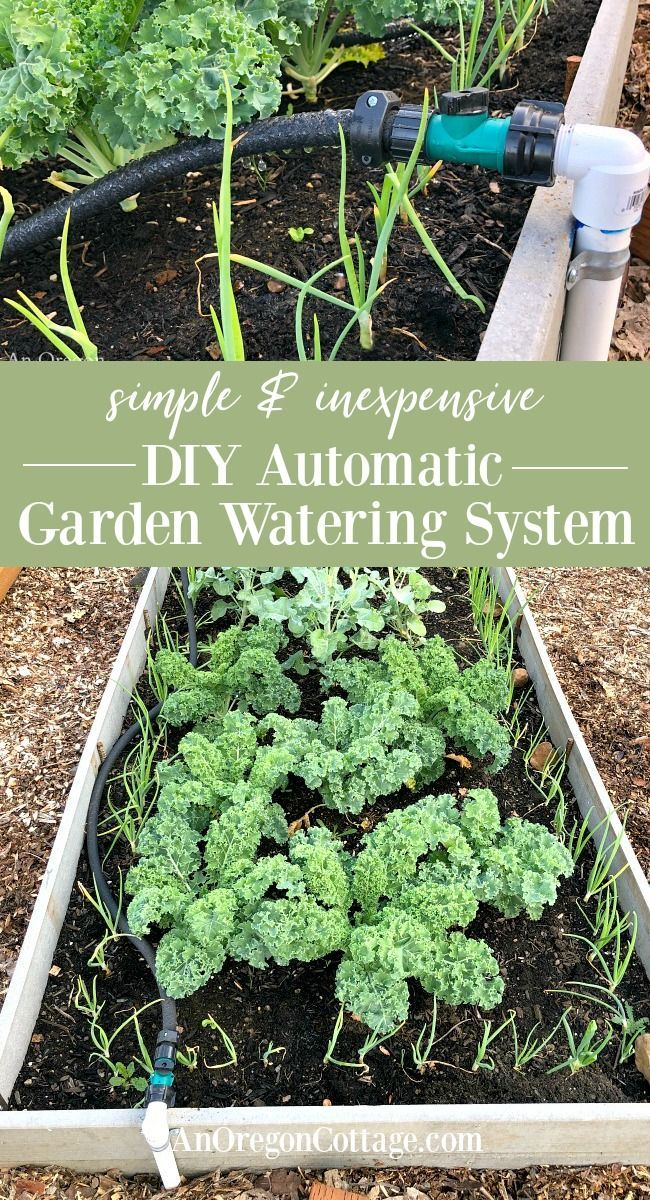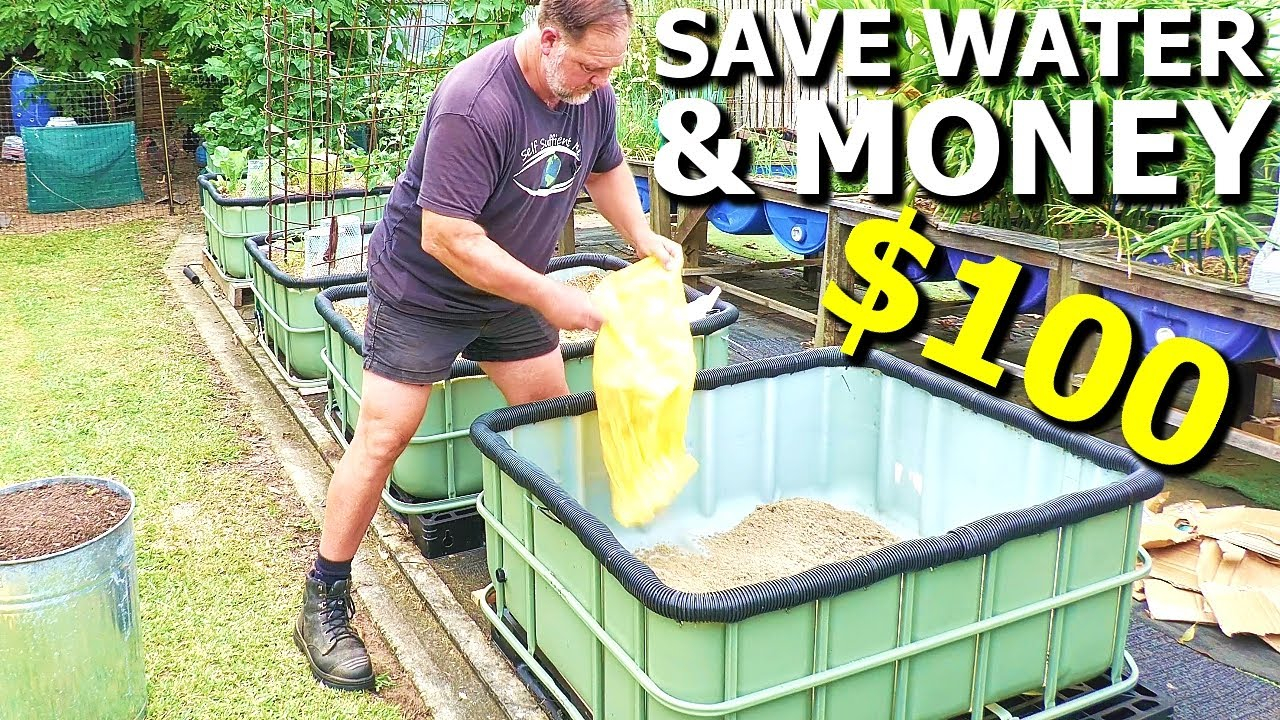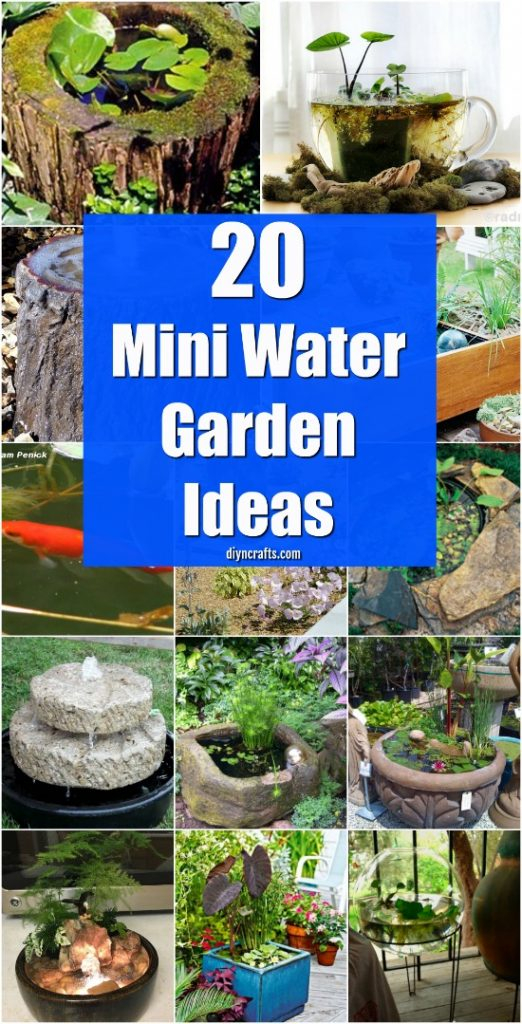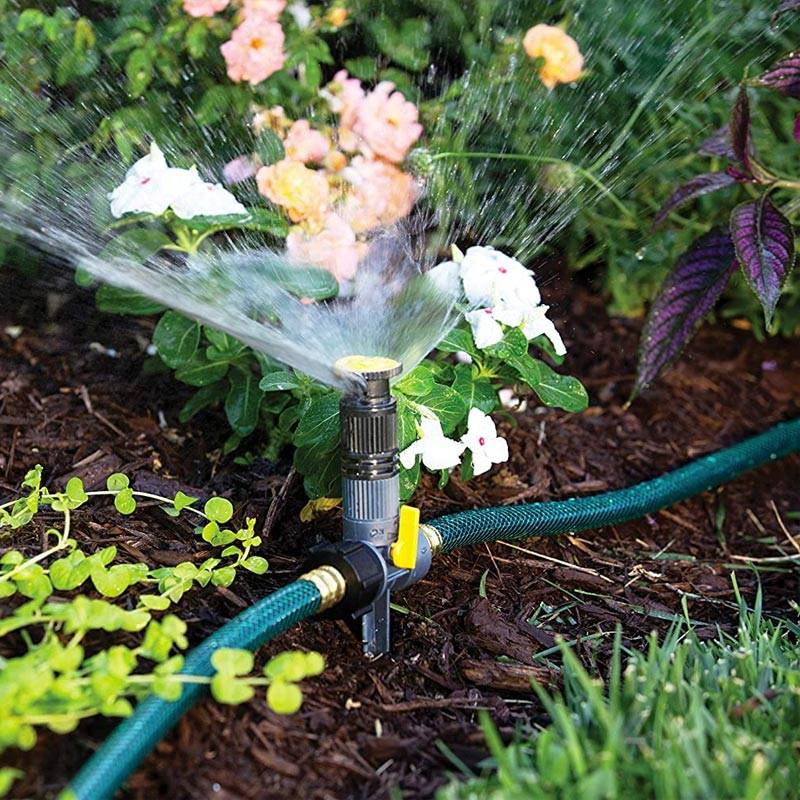

You’ve seen them online. Those sleek, black plastic drip irrigation kits promising to save your garden with the push of a button. They cost fifty bucks, maybe more if you want the "smart" version that connects to an app you’ll never use. It feels like the right thing to do, doesn’t it? You want to be responsible with water. You want your tomatoes to thrive. So you buy the kit. You spend three hours untangling kinked tubing. You curse at tiny emitters that clog after a week. And then, when summer hits hard, half the system fails.
It’s frustrating. It’s wasteful. And honestly? It’s unnecessary.
Here is the truth most gardening influencers won’t tell you because they make money from affiliate links: you don’t need to buy anything to water your plants effectively. In fact, some of the best irrigation systems I’ve seen in community gardens across the country in 2026 were built entirely from trash. Literally. Plastic bottles, old buckets, and scraps of hose. This isn’t about being cheap; it’s about being smart. It’s about working with gravity and soil physics instead of fighting against proprietary plastic connectors. Let’s talk about how you can stop buying into the hype and start building a system that costs zero dollars and works better than the store-bought stuff.
The Myth of the Perfect Kit
We have been sold a lie that gardening requires specialized gear. The narrative is that without this specific brand of emitter or that particular pressure regulator, your plants will die. But look at nature. Trees don’t have drip lines. Forests thrive on slow, deep soaking. The expensive kits often encourage shallow watering because the emitters release water too slowly or get blocked by mineral buildup. In 2026, with water restrictions tightening in many states, efficiency matters more than aesthetics. A ugly bucket buried next to your zucchini plant saves more water than a pretty black tube running along the surface.
Think about the materials. Most drip kits are made from low-density polyethylene. It degrades in the sun. It cracks. It becomes microplastic pollution in your soil. When you build your own system using glass jars, clay pots, or heavy-duty recycled plastics, you are creating something durable. You aren’t dependent on a manufacturer’s supply chain. If a part breaks, you replace it with another piece of trash from your recycling bin. It shifts the mindset from consumer to creator. You stop worrying about whether you bought the "right" kit and start observing what your soil actually needs.
This shift also saves mental energy. Gardening should be relaxing, not a tech support nightmare. How many times have you spent your Saturday morning trying to find a leak in a complex manifold? With a DIY gravity-fed system, the mechanics are visible. You can see the water level. You can see where it’s going. If it’s not working, you tweak it. There is no proprietary software to update. No battery to replace. Just water, earth, and simple tools. It brings the joy back into the process. You are solving problems with your hands, not your credit card.
The Olla Method: Ancient Tech for Modern Gardens
Let’s start with the most effective free method: the Olla. Pronounced "oy-yah," this is an ancient technique that uses unglazed terracotta pots to seep water directly into the root zone. You don’t need to buy new pots. Check local thrift stores, garage sales, or even ask neighbors if they have cracked flower pots they were about to throw away. As long as the pot is unglazed clay and has a hole in the bottom (or you can drill one), it works. The principle is simple physics: osmosis. The dry soil pulls moisture through the porous clay walls only when it needs it.
To build one, take two terracotta pots. Glue them together at the rims with waterproof silicone or cement, leaving the top opening free. Bury this double-pot structure next to your plants, leaving just the neck exposed. Fill it with water and cap it with a stone or a recycled lid to keep mosquitoes out. That’s it. You have created a self-regulating irrigation reservoir. In the heat of July 2026, while your neighbors are rushing out to turn on sprinklers that evaporate half their water before it hits the ground, your ollas are quietly keeping the soil moist at root level. No evaporation. No runoff.
The beauty of this system is its forgiveness. If you go on vacation for a week, your plants won’t die. The clay holds the water until the soil dries out enough to pull it through. It prevents overwatering, which is the number one killer of home gardens. Root rot happens when soil stays soggy on the surface but is dry below. Ollas keep the moisture consistent deep down. Plus, it’s free. If you break a pot, you glue it or find another. You aren’t locked into a system. You can move them around as your garden changes. It’s flexible, resilient, and incredibly efficient.
The Bottle Spike Hack for Container Gardens
If you grow herbs or veggies in pots on a balcony or patio, the Olla might be too bulky. Enter the bottle spike. This is the ultimate "I forgot to water my basil again" fix. Take any plastic soda or water bottle. Clean it. Poke four to six small holes in the cap using a heated nail or a drill. Flip the bottle upside down and bury the neck deep into the soil of your container. Fill the bottle with water.
Gravity does the work. The water drips slowly into the roots. But here is the trick most people miss: the size of the holes matters. If the holes are too big, it dumps all the water in an hour. If they are too small, they clog. Start with a pinhole. Test it. Adjust. You can also add a mesh filter from an old tea bag inside the bottle neck to catch sediment. This prevents clogging without buying expensive filters. It’s a closed loop system using waste.
Why is this better than a store-bought spike? Those plastic spikes often crack or don’t fit standard bottles well. They are single-use plastic junk. By modifying the bottle itself, you control the flow rate. You can use a two-liter bottle for large tomato pots or a small water bottle for herbs. It’s scalable. And when the bottle eventually degrades after a season or two, you just recycle it and grab another. No guilt. No cost. In 2026, with plastic waste being a huge conversation, repurposing these containers for a second life in the garden feels good. It’s a small act of rebellion against throwaway culture.
Trench Composting as Irrigation
This sounds weird, but stick with me. Water isn’t just H2O; it’s a carrier for nutrients. Traditional irrigation separates feeding and watering. You water with a hose, then you add fertilizer. Why not combine them? Trench composting involves digging a small trench between your rows of crops. Fill it with kitchen scraps—vegetable peels, coffee grounds, eggshells. Cover it with soil. When you water the surface, the water percolates down through the composting material.
As the water moves through the decomposing matter, it picks up nutrients and delivers them directly to the roots. It’s a slow-release fertilizer and irrigation system in one. You don’t need to buy liquid feed. You don’t need complex mixing tanks. You just need a shovel and your dinner leftovers. This method also improves soil structure. The organic matter attracts worms and beneficial microbes. These creatures create channels in the soil that improve drainage and aeration. Healthy soil holds water better, meaning you need to irrigate less often.
In dry climates, this is a game changer. The trench acts as a sponge. It holds moisture longer than bare soil. During the droughts we’ve seen in recent years, gardens using trench composting stayed green longer than those relying solely on surface watering. It’s a passive system. Once the trench is filled and covered, you just water normally. The system does the rest. It’s free because you were going to throw those scraps away anyway. Now they are fueling your garden. It closes the loop in your kitchen and your yard.
Gravity-Fed Bucket Drip Lines
For larger beds or rows of plants, you might need more volume than a single bottle or pot can provide. This is where the gravity-fed bucket system shines. Get a five-gallon bucket. Drill a small hole near the bottom. Attach a piece of old garden hose or even vinyl tubing (salvaged from broken appliances or blinds). Run the tubing along your plant row. Poke small holes in the tubing next to each plant stem. Cap the end of the tubing.
Place the bucket on a cinder block or a stack of bricks to elevate it. Fill it with water. The height creates pressure. The water flows through the tubing and out the holes. You can control the flow by adjusting the size of the holes or using clamps on the tubing. If you want to get fancy, add a valve from an old sink fixture to turn it on and off. But honestly, just plugging the hole with a cork when not in use works fine.
This system is modular. Need more water? Add another bucket. Need to cover a longer row? Extend the tubing. It’s infinitely customizable. And because it’s elevated, you don’t need electricity or pumps. It’s silent. It’s reliable. In 2026, power outages are still a risk in many areas during storms. A gravity system doesn’t care if the grid is down. It just works. It’s resilient infrastructure for your food supply. You are building independence, one bucket at a time.
Maintenance and Troubleshooting Your Free System
People worry that DIY means high maintenance. Actually, it’s the opposite. Commercial kits have tiny parts that fail silently. Your free system is macro-scale. You can see problems. Is the bottle empty? Fill it. Is the clay pot dry? Fill it. Is the trench smelling bad? Add more carbon-rich material like leaves. The troubleshooting is intuitive. However, there are a few tips to keep things running smoothly.
First, always cover your water sources. Mosquitoes love standing water. Use fine mesh, old window screens, or tight-fitting lids. This prevents breeding grounds for pests. Second, flush your lines occasionally. If you use well water or hard tap water, minerals can build up. Once a month, let a strong surge of water run through your tubing or bottles to clear debris. Third, rotate your materials. Plastic degrades. Clay can crack. Keep an eye on your components. Swap them out before they fail completely.
Don’t be afraid to experiment. Maybe your soil drains too fast for ollas. Try the bottle method. Maybe the bottles dry out too quick. Try a larger container. Gardening is observation. Watch your plants. If they look thirsty, your system needs tweaking. If they look yellow, maybe they are getting too much water. Adjust the hole sizes. Change the burial depth. You are the engineer of this system. There is no manual because every garden is unique. Trust your eyes. Trust your hands.
At the end of the day, this isn’t just about saving fifty dollars. It’s about changing how we relate to our resources. We live in a world that tells us to buy solutions. But often, the best solutions are already in our hands, hidden in plain sight. Building your own irrigation system connects you to the rhythm of your garden. You notice when it rains. You notice when the soil is dry. You become attuned to the needs of your plants in a way that pressing a button on an app never allows.
In 2026, resilience is a skill we all need to cultivate. Whether it’s economic uncertainty or climate challenges, knowing how to make do with what you have is powerful. It reduces anxiety. It builds confidence. When you look at a plastic bottle and see a watering device instead of trash, you shift your perspective. You start seeing potential everywhere. Your garden becomes a place of creativity, not just consumption.
So, put down the catalog. Cancel the subscription. Go dig up that old clay pot. Save those soda bottles. Build something messy, imperfect, and utterly effective. Your plants won’t care if the system looks pretty. They only care if they get water. And you’ll feel a quiet pride knowing you grew your food with ingenuity, not just income. That’s a harvest worth celebrating.