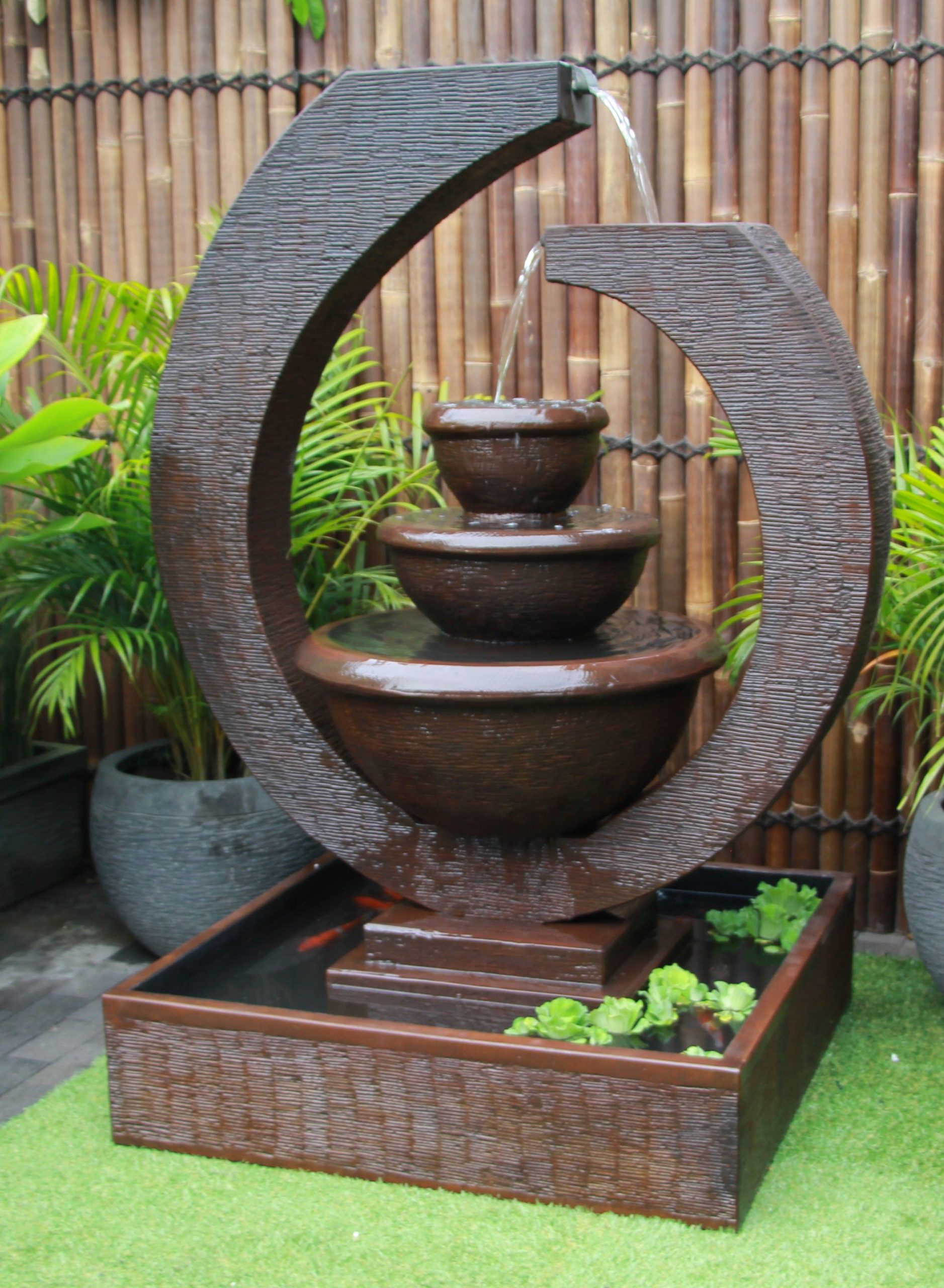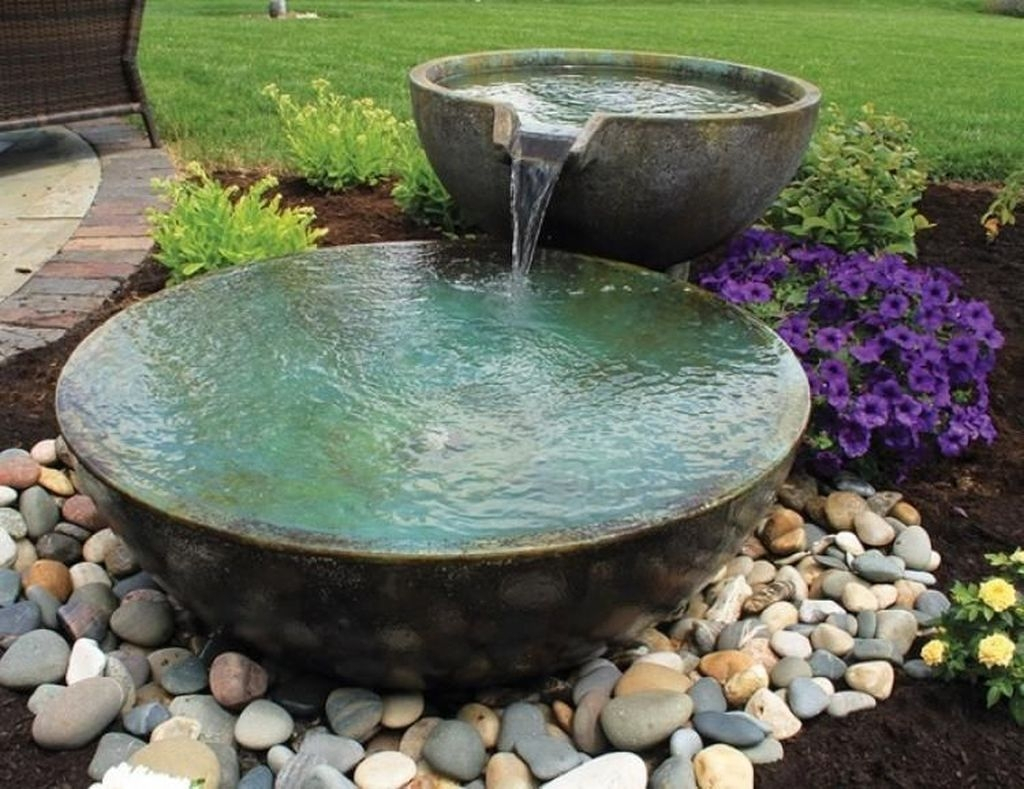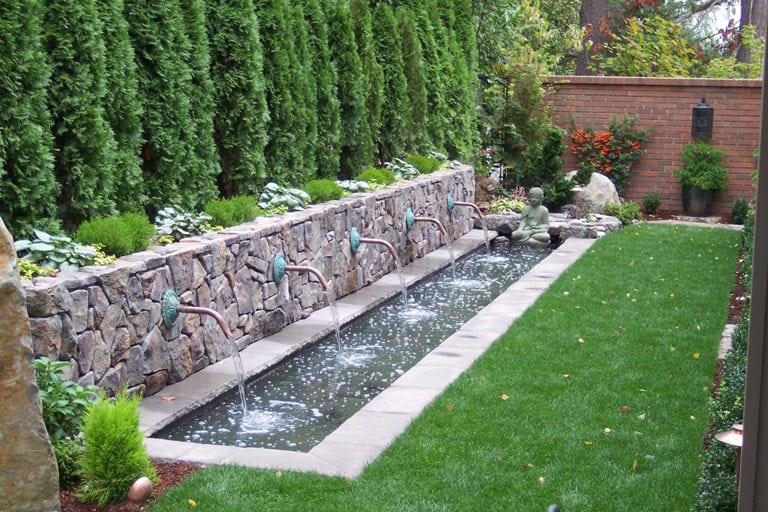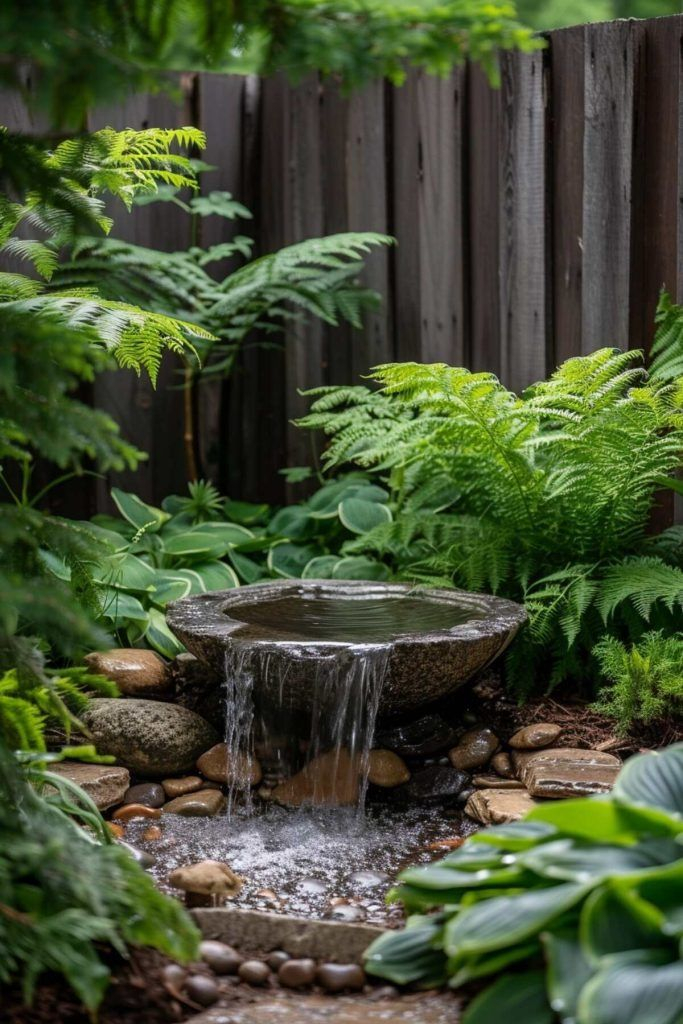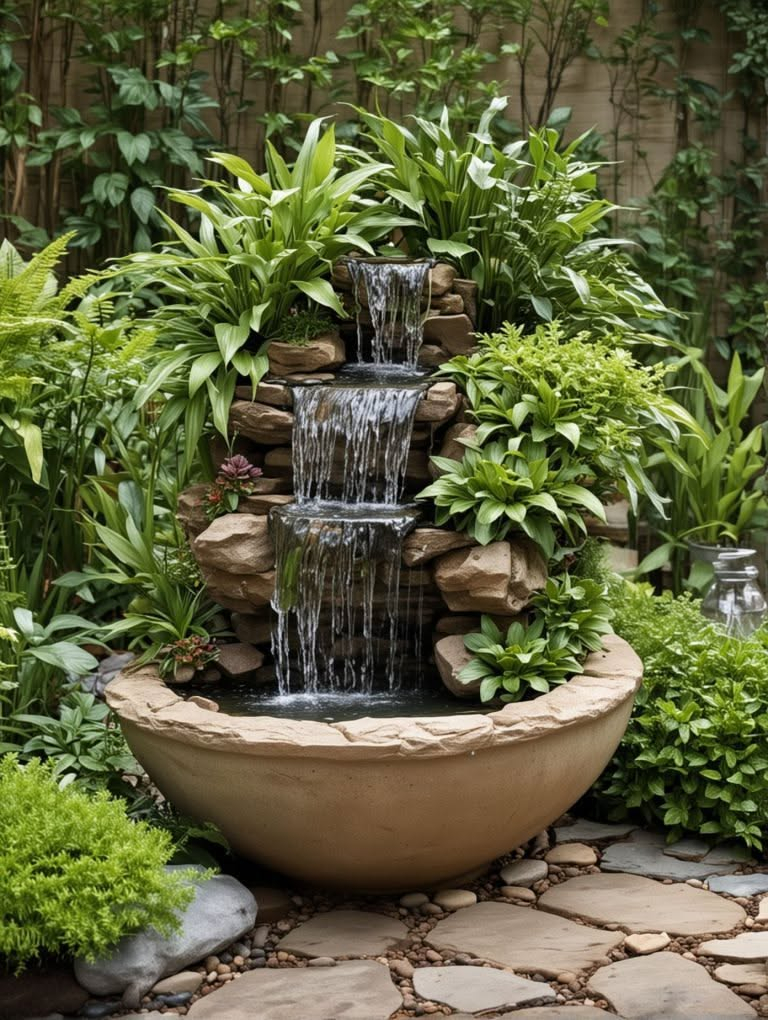

You’ve seen the videos. You know the ones. A couple spends a weekend digging a hole, lining it with rubber, stacking some rocks, and boom—they have a serene, trickling oasis in their backyard. It looks so easy. So peaceful. And honestly? It makes you want to drop everything and grab a shovel. But here’s the thing those fifteen-second clips don’t show you. They don’t show the leak that appears three weeks later. They don’t show the electric bill jumping up because the pump is working overtime. And they definitely don’t show the algae bloom that turns your crystal-clear dream into a pea-green soup by July.
We are living in 2026, where material costs have stabilized but labor and specialized parts remain pricey. Many homeowners are turning to DIY projects to save money, thinking they can bypass the contractor markup. It’s a noble goal. Who doesn’t want to save a few thousand dollars? But water is heavy. Water is persistent. And water finds every single weakness in your plan. The initial cost of the liner and the pump is just the tip of the iceberg. The real costs hide beneath the surface, waiting to surprise you when you least expect it.
Let’s talk about what actually happens after the installation photos are posted. Because if you’re planning to build a water feature this year, you need to know the full story. Not just the romantic version, but the realistic one. The one that involves troubleshooting, ongoing bills, and occasional headaches. Understanding these hidden costs isn’t about scaring you away from the project. It’s about empowering you to do it right. Or maybe, to realize that hiring a pro might actually be cheaper in the long run. Either way, knowledge is your best tool.
The Energy Drain Nobody Talks About
When you buy a submersible pump, the box highlights the flow rate. It tells you how many gallons per hour it can move. It rarely screams about how much electricity it will guzzle over five years. In 2026, energy rates in many regions have crept up again. A pump that seems small and innocuous can become a significant line item on your monthly utility statement. If you choose a pump that is too powerful for your feature, you are literally throwing money down the drain. Literally.
Many DIYers make the mistake of oversizing. They think bigger is better. They buy a pump rated for a massive waterfall when they only have a gentle trickle. This constant overwork strains the motor and spikes energy usage. Conversely, undersizing causes the pump to run continuously at max capacity, which also burns through electricity and shortens the lifespan of the unit. It’s a delicate balance. You need to calculate the head height—the vertical distance the water travels—and the length of the tubing. Friction loss matters. It adds up.
Consider switching to solar-powered options if your climate allows. Solar tech has improved drastically in the last few years. However, there is a catch. Solar pumps often lack the consistent power needed for larger features, meaning you might need battery backups or hybrid systems. These add to the upfront cost. But they can slash your operating expenses. Do the math before you buy. Look at the kilowatt-hour rating. Compare it to your local energy rate. You might find that a slightly more expensive, high-efficiency pump saves you hundreds over its lifetime. Don’t ignore the watts.
The Maintenance Time Sink
Time is money. We say it all the time, but we forget it when we are knee-deep in mud. A DIY water feature requires regular care. It’s not a set-it-and-forget-it appliance. Leaves fall. Dust settles. Algae grows. If you don’t stay on top of it, your beautiful pond becomes a swamp. And cleaning a swamp is hard work. It’s messy, smelly, and time-consuming. For many people, this is the biggest hidden cost. The hours spent skimming, scrubbing, and balancing chemicals add up quickly.
In the spring and summer, you might need to clean filters weekly. In the fall, you’re battling falling leaves. If you have trees nearby, forget about it. You’ll be fishing out debris daily. Some DIYers install automatic skimmers, which help, but they cost extra and require their own maintenance. Then there’s the water chemistry. You can’t just fill it with tap water and walk away. Chlorine kills beneficial bacteria. You need dechlorinators. You need tests for pH levels. You need to understand the nitrogen cycle. It’s like owning a fish tank, but outside, where the weather changes everything.
If you value your weekends, factor this in. Are you willing to spend two hours every Saturday maintaining your feature? If not, you might need to hire a service. Professional pond maintenance crews charge anywhere from $50 to $150 per visit, depending on the size and complexity. That’s a recurring cost that many DIYers fail to budget for. Or, you can design for low maintenance from the start. Use fewer plants that shed. Install larger biological filters. Choose darker liners to mask algae. Smart design choices can reduce the time commitment significantly.
Repair Costs and the "Fix-It" Cycle
Water features are dynamic systems. Things break. Liners puncture. Pumps burn out. Pipes crack in the winter. When you hire a professional, you usually get a warranty. When you DIY, you are the warranty. And fixing a leak in a lined pond is not simple. You have to drain the water. Find the hole. Patch it. Refill it. Test it. If the patch fails, you do it again. Each attempt costs you water, which is becoming increasingly expensive in many drought-prone areas. In 2026, water restrictions are tighter than ever in places like the Southwest and parts of Europe.
Pump failure is another common issue. Cheap pumps die young. They might last one season. Replacing them means buying a new unit, plus the labor to swap it out. If you buried the plumbing, you might have to dig it up. That’s backbreaking work. Or you pay someone to do it. Suddenly, your $500 DIY project has cost you another $300 in repairs and replacements. And then another $200 the next year. The "fix-it" cycle can drain your savings faster than the initial build.
Invest in quality components from day one. It hurts to spend more upfront, but it pays off. Buy a pump with a solid reputation for longevity. Use thick, durable liners (45 mil EPDM is a good standard). Protect your pipes from freezing with proper insulation or drainage valves. Preventative measures are cheaper than cures. Also, keep spare parts on hand. O-rings, seals, and small fittings wear out. Having them ready saves you a trip to the store and prevents small issues from becoming big disasters. Don’t cheap out on the guts of your system.
The Landscaping Ripple Effect
A water feature doesn’t exist in a vacuum. It affects the surrounding landscape. Splashing water can erode soil. It can kill plants that don’t like wet feet. It can create muddy patches around the edges. Fixing these secondary issues adds to the cost. You might need to replant flowers that drowned. You might need to add gravel or stone to stabilize the banks. These aren’t huge expenses individually, but they nibble at your budget. And they take time.
Then there’s the issue of pests. Standing water attracts mosquitoes. In 2026, vector-borne diseases are still a concern, and many communities have strict rules about standing water. You might need to install mosquito dunks or biological controls regularly. Frogs and birds might love your pond, but they bring their own mess. Bird droppings on your patio? That’s a cleaning cost. Algae runoff onto your deck? That’s a staining problem. You need to manage the ecosystem, not just the water.
Consider the hardscaping around the feature. If you didn’t plan for proper drainage, rainwater might pool around your foundation or flood the pond during storms. Overflow valves are essential. But they need to lead somewhere. If you haven’t planned for that discharge point, you could damage your lawn or your neighbor’s yard. Liability is a weird hidden cost. If your runoff causes issues for others, you might face fines or repair bills. Plan the entire watershed, not just the hole in the ground. Think about where every drop goes.
Permits, Insurance, and Legal Headaches
This is the boring part, but it’s crucial. Many people assume they don’t need permits for a small pond. They’re often wrong. Local zoning laws vary wildly. In some areas, any excavation over a certain depth requires a permit. In others, electrical work for the pump must be done by a licensed electrician. If you do it yourself and something goes wrong—like an electrical shock or a collapse—you might void your homeowner’s insurance. That’s a massive risk.
Insurance premiums can also rise. Some insurers view water features as liability hazards, especially if you have children or frequent guests. Drowning risks are real. You might need to install fencing or safety covers. These are expensive additions. In 2026, safety standards for residential pools and ponds are being scrutinized more closely. Check with your insurance provider before you dig. Ask specifically about coverage for water features. Get it in writing. Don’t assume you’re covered.
There are also environmental regulations. If you live near a wetland or a protected area, you might be restricted in what you can build. Disturbing local ecosystems can lead to hefty fines. Even in suburban areas, runoff regulations matter. You can’t just let chlorinated water dump into the storm drain. You need to neutralize it first. Ignorance of the law is not an excuse. Spend an afternoon researching local codes. Call your city planning department. It’s free, and it could save you thousands in fines or forced removal costs. Better safe than sorry.
Here’s a tough pill to swallow. Not everyone loves water features. When you sell your home, your DIY pond might be seen as a liability rather than an asset. Buyers might worry about maintenance. They might see it as a safety hazard for their kids. Or they might just hate the style. If your feature looks amateurish—if the rocks are glued on crooked or the liner is visible—it lowers your curb appeal. It screams "DIY job," and not in a good way.
Removing a water feature is expensive. If a buyer wants it gone, you have to pay to fill it in, remove the equipment, and restore the landscape. This can cost thousands. So, you’re stuck with it, or you pay to remove it. Either way, it’s a financial hit. To avoid this, design with neutrality in mind. Avoid overly trendy styles. Stick to natural materials that blend with the local environment. Make it look like it belongs there. Quality craftsmanship holds value. Sloppy work destroys it.
Consider the broader market trends. In 2026, low-maintenance landscaping is highly valued. Buyers are looking for ease, not projects. If your water feature requires high upkeep, it’s a turn-off. However, a well-built, eco-friendly, low-maintenance feature can be a selling point. It shows attention to detail and a love for nature. The key is execution. If you’re not confident in your ability to make it look professional, consider scaling down. A small, polished fountain is better than a large, leaky pond. Less is often more.
So, where does this leave you? Should you abandon the dream? No. But you should approach it with eyes wide open. The hidden costs are real, but they are manageable. Start with a realistic budget. Double it. Then add twenty percent for surprises. Research your local laws. Talk to your insurance agent. Choose efficient, durable equipment. Plan for maintenance. And be honest about your skills. If you’re not sure, consult a pro for the critical parts, like electrical and plumbing.
You can still have that tranquil oasis. It just takes more than a shovel and a weekend. It takes planning, patience, and a willingness to learn. Water is unforgiving, but it’s also rewarding. When done right, the sound of trickling water can wash away the stress of the day. It can bring wildlife to your yard. It can be a source of pride. Just make sure the price you pay is worth the peace you get. Don’t let the hidden costs sink your joy. Build smart. Build well. And enjoy the flow.