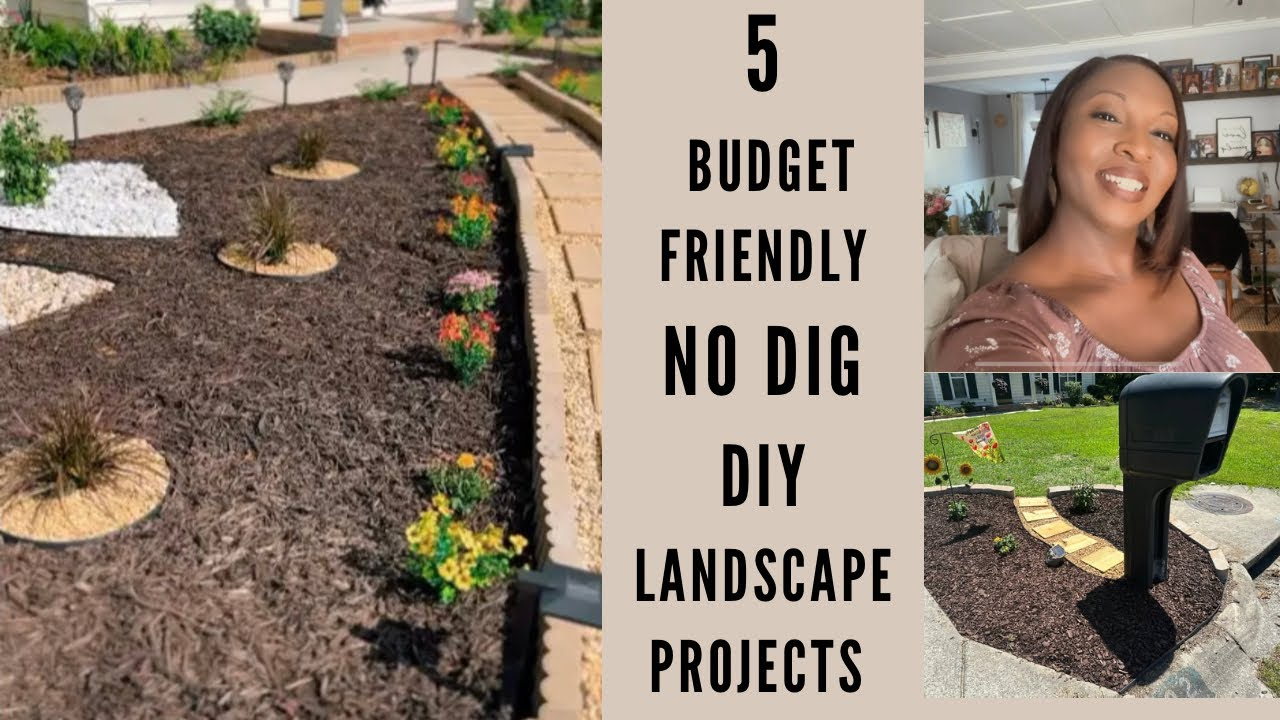

You know that feeling. You scroll through social media, see a backyard transformed into a lush, tropical paradise or a sleek, modern zen garden, and your heart skips a beat. It looks so easy. So inviting. You grab your credit card, head to the big-box store, and buy enough mulch, pavers, and shrubs to fill a truck. Then reality hits. Hard. The budget blows up before you’ve even dug the first hole. The backache sets in by noon. And suddenly, that dream project feels less like a hobby and more like a second job you didn’t apply for.
We’ve all been there. The enthusiasm is real, but the bank account? Not so much. In 2026, with material costs still fluctuating and labor prices through the roof, the urge to do it yourself is stronger than ever. But here’s the secret the pros won’t tell you on their glossy Instagram feeds: they didn’t start with the whole yard. They started with a single pot. A small patch of dirt. One corner. Starting small isn’t just about being cautious; it’s the single best financial decision a DIY landscaper can make. It protects your wallet, teaches you valuable skills without the high stakes, and actually leads to a better-looking result in the long run.
Let’s talk about why slowing down speeds up your success.
The Trap of the "Big Bang" Renovation
It’s tempting to want it all done at once. We call this the "Big Bang" approach. You envision the finished product—the patio, the flower beds, the lighting, the water feature—and you try to execute it all in one spring weekend. It sounds heroic. It’s usually disastrous. When you tackle a massive project, you’re forced to make hundreds of decisions in a very short time. This leads to decision fatigue. And when you’re tired and rushed, you make expensive mistakes.
Maybe you buy the wrong type of stone because you didn’t realize how heavy it would be to move. Maybe you plant shade-loving ferns in a spot that gets blasted by afternoon sun because you didn’t track the light patterns over a few weeks. These aren’t just minor oopsies; they’re cash drains. Replacing dead plants or hauling away unused hardscape materials eats into your budget fast. By starting small, you limit the scope of potential error. If you mess up a four-foot-by-four-foot bed, it’s a fifty-dollar lesson. If you mess up a quarter-acre lawn renovation, it’s a five-thousand-dollar regret.
Think about the sheer volume of waste too. Large projects generate huge amounts of packaging, cut-offs, and excess soil. When you scale down, you can be precise. You buy exactly what you need. There’s less leftover gravel sitting in your garage for three years. There’s less guilt. And frankly, there’s less stress. You can actually enjoy the process instead of racing against a self-imposed deadline that was unrealistic from the start.
Learning the Ropes Without the High Stakes
Landscaping is part art, part science, and part brute force. You need to understand soil pH, drainage, plant hardiness zones, and structural integrity. No amount of YouTube watching can fully prepare you for the physical reality of digging in clay soil or mixing concrete. Starting small gives you a low-risk laboratory to test your skills.
Take planting, for example. It seems simple: dig a hole, drop the plant in, fill it back up. But if you don’t amend the soil correctly or plant it too deep, that expensive tree might die in six months. If you practice on a few perennials first, you learn how to handle roots, how much water they really need, and how they spread. You get a feel for the tools. You learn that a cheap shovel bends when it hits a rock, so next time, you invest in a better one. These are lessons learned with minimal financial pain.
Consider hardscaping. Laying pavers looks straightforward until you try to get them level. If you start with a small stepping-stone path, you can master the base preparation—the most critical part—without committing to a hundred square feet of patio. You learn how to use a plate compactor. You figure out how to cut stones safely. By the time you’re ready for the big patio, you’re not guessing. You’re executing. That confidence saves money because you don’t have to hire a pro to fix your wobbly stones later.
Cash Flow and the Power of Iteration
Let’s look at the numbers. In 2026, the cost of lumber, stone, and even basic plants has stabilized but remains higher than pre-pandemic levels. A full-yard overhaul can easily run into the tens of thousands. For most families, that’s a significant chunk of savings or a hefty loan. Starting small allows you to pay as you go. You use cash, not credit. This avoids interest payments and keeps your debt-to-income ratio healthy.
But it’s not just about avoiding debt; it’s about iteration. When you finish a small project, you live with it. You see how it works. Maybe you realize you hate the color of the mulch you chose. Good thing you only bought two bags, not twenty. Maybe you find that the bench you built is in the way of the mower. Easy to move. This feedback loop is invaluable. Large projects lock you in. Once that concrete is poured, it’s done. With small steps, you can adjust your design based on real-life usage.
This iterative approach also lets you take advantage of sales and seasonal discounts. You don’t need to buy everything in March. You can wait for end-of-season clearance on plants in October. You can scout for reclaimed bricks year-round. You become a savvy shopper rather than a desperate buyer. Over time, this patience builds a higher-quality landscape for less money. You’re curating, not just consuming.
Avoiding the Hidden Costs of Scale
There are hidden costs in every large project that beginners often overlook. Equipment rental is a big one. Do you really need to rent a mini-excavator for a week if you’re just starting out? Probably not. Small projects can usually be handled with hand tools or tools you already own. If you do need a special tool, you can rent it for a day, not a week. That’s a huge saving.
Then there’s the cost of disposal. Hauling away old sod, broken concrete, or excess dirt isn’t free. Dump fees add up. If you tackle a small area, you might be able to compost the organic waste or reuse the rubble in a gabion wall. You minimize the waste stream. Large projects often require hiring a junk removal service, which can cost hundreds of dollars. By scaling down, you keep those costs near zero.
Don’t forget the physical toll. Injury is a real financial risk. Back strain, cuts, bruises—these can lead to medical bills or time off work. When you’re overwhelmed by a huge task, you rush. Rushing leads to accidents. Working on a small scale allows you to pace yourself. You lift properly. You take breaks. You stay safe. Your health is an asset; protecting it is a financial move. Plus, you’re more likely to stick with the hobby if it doesn’t leave you bedridden for a week.
Building Confidence and Creative Clarity
There’s a psychological benefit to starting small that translates directly to value. Completing a project gives you a dopamine hit. It feels good. You see tangible progress. This builds momentum. When you finish a small border bed, you feel capable. You think, "I can do more." This confidence prevents the paralysis that often hits mid-project on large jobs. You know the next step because you’ve mastered the previous ones.
Creativity also thrives in constraints. When you have a limited space and budget, you have to be inventive. You might repurpose an old ladder as a plant stand. You might mix different textures of stone instead of buying expensive uniform pavers. These creative solutions often look more unique and personal than cookie-cutter designs. They add character to your home. And character increases property value, but more importantly, it increases your enjoyment of the space.
In 2026, people are craving authenticity. A landscape that evolves over time tells a story. It shows care. It shows intention. A rushed, massive renovation can feel sterile. A garden built piece by piece feels alive. It reflects your journey. This emotional connection is priceless. You’re not just building a yard; you’re building a sanctuary. And you’re doing it in a way that sustains your enthusiasm rather than burning it out.
So, how do you actually do this? Don’t just stare at your yard and wonder. Pick one spot. Just one. It could be the area right by your front door. Or a shady corner in the back. Define a boundary. Maybe it’s a 10×10 foot square. Mark it out with string. Now, ignore the rest of the yard. Seriously. Pretend the rest doesn’t exist.
Start with cleanup. Remove weeds, debris, and anything that doesn’t belong. Assess the soil. Is it dry? Wet? Clay? Sand? This assessment costs nothing but time. Then, set a tiny budget. Say, $200. Stick to it. Go to a local nursery, not just the big box store. Talk to the staff. Ask for plants that are native to your area and low maintenance. Buy three or four. Plant them well. Add some mulch. Step back. Look at it.
Did it work? Did you enjoy the process? If yes, expand slightly next season. Maybe add a path leading to it. Maybe add a light. If no, you’ve only lost a weekend and a small amount of cash. You can tweak it. The key is consistency, not speed. Landscape design is a marathon, not a sprint. By breaking it down, you make it manageable. You make it affordable. And you make it fun.
Remember, the goal isn’t to finish quickly. The goal is to create something you love. Something that lasts. Starting small ensures you have the resources—financial, physical, and emotional—to see it through. It turns a daunting task into a series of achievable victories. And those victories add up to a beautiful, sustainable outdoor space that fits your life and your budget.
So, put down the massive blueprint. Pick up a trowel. Find that one small corner. And start there. Your wallet will thank you. Your back will thank you. And in a few years, when you look back at the lush, layered garden you’ve built piece by piece, you’ll realize that the slow way was actually the fastest route to satisfaction. It’s not about doing less; it’s about doing it right. One small step at a time.