
You’re standing in the aisle at the garden center, staring at a stack of bags that look identical but have price tags ranging from three dollars to fifteen. Or maybe you’re on the phone with a local landscape supply yard, trying to figure out if that quote for "a yard" of dirt is a steal or a rip-off. It’s confusing. Really confusing. And honestly? It’s expensive.
If you’ve ever felt that pang of anxiety when calculating how much soil you need for a raised bed, you aren’t alone. In 2026, the price of dirt isn’t just about the dirt. It’s about fuel surcharges, screening processes, organic certifications, and whether you have a truck big enough to haul it yourself. We often talk about plants, seeds, and tools, but the foundation of it all—the soil—is where the budget often blows up. Let’s break down what you are actually paying, right down to the cubic foot, so you can stop guessing and start planting.
Breaking Down the Unit: Why Cubic Feet Matter
Most suppliers talk in cubic yards. It’s the industry standard for bulk delivery. But most home gardeners think in cubic feet. This mismatch is where the math gets messy and the wallets get light. One cubic yard is equal to 27 cubic feet. That’s a block of soil measuring 3 feet by 3 feet by 3 feet. It weighs roughly 1,800 to 2,200 pounds. That’s nearly a ton. When you see a price tag of $40 per cubic yard, it sounds cheap. But when you divide that by 27, you’re paying about $1.48 per cubic foot.
Now, compare that to bagged soil. A typical bag holds 1.5 cubic feet. If that bag costs $5, you are paying $3.33 per cubic foot. See the difference? Buying in bulk is almost always cheaper per unit. But here’s the catch: you usually have to buy a minimum amount, often 5 to 10 cubic yards, to get those bulk rates. For a small raised bed project, buying bulk might mean you end up with a massive pile of extra dirt in your driveway. So, the "best" price depends entirely on scale.
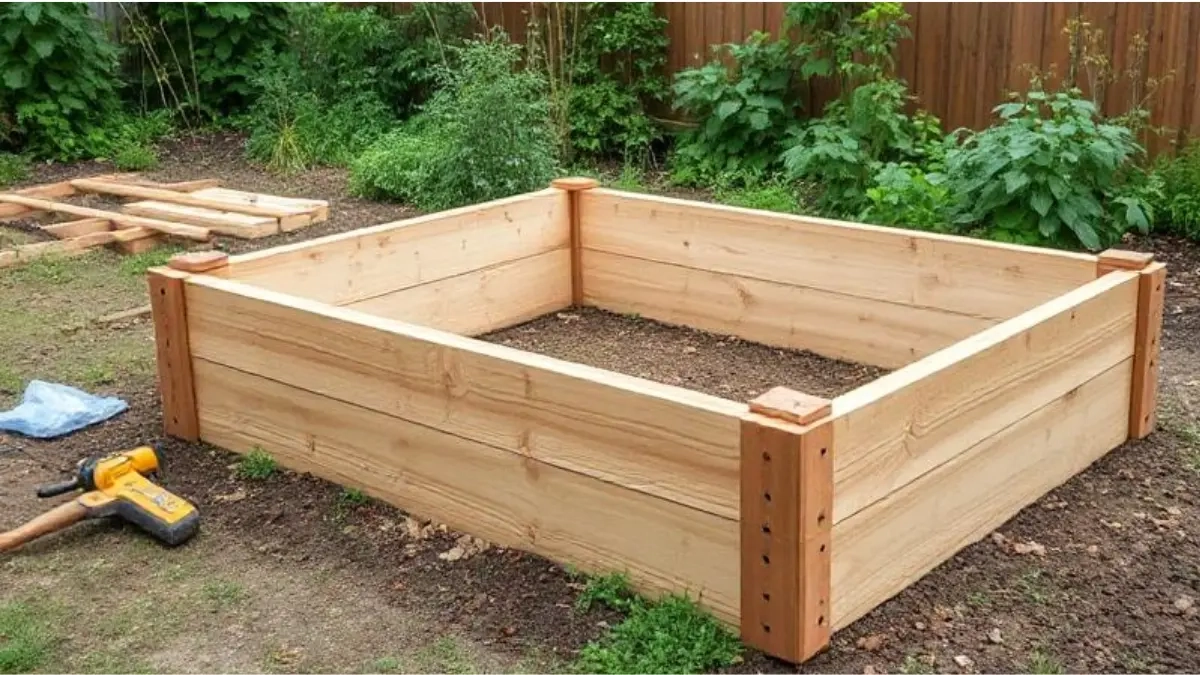
For tiny projects, like filling a few window boxes or a single 4×4 foot raised bed, bagged soil is king. It’s manageable, clean, and you don’t need a tractor to move it. But if you are renovating a lawn or building multiple large beds, the per-foot cost of bags will bankrupt you. Knowing this conversion—27 cubic feet in a yard—is the first step to not getting ripped off. Always do the math before you load the cart.
The Price Spectrum: From Fill Dirt to Premium Blends
Not all soil is created equal. In fact, "soil" is a loose term that covers everything from rocky subsoil to gourmet compost mixes. In 2026, the range is wider than ever. On the low end, you have fill dirt or unscreened topsoil. This stuff is cheap, often running between $12 and $20 per cubic yard. That’s roughly $0.44 to $0.74 per cubic foot. But beware: it’s full of rocks, roots, and clumps. It’s great for filling holes or raising grade levels, but terrible for growing tomatoes.
Step up to screened topsoil, and the price jumps. Screening removes the debris, leaving a finer texture. This typically costs $25 to $40 per cubic yard, or about $0.92 to $1.48 per cubic foot. This is your standard "lawn repair" dirt. It’s decent, but it lacks nutrients. If you want plants to thrive, you need something richer. That’s where garden blends come in. These are mixes of topsoil, compost, and sometimes sand or peat. Prices here range from $40 to $60 per cubic yard ($1.48 to $2.22 per cubic foot).
Then there are the specialty mixes. Organic certified soils, potting mixes for containers, or specific blends for acid-loving plants like blueberries. These can soar to $80 or even $150 per cubic yard. That’s up to $5.55 per cubic foot. Why so high? Because of the ingredients. Compost alone can cost more than the dirt it’s mixed with. Peat moss prices have fluctuated wildly due to sustainability concerns. If you’re buying premium, you’re paying for performance and convenience, not just volume. Know what you’re growing, and don’t pay for premium soil if you’re just filling a ditch.
Bagged vs. Bulk: The Hidden Costs of Convenience
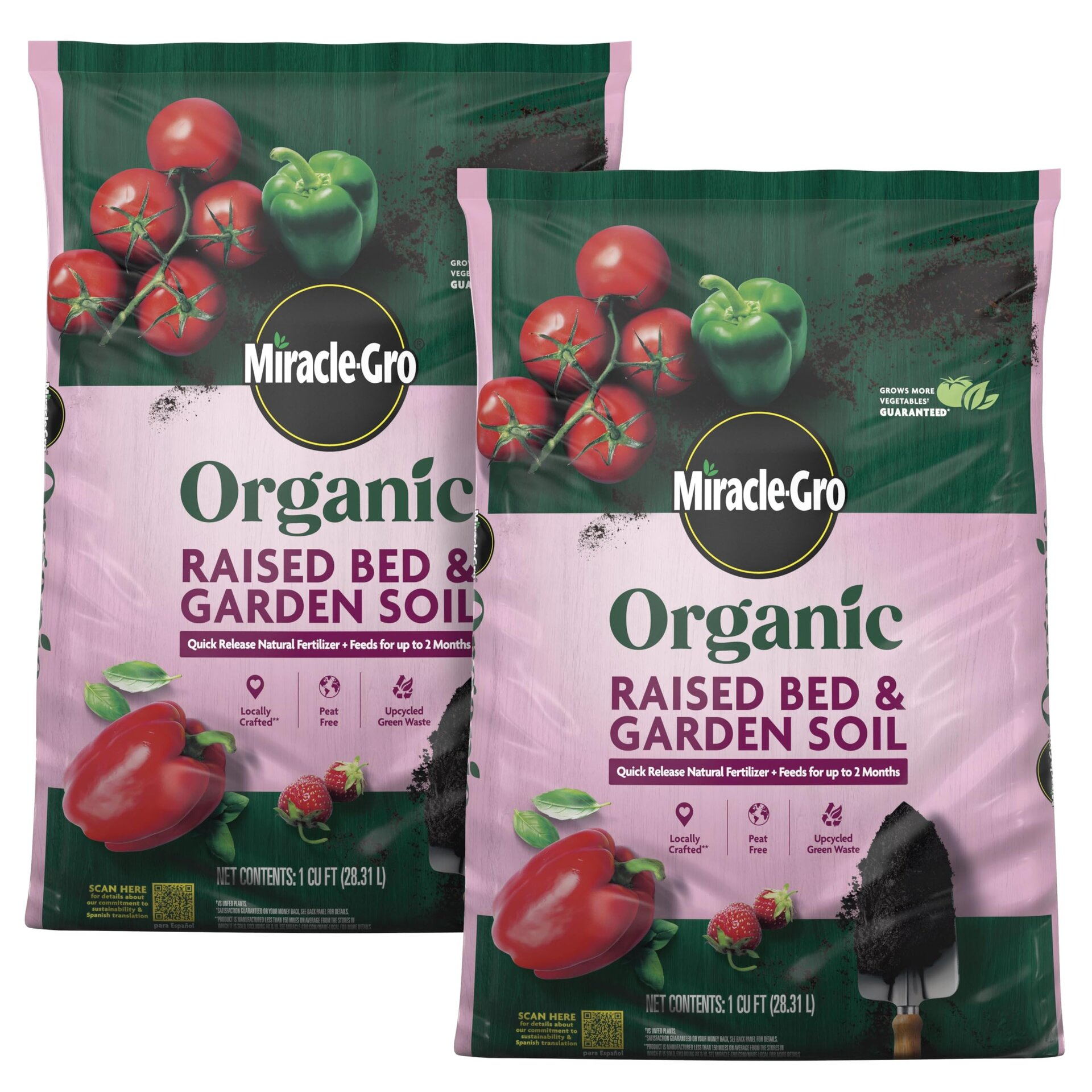
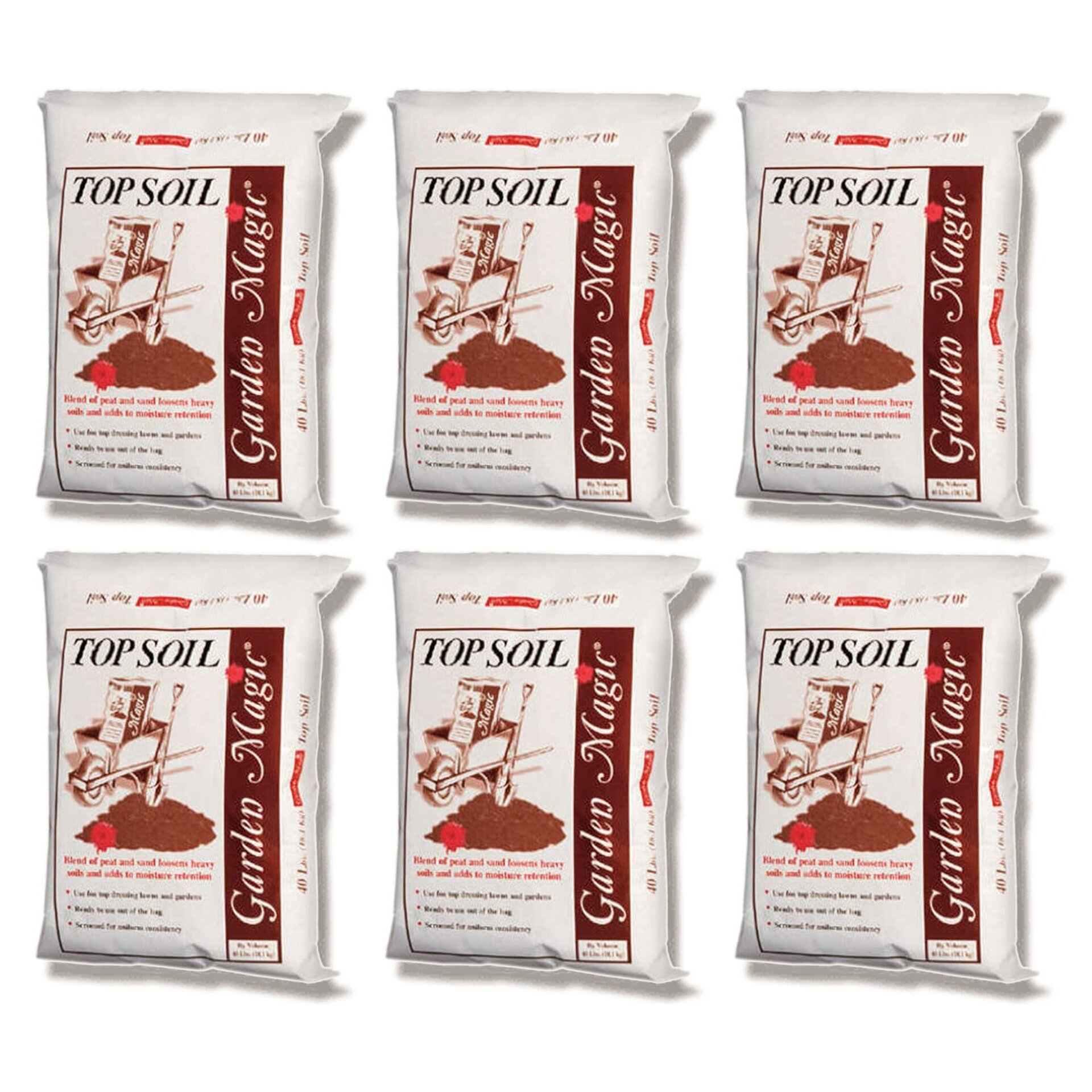
We touched on the unit price, but let’s talk about the real-world experience. Bagged soil is seductive. It’s clean. It’s stacked neatly. You can throw a few bags in the back of a sedan. But the cost adds up fast. In 2026, a standard 1.5 cubic foot bag of generic garden soil averages $3 to $6. Premium organic brands can hit $10 to $15 per bag. If you need 10 cubic feet for a small project, that’s 7 bags. At $5 each, you’re spending $35. That’s $3.50 per cubic foot.
Bulk soil, delivered by a dump truck, is a different beast. The material cost is lower, often $30 to $50 per yard for good quality mix. But there are delivery fees. Most yards charge $50 to $100 for delivery, depending on distance. Some waive it if you order over a certain amount, like 10 yards. So, if you order 5 yards of soil at $40/yard, that’s $200 for soil plus $75 for delivery. Total: $275. That’s 5 yards, or 135 cubic feet. Your cost per cubic foot drops to about $2.03.
However, bulk soil has hidden labor costs. You need to move it. Do you have a wheelbarrow? A strong back? Friends who owe you favors? If you have to rent a skid steer or hire labor to spread it, that savings evaporates quickly. Bagged soil is heavy, but it’s portable. Bulk soil is a project. For many urban gardeners with limited access or no storage space for a giant pile, bags are the only option, regardless of the higher per-foot price. It’s a trade-off between cash and sweat.
Location and Logistics: Why Your Zip Code Matters
You might find a great price online, but can they deliver to your house? Location is a huge driver of soil costs in 2026. Urban centers often have higher prices due to higher operating costs for suppliers and stricter regulations on dumping and transport. Rural areas might have cheaper raw materials, but delivery distances can rack up mileage fees. If you live more than 20 miles from a supply yard, expect to pay a premium.
Access is another factor. Can a large dump truck fit down your driveway? If not, you might need a "mini-dump" or a conveyor belt service, which can add $100 or more to the bill. Some neighborhoods have HOA rules or city permits required for large deliveries. These bureaucratic hurdles don’t change the price of the soil, but they change the total cost of the project. Always check access before you order. I’ve seen people order 10 yards of dirt only to realize the truck couldn’t turn into their alley.
Regional availability plays a role too. In areas with abundant local composting facilities, blended soils are cheaper. In arid regions where organic matter is scarce, you might pay more for imported peat or coconut coir. Local market dynamics matter. It’s worth calling three different suppliers. Ask for the "out-the-door" price, including tax and delivery. Don’t just compare the per-yard rate. A slightly higher per-yard price with free delivery might be cheaper overall than a low price with a hefty freight charge.
Quality Indicators: What You Get for Your Money
So, how do you know if the soil is worth the price? Cheap soil is often just dug-up subsoil. It might be gray or clay-heavy. It compacts easily, suffocating roots. Good topsoil should be dark, crumbly, and smell earthy. It shouldn’t smell like sulfur or rotten eggs, which indicates poor processing. When buying bulk, ask if it’s screened. Screened soil has passed through a mesh to remove stones and debris larger than a certain size (usually 1/2 inch or 3/4 inch).
For bagged soil, read the label. Look for the OMRI (Organic Materials Review Institute) seal if you are gardening organically. Check the ingredients list. Avoid mixes with "forest products" or "wood waste" as the primary ingredient unless you are mulching. These can tie up nitrogen as they decompose, starving your plants. You want a balance of compost, peat or coir, and perlite or vermiculite for drainage.
Testing is key. If you are spending hundreds on bulk soil, ask for a recent soil test result from the supplier. They should be able to provide pH levels and nutrient profiles. If they can’t, be cautious. Bad soil can set your garden back a year or more. You might spend extra on lime or sulfur to adjust pH, or fertilizers to fix nutrient deficiencies. Investing in good quality soil upfront saves money on amendments later. It’s better to pay $2 per cubic foot for great soil than $1 per cubic foot for dirt that needs a lot of work.
Smart Shopping Strategies for 2026
Want to save money? Timing is everything. Early spring is the busiest season for soil suppliers. Prices are firm, and delivery slots book up weeks in advance. Late fall, after the gardening season winds down, is often a better time to buy. Suppliers are eager to clear inventory before winter. You might negotiate a better deal or find sales on bagged goods. Some yards offer discounts for off-season pickup.
Consider community resources. Many municipalities have composting programs that sell high-quality compost to residents at a fraction of the commercial cost. It might not be a complete soil mix, but mixing 50% local compost with 50% cheaper topsoil can create a fantastic growing medium for half the price of a pre-mixed blend. Check with your local public works department or extension office.
Finally, calculate precisely. Use an online calculator to determine exactly how many cubic feet you need. Measure length, width, and depth in feet. Multiply them together. Divide by 27 to get cubic yards. Add 10% for settling and spillage. Over-ordering is common, and while extra soil is nice, paying for 20% more than you need hurts the budget. Under-ordering is worse, forcing you to buy expensive small batches to finish the job. Measure twice, buy once. And don’t forget to ask about return policies for unused bulk material, though this is rare.
At the end of the day, soil is an investment. It’s the foundation of your garden’s health. In 2026, you can expect to pay anywhere from $0.50 to $5.50 per cubic foot, depending on quality, quantity, and location. Bulk buying offers significant savings for large projects, but bagged soil provides convenience for smaller spaces. The key is understanding your specific needs. Don’t buy premium potting mix for a lawn filler. Don’t buy rocky fill dirt for vegetable beds.
Take the time to measure, compare, and question suppliers. Ask about screening, ingredients, and delivery fees. Look for local deals and consider mixing your own blends if you’re ambitious. A little research goes a long way. Your plants will thank you, and so will your bank account. Gardening is hard work, but figuring out the soil cost shouldn’t be the hardest part. Now, go get your hands dirty.