
Let’s be real for a second. Life is hectic. Between work deadlines, family obligations, and just trying to find five minutes to breathe, the last thing you probably want to do on a Saturday morning is drag a heavy hose across the lawn or spend hours pulling weeds from flower beds. You look out your window and see that patch of dirt or that tired-looking lawn, and instead of feeling inspired, you feel… tired. It’s a common feeling. We all want that Pinterest-perfect outdoor space, that little slice of nature where we can sip our coffee and forget about the world, but who has the time?
Here is the good news. You don’t need to be a master gardener. You don’t even need to like gardening. What you need is a strategy that works with your busy life, not against it. Enter the dynamic duo of the modern landscape: succulents and gravel. It’s not just a trend; it’s a lifestyle shift that’s gaining massive traction in 2026 as more people realize that "low effort" doesn’t have to mean "low style." This combination creates a resilient, beautiful, and almost self-sustaining ecosystem right in your backyard.
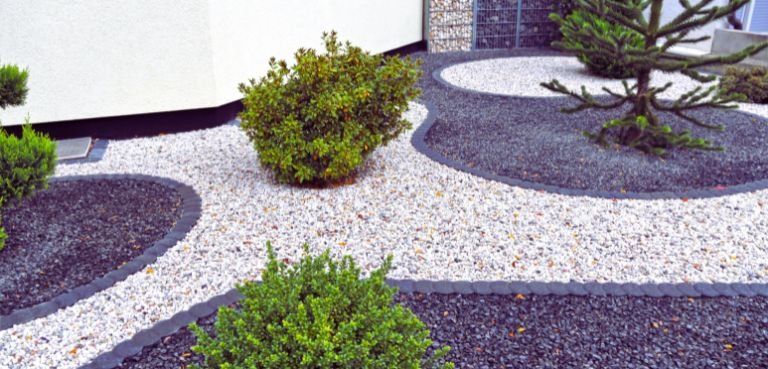
Imagine stepping outside and seeing a sculptural arrangement of fleshy, vibrant plants nestled among smooth, neutral stones. No mud. No messy mulch that needs replacing every spring. Just clean lines, interesting textures, and plants that actually want to survive. It’s an oasis that asks very little of you but gives back so much in terms of calm and visual pleasure. Let’s dive into why this pairing is the ultimate hack for the time-poor homeowner.
The Science of Simplicity: Why This Combo Just Works
At its core, this landscaping approach is about working with nature rather than fighting it. Succulents are specialized plants. They store water in their leaves, stems, or roots, which allows them to thrive in arid conditions where other plants would wilt and die. When you pair them with gravel, you’re mimicking their natural habitat. Think of the rocky slopes of Mexico or the dry plains of South Africa. That’s where these plants evolved, and that’s exactly what they crave.
Gravel isn’t just a pretty face, either. It serves a critical functional purpose. Unlike organic mulch, which breaks down over time and can hold too much moisture against plant stems (leading to rot), gravel provides excellent drainage. It allows water to pass through quickly, ensuring that the succulent roots don’t sit in soggy soil. This is crucial because the number one way to kill a succulent is by loving it too much—specifically, by overwatering it. Gravel acts as a barrier, keeping the crown of the plant dry while still allowing moisture to reach the roots when it does rain or when you decide to give them a drink.
Furthermore, gravel suppresses weeds naturally. While it won’t stop every single seed from germinating, it creates a hostile environment for weed growth. Without soil on the surface, weed seeds struggle to take root. And if a few do pop up? They’re incredibly easy to pull from loose stone compared to digging them out of compacted earth or tangled mulch. This means less bending, less pulling, and more time enjoying your space. It’s a system designed for efficiency, reducing the three biggest time-sucks in gardening: watering, weeding, and soil amendment.
Choosing the Right Plants for Zero-Stress Beauty
Not all succulents are created equal, especially when it comes to outdoor living. If you live in an area with cold winters, you can’t just pick up any cute echeveria from the grocery store and expect it to survive January. You need to choose hardy varieties that can handle your specific climate. For many homeowners in 2026, the go-to choices are sedums, sempervivums (commonly known as hens-and-chicks), and certain types of stonecrop. These plants are tough as nails. They can withstand freezing temperatures, scorching heat, and long periods of neglect.
Sedums, in particular, are fantastic ground covers. Varieties like ‘Dragon’s Blood’ or ‘Autumn Joy’ spread nicely, filling in gaps between rocks and creating a carpet of color that changes with the seasons. Hens-and-chicks are another stellar option. They grow in tight rosettes and produce offsets (the "chicks") that fill in space naturally. This means your garden literally grows itself over time. You plant a few, and within a year or two, you have a dense, lush display without having to buy more plants. It’s nature’s free landscaping service.
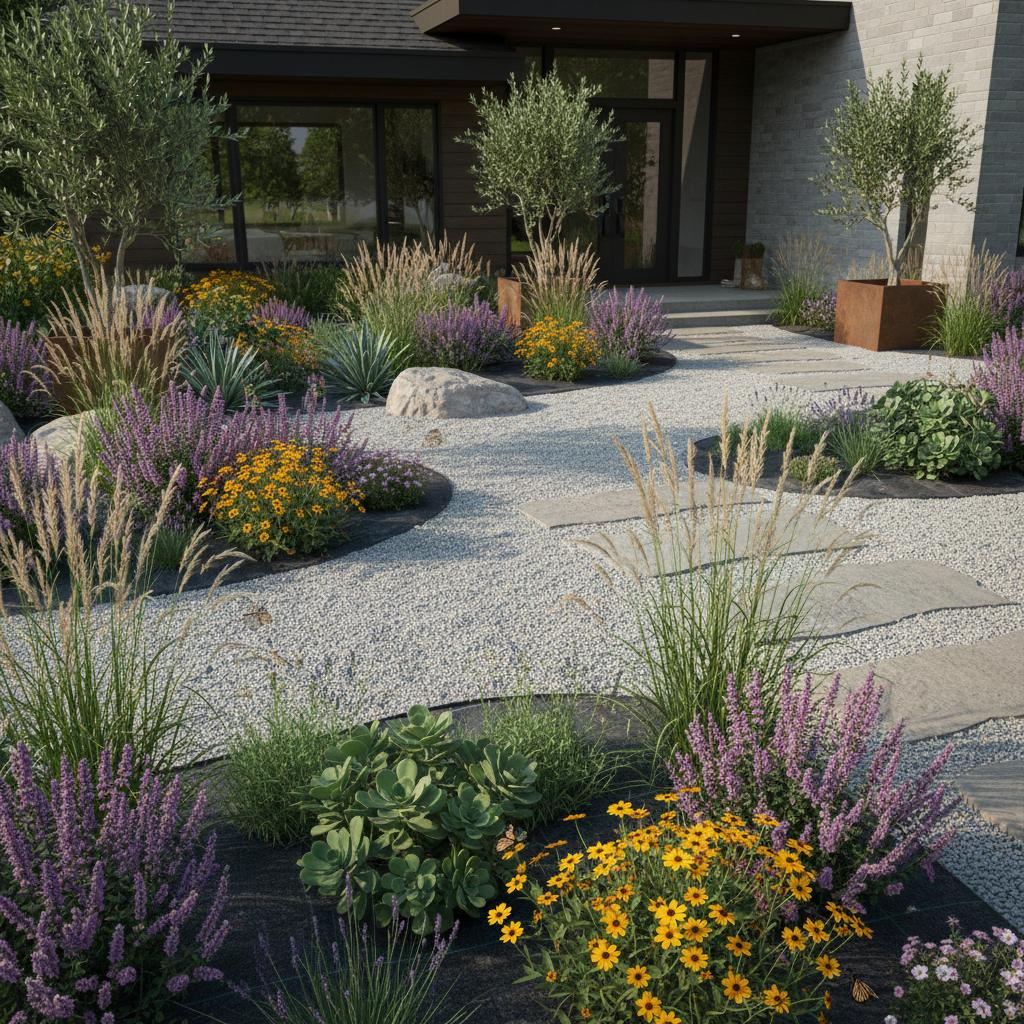
For those in warmer climates, you have even more options. Agaves, aloes, and larger echeverias can add dramatic architectural interest. These plants have bold shapes and striking silhouettes that look amazing against the uniform texture of gravel. The key is to mix heights and textures. Don’t just plant one type. Combine the spiky verticality of an agave with the low, spreading habit of a sedum. Add some trailing varieties like string of pearls (if protected) or creeping thyme for softness. This variety creates visual depth and keeps the eye moving, making the garden feel curated and intentional rather than random.
Design Principles: Making It Look Intentional, Not Accidental
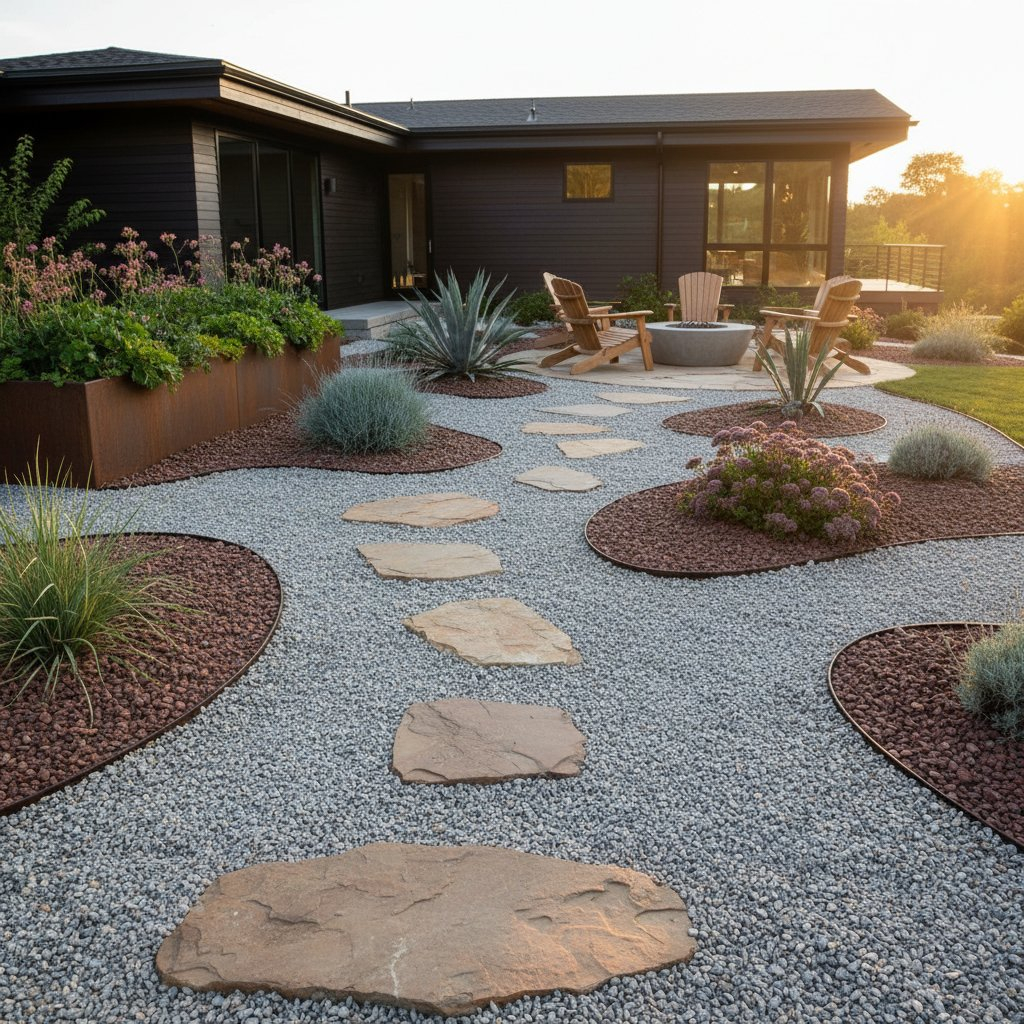
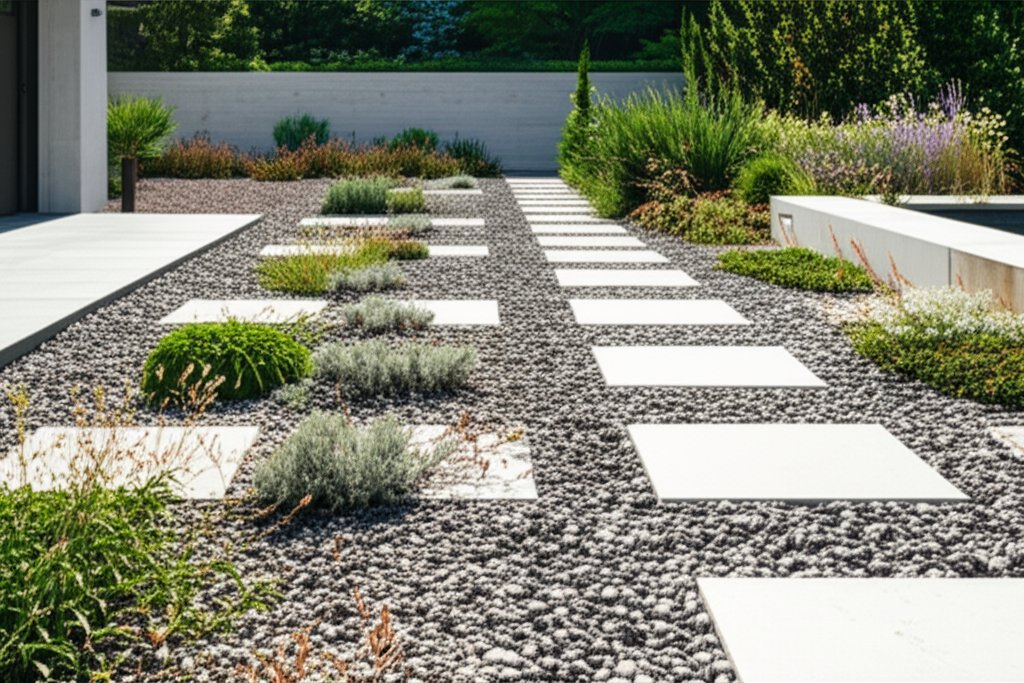
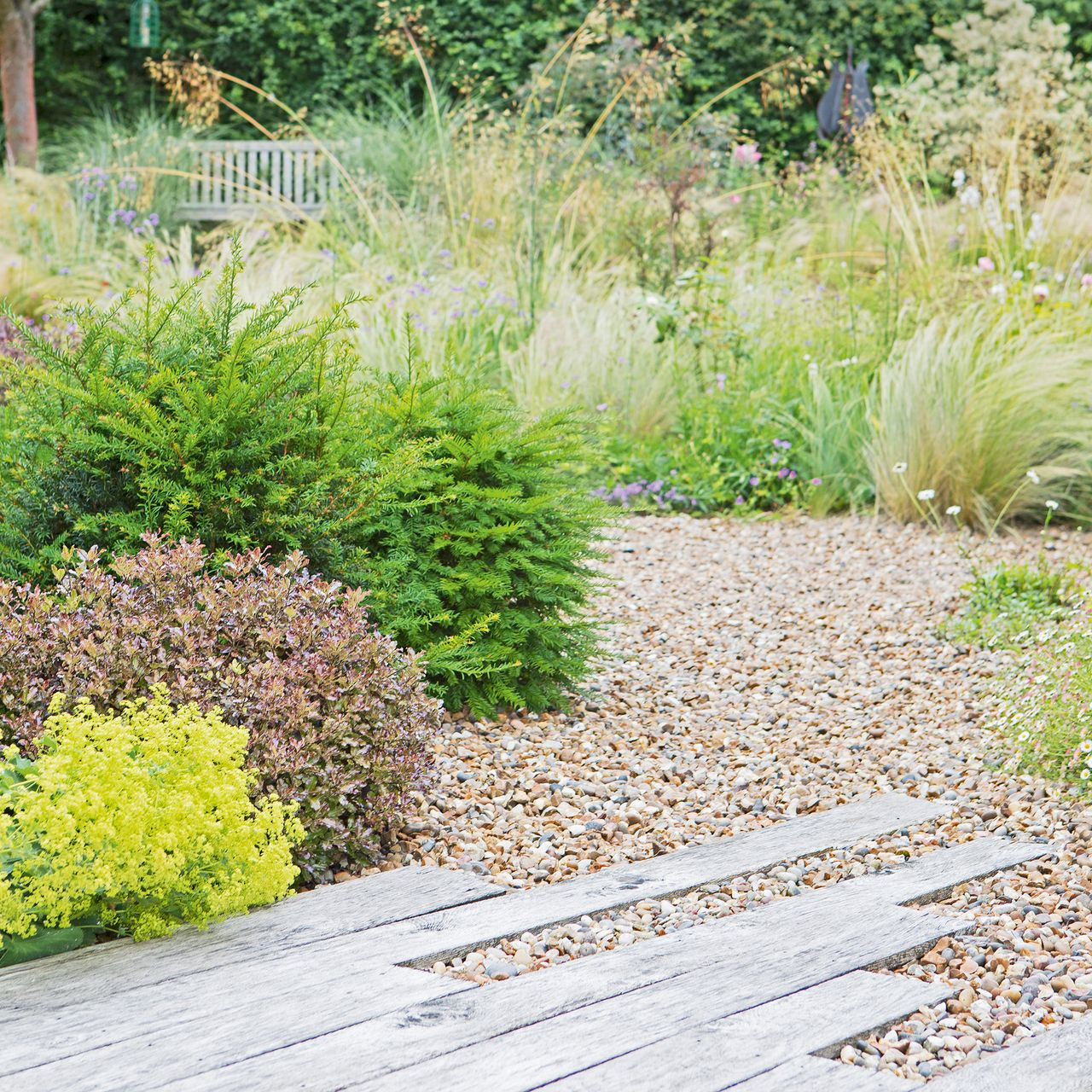
One of the biggest fears people have when switching to a gravel garden is that it will look like a construction site or a driveway. Avoiding that "accidental pile of rocks" look requires a bit of design thought. The secret is contrast and repetition. Start by choosing a gravel color that complements your home’s exterior. Light gray granite chips look modern and crisp, while reddish-brown lava rock adds warmth and earthiness. Pea gravel is popular for its smooth texture and ease of walking, but larger river rocks can create a more dramatic, rugged feel.
Layout matters, too. Instead of scattering plants randomly, try grouping them in odd numbers—clusters of three, five, or seven. This creates focal points and feels more natural to the human eye. Think of your gravel bed as a canvas. Use larger rocks or boulders as anchor points. These static elements provide structure and permanence. Nestle your succulents around these rocks, letting them spill over the edges slightly. This softens the hardscape and integrates the living elements with the non-living ones.
Don’t forget about negative space. In traditional gardening, we often try to fill every inch with plants. In a gravel garden, the empty space is part of the design. The gravel itself is a visual element. Allow for breathing room between plant clusters. This minimalism is what gives the garden its calming, Zen-like quality. It’s not cluttered. It’s clean. You can also add non-plant elements for interest, such as a piece of driftwood, a simple solar lantern, or a weathered ceramic pot. These small touches add personality without adding maintenance.
Water Wisdom: Saving Resources and Your Back
In 2026, water conservation isn’t just a nice idea; it’s a necessity in many parts of the world. Traditional lawns are thirsty beasts, requiring gallons of water weekly to stay green. A succulent and gravel garden, on the other hand, is incredibly water-wise. Once established, many hardy succulents require little to no supplemental watering, relying entirely on rainfall. This drastically reduces your water bill and your environmental footprint.
But how do you water them during those initial months or during extreme droughts? The answer is deep and infrequent watering. Forget the daily sprinkle. Succulents prefer a good soak followed by a long dry period. This encourages their roots to grow deep into the soil, searching for moisture, which makes them more resilient. A drip irrigation system on a timer can be a great investment if you want total automation. Set it to run once every two or three weeks, depending on your climate, and let it do the work.
The gravel layer also helps here. It reduces evaporation from the soil surface, keeping the moisture where the roots can use it for longer. This means when you do water, the effect lasts. You’re not wasting water on surface evaporation or runoff. It’s a highly efficient system. Plus, without a lawn to mow, you’re saving fuel or electricity from your mower, reducing noise pollution, and cutting down on carbon emissions. It’s a win for your wallet, your back, and the planet.
Maintenance Myths: What You Actually Need to Do
Let’s address the elephant in the room: is it truly zero maintenance? Well, almost. The term "low effort" is more accurate. You won’t be spending your weekends battling nature, but you will need to do occasional check-ins. The good news is that these tasks are quick and satisfying. First, debris removal. Leaves from nearby trees or wind-blown dirt can accumulate on the gravel. A leaf blower on a low setting or a simple rake can clear this in minutes. Keeping the gravel clean prevents organic matter from breaking down and turning into soil, which would invite weeds.
Second, plant health checks. Walk through your garden once a month. Look for any signs of rot, pest damage, or overcrowding. If a succulent looks leggy or stretched out, it might not be getting enough sun. If it’s mushy, it’s getting too much water. Catching these issues early is easy when you’re just taking a casual stroll. Pruning is minimal. Mostly, you’ll just be removing dead leaves from the bottom of the plants. These dried leaves can sometimes harbor pests, so peeling them off keeps the plants healthy and tidy.
Finally, occasional replenishment. Over several years, gravel can settle or get mixed with soil. You might need to top it off with a fresh bag or two every few years to keep that crisp, clean look. But compare that to the annual task of stripping and replacing mulch in a traditional bed, or the weekly chore of mowing and edging a lawn. The time savings are astronomical. You’re trading hours of labor for minutes of attention. That’s a trade-off most busy homeowners are happy to make.
Take Sarah, a marketing executive from Austin, Texas. She used to dread her backyard. It was a patchy lawn that burned brown in the summer heat, requiring constant watering and reseeding. "I felt guilty every time I turned on the sprinkler," she says. "And I never had time to enjoy it because I was always working on it." In early 2025, she ripped out the grass and installed a gravel garden with native agaves and sedums. "The change was instant," she recalls. "Now, I walk out, see something blooming, and just sit. I haven’t touched a hose in months. It’s liberating."
Then there’s Mark and Jen, a couple with two young kids in Seattle. Their challenge wasn’t heat, but rain and shade. They worried succulents wouldn’t work. But by choosing hardy sempervivums and using well-draining gravel raised beds, they created a playful, textured space. "The kids love climbing on the big rocks, and we don’t worry about them ruining the plants," Jen explains. "It’s durable. It’s muddy-free. And it looks cool, not like a typical suburban yard. We’ve actually saved money on landscaping services because we don’t need them anymore."
These stories aren’t unique. Across the country, homeowners are discovering that this approach fits their lives. It’s not about giving up on beauty; it’s about redefining it. It’s about creating spaces that support your well-being rather than draining your energy. Whether you have a tiny patio balcony or a sprawling backyard, the principles remain the same. Choose tough plants, use smart hardscaping, and let go of the perfectionist ideal of a manicured lawn. The result is a space that feels personal, peaceful, and uniquely yours.
So, where do you start? You don’t have to do it all at once. Pick one small area. Maybe that troublesome strip along the side of the house, or a corner of the patio that collects puddles. Clear it out. Lay down some landscape fabric to prevent weeds. Add your gravel. Plant a few hardy succulents. Step back. Breathe. You’ve just created your own low-effort oasis. And honestly? You deserve it.