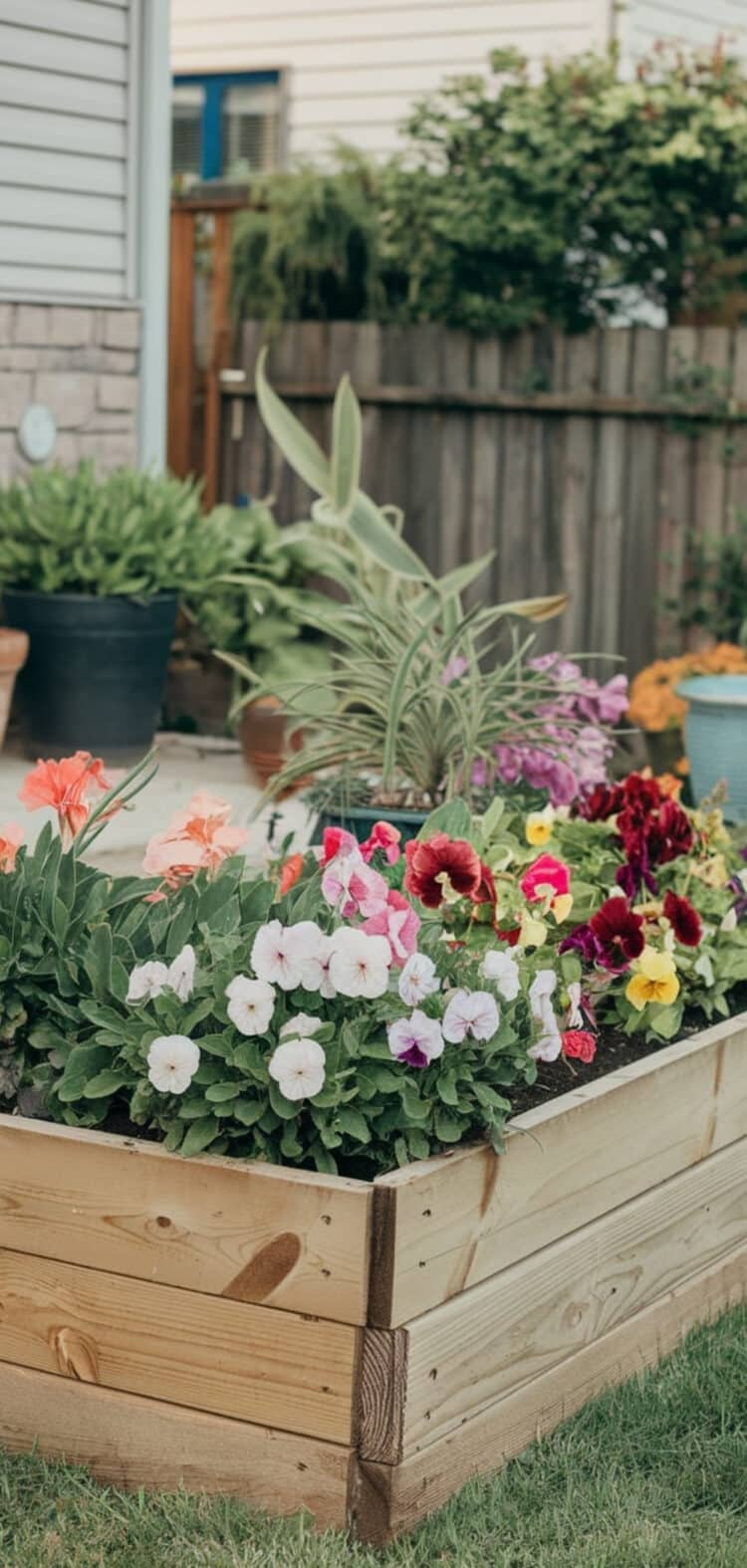

Ever look at your front yard and just feel tired? Not the good kind of tired after a long hike, but the heavy, sinking feeling that you have another chore staring you down. The grass needs mowing. The weeds are winning. And those petunias you bought last spring? Yeah, they’re looking pretty sad. It’s 2026, and honestly, nobody has time for high-drama gardening. We’re all trying to do more with less—less money, less water, and way less effort.
But here’s the secret: your front yard doesn’t have to be a burden. It can actually be the best part of your day. Imagine stepping out to grab the mail and being greeted by colors that don’t demand your attention every five minutes. Plants that thrive on neglect. Sounds like a dream, right? It’s not. It’s just smart gardening. And the best part? You don’t need a landscape designer’s budget to make it happen. In fact, spending less often leads to healthier, hardier plants. Let’s dig in.
Rethinking the Lawn: Less Grass, More Glory
For decades, the standard suburban look was a carpet of green grass right up to the sidewalk. But in 2026, that idea is shifting fast. Grass is thirsty. It’s hungry. And it demands constant haircuts. By shrinking your lawn, you immediately cut your workload and your water bill. Think of your front yard not as a lawn with some flowers in it, but as a garden with some paths through it.
Start by mapping out where you actually walk. Do you really need grass under that oak tree where nothing grows anyway? Probably not. Expand your flower beds into those awkward corners. Use a hose to outline new, curvy bed shapes. Curves look more natural and are easier to mow around than sharp angles. You can smother the existing grass with cardboard and mulch—a technique called sheet mulching—instead of renting a sod cutter. It’s free, effective, and builds soil health over time. Just layer wet newspaper or plain cardboard over the grass, top it with compost, and then add your mulch. Wait a few months, and you’ve got a blank canvas ready for planting.
This approach also helps with runoff. With climate patterns getting weirder every year, having more permeable surface area means rain soaks into the ground instead of flooding the street. Plus, you get more room for the fun stuff: the flowers. By reducing the turf, you’re not just saving money on gas and fertilizer; you’re buying yourself freedom. Freedom from the mower’s roar on Saturday mornings. That’s a trade-off worth making.
The Thrifty Plant Palette: Native and Tough
Here’s where most people go wrong. They buy what looks pretty in the plastic pot at the big-box store, bring it home, and then wonder why it dies by July. Those flashy annuals are divas. They need constant water, deadheading, and feeding. Instead, look to plants that are already adapted to your area. Native plants are the ultimate frugal choice because they’ve evolved to survive your local weather and pests without your help.
In 2026, native nurseries are more accessible than ever, but you don’t even need to spend much there. Check local plant swaps or community garden giveaways. Many towns have "native plant rescue" groups that dig up plants from construction sites before they’re bulldozed. You can get established perennials for free. Look for tough performers like Coneflowers (Echinacea), Black-eyed Susans (Rudbeckia), and Sedum. These plants have deep roots that drought-proof them once established. They also support local bees and butterflies, which adds a layer of purpose to your garden.
Don’t sleep on shrubs, either. A well-placed shrub provides structure year-round, unlike perennials that die back in winter. Consider dwarf varieties of native bushes like Blueberry or Serviceberry. They offer flowers, fruit for the birds (and you), and fall color. And remember, bigger isn’t always better when buying. A small "liner" plant will catch up to a gallon-sized one in just two seasons, often with less transplant shock. Patience saves cash. It’s a virtue in gardening, and in your wallet.
Soil Hacks: Feed the Earth, Not the Plant
You’ve probably heard the saying, "Feed the soil, not the plant." It sounds like hippie wisdom, but it’s pure economics. Healthy soil holds water better, meaning you water less. It has nutrients locked up in organic matter, meaning you buy less fertilizer. If you’re starting from scratch or renovating an old bed, skip the bagged chemical fertilizers. They’re expensive and can actually harm the microbial life in your dirt.
Compost is gold. But you don’t need to buy it by the truckload. Start a simple pile in the back corner of your yard. Toss in kitchen scraps (no meat or dairy), leaves, and grass clippings. In six months, you’ve got black, crumbly goodness. While that’s cooking, use leaf mold. In the fall, rake up leaves and shove them into garbage bags with some holes poked in them. Leave them for a year. You’ve got free, excellent soil conditioner. Mix this into your beds before planting. It improves drainage in clay soils and water retention in sandy ones.
Another trick? Mulch heavily. But not with those bright red dyed wood chips that fade and look tacky. Use shredded hardwood or, even better, arborist wood chips. Many tree trimming companies will drop off a pile of chips for free if you ask. They just want to get rid of them. Spread these chips 3-4 inches deep around your plants. This suppresses weeds (saving you hours of pulling), keeps roots cool, and slowly breaks down to feed the soil. It’s the ultimate multi-tasker. And it’s basically free. Can’t beat that.
Water Wisdom: Set It and Forget It
Water is getting pricier, and in many places, restrictions are tighter in 2026. So, efficiency is key. The goal is to get your garden to a point where it rarely needs supplemental watering. This starts with plant selection (see section two), but it also depends on how you water. Hand-watering with a hose is inefficient and time-consuming. Sprinklers waste water to evaporation and wind.
Drip irrigation is the way to go. It sounds technical, but it’s actually super simple. You can buy basic DIY kits at hardware stores for under $50. These systems deliver water directly to the root zone of each plant, drop by drop. No waste. No wet leaves (which means less disease). Once installed, you can put it on a timer. Set it to run early in the morning, twice a week for twenty minutes. Then, forget it. Check it occasionally for clogs or leaks, but otherwise, let it do the work.
If you’re on a tight budget, start small. You don’t need to irrigate the whole yard. Just set up drip lines for your newest plants or the thirstiest spots. As your plants establish their deep roots over the first year or two, you can reduce the frequency. Eventually, many native beds only need water during extreme droughts. Also, consider installing a rain barrel. Even a small one can capture enough runoff from your roof to keep a few beds going during a dry spell. It’s free water from the sky. Why not use it?
Design for Laziness: Clumps and Layers
A messy garden looks like work. A designed garden looks intentional. But design doesn’t mean rigid rows or complicated patterns. In fact, the best low-maintenance design mimics nature. Think in drifts and clumps. Instead of planting one of this and one of that, plant three or five of the same plant together. This creates a visual impact that’s pleasing to the eye and makes weeding easier because you know exactly what belongs there.
Layering is also crucial. Put taller plants in the back (or center, if it’s an island bed), mid-height plants in the middle, and low growers in the front. This creates a dense canopy that shades the soil, preventing weed seeds from germinating. When plants touch leaves, they form a living mulch. It’s beautiful and functional. Use groundcovers like Creeping Phlox or Wild Ginger to fill in gaps. They spread out and choke out weeds, saving you from endless bending and pulling.
Avoid fussy plants that need deadheading. Sure, removing spent flowers can encourage more blooms, but do you really want to spend your weekends snipping off dead heads? Choose plants that look good even when they’re done flowering. Ornamental grasses, for example, turn golden in the fall and provide winter interest. Seed heads on coneflowers feed birds in winter. Let them stand. It’s less work for you and more food for wildlife. Embrace the "messy" aesthetic. It’s trendy, it’s ecological, and it’s easy.
We’ve been taught that a good garden is a tidy garden. Prune everything! Cut it back! Clean up every leaf! Stop. Most of this advice is outdated and creates more work than necessary. In 2026, we know that leaving plant stems standing over winter provides habitat for beneficial insects and bees. Cutting everything to the ground in fall destroys their homes. Wait until late spring to cut back dead stalks. You’ll see new growth emerging from the base, and you won’t accidentally chop off your perennials.
Weeding is the bane of every gardener’s existence. But if you’ve mulched well and planted densely, you shouldn’t have many weeds. When you do see one, pull it immediately. Don’t let it go to seed. "One year’s seeds equals seven years’ weeds" is an old saying that holds true. Spend five minutes a week pulling weeds rather than five hours once a month fighting an invasion. It’s about consistency, not intensity.
And please, stop fertilizing with synthetic chemicals. It forces plants to grow fast and weak, making them susceptible to pests and disease. Let them grow at their own pace. Strong, slow-growing plants are tougher. If a plant gets sick or dies, don’t panic. Remove it and try something else. Gardening is an experiment. Failure is just data. Learn from it and move on. Don’t throw good money after bad trying to resuscitate a plant that clearly hates your spot. Swap it out for something tougher.
So, there you have it. Creating a beautiful front yard doesn’t require a fortune or a full-time job. It requires a shift in perspective. Work with nature, not against it. Choose plants that want to be there. Build healthy soil. Water wisely. And let go of the need for perfection. Your garden should be a source of joy, not stress. By following these frugal, low-maintenance principles, you’ll find yourself spending less time working and more time actually enjoying your space. Maybe sitting on the porch with a cup of coffee, watching the bees buzz around the coneflowers. That’s the real reward. And it’s free.