
Ever feel like you’re fighting a losing battle against those green invaders? You pull one dandelion, and three more seem to pop up overnight. It’s exhausting. And honestly, it takes the joy right out of gardening. We’ve all been there, kneeling in the dirt, wondering if we’ll ever get ahead. But here’s the thing: you don’t have to wage war. In fact, the best gardeners aren’t the ones pulling the most weeds. They’re the ones who stopped the weeds from showing up in the first place.
The real secret isn’t a magic spray or a new tool. It’s about changing how you think about your soil. When you focus on building a healthy, living ecosystem, weeds naturally take a backseat. It’s not about killing; it’s about crowding out. By using simple, natural barriers and choosing the right plants, you can slash weed growth by up to 98 percent. Sounds too good to be true? It’s not. It’s just working with nature instead of against it. Let’s dig into how you can reclaim your time and your garden this season.
The Power of Smothering with Mulch
If there’s one thing you take away from this, let it be this: mulch is your best friend. But not just any mulch, and not just a thin sprinkle. We’re talking about a thick, generous layer—about three to four inches deep. Why so thick? Because weeds need light to germinate. Block the light, and you block the weed. Studies show that organic mulch like straw can cut weed growth by a whopping 90 percent. Wood chips are nearly as effective, reducing annual weeds by around 70 percent. That’s a huge difference in how much time you spend bending over.
But here’s where people mess up. They put down an inch of bark and wonder why the crabgrass still comes through. Don’t do that. Go heavy. Use straw, shredded leaves, wood chips, or even pine needles depending on what you’re growing. Not only does this stop weeds, but it also keeps moisture in the soil. Your plants will thank you during those hot summer days. Plus, as the mulch breaks down, it feeds the soil. It’s a win-win-win situation. Just make sure to keep the mulch a few inches away from plant stems to prevent rot.
Another trick? Layering. Some gardeners swear by the "lasagna method." You lay down cardboard or several layers of newspaper first, then top it with your mulch. The cardboard acts as an extra barrier, blocking even the toughest perennial weeds. It decomposes over time, adding carbon to your soil. It’s cheap, effective, and uses materials you probably already have lying around. Just wet the cardboard down before covering it so it stays in place and starts breaking down faster.
Choosing Plants That Fight for You
Think of your garden like a crowded party. If there are empty spaces, unwanted guests (weeds) will slip in. But if the dance floor is packed with your favorite people (your plants), there’s no room for intruders. This is called "living mulch" or using ground covers. Instead of bare soil, plant dense, low-growing perennials that spread out and shade the ground. Weeds hate shade. They struggle to compete with established plants that have deep root systems and broad leaves.
In 2026, more gardeners are turning to tough-as-nails perennials that do double duty. Think creeping thyme, sedum, or pachysandra. These plants are beautiful, sure, but they’re also aggressive in the best way possible. They form a tight mat that leaves zero space for dandelions or chickweed. Imagine walking through a carpet of fragrant thyme instead of dodging prickly weeds. It changes the whole vibe of your outdoor space. You get beauty and protection in one package.
Don’t forget about your vegetable patches, either. Interplanting is a game-changer. Grow lettuce or spinach between your taller tomato plants. As the tomatoes grow, the lower crops fill in the gaps. By the time the tomatoes need full sun, the lettuce is harvested, and you can replace it with another quick-growing crop. This constant coverage means weeds never get a foothold. It’s about keeping the soil busy. Nature abhors a vacuum, so fill it with what you want, not what you don’t.
Timing Is Everything: Catch Them Young
Let’s be real. Sometimes weeds still sneak through. Maybe a bird dropped a seed, or a wind gust carried one in. When that happens, timing is your secret weapon. The key is to catch them when they’re tiny. A small weed is easy to pull. A large weed with a deep taproot? That’s a workout. Try to check your garden once a week. It doesn’t have to be a long session. Just ten minutes with a hand fork can save you hours later.
There’s a pro tip here: pull weeds after it rains. The soil is soft and loose, making it much easier to get the whole root out. If you leave even a small piece of the root behind, many weeds will just grow back. It’s frustrating. So, wait for that rain, or water your garden deeply the day before you plan to weed. Your back will love you for it. And if you’re using a hoe, do it on a sunny, dry day. Cutting the weeds off at the surface lets them dry out and die quickly in the sun.
Another approach is the "stale seed bed" technique. Before you plant your veggies in spring, prepare the soil as if you were planting. Water it. Wait for the weed seeds to germinate. Then, lightly hoe them all down before they get big. Now, plant your actual crops. You’ve cleared out the first flush of weeds without disturbing your precious plants. It’s a bit of patience upfront, but it saves so much hassle during the growing season. It’s about being proactive, not reactive.
Natural Sprays for Tough Spots
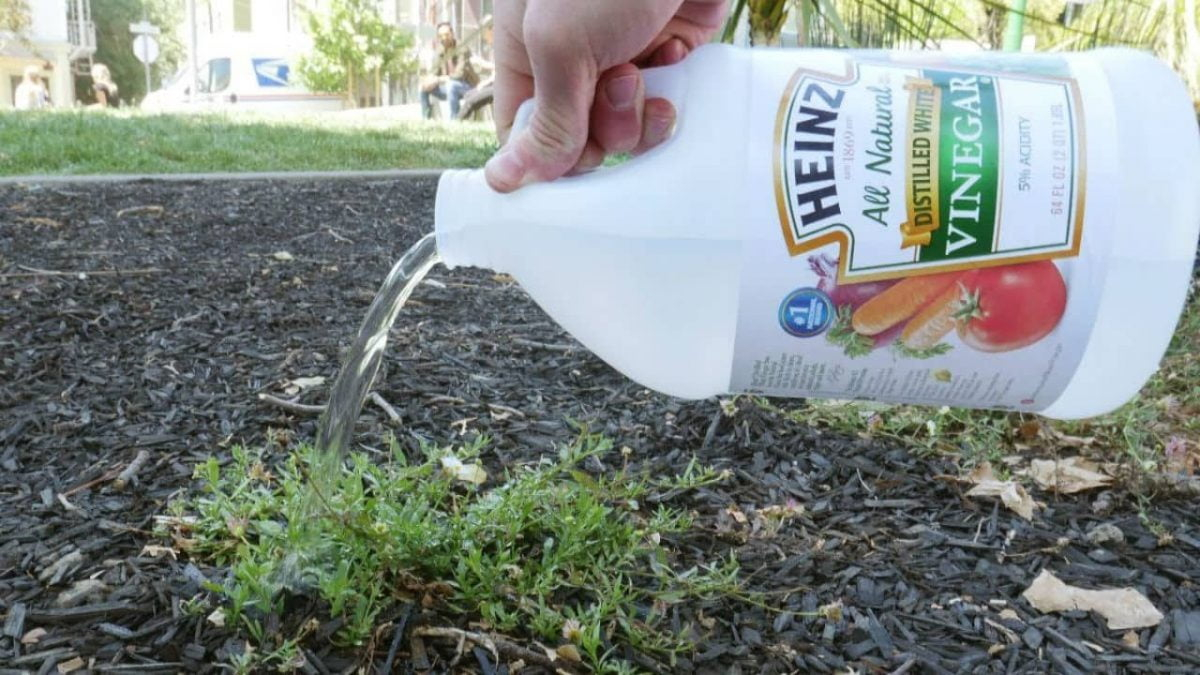
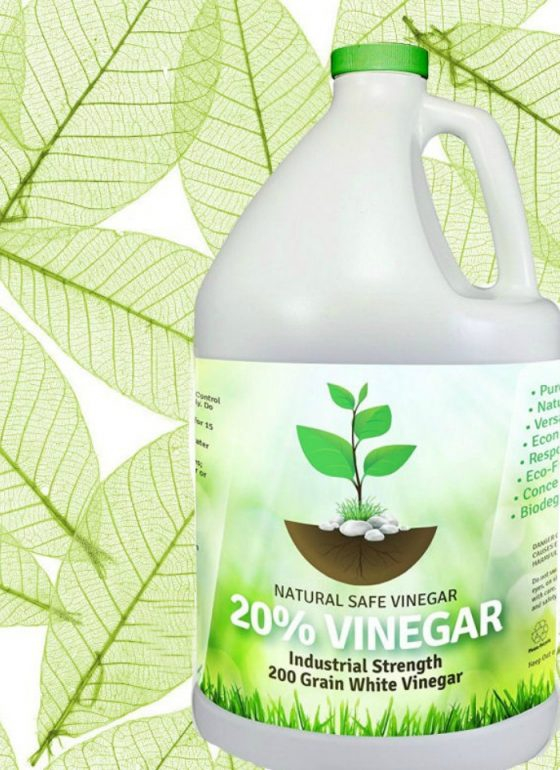
Sometimes, you have weeds in cracks of your patio or driveway where mulch won’t work. Or maybe you have a particularly stubborn patch that just won’t quit. In these cases, natural sprays can help. But be careful. Even natural ingredients can harm your soil if used incorrectly. Vinegar is a popular choice, but not the stuff in your kitchen cupboard. You need horticultural vinegar with 20-30 percent acetic acid for it to be really effective. It burns the leaves of the weed on contact.
However, vinegar is non-selective. That means it kills anything it touches, including your flowers. So, use it sparingly and precisely. A paintbrush works wonders for applying it directly to the weed leaves. Avoid spraying on windy days to prevent drift. Also, know that vinegar usually only kills the top growth. Perennial weeds with deep roots might come back. You may need to repeat the application. It’s not a permanent fix, but it’s a good tool for spot treatment.
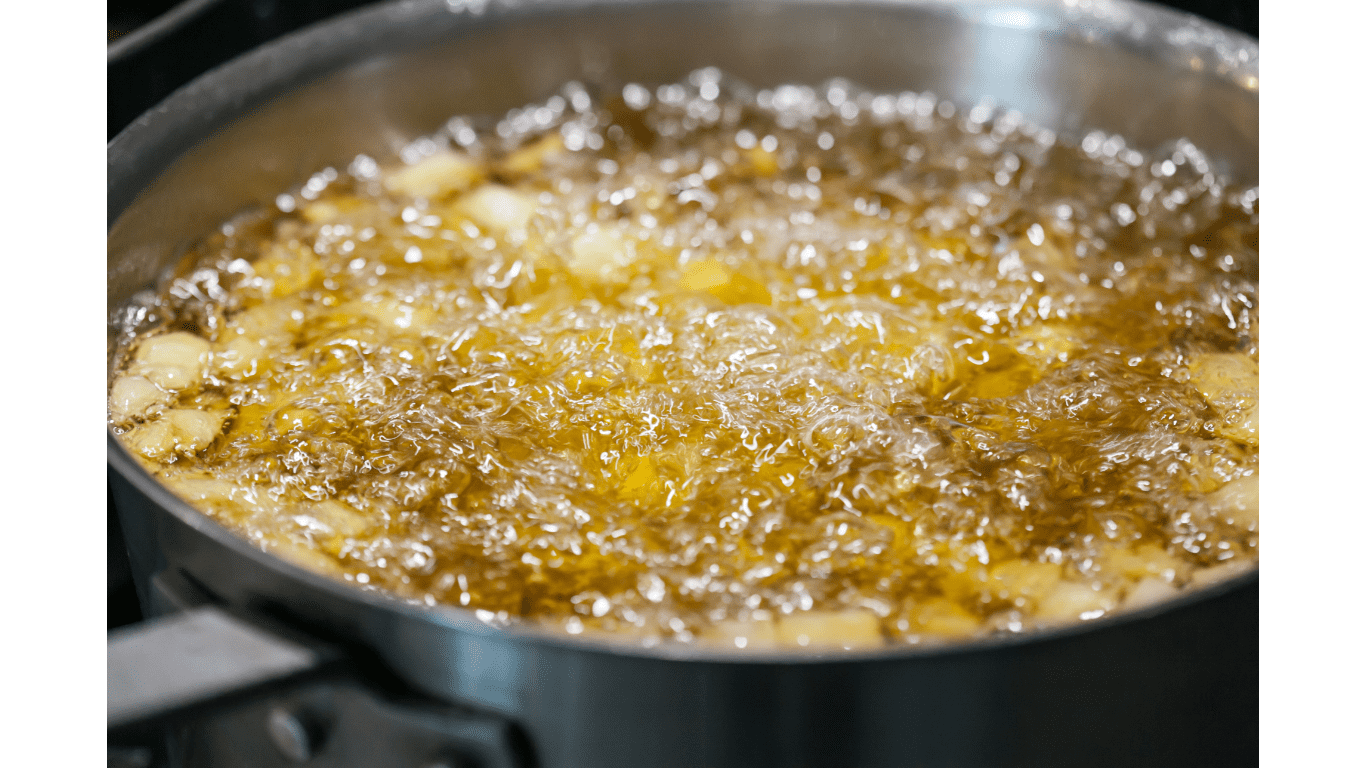
Boiling water is another old-school trick that works surprisingly well. Pouring a kettle of boiling water directly onto weeds in pavement cracks scalds them instantly. It’s free, safe, and leaves no residue. Just be super careful not to splash yourself or nearby plants. It’s best for isolated weeds rather than large areas. Remember, the goal isn’t to sterilize your garden. It’s to manage problem spots without resorting to harsh chemicals that kill beneficial insects and soil life. Keep it targeted.
Building Healthy Soil from the Ground Up
Here’s a truth that often gets overlooked: weeds are symptoms, not just pests. They thrive in poor, compacted, or unbalanced soil. Dandelions, for instance, often appear in soil that lacks calcium or is too compacted. Their deep roots try to break up the hardpan. Clover shows up when nitrogen is low. Instead of just killing the weed, ask yourself what it’s trying to tell you. Improving your soil health is the long-term solution to weed problems.
Start by testing your soil. You can buy simple kits or send samples to a local extension office. Knowing your pH and nutrient levels helps you add exactly what’s missing. Add compost regularly. Compost introduces beneficial microbes that help plants absorb nutrients better. Strong, healthy plants outcompete weeds naturally. They grow faster and denser, leaving no room for invaders. It’s about creating an environment where your desired plants thrive and weeds struggle.
Avoid tilling too much. Tilling brings dormant weed seeds to the surface, where they get the light they need to sprout. No-till or low-till gardening methods are gaining popularity for this reason. By layering compost on top and letting worms do the work, you keep weed seeds buried. This also preserves the soil structure and moisture. It’s a gentler approach that mimics how forests grow. Over time, your soil becomes rich and spongy, resisting weed colonization almost on its own.
Gardening isn’t a one-and-done task. It’s a relationship. The more you observe your garden, the better you understand its rhythms. Notice where weeds tend to cluster. Is it a shady corner? A dry spot? Address the underlying condition. Maybe that spot needs a shade-loving ground cover, or perhaps it needs more water. By tweaking the environment, you make it less hospitable for weeds. It’s about working smarter, not harder.
Consistency is key. Spending fifteen minutes a day in your garden is far more effective than spending five hours once a month. You’ll spot problems early. You’ll notice if a plant is struggling before it dies. You’ll enjoy the process more because it feels manageable. Gardening should be relaxing, not a chore list that stresses you out. When you stay on top of things, the big weeding sessions become unnecessary. You’re maintaining, not rescuing.
Finally, be kind to yourself. You won’t eliminate every single weed. And that’s okay. A few weeds won’t hurt your garden. In fact, some can attract beneficial insects. The goal is control, not perfection. Aim for a garden that feels abundant and healthy, not sterile. By using these natural methods—mulching, smart planting, timely removal, and soil building—you’ll find that weeds become a minor annoyance rather than a major headache. You’ll have more time to sit back, sip your coffee, and actually enjoy the blooms.
So, take a deep breath. Look at your garden with fresh eyes. See the potential for balance. Start small. Pick one bed to mulch heavily. Plant one patch of ground cover. Watch what happens. You might be surprised at how quickly things change. The real secret was never about fighting nature. It was about joining forces with it. And in 2026, that’s the smartest way to grow. Happy gardening.