
Ever walked through a garden that just felt… right? Like the path knew exactly where it was going, and you were just along for the ride. It’s not about grand designs or expensive contractors. It’s about the little things. The way a flat stone sits in a bed of dark bark. The crunch under your foot. That’s the charm we’re talking about.
You don’t need a green thumb the size of a shovel to pull this off. Honestly, some of the best-looking paths I’ve seen were done by people who just wanted a clean place to walk without tracking mud into the house. It’s practical. It’s pretty. And in 2026, with everyone looking for ways to make their outdoor spaces feel like an extension of their living room, this combo is having a major moment. Let’s dig in.
Why This Duo Works So Well Together
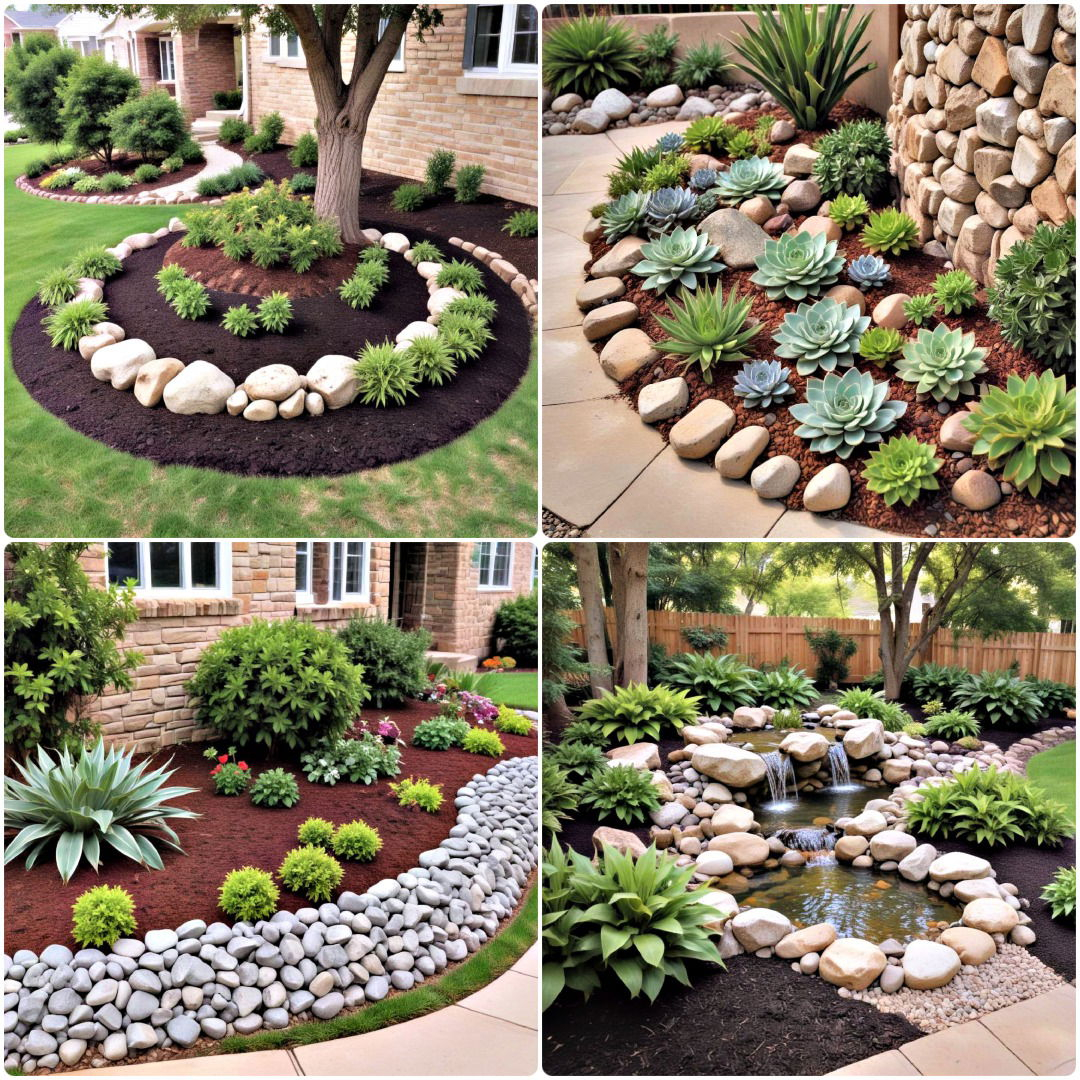
Think of stepping stones and mulch like peanut butter and jelly. They’re good on their own, sure. But together? Magic. The stones give you structure. They tell your feet where to go. They provide a solid, dry surface so you aren’t hopping over puddles after a rainstorm. Mulch, on the other hand, is the softener. It fills in the awkward gaps. It makes the whole thing look intentional, not just like someone dropped a bunch of rocks in the dirt and called it a day.
There’s also the practical side, which is huge. Mulch holds moisture in the soil. If you have plants lining your path, they’ll thank you for it. It also stops weeds from popping up everywhere. We all know how much time weeding steals from our weekends. A thick layer of mulch means less bending over and more enjoying the view. Plus, it’s cheap. Really cheap. You can cover a massive area with just a few bags, making it one of the most cost-effective landscaping hacks out there right now.
And let’s not forget the texture contrast. Smooth stone against rough bark or soft wood chips creates visual interest. It draws the eye. It makes a small yard feel deeper and a large yard feel more intimate. It’s a simple trick, but it works every single time. You get the durability of hardscaping with the warmth of softscaping. Best of both worlds.
Picking the Right Materials for Your Vibe
Not all stones are created equal. And neither is mulch. Before you haul anything home, think about the vibe you want. Do you want something rustic and wild? Go for irregular flagstone or slate. These natural materials have jagged edges and varied colors that blend seamlessly into a garden setting. They look like they’ve been there forever. Plantisima notes that these organic touches create a "secret garden" feel, especially when you let grass or creeping thyme peek through the cracks.
On the flip side, if you’re into modern minimalism, round concrete pavers are your friend. They’re uniform. Clean. You can even get creative with them. Willtiptop recently highlighted a trend where people paint moon phases on round concrete stones. Imagine walking down a path that glows softly under garden lights, guided by the crescent moon. It’s whimsical. It’s personal. And it’s surprisingly easy to do with some outdoor paint and stencils.
For the mulch, you’ve got options too. Cedar mulch smells amazing and repels insects naturally. Hardwood mulch breaks down slower and gives a rich, dark color that makes green plants pop. Rubber mulch is durable and doesn’t decompose, but it doesn’t add nutrients to the soil. For most home gardens, organic wood-based mulch is the winner. It feeds the earth as it breaks down. Just make sure it’s aged properly so it doesn’t steal nitrogen from your plants while decomposing.
Layout Patterns That Don’t Look Boring
Here’s where people mess up. They line the stones up like soldiers. Straight line. Equal spacing. Boring. Nature doesn’t do straight lines, and neither should your path if you want it to feel natural. Try staggering the stones. Offset them like bricks in a wall, but looser. Or, go for a random scatter pattern. Place the stones where your natural stride falls. Walk the path yourself before you set anything in stone (pun intended). Mark the spots with spray paint. See how it feels.
Varying the distance between stones adds rhythm. A cluster of two stones close together, then a bigger gap, then a single stone. It slows people down. It makes them look around. The Backyard Pros mentions that this structured yet casual approach works in almost any yard because it mimics how we actually walk. We don’t march. We meander.
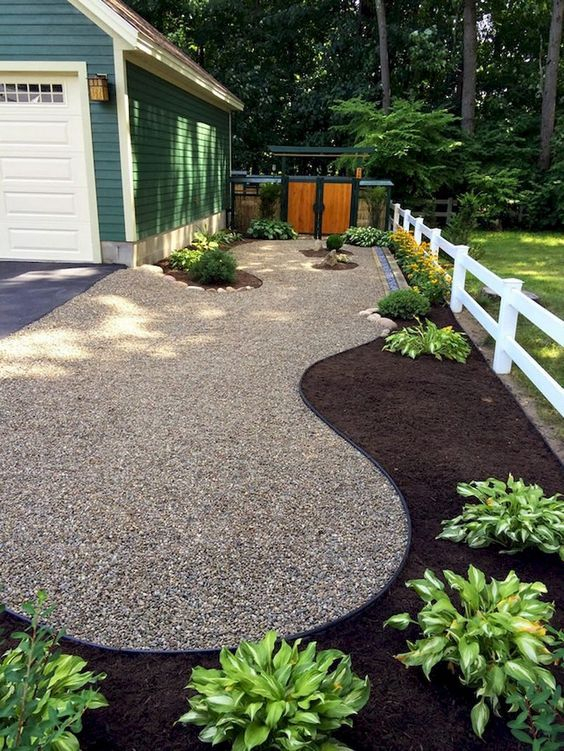
If you’re working with a narrow space, like a side yard, keep the stones centered. Let the mulch border them on both sides. This creates a hallway effect that guides the eye forward. In wider beds, you can create branching paths. A main walkway with smaller spur paths leading to specific plants or seating areas. It turns your garden into a journey rather than just a destination. Play with the angles. A slight curve is always more inviting than a hard 90-degree turn.
Installation Tips for a Path That Lasts
You might be tempted to just toss the stones on the grass and dump mulch around them. Don’t. Well, you can, but they’ll sink. They’ll wobble. And within a year, you’ll be tripping over uneven pavers. Take the extra hour to do it right. Start by marking your path with a hose or rope. Then, remove the sod or topsoil where the stones will sit. You only need to go down about two to three inches.
Create a stable base. Some people use sand, which is great for leveling. Others prefer a thin layer of gravel for drainage, topped with sand. Press the stone into the base. Wiggle it a bit to settle it. Use a level to make sure it’s flat. You don’t want water pooling on top. Once the stones are set, pack the mulch tightly around the edges. This helps hold the stones in place and keeps the mulch from washing away during heavy rains.
One pro tip? Use landscape fabric underneath the mulch but cut holes for the stones. This adds an extra layer of weed protection. However, if you want ground cover plants to grow between the stones, skip the fabric in those spots. Let nature do its thing. Just keep the mulch layer about two to three inches thick. Too thin, and weeds will punch through. Too thick, and it can suffocate plant roots near the edges. Balance is key.
Adding Personality With Color and Light
Your path doesn’t have to be just gray stone and brown mulch. Think about color. Dark mulch makes light-colored stones stand out dramatically. Light mulch, like pine straw or shredded cedar, creates a softer, more subtle look with darker basalt stones. You can also mix mulch colors. Maybe use a darker shade near the house and transition to a lighter shade further out. It creates depth.
Lighting changes everything at night. Solar-powered path lights are easier than ever in 2026. Stick them in the mulch between stones. Or, tuck small LED spotlights under nearby shrubs to uplight the stones from the side. The shadow play is gorgeous. Willtiptop mentioned those moon-painted stones glowing under soft lights—it’s a perfect example of how lighting turns a functional path into a feature.
Don’t forget accessories. A small statue nestled in the mulch. A cluster of river rocks around a tree base that connects to the path. Painted stones with inspirational words. These little touches make the space feel lived-in and loved. It’s your canvas. Treat it like one. Even something as simple as raking the mulch into neat swirls around the stones can elevate the look from "I threw this down" to "I designed this."
The beauty of this setup is the low maintenance, but it’s not no maintenance. Mulch breaks down. It fades. It gets kicked around by dogs and kids. Once a year, usually in spring or fall, top off the mulch. You don’t need to replace it all. Just add a fresh inch on top. This keeps the color vibrant and the weed suppression strong. It’s the easiest facelift your garden can get.
Stones might shift over time, especially after a harsh winter or heavy storms. Walk the path occasionally. Kick any wobbly stones back into place. If a stone has sunk, lift it, add a bit more base material underneath, and reset it. It takes five minutes. Ignoring it leads to tripping hazards and a sloppy look.
Watch for weeds. Even with mulch, a few sneaky ones will find a way. Pull them early. Don’t let them go to seed. If you notice the mulch compacting and losing its fluffy texture, fluff it up with a rake. This allows air and water to penetrate better. It also makes the path look cared for. A little bit of attention goes a long way. You’re not just maintaining a path; you’re curating an experience.
So, there you have it. Stones and mulch. Simple. Affordable. Effective. It’s not about perfection. It’s about creating a space that invites you outside. A place where you can walk barefoot in the summer evening and feel connected to the ground beneath you. Whether you go for the moonlit concrete pavers or the rugged slate amidst cedar chips, the result is the same: a garden that feels like home.
Start small. Pick one section. Maybe the walkway to your front door. Or the path to the compost bin. Make it nice. See how it feels. Then expand. You’ll be surprised at how much joy a well-placed stone can bring. And hey, if you make a mistake? Just move the stone. That’s the beauty of it. It’s flexible. Just like us.