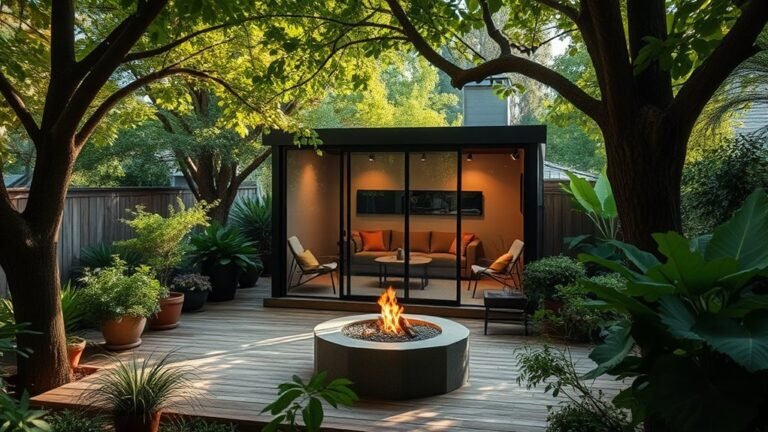

Ever walked into your backyard and felt like you were stepping into a cave? You’re not alone. For years, we’ve been told that sun equals happy gardens. But what if the problem isn’t the lack of light, but how we’re treating the space? A shady yard doesn’t have to be a damp, forgotten corner. It can be the coolest spot in the house—literally and figuratively. In 2026, more homeowners are ditching the struggle against nature and starting to work with it. Instead of fighting for sun-loving roses that just won’t thrive, they’re embracing the moody, lush vibe that only shade can provide.
It’s easy to feel stuck when your outdoor space feels dark and unwelcoming. Maybe you’ve tried planting grass that turned brown, or shrubs that got leggy and sad. But here’s the secret: shade is actually a design opportunity. It offers relief from the heat, creates natural privacy, and provides a canvas for textures and colors that pop in low light. You don’t need a massive budget or a degree in horticulture to fix it. You just need a few clever tricks to shift the perspective. Let’s look at how you can turn that gloomy patch into your favorite place to hang out.
Rethink Your Plant Palette for Depth and Texture
The biggest mistake people make in shady areas is trying to force sun-lovers to survive. Stop doing that. It’s a losing battle. Instead, lean into plants that actually want to be there. Hostas are the classic choice, sure, but they’re just the beginning. Think about ferns, which add a feathery, soft texture that looks expensive but costs very little. In 2026, gardeners are also loving heuchera, or coral bells, because their leaves come in deep purples, limes, and silvers that glow even when the sun goes down.
Layering is key here. Don’t just plant one row of stuff. Mix tall background plants like astilbe with mid-height ferns and low-growing ground covers like creeping jenny or moss. This creates a sense of depth. When you have different heights and leaf shapes, the eye has somewhere to travel. It makes the space feel bigger and more intentional. Plus, many shade plants are incredibly low maintenance. Once they’re established, they mostly just sit there and look good. That’s a win for anyone who’d rather relax than weed.
Another pro tip? Focus on foliage over flowers. While impatiens and begonias are nice, they come and go. Foliage is permanent. A big-leafed hydrangea or a structural Japanese maple gives you year-round interest. If you do want blooms, go for white or light-colored flowers. They reflect what little light is available, acting like natural lanterns in the dimness. It’s a simple visual trick that makes the whole area feel brighter without adding a single watt of electricity.
Create Light With Strategic Hardscaping
If the ground is dark, lighten it up from below. One of the easiest landscaping secrets is using light-colored hardscape materials. Dark mulch absorbs light and makes shadows feel heavier. Swap it out for light gray gravel, crushed stone, or even pale wood chips. These materials bounce light around, making the space feel airier. It’s a small change, but the impact is huge. You’ll notice the difference immediately.
Paths are another great way to break up the monotony of a shady lawn. Instead of a vast expanse of struggling grass, create winding walkways using stepping stones or pavers. This draws the eye through the garden and gives you a reason to explore the space. In narrow side yards, this is especially effective. It turns a useless strip into a journey. You can line these paths with low-voltage solar lights. Modern solar tech in 2026 is surprisingly powerful. You can get lights that stay on all night without needing any wiring. Just stick them in the ground and forget about them.
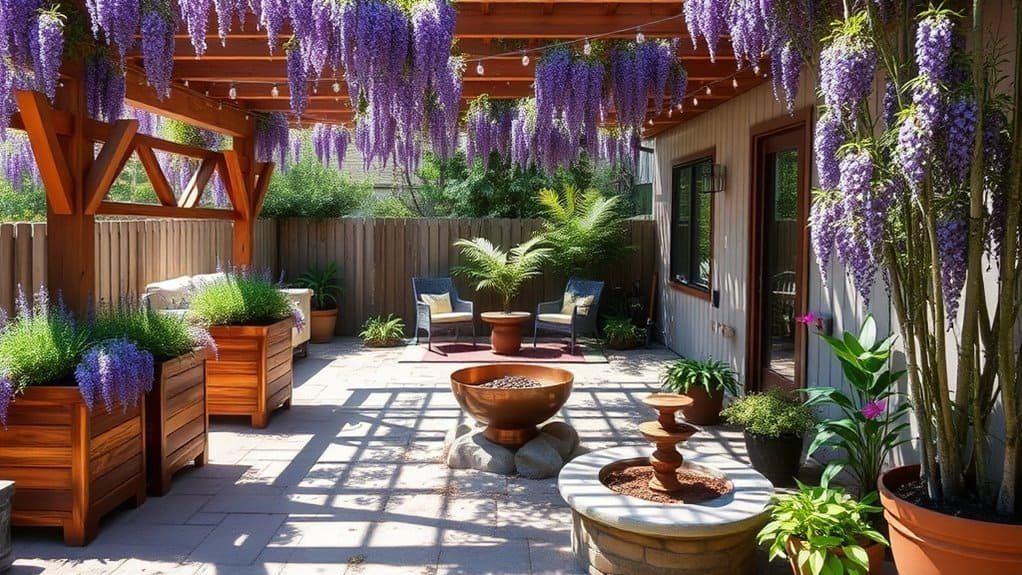
Don’t ignore vertical spaces either. A plain wooden fence can feel like a wall closing in on you. Paint it a light, neutral color like soft white or pale sage. This reflects light back into the yard. You can also add trellises with climbing vines like clematis or jasmine. These add greenery at eye level and above, drawing attention upward. When you look up, the sky feels closer, and the space feels less cramped. It’s all about manipulating where the eye goes.
Add Water Features for Sound and Movement
Shade can feel still. Too still. Sometimes it feels silent in a way that’s unsettling rather than peaceful. Adding water changes the entire energy of the space. You don’t need a massive pond. A small bubbling urn or a simple tabletop fountain works wonders. The sound of moving water masks neighborhood noise and creates a calming backdrop. It invites you to sit and listen.
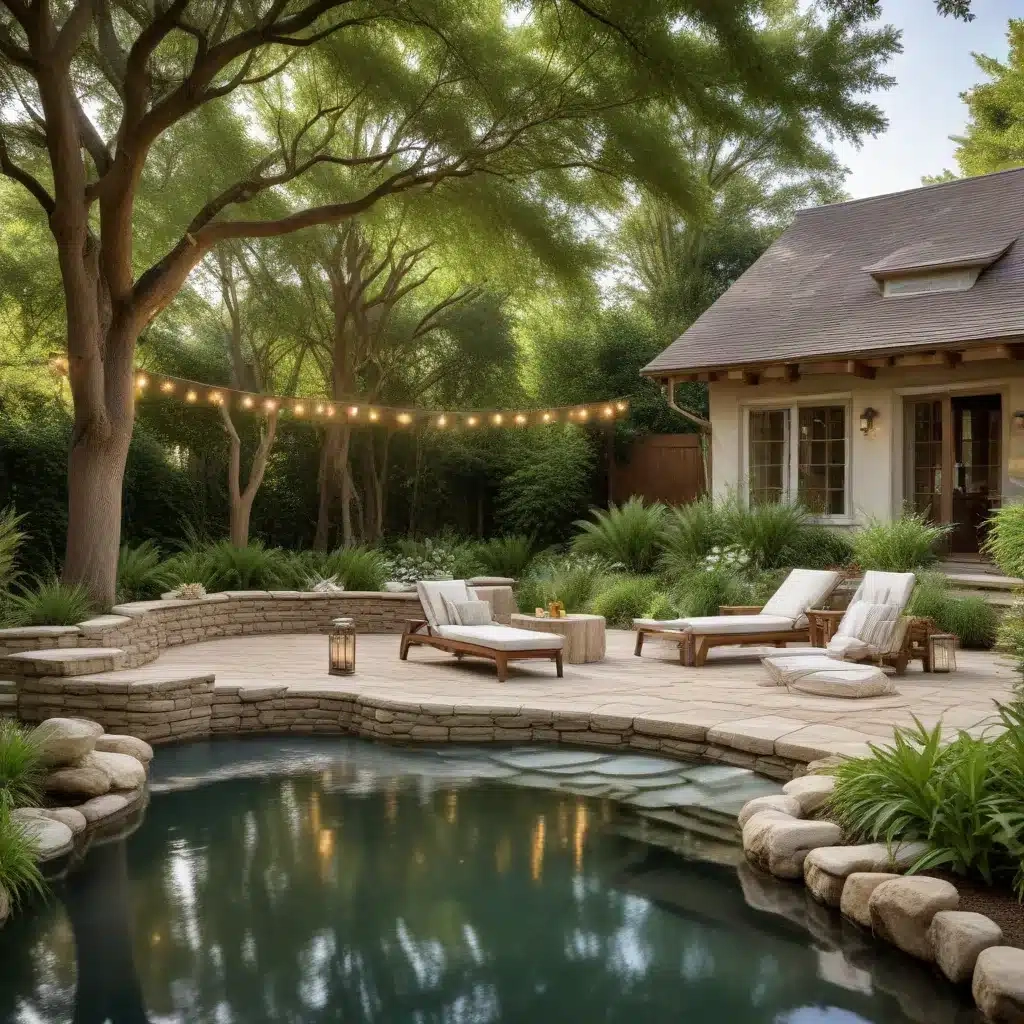
Water also reflects light. Even a small surface area catches the sky and surrounding greenery, adding sparkle to the dim corners. In 2026, self-contained water features are easier than ever to install. Many come as all-in-one kits with pumps and reservoirs hidden underground. You just dig a hole, drop it in, and plug it in. No plumbing required. It’s a weekend project that pays off every single day.
If you’re worried about mosquitoes, don’t be. Moving water doesn’t breed them. Stagnant water does. As long as your feature has a pump keeping the water circulating, you’re fine. Plus, birds and beneficial insects love water sources. You might find yourself hosting unexpected guests, which adds life and charm to your sanctuary. It turns a static garden into a living ecosystem.
Define Spaces With Outdoor Rooms
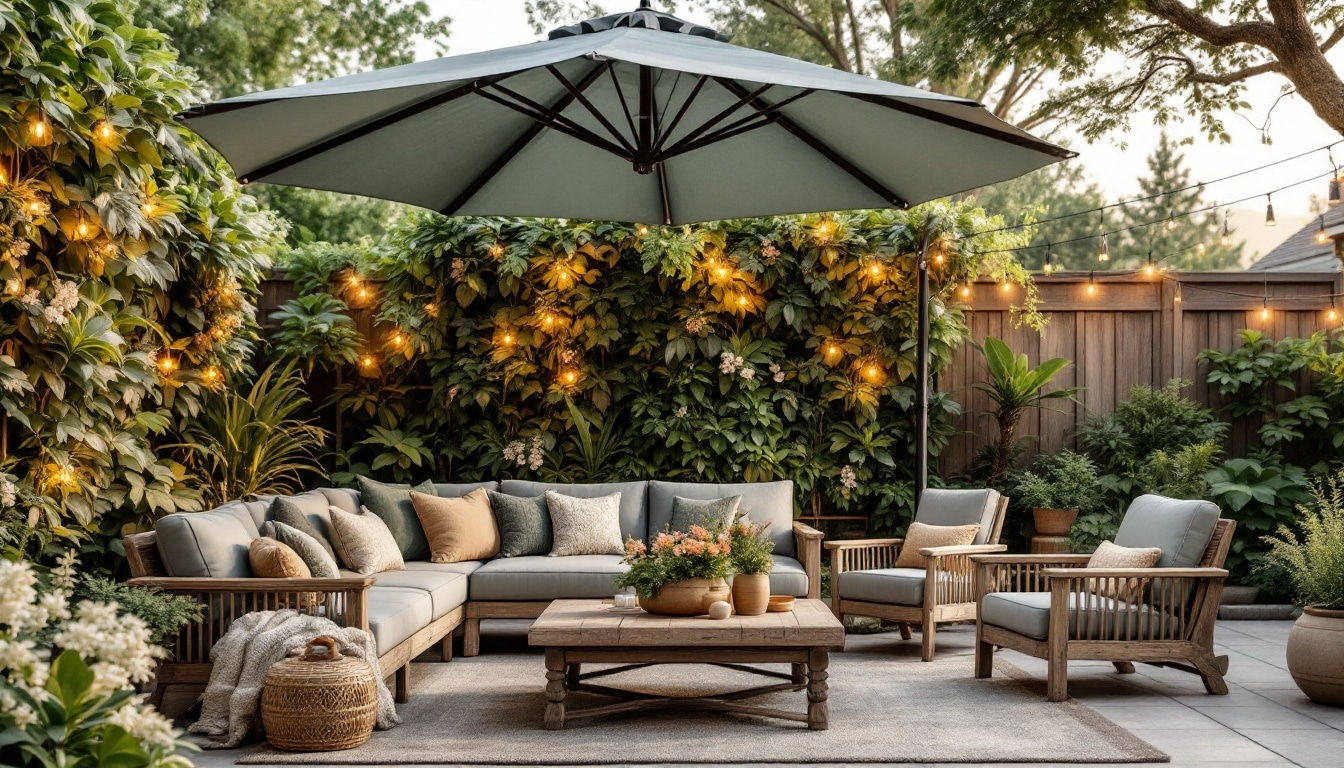
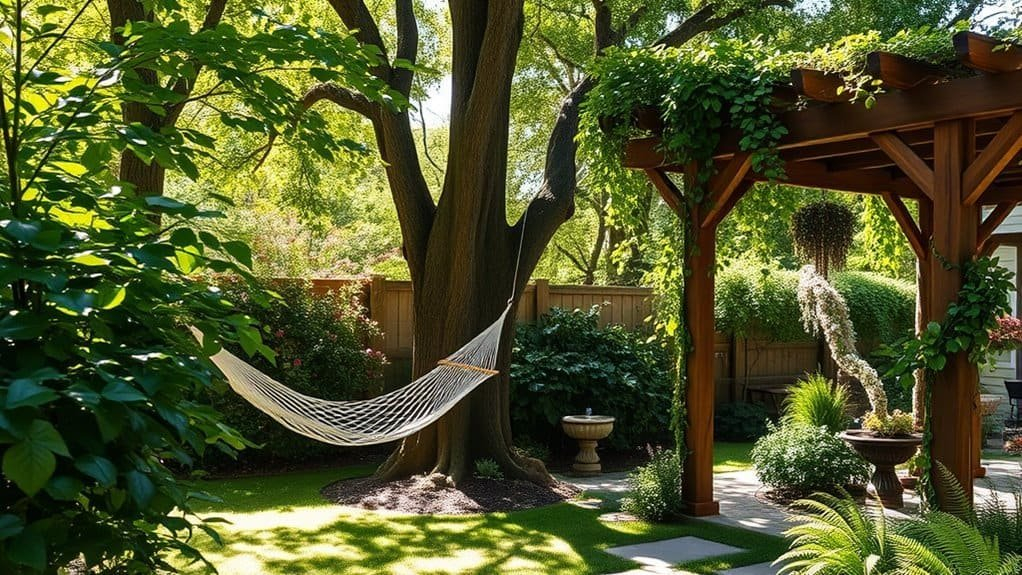
A big, empty shady yard can feel overwhelming. Break it up. Think of your backyard as a series of outdoor rooms. Use furniture, rugs, and planters to create distinct zones. Maybe one corner is for morning coffee with a small bistro set. Another area could have a hammock for afternoon naps. By defining these spaces, you make the yard feel purposeful. It’s no longer just "the back"; it’s the reading nook, the dining spot, the chill zone.
Outdoor rugs are an underrated tool. They add color and pattern to a deck or patio, anchoring the furniture and making the space feel finished. Look for durable, weather-resistant materials that can handle moisture. Since shady areas tend to stay damp longer, avoid natural fibers like jute that might rot. Synthetic blends are tough and easy to hose off.
Lighting plays a huge role here too. String lights overhead create a ceiling effect, making the space feel cozy and enclosed in a good way. Lanterns on tables add warmth at eye level. The goal is to create pockets of light that invite you in. When it gets dark, your yard shouldn’t disappear. It should transform. Soft, warm lighting makes shade feel romantic rather than eerie. It’s about controlling the atmosphere.
Use Mirrors and Visual Tricks to Expand Space
This sounds crazy, but it works. Placing outdoor-safe mirrors on fences or walls can double the visual space of a small, shady yard. They reflect the greenery and sky, creating an illusion of depth. It’s a classic interior design trick that translates perfectly outdoors. Just make sure you use mirrors designed for exterior use, or frame regular mirrors well to protect them from the elements. Position them carefully so they reflect something nice, like a plant or a light source, not a blank wall.
Color matters too. Stick to a cohesive color palette. Too many clashing colors can make a small space feel chaotic and smaller. Greens, whites, and soft blues work beautifully in shade. They feel natural and calming. If you want a pop of color, use it sparingly in accessories like cushions or pots. This keeps the focus on the lushness of the plants.
Tall, slim planters can also help. They draw the eye upward, making ceilings (or tree canopies) feel higher. Grouping plants in odd numbers—threes or fives—creates a more natural, less rigid look. It feels organic and relaxed. Avoid lining everything up in perfect rows. Nature doesn’t do straight lines, and neither should your shady retreat. Let things spill over edges. Let vines drape. Embrace the slightly wild, untamed beauty that shade encourages.
Finally, remember that less is often more. A cluttered yard feels stressful. A clean, simple design feels restful. Choose a few key elements and let them shine. Maybe it’s one stunning tree, a comfortable seating area, and a path. That’s enough. You don’t need to fill every inch. Negative space—the empty parts—is just as important as the planted parts. It gives the eye a place to rest.
Sustainability is huge in 2026. Shade gardens are naturally more water-efficient because the soil stays moist longer. Take advantage of that. Use rain barrels to collect water for dry spells. Choose native plants that support local wildlife. Compost your kitchen scraps to feed your soil. These small actions make your garden healthier and reduce your workload. It’s about working with the system, not against it.
Maintenance should be easy. If a plant requires constant fussing, replace it. Your backyard should be a place of relaxation, not a second job. Mulch heavily to suppress weeds and retain moisture. It’s the lazy gardener’s best friend. And don’t be afraid to edit. If something isn’t working, pull it out. Try something else. Gardening is an experiment. There are no failures, only lessons.
Transforming a shady backyard isn’t about fixing a flaw. It’s about uncovering potential. It’s about seeing the cool, quiet beauty that was there all along. With the right plants, some smart lighting, and a willingness to embrace the shade, you can create a space that feels like a hug. It’s personal. It’s peaceful. And best of all, it’s yours. So grab a shovel, or maybe just a chair, and start enjoying the shadow. It’s got a lot to offer.