
Think about your backyard for a second. Is it doing what you actually need it to do right now, or are you still staring at a patchy lawn wishing it had a spot for the kids—or maybe a quiet corner for yourself. Landsaping can feel incredibly overwhelming, especially when you realize your needs this year will look totally different in five years.
That is where the concept of a rolling landscape comes in. Instead of blowing your entire budget on a massive, one-time makeover, you treat your yard like a living thing that grows alongside your family. It’s all about planning in phases. By mapping out a flexible strategy today, you can build a space that effortlessly shifts from a toddler playground to a teenage hangout spot, and eventually, a peaceful adult retreat.
1. Look at the Big Picture First
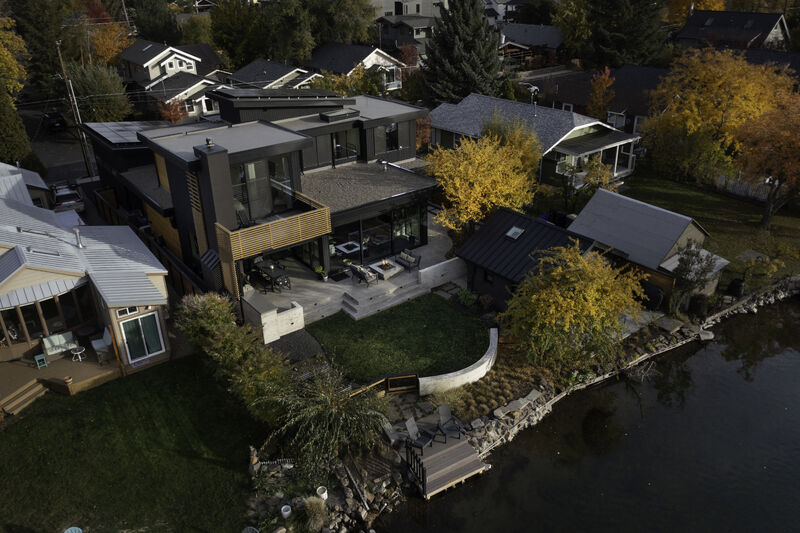
Before you run out to the local nursery and start buying whatever looks pretty, you need a master plan. Think of this as your financial and design map. You don’t have to build it all in 2026, but you do need to know where the major pieces will eventually live. Where does the sun hit during dinnertime. Are there weird slopes that gather water when it storms.
Starting with a rough sketch saves you from making massive, expensive mistakes later. For example, you don’t want to plant an expensive oak tree right where you might want to pour a concrete patio foundation in three years. Map out your permanent structures first—like walkways, decks, and large trees—and let the rest remain flexible.
2. Design for the Little Kid Years
When you have toddlers or young children, your outdoor needs are pretty straightforward: safety, visibility, and open space. You want a clear line of sight from the kitchen window so you can watch them play while making lunch. At this stage, massive flower beds filled with delicate roses are just asking to be trampled by a stray soccer ball.
Instead, prioritize wide lawns or durable ground covers where they can tumble around. If you want a play structure, place it in a spot that can easily be repurposed later. A sandbox can easily transform into a raised veggie garden when the kids outgrow it, and a swing set area can eventually become a fire pit zone.
3. Shifting Zones as Kids Grow Up
As kids hit middle school and their teenage years, how they use the yard changes completely. They don’t care about slides anymore; they want a place to hang out with friends, play sports, or just get some privacy away from mom and dad. This is when your rolling plan enters its next phase.
You can convert that old open lawn space into an area for a basketball hoop or an outdoor movie screen setup. It’s also a great time to introduce privacy screenings. Fast-growing evergreen hedges or sturdy wooden lattices can create distinct "rooms" in your yard, giving teenagers their own zone while keeping them safely close to home.
4. Embracing Hardscaping in Phased Stages
Let’s talk about the heavy stuff: patios, retaining walls, and pathways. These projects cost the most money and take the most effort, which is why doing them all at once can totally drain your bank account. The trick is breaking them down into bite-sized annual budgets.
Maybe in year one, you clear the ground and lay down a simple, affordable gravel patio. It looks great and serves its purpose immediately. Then, in year four, you can lay beautiful pavers right over or instead of that area. Doing things gradually lets you test out how you actually use the space before committing to permanent, expensive stone fixtures.
5. Planting for the Long Game
Plants take time to mature, which is why smart homeowners plant their slow-growing trees early in the process. If you want a gorgeous shade tree to sit under a decade from now, get it in the ground during Phase 1. While that tree slowly does its thing, you can fill the surrounding space with cheap, fast-growing perennials and annuals.
As the years roll by and your schedule changes, you might want to swap out high-maintenance plants for things that require less work. Native plants are your best friend here. They adapt beautifully to your local climate and soil, meaning you won’t have to spend your weekends weeding and watering constantly when life gets busy.
6. The Ultimate Adult Sanctuary
Eventually, the toys disappear, the sports gear gets packed away, and the yard becomes yours again. This final phase of your rolling landscape is all about relaxation, entertainment, and hobbies. Now is the time to install that outdoor kitchen you always wanted or a quiet water feature that attracts local birds.
Because you planned ahead, you won’t have to tear up your yard to make this happen. You are simply stepping into spaces that were designed to evolve. That old play area becomes a serene patio surrounded by mature trees that you planted a decade ago, providing perfect privacy.
Planning a rolling landscape isn’t just a smart way to manage your budget; it’s a strategy that respects how families actually live. Your yard should serve your life today, not some idealized version of the future or a past stage you’ve already outgrown.
Take a deep breath and start small. Sketch out a loose plan, focus on what your family needs right now, and give yourself permission to let the rest wait. A beautiful yard doesn’t happen overnight, and that’s exactly what makes watching it grow so special.