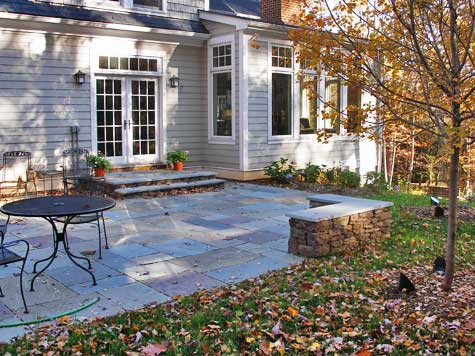

You’ve picked out the perfect stone. Maybe it’s that warm, earthy sandstone you saw at the yard, or perhaps the sleek, gray slate that matches your modern home. You have a vision. It involves bare feet on cool stone, a glass of wine, and the sound of crickets. It’s peaceful. It’s expensive. But not as expensive as you think, right? That’s what the quote said. Just the stone and the labor. Simple.
Then the digging starts. And the dust rises. And suddenly, that neat little number on the paper begins to swell like a sponge in water. By the time the last paver is set, you’re staring at a bill that looks nothing like the one you signed. It happens every single year. In 2026, with material costs still fluctuating and labor rates climbing, the gap between expectation and reality has never been wider. Let’s talk about where that money actually goes. Because knowing the hidden traps isn’t just about saving cash; it’s about keeping your sanity intact while your backyard transforms.
The Foundation Trap: Why Dirt Costs More Than Stone
Most people look at the stone. They obsess over the color, the thickness, the texture. They forget what’s underneath. Think of your patio like a house. You wouldn’t build a mansion on a swamp, would you? Yet, that’s exactly what happens when skimp on the base. The "base" isn’t just dirt. It’s a carefully engineered layer of crushed gravel, usually limestone or granite, compacted down until it’s hard as concrete. This is the first place budgets blow up.
Here’s the thing: you rarely know how bad your soil is until you dig. You might hit clay that holds water like a bathtub. Or maybe you find old tree roots that need grinding out. In 2026, disposal fees for this debris have jumped. You can’t just toss it in the bin. You need a dumpster. You need hauling. That’s an extra $500 to $1,000 before a single stone is laid. If your contractor didn’t include "excavation contingencies" in the bid, you’re paying for it out of pocket. It’s messy work. It’s loud. And it’s non-negotiable if you want your patio to last more than two winters.
Don’t let them skip the geotextile fabric either. It’s a cheap sheet of material that goes between the soil and the gravel. It stops the dirt from mixing with the stone base. Without it, your patio sinks. It tilts. Water pools. Fixing a sunken patio costs three times as much as doing it right the first time. So when you see that line item for "base preparation," don’t balk. It’s the insurance policy for your investment. Ask questions. How deep are they digging? Six inches? Eight? For heavy foot traffic or furniture, you need depth. Shallow bases crack. Deep bases endure. It’s that simple.
The Cut Factor: Waste, Labor, and Complex Shapes
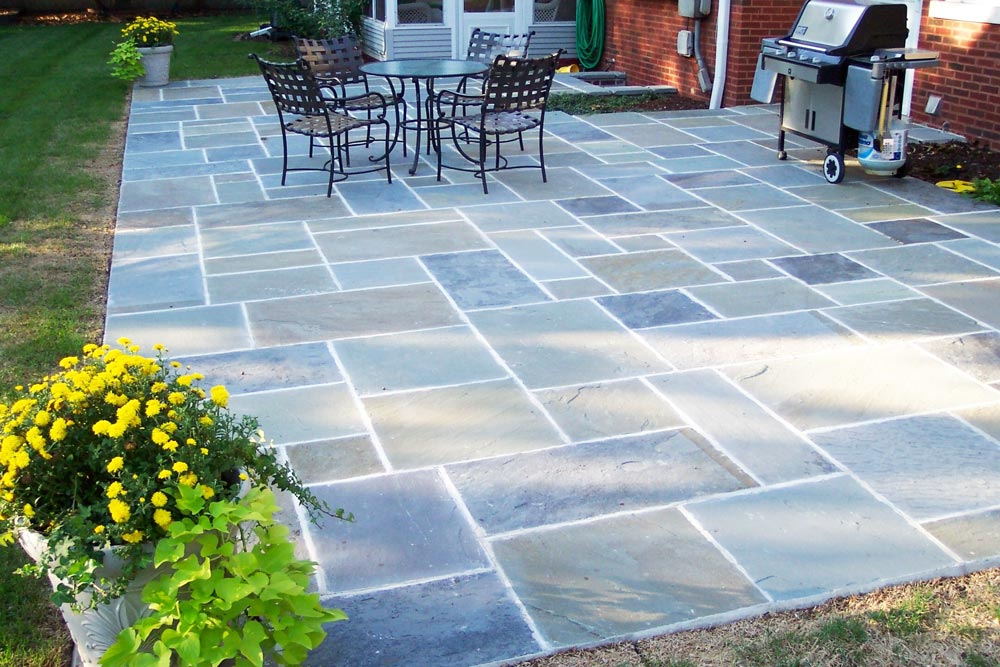
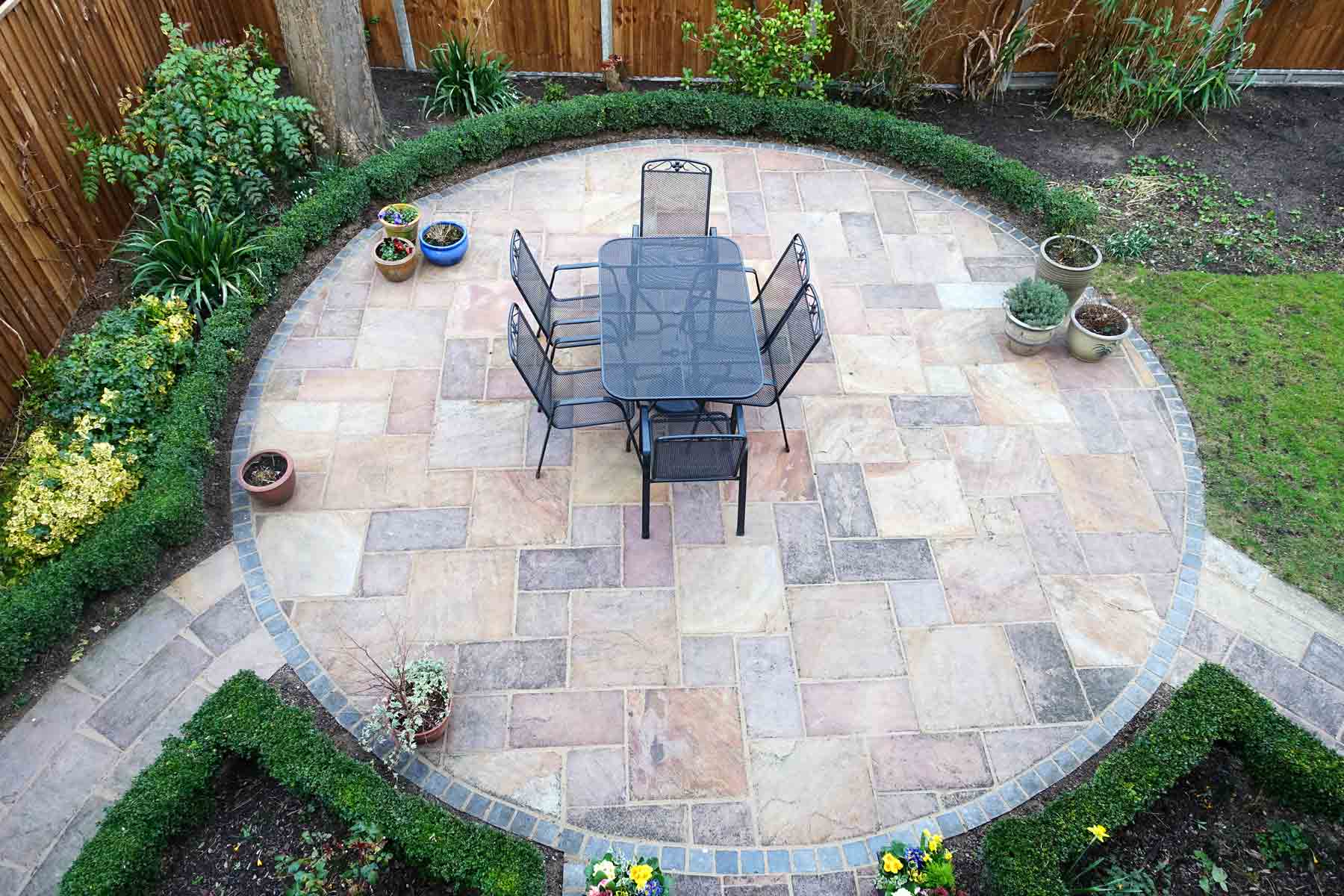
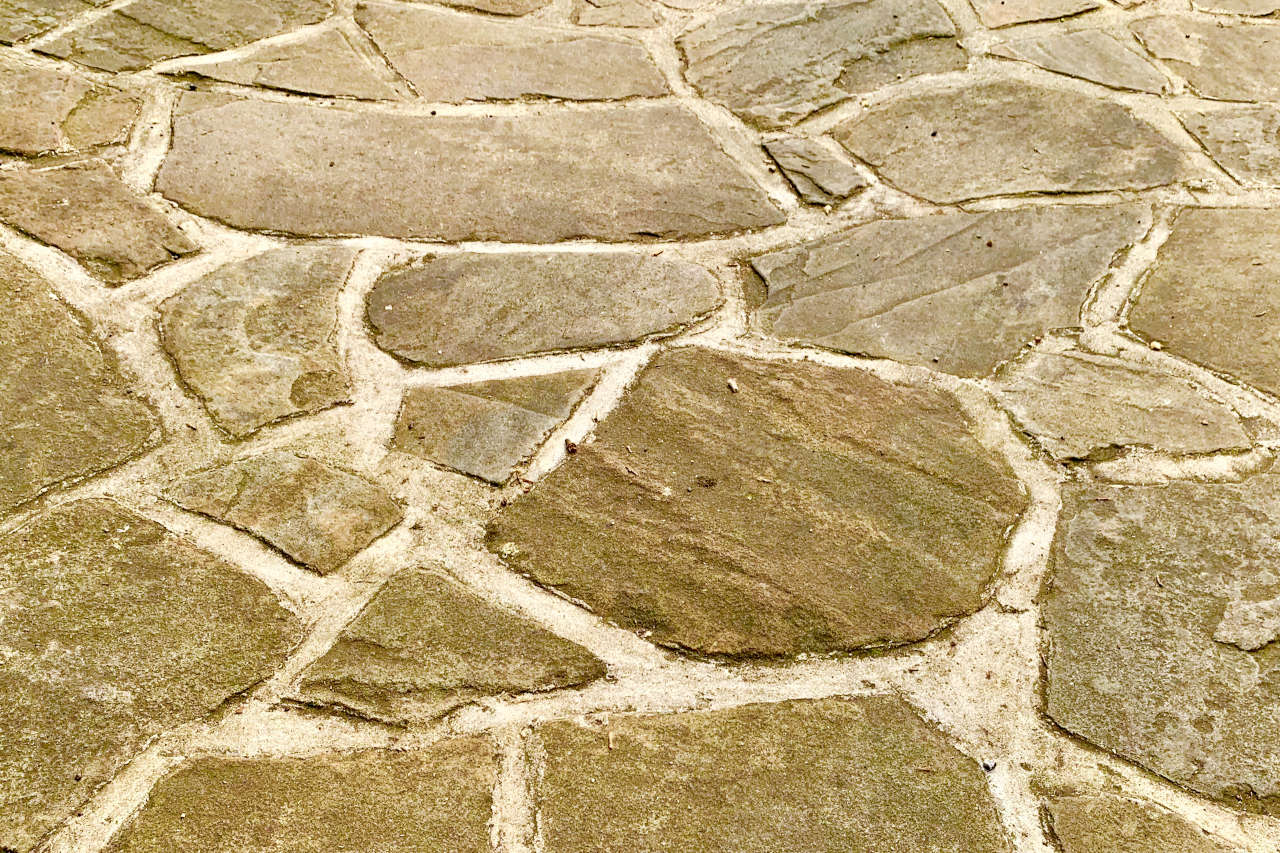
Look at a flagstone slab. It’s irregular. It’s jagged. It’s beautiful. Now look at your patio design. Is it a perfect square? Probably not. Most of us want curves. We want steps. We want the stone to wrap around that old oak tree we refused to cut down. Every curve means cutting. Every cut means waste. And in the stone world, waste is money flying out the window.
When a mason cuts a piece of flagstone to fit a tight corner, the leftover chunk is often useless. It’s too small for the next spot. It’s trash. In 2026, natural stone prices have risen about 15% since the pandemic supply chain hiccups settled. That means every discarded shard represents a higher cost. If you choose a complex pattern, like a random ashlar layout with tight joints, your waste factor could hit 20% or more. A simple grid? Maybe 10%. It adds up fast.
Labor plays a huge role here too. Cutting stone takes time. It wears down blades. Diamond blades aren’t cheap, and they burn out faster on hard stones like quartzite. If your design has lots of nooks and crannies, your installer is spending hours on a saw instead of laying stone. That’s billed by the hour. Or, if it’s a fixed bid, they padded the price to cover it. Either way, you pay. Keep designs simpler if you’re on a tight budget. Straight lines are your friend. Curves are lovely, but they’re a luxury tax. Remember that when you’re sketching ideas on napkins.
The Mortar Mystery: Wet Lay vs. Dry Lay
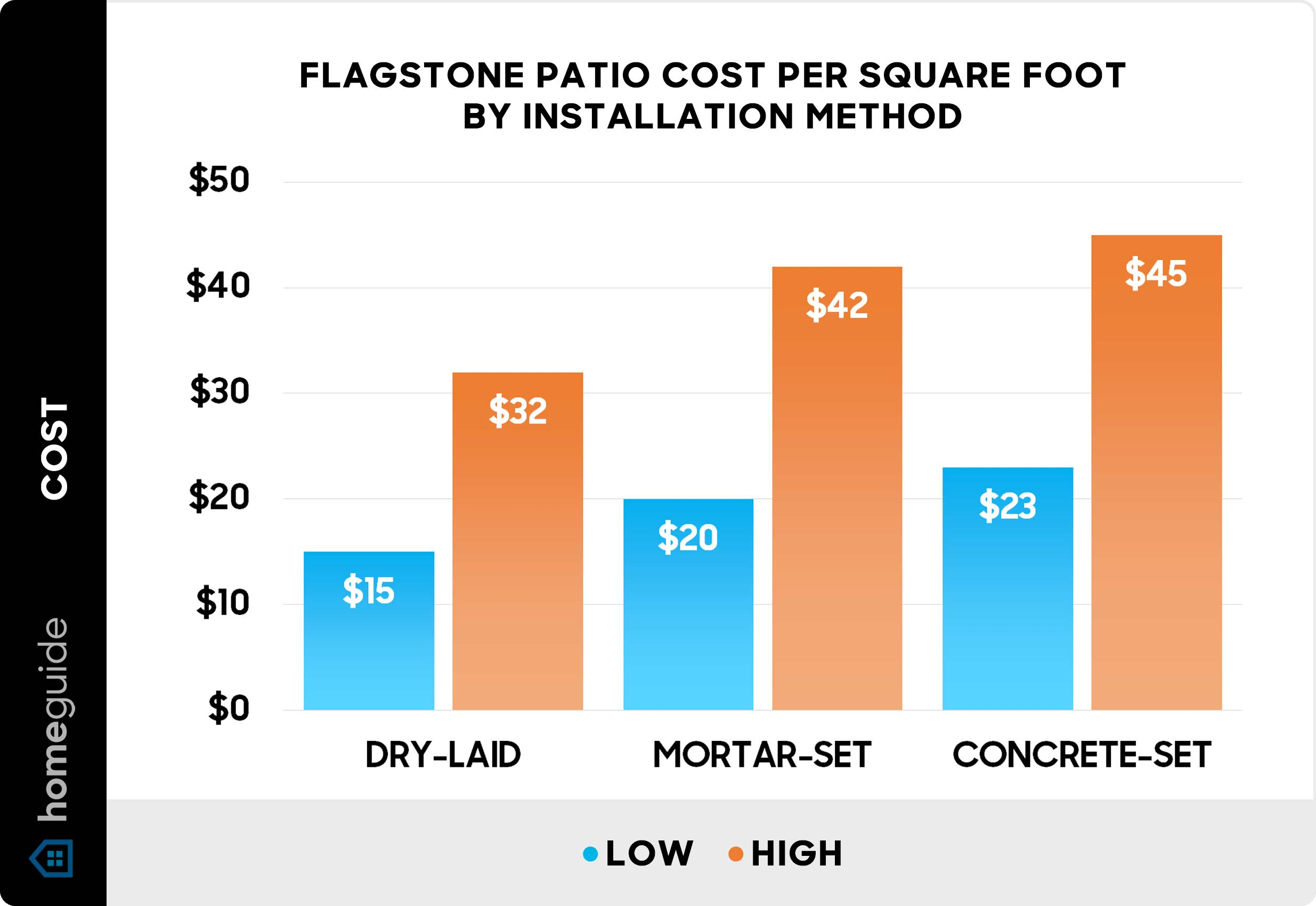
There are two main ways to install flagstone: dry lay (setting stone in sand/gravel) and wet lay (setting stone in mortar/concrete). Dry lay is cheaper upfront. It drains better. It’s forgiving. But wet lay is what most people want for a seamless, high-end look. It allows for tighter joints and a more solid feel underfoot. But here’s the hidden kicker: mortar isn’t just sand and cement. It’s a system.
First, you need a concrete slab underneath if you’re doing a true wet lay. That’s a whole other project. Rebar. Forms. Pouring. Curing. That’s thousands of dollars right there. Even if you’re doing a "mortar set" on a gravel base (a hybrid method), you need specialized mortar mixes that flex slightly. Regular bagged mortar from the big box store will crack. You need polymer-modified thin-set or a custom mix. These materials cost twice as much as standard stuff.
And then there’s the cleanup. Mortar slop gets everywhere. It stains the stone. Removing it requires acid washes or heavy scrubbing with specialized cleaners. Those chemicals cost money. The labor to scrub each stone individually after installation is intense. I’ve seen projects where the cleaning bill was nearly 10% of the total install cost. It’s tedious work. Nobody likes doing it. But if you skip it, your beautiful natural stone looks like it’s covered in dried glue. Not the vibe you’re going for. Make sure your contract specifies who handles the final clean. Don’t assume it’s included.
The Sealing Secret: Maintenance Isn’t Free
You’ve got the patio. It’s done. You’re ready to party. But wait. Should you seal it? Most experts say yes, especially for porous stones like sandstone or limestone. Sealing protects against stains from wine, oil, and rain. It enhances the color. It makes the stone pop. But sealant isn’t a one-and-done deal. It’s a recurring expense.
In 2026, high-quality penetrating sealers run about $50 to $80 per gallon. A typical patio might need two coats. That’s a lot of gallons. And you can’t just slap it on. The stone must be bone dry. If it rained last week, you wait. If humidity is high, you wait. Rushing it traps moisture and turns your stone cloudy. Forever. Or until you strip it, which costs even more. So you’re paying for premium product and potentially paying labor for application if you don’t DIY.
But here’s the real hidden cost: reapplication. Sealers wear off. Foot traffic scuffs them. UV rays break them down. You’ll need to reseal every 2 to 3 years. That’s a maintenance budget line item you need to plan for. Some people skip sealing to save money. Big mistake. Unsealed stone absorbs water. In freezing climates, that water expands. The stone spalls. It flakes. It cracks. Replacing spalled stone is a nightmare because you can’t match the weathered look of the old pieces. Your patio ends up looking like a patchwork quilt. Spend the money on sealer. It’s cheaper than replacement.
The Drainage Dilemma: Water Goes Somewhere
Water is the enemy of all masonry. It doesn’t care about your aesthetic. It seeks the path of least resistance. If your patio doesn’t slope away from your house, water will pool. It will seep into your foundation. It will freeze and heave the stones. Proper drainage isn’t an optional upgrade. It’s a requirement. But it’s often overlooked in initial quotes.
You might need French drains. These are trenches filled with gravel and perforated pipe that carry water away. Digging these trenches costs labor. The pipe and gravel cost materials. If your yard is flat, you might need to build up the patio height to create slope. That means more base material. More retaining walls at the edges to hold the fill. Retaining walls are expensive. They require engineering if they’re over a certain height. Suddenly, your simple patio project has become a civil engineering challenge.
Also, consider where the runoff goes. You can’t just dump it on your neighbor’s lawn. Local codes in 2026 are stricter about stormwater management. You might need a dry well or a rain garden to absorb the water. These features add beauty, sure, but they add cost. Check your local regulations before you start. Getting fined for improper drainage is a hidden expense nobody wants. Talk to your contractor about the "grade plan." Where does the water go? If they shrug, worry.
Time is money. Literally. If your project drags on, costs rise. Weather is the biggest variable. Rain stops excavation. Cold stops concrete curing. In many regions, the window for ideal patio installation is short. Spring and early fall. If you start late in the season, you risk hitting winter. Contractors might charge a "winter premium" for working in cold conditions. They need heaters for the concrete. Special additives to prevent freezing. It adds up.
Supply chain delays are still a thing in 2026. While better than 2022, specific stone types can still be backordered. If your chosen slate is stuck on a boat, your crew sits idle. Do you pay for their waiting time? Sometimes. Check your contract for "delay clauses." Also, if the project runs long, you’re living in a construction zone longer. That has a mental cost. Stress. Dust. Noise. It’s worth considering a penalty clause for the contractor if they miss the deadline, but be realistic. Weather happens.
Finally, think about access. Can the delivery truck get to your backyard? If not, the stone has to be wheelbarrowed. That’s hours of extra labor. I’ve seen jobs where the "hand-carry" fee was $2,000 because the gate was too narrow for a forklift. Measure your gates. Check your overhead wires. Small logistical oversights create big bills. Plan the logistics as carefully as you plan the design. It’s boring, but it saves cash.
So, where does that leave us? Flagstone is an investment. It’s not just buying rock. It’s buying a process. A system. From the dirt down to the sealer on top, every layer has a price tag. The key isn’t to avoid these costs—you can’t. The key is to anticipate them. To ask the hard questions before the first shovel hits the ground. Get three bids. Read the fine print. Ask about waste factors. Ask about drainage. Ask about cleanup.
When you do, you won’t be surprised. You’ll be prepared. And when you finally sit out on that cool stone with your glass of wine, you won’t be thinking about the bill. You’ll be thinking about how good it feels to have it done right. That peace of mind? That’s worth every penny. Even the hidden ones. Just make sure you know what they are before you sign. Your wallet will thank you. And your patio will last a lifetime. Maybe longer.