
You finally cut down that old, dying tree in the front yard. The branches are gone, the logs are stacked, and you think the job is done. But then you look down. There it sits: an ugly, weathered wood monument staring back at you. It is easy to think a leftover stump is just a minor eyesore you can deal with later, but leaving it alone can invite pests or trip your neighbors.
So, what does it take to actually get rid of it. Many homeowners think it is a simple fifty-dollar fix. In reality, figuring out the actual price tag involves looking at everything from the width of the wood to how deep the roots dig into your soil. Let us pull back the curtain on what tree stump clearing really costs in 2026.
Grinding vs. Total Removal: The Big Choice
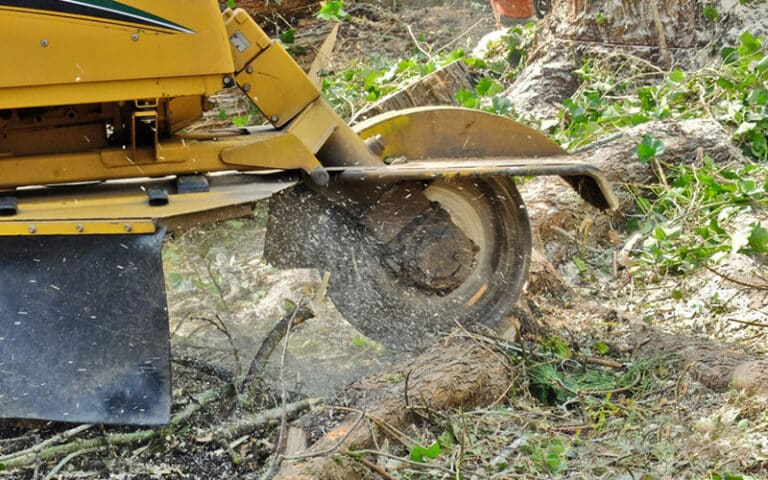
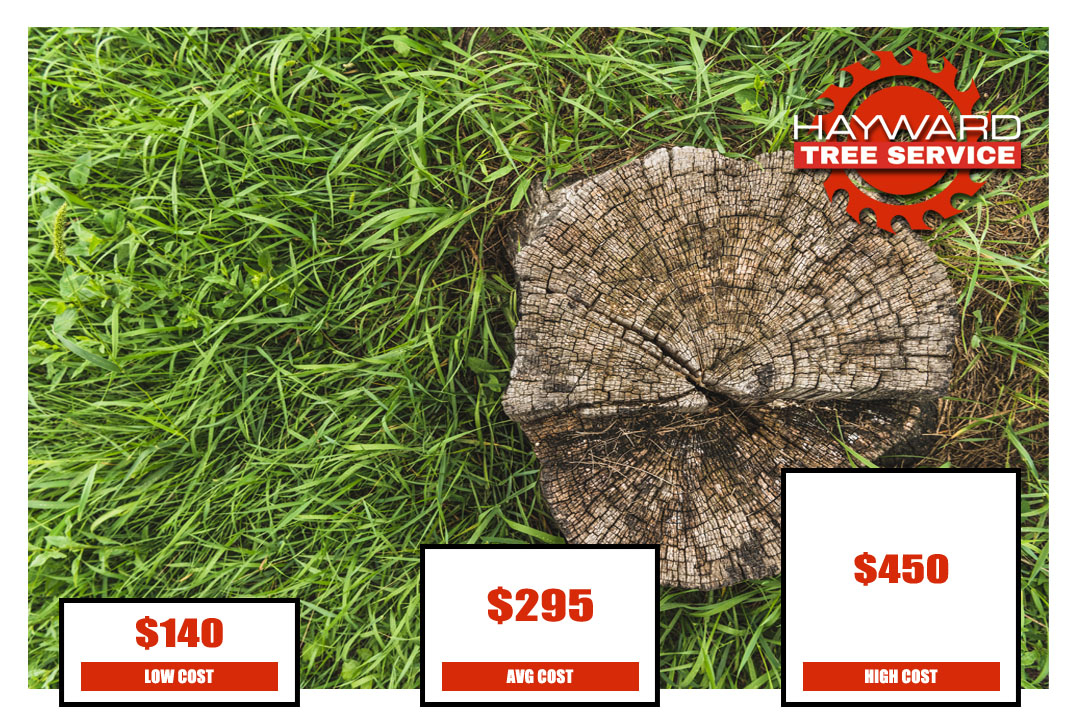
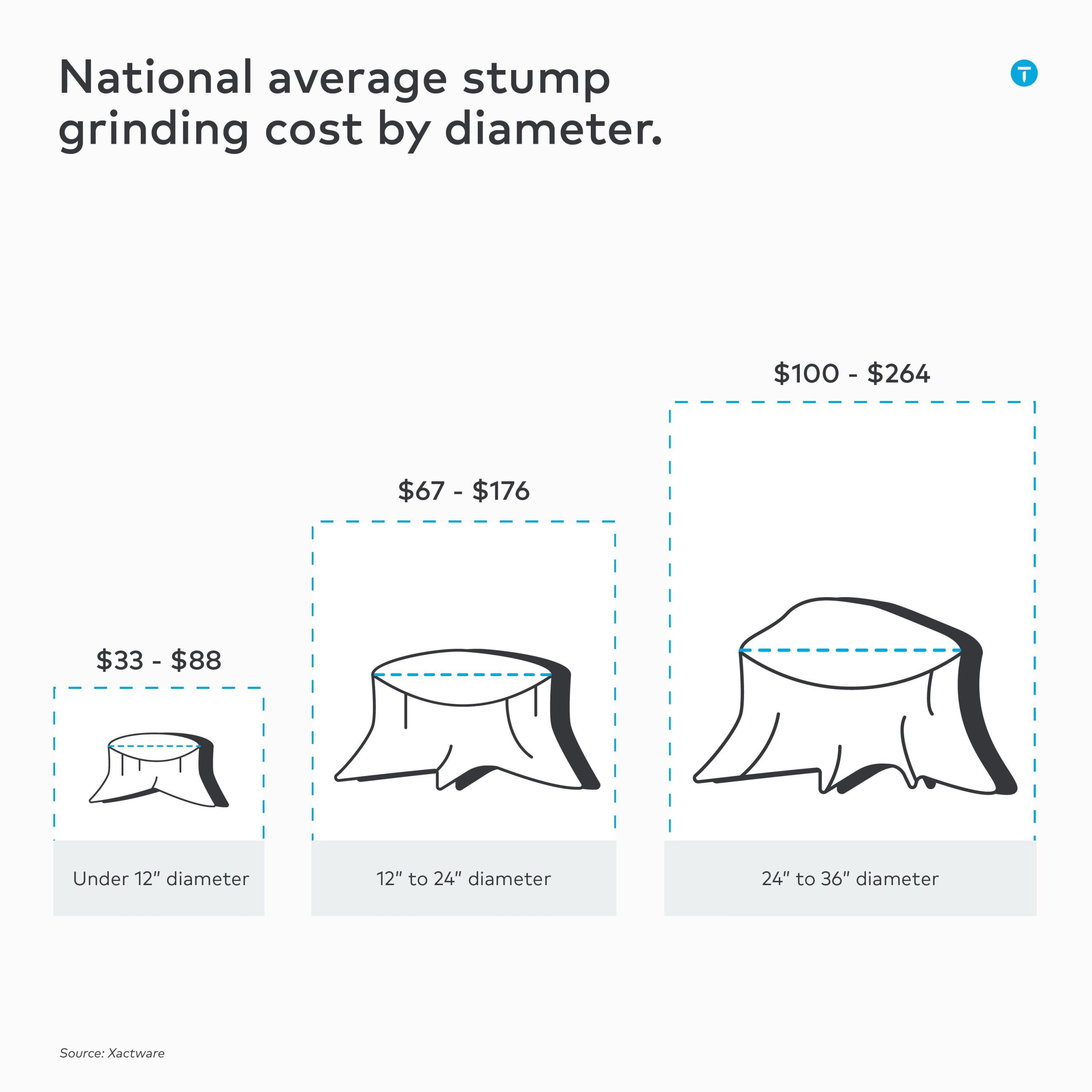
When you hire a professional, they will usually offer you two completely different paths: stump grinding or full removal. Grinding is the most common route because it is faster and easier on your wallet. A crew rolls in with a heavy machine that chews the wood down into mulch. On average, you can expect to pay anywhere from $100 to $400 for a standard grind, or roughly $2 to $6 per inch of the trunk’s diameter. It leaves the deep roots underground to rot naturally, which works perfectly for most yards.
Full removal, on the other hand, is a whole different beast. This method involves digging up the entire root ball so nothing is left behind. It is highly labor-intensive and usually requires heavy excavators. Because it takes so much effort, the price frequently jumps up, pushing total tree and stump removal projects between $400 and $2,500 depending on the size of the system. You usually only need this if you plan to pour a foundation or put a new driveway right where the tree used to stand.
The Hidden Factors Driving the Price Tag
Have you ever wondered why two neighbors can get completely different quotes for the same exact chore. The answer lies in the hidden details of the tree itself. For starters, the type of wood matters immensely. A soft pine stump is easy to grind through, while an old, dense oak will fight the machine every step of the way, taking twice as long and costing more in labor.
Then there is the issue of property access. If a contractor can easily back their heavy machinery right up to the spot, your estimate will stay reasonable. But if they have to squeeze a massive grinder through a tiny backyard gate or work around delicate flowerbeds, the price goes up. Contractors charge for that extra time and care, so a tricky location always means a higher final bill.
The True Scale of Bulk Land Clearing
If you are dealing with a single stump in a manicured lawn, your costs are relatively contained. But what happens if you just bought a wooded lot and need to prepare it for building a house. For larger projects, the financial math changes completely. When you are doing bulk clearing, teams usually look at the overall acreage rather than counting individual trunks.
Clearing tree-heavy land typically runs anywhere from $3,500 to $6,000 per acre this year. This steep price includes knocking down the timber, chipping the branches, and handling the massive amount of debris. However, do not assume that includes the stumps. Often, removing the leftover stumps adds an extra $150 to $500 per piece to your total bill, which can cause quite a shock if you did not plan for it ahead of time.
It is incredibly tempting to try and tackle this project yourself to save a buck. You might think about heading down to the local hardware store to rent a commercial grinder for the weekend. Renting a machine usually costs between $150 and $300 a day. If you only have one small stump, you might save a little money, but you also have to factor in the cost of hauling the heavy equipment and buying safety gear.
There are