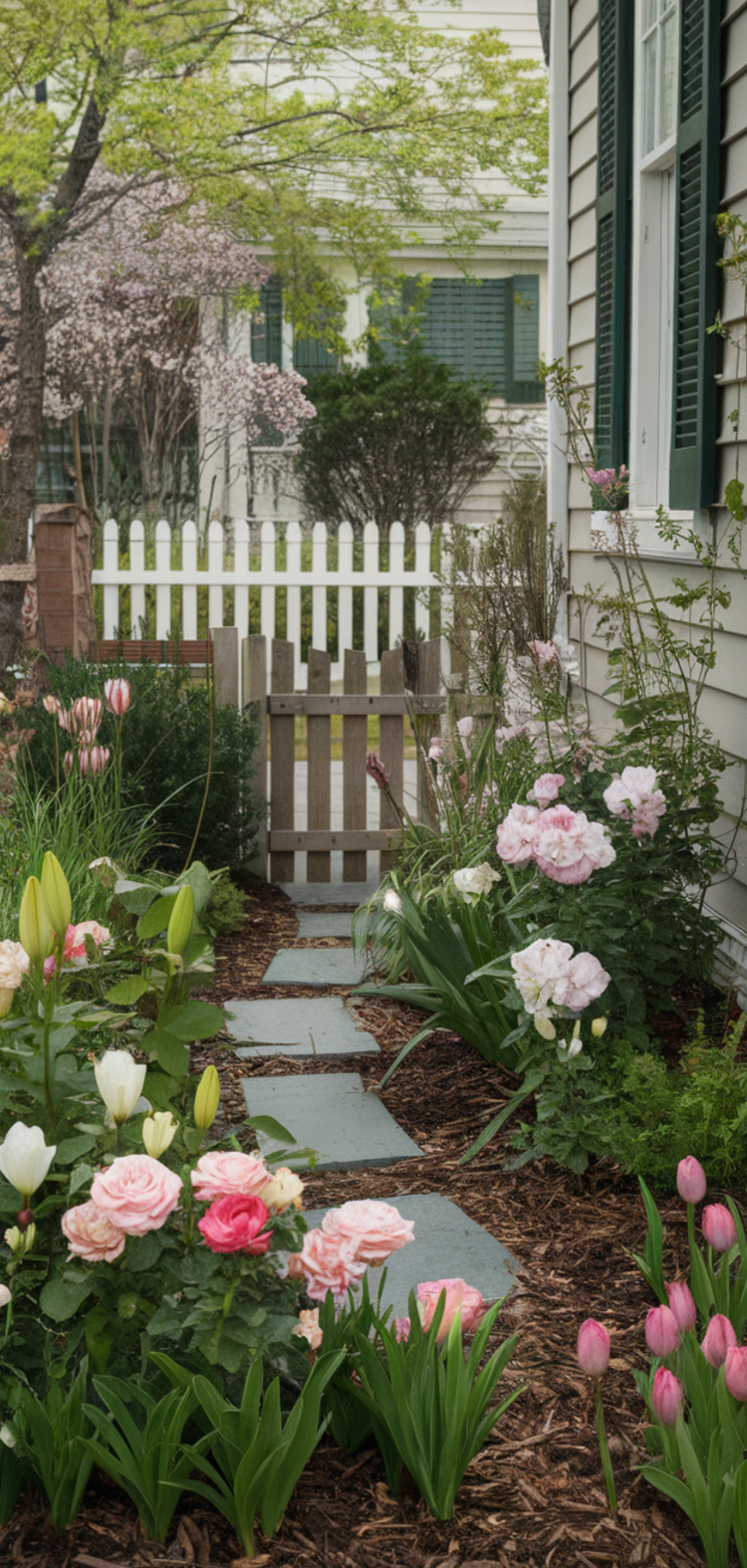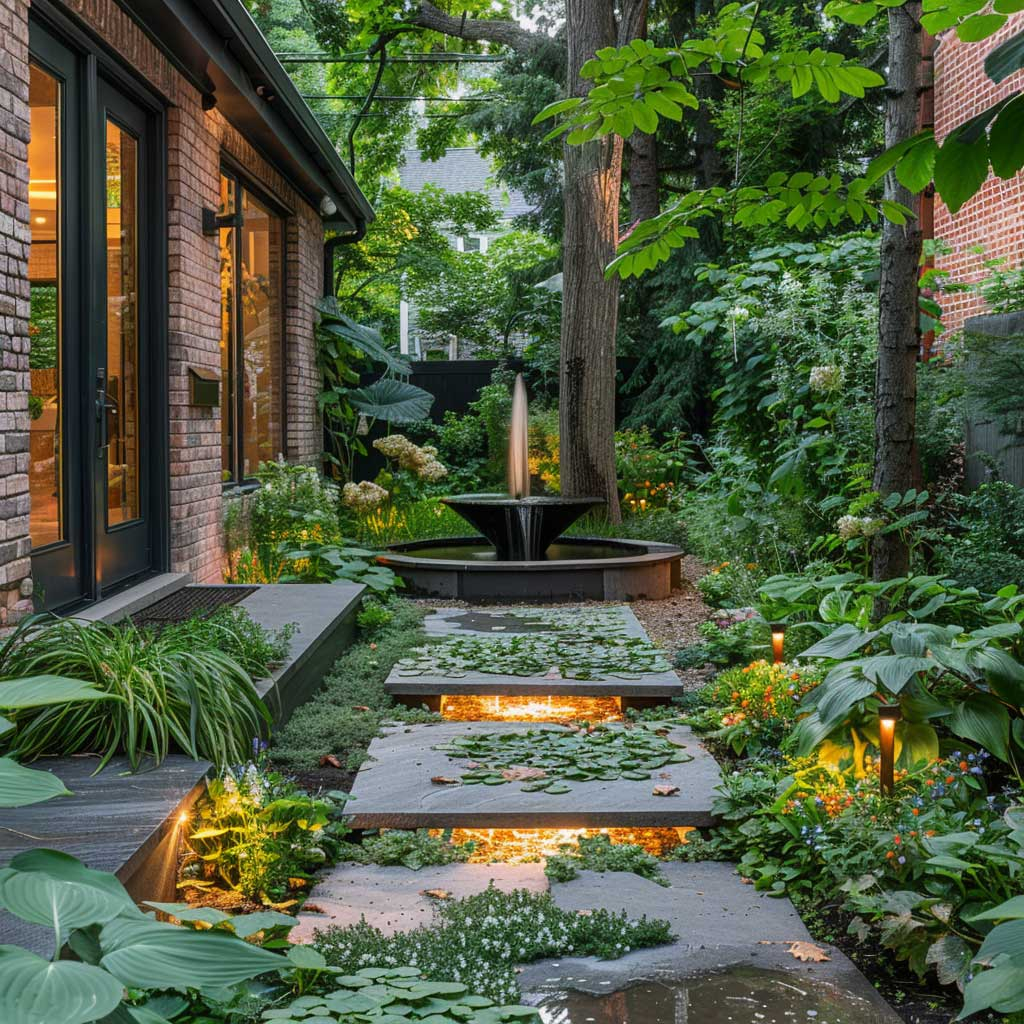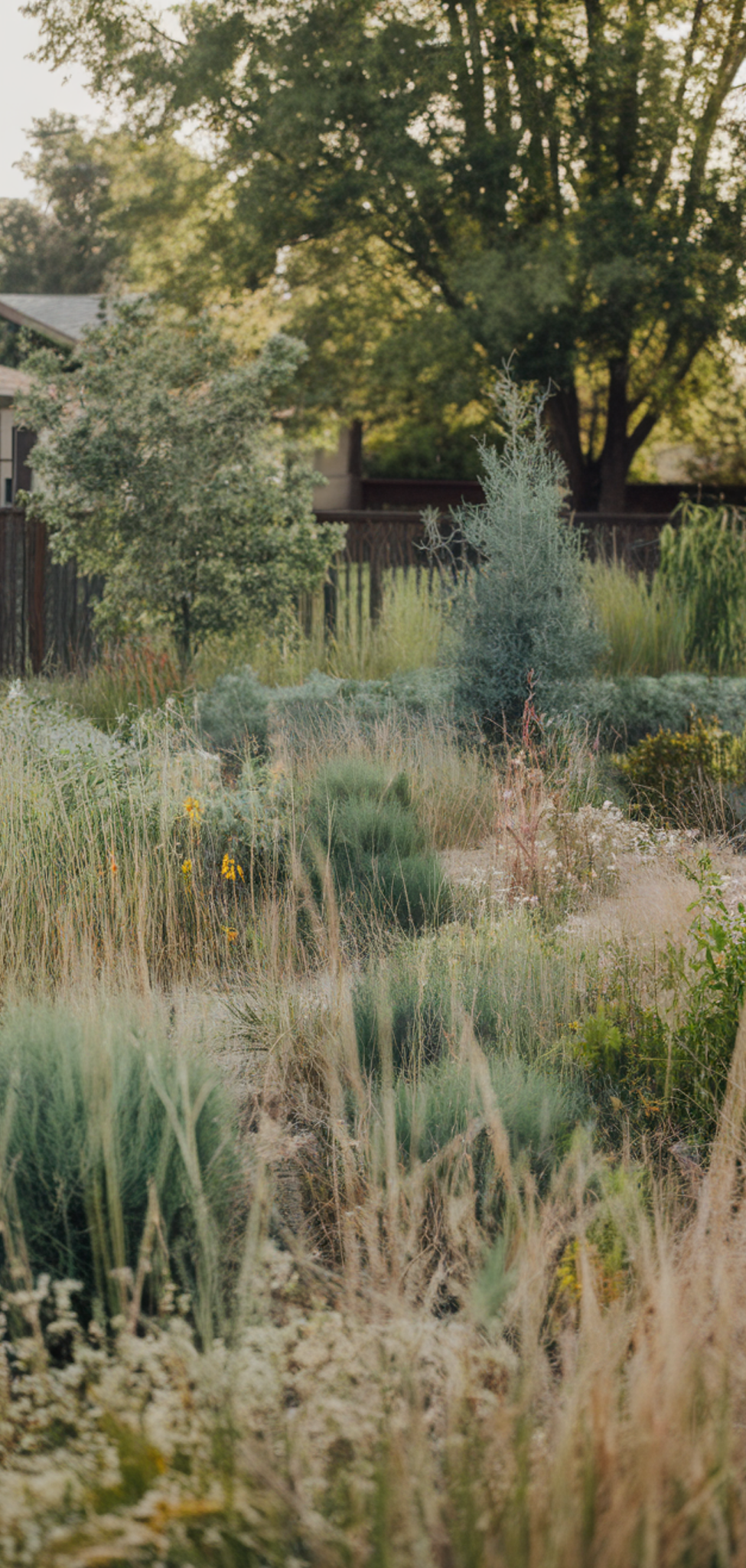

Ever felt like your apartment or tiny backyard was closing in on you? You’re not alone. In 2026, with urban living spaces shrinking by the day, the dream of a lush, expansive sanctuary feels harder to reach. But here’s the thing: luxury isn’t about square footage. It never really was. It’s about feeling. It’s about the way light hits a leaf, the softness of moss underfoot, and the depth that draws your eye upward instead of outward.
Most people make the mistake of trying to fit their big-life dreams into a small box by cluttering the floor. They buy bigger rugs, wider sofas, and more pots, only to find themselves tripping over their own stuff. The secret? Stop looking down. Start looking up. By embracing vertical gardens and layering textures, you can trick the eye, calm the mind, and turn even the tiniest nook into a high-end retreat. It’s not magic; it’s just smart, soulful design.
The Psychology of Looking Up
Why do we feel so cramped in small spaces? It’s largely visual. When our horizon line is blocked by furniture and clutter at eye level, our brain registers "confinement." But when we introduce height, something shifts. Vertical elements pull the gaze upward, creating an illusion of volume that simply doesn’t exist in the floor plan. It’s a classic designer trick, but in 2026, it’s become a necessity for mental well-being in dense cities.
Think about walking into a cathedral versus a basement. One feels expansive because of the height; the other feels heavy. Your home can feel like the former, even if it’s the size of the latter. By installing a living wall or a tall trellis, you’re not just adding plants; you’re adding air. You’re giving your eyes a place to rest that isn’t the back of a sofa or a blank, oppressive wall. This vertical lift creates a sense of freedom. It tells your brain, "There is more here than meets the eye."
Recent studies in environmental psychology have reinforced this. Spaces with varied vertical layers reduce stress levels faster than flat, open layouts. Why? Because nature isn’t flat. A forest has a canopy, an understory, and a forest floor. Replicating this layering in your home taps into an innate biological comfort. We are wired to feel safe and relaxed in environments that offer both shelter (the lower layers) and prospect (the higher views). When you build up, you’re hacking your own biology to feel calmer.
Choosing the Right Structure for Your Walls
Before you start nailing pots to the drywall, you need a plan. Vertical gardening isn’t just about hanging a few ferns; it’s about architecture. In 2026, modular systems have made this easier than ever, but the principle remains: stability is key. A wobbly shelf or a leaking pocket planter ruins the luxury vibe instantly. You want intentionality. You want it to look like it belongs there, not like an afterthought.
Consider the surface you’re working with. Is it a balcony railing? A brick exterior? A plain interior wall? For renters, tension-rod trellises and freestanding green screens are lifesavers. They require zero drilling and can move with you. For homeowners, mounted modular panels allow for a seamless "living wall" effect. These systems often come with built-in irrigation, which is a game-changer for keeping things lush without daily hassle. Just remember, as noted by design experts, a stable structure is non-negotiable. If it sways in the wind, it won’t feel luxurious; it’ll feel precarious.
Don’t forget the frame itself. The material matters. Bamboo adds warmth and an organic touch, perfect for boho or tropical styles. Black metal offers a sleek, modern contrast that makes green foliage pop. Wood stains can match your existing furniture, creating a cohesive look. The structure should complement your interior design, not fight it. Think of it as jewelry for your walls. It should enhance, not overwhelm. And please, check the weight limits. Wet soil is heavy. Always over-engineer slightly to be safe.
Plant Selection: Texture Over Bloom
Here is where most people go wrong. They chase flowers. Flowers are great, sure, but they’re fleeting. Luxury is about consistency. It’s about year-round interest. That’s why texture is your best friend. In a small space, a single large-leafed Monstera can have more impact than a dozen tiny daisies. You want plants that play with light and shadow. You want leaves that catch the breeze. You want variety in shape and feel.
Mix broad, glossy leaves with fine, feathery fronds. Pair the spiky architectural lines of a Snake Plant with the soft, trailing vines of Pothos or Ivy. This contrast creates depth. When light hits these different surfaces, it breaks up the visual field, making the space feel larger and more complex. In winter, when many plants go dormant, choose varieties with interesting bark or evergreen foliage. Ferns, for instance, add a prehistoric, lush feel that screams "expensive jungle," even in a shoebox apartment.
Also, consider the color palette. Stick to varying shades of green for a serene, spa-like atmosphere. If you want color, use it sparingly as an accent. A single orchid or a cluster of purple Tradescantia can act as a focal point. But too many bright colors in a small space can feel chaotic, not luxurious. Let the textures do the talking. As one recent guide pointed out, experimenting with texture and seasonal interest creates a personalized design that reflects your style. It’s about curating a collection, not just filling space.
Layering Depths and Creating Illusions
Layering isn’t just about plants; it’s about spatial arrangement. You want to create foreground, midground, and background elements. This technique, often used in landscape painting, works wonders in real life. Place taller, structural plants at the back or top. Put medium-sized bushy plants in the middle. Let trailing vines cascade down the front. This tiered approach mimics natural growth patterns and prevents the "flat wall" look.
Mirrors are another powerful tool in this toolkit. Placing a mirror behind a vertical garden doubles the visual impact. It reflects the greenery, creating an infinite loop of leaves that makes the wall feel twice as deep. Just be careful with placement; you don’t want to reflect a messy corner. Use mirrors to reflect light sources or the sky if you’re on a balcony. This brings the outside in, blurring the boundaries of your small space. It’s a cheap trick with expensive results.
Lighting plays a huge role here too. In 2026, smart LED strips are affordable and easy to install. Wash your vertical garden with warm, upward-facing light at night. This highlights the textures of the leaves and casts dramatic shadows on the wall behind. It turns your garden into a piece of living art after sunset. Avoid harsh, direct overhead lights, which flatten everything. Soft, diffused lighting enhances the cozy, luxurious feel. It invites you to linger, to sip your tea, and to breathe.
Practical Maintenance for Busy Lives
Let’s be real: a dead plant is not luxurious. It’s sad. The biggest barrier to vertical gardening is the fear of killing everything. But modern solutions have made maintenance surprisingly low-effort. Drip irrigation systems connected to timers are worth every penny. They ensure your plants get consistent moisture without you having to remember every Tuesday morning. For smaller setups, self-watering pots with reservoirs can keep plants happy for weeks.
Choose plants that match your lifestyle. If you travel often, go for succulents, ZZ plants, or Snake Plants. They thrive on neglect. If you love routine, ferns and Calatheas reward daily misting and attention. Don’t fight your nature. If you’re not a "plant person," don’t try to maintain a high-maintenance orchid wall. Start simple. Herbs like mint, basil, and thyme are forgiving, useful, and smell amazing. A kitchen herb wall is both functional and beautiful, adding a sensory layer to your cooking experience.
Regular pruning is also essential. In a small space, overgrowth looks messy fast. Keep your shapes tidy. Snip back leggy vines. Remove yellowing leaves immediately. This isn’t just about aesthetics; it keeps the plants healthy and encourages new growth. Think of it as grooming. A well-groomed garden looks intentional and cared for. It shows pride of ownership. And honestly, spending five minutes a week tending to your greens can be a meditative practice, a moment of calm in a hectic week.
This approach isn’t limited to balconies. Vertical gardens work beautifully indoors, too. A blank wall in your living room can become a stunning feature. Use floating shelves staggered at different heights to display a mix of trailing and upright plants. Or install a pegboard system that allows you to rearrange your greenery as your collection grows. The key is integration. The plants shouldn’t look like they’re invading your space; they should look like they’re part of the architecture.
For outdoor patios or tiny yards, think vertically from the ground up. Use tall planters with climbing roses or clematis. Install a pergola with hanging baskets. Even a simple fence can be transformed with slat wood panels and attached planters. The goal is to enclose the space with greenery, creating a "room" outdoors. This sense of enclosure provides privacy and intimacy, which are hallmarks of luxury. It shuts out the noise and chaos of the city, leaving you with your own private oasis.
In 2026, the line between indoor and outdoor living is blurrier than ever. Biophilic design—bringing nature indoors—is no longer a trend; it’s a standard. Whether you’re in a high-rise apartment or a townhouse with a postage-stamp yard, the principles remain the same. Build up. Layer textures. Create depth. By doing so, you’re not just decorating; you’re enhancing your quality of life. You’re claiming your space, no matter how small, as a place of beauty and peace.
So, where do you start? Look at your emptiest wall. Imagine it covered in green. Feel the difference in your chest just thinking about it. That’s the power of vertical luxury. It’s accessible, it’s sustainable, and it’s deeply human. You don’t need a mansion to live well. You just need to look up, get creative, and let nature do the rest. It’s time to stop apologizing for your small space and start celebrating its potential. After all, the best things in life often come in small, layered packages.