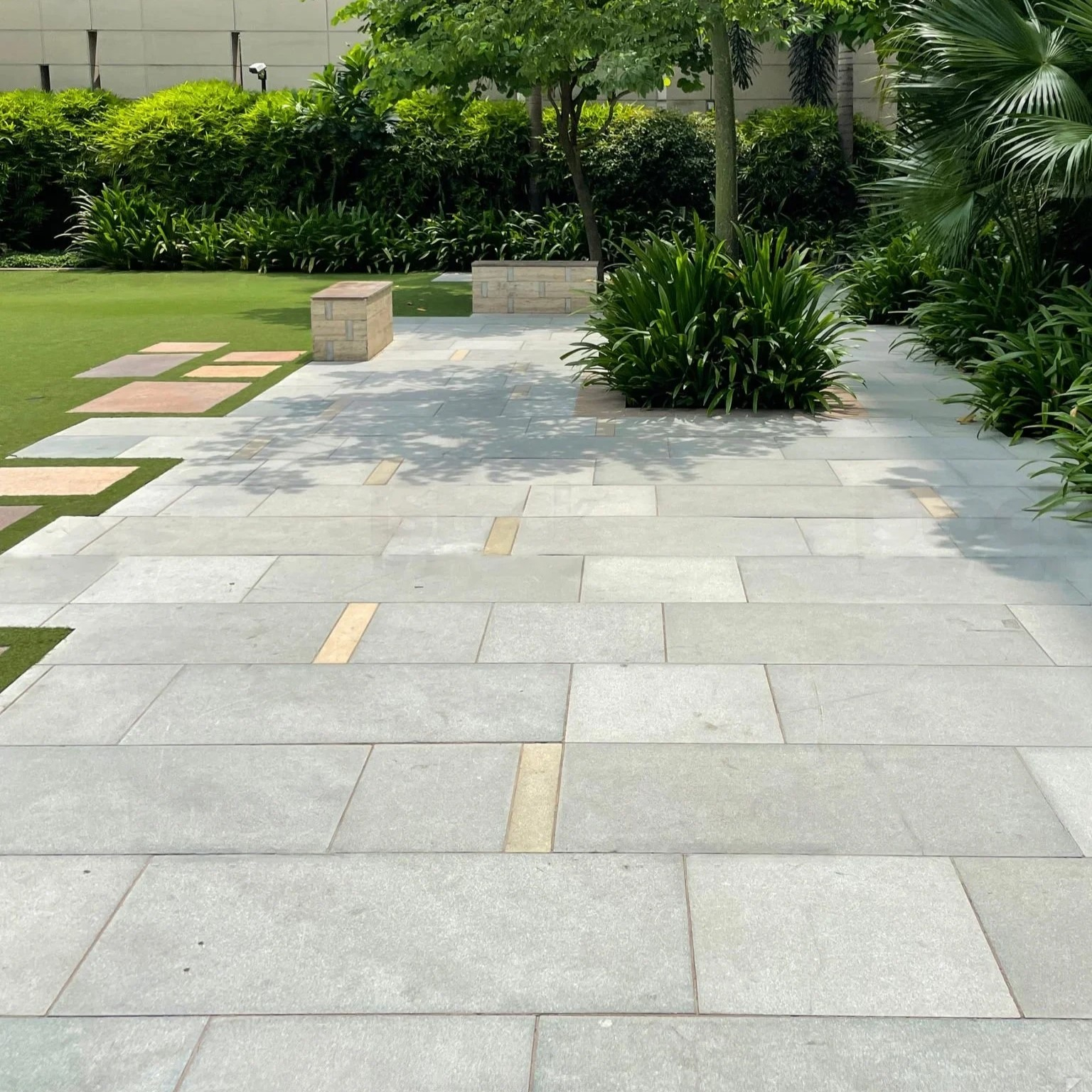

You’re standing in your backyard, staring at that patch of mud that used to be grass. It’s embarrassing, honestly. You want it to look nice. You want a place to walk without getting wet socks or tracking dirt into the house. But then you look at your bank account. Ouch. The dream of a sprawling stone patio suddenly feels like a distant memory, something for people with bigger wallets and less worry. So, what do you do? Do you scrape together every penny for those crisp, uniform pavers you saw on Pinterest? Or do you go for the scattered, organic look of stepping stones and hope it doesn’t look like you gave up?
It’s a tough call. And it’s not just about the price tag on the materials. It’s about how much work you’re willing to do yourself. It’s about whether you need a driveway that can hold a truck or just a path to the compost bin. In 2026, material costs have shifted again, and the old rules don’t always apply. Some "cheap" options end up costing more in labor. Some "expensive" looks can be faked with clever design. Let’s cut through the noise and figure out which option actually fits your life and your budget.
The Sticker Shock: Understanding Base Costs
Let’s talk money first, because that’s usually the dealbreaker. On paper, stepping stones almost always win the price war. You can find basic concrete stepping stones for as little as $1.30 to $3.00 each. If you’re doing a simple path, you might only need ten or twelve of them. That’s under $50 right there. Compare that to pavers. A decent quality concrete paver can run anywhere from $2.00 to $5.00 per square foot, and that’s just for the stone. Natural stone pavers? Forget it. Those can jump to $10.00 or $15.00 per square foot easy.
But here’s the thing people miss. You aren’t just buying rocks. You’re buying coverage. Stepping stones cover less ground. Sure, the unit price is low, but if you try to pave a whole patio with them, you’ll need a lot of filler material like gravel or mulch to fill the gaps. Pavers are dense. They cover every inch. So while the upfront cost per unit is higher for pavers, the total material volume needed for a solid surface is different. For a small garden path, stepping stones are undeniably cheaper. For a large entertaining area, the gap narrows because you’d need so many stones and so much filler to make it usable.
Also, keep an eye on durability ratings. Cheap isn’t always good value. If you buy soft cast stone stepping stones for a path where you shovel snow, they’ll chip and crack in one winter. As noted by industry pros, harder concrete options with high PSI ratings (like 8000 PSI) might cost a bit more upfront—maybe $1.30 instead of $0.90—but they last years longer. In the long run, replacing broken stones costs more than buying the right ones the first time. Don’t let the lowest price tag fool you into buying junk.
The Hidden Killer: Installation and Labor
Here’s where the budget really gets tricky. Are you doing this yourself? Or are you hiring someone? If you’re hiring a pro, labor will likely cost more than the materials. This is where stepping stones can sometimes become more expensive than pavers, depending on the design. Laying pavers is straightforward for a crew. They prep the base, lay the sand, and click the pavers into place. It’s fast. It’s predictable. They can do a hundred square feet in a day or two.
Stepping stones, especially if you want them to look natural and not just like dots in a row, require more finesse. Each stone needs to be individually leveled. The spacing has to look intentional, not random. If you’re using irregular flagstones as stepping stones, the installer has to cut and fit them around each other or into the ground carefully. That takes time. Time is money. So, while the stones are cheap, the labor bill might surprise you. A simple grid of pavers is often cheaper to install because it’s less fiddly.
If you’re DIYing, though, the script flips. Stepping stones are incredibly forgiving. If you mess up the spacing, you just move the stone. If the level is off, you dig a little more dirt out. No big deal. Pavers require precision. You need perfect edges. You need consistent joints. If your base isn’t perfectly flat, your pavers will wobble and shift. For a beginner, a stepping stone path is a manageable weekend project. A full paver patio is a week-long ordeal that might require renting heavy compactors and saws. Know your skill level before you buy.
Durability and Maintenance: The Long-Term Wallet Hit
Think about how you’ll use the space. This is crucial. Pavers are built for traffic. Cars, heavy furniture, parties with fifty people wearing heels—they can take it. They interlock (if installed right) and distribute weight evenly. If one cracks, you can pop it out and replace it. Easy. Stepping stones are isolated. They don’t support each other. If you put a heavy grill on a single stepping stone, it might sink into the ground over time. If you drive a car over them? Disaster. They’ll crack or shift unpredictably.
Maintenance is another angle. Pavers need occasional re-sanding of the joints to keep weeds out and stability up. You might need to seal them every few years to keep the color vibrant and prevent staining. That’s a cost, both in materials and time. Stepping stones set in mulch or gravel need weeding. Oh, the weeding. If you don’t use a good landscape fabric underneath, you’ll be pulling dandelions out of the gaps every spring. That’s free labor, sure, but it’s annoying. And if moss grows on them in shady areas, they get slippery. Pressure washing helps, but it’s another chore.
In colder climates, consider the freeze-thaw cycle. Pavers installed with proper drainage handle this well. Water drains through the joints. Stepping stones, if not bedded correctly, can heave up when the ground freezes. Then you have tripping hazards. Fixing a heaved paver section is hard. Fixing a heaved stepping stone is just lifting it and adding more gravel underneath. For low-traffic garden paths, stepping stones are low-maintenance enough. For high-use zones, the robustness of pavers saves you from constant repairs.
Design Flexibility: Getting the Look You Want
Let’s be real. We all want our yards to look amazing. Pavers offer a clean, structured look. They say "organized." They say "I planned this." You can do herringbone patterns, basketweave, or running bond. These patterns look fancy and expensive, even if you’re using standard concrete pavers. It’s a visual trick. A complex pattern distracts the eye from the simplicity of the material. This is a great budget hack. Use cheap pavers but lay them in a sophisticated pattern. It elevates the whole space without breaking the bank.
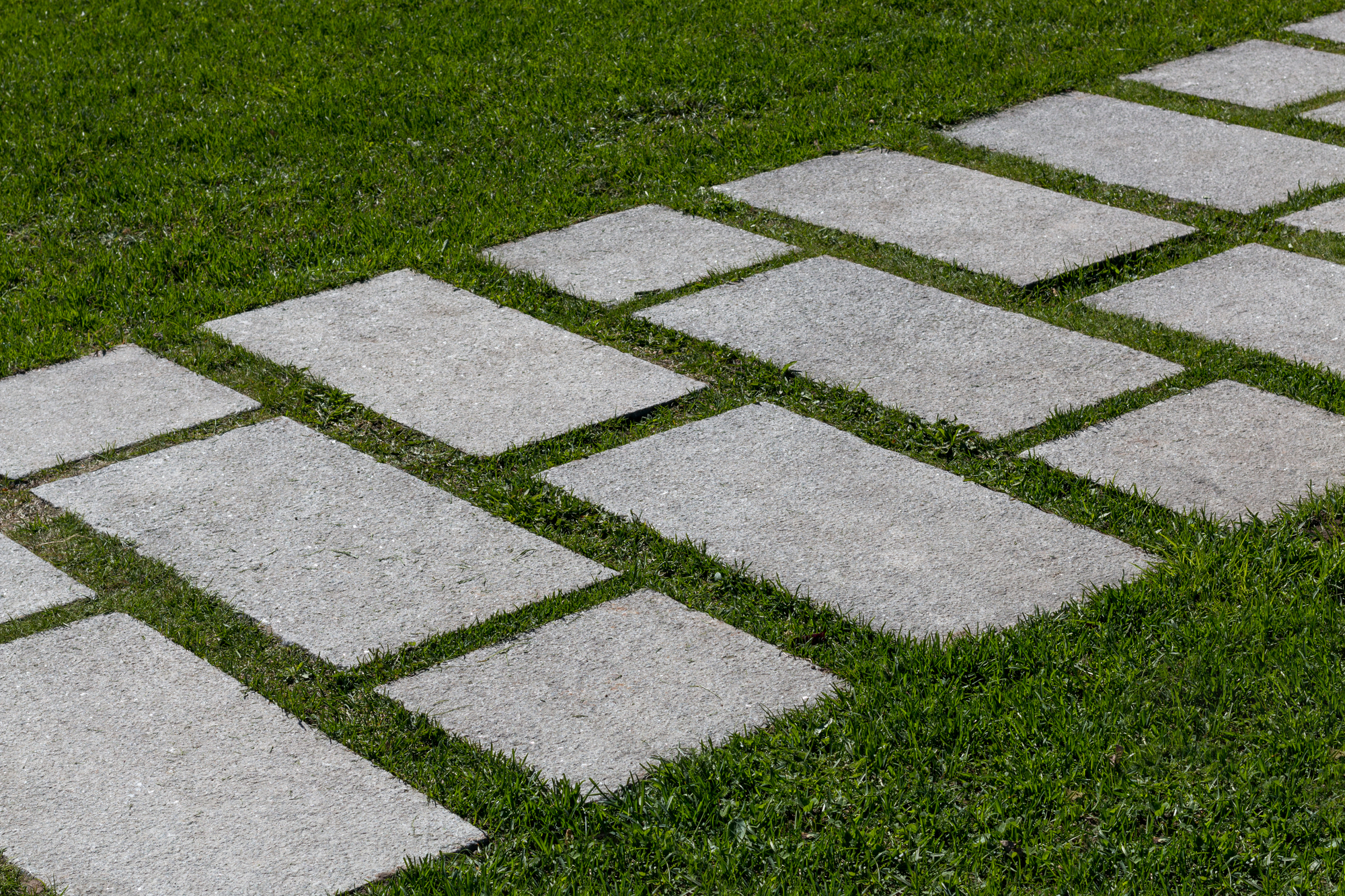
Stepping stones offer a different vibe. They’re relaxed. Natural. They blend into the garden rather than dominating it. You can mix sizes. You can use round stones, square slabs, or irregular chunks of flagstone. You can plant thyme or creeping jenny between them to soften the look. This organic style is very popular in 2026 because people want their outdoors to feel like an extension of nature, not a construction site. It’s easier to make a stepping stone path look "intentional" even if it’s a bit messy. A messy paver patio just looks like a failed DIY job.
However, mixing materials can save you serious cash. Why pave the whole area? Try a hybrid approach. Use pavers for the main seating area where you need a flat, stable surface for chairs and tables. Then, lead away from that area with a stepping stone path through gravel or mulch. This breaks up the hardscape, reduces the amount of expensive pavers you need, and adds visual interest. It looks custom-designed, not budget-constrained. It’s a win-win for your wallet and your aesthetic.
Smart Budget Hacks for 2026
So, how do you stretch your dollar further this year? First, consider recycled or surplus materials. Many landscape supply yards have leftover pallets of pavers from big jobs. They might sell them at a discount. They might be slightly chipped or varied in color, but for a rustic look, that’s perfect. Check local online marketplaces too. People often give away leftover stones from their own projects just to clear space.
Second, think about the base. You don’t always need a thick layer of crushed stone for a simple garden path. For stepping stones in a lawn, you can often just dig out the sod, add a little sand for leveling, and drop the stone in. Save the expensive gravel base for areas that need structural integrity, like driveways or patios. Don’t over-engineer the simple stuff.
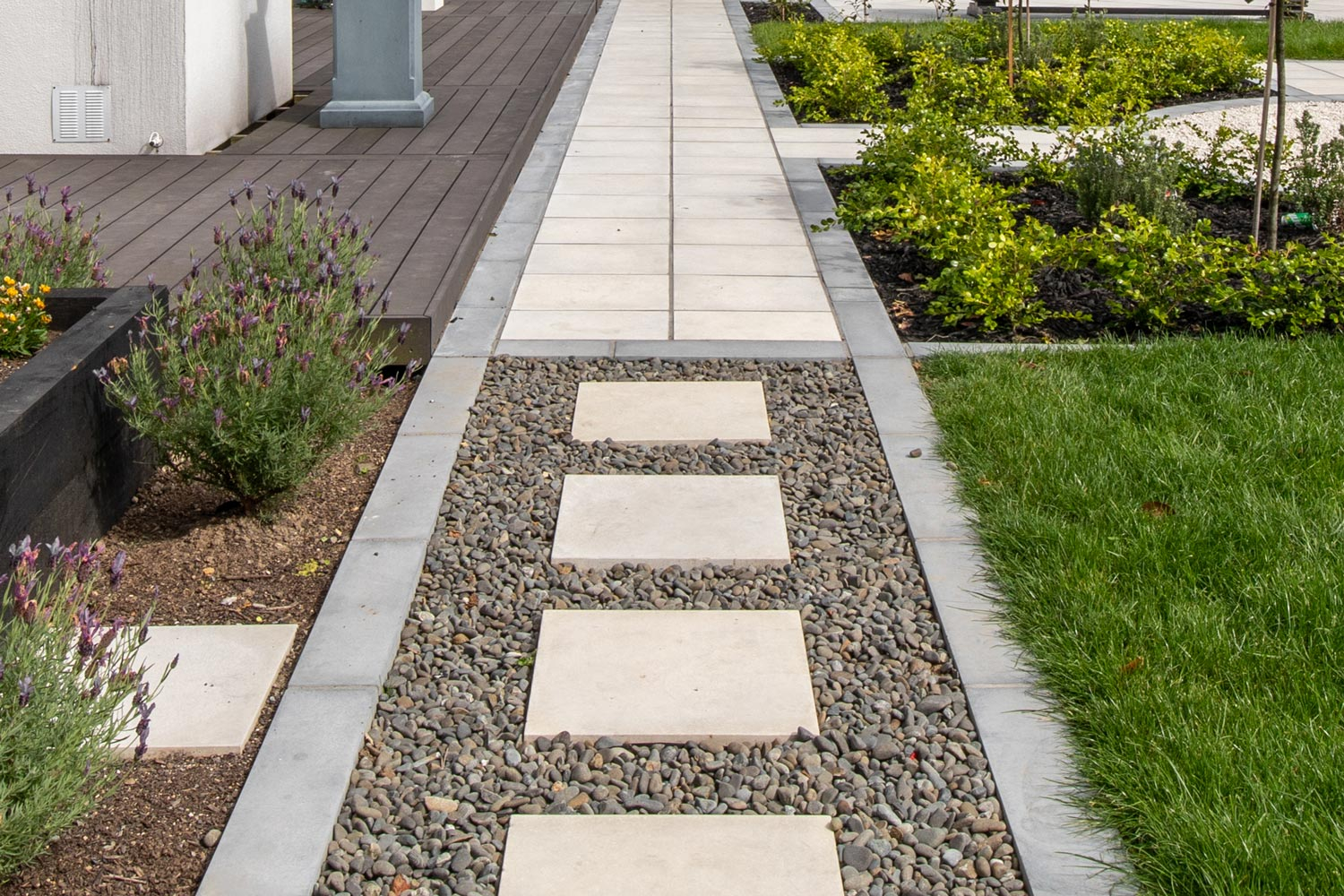
Third, use gravel as your best friend. Gravel is cheap. It drains well. It looks good. By using stepping stones set in gravel, you reduce the number of stones needed by half compared to a solid path. You get the functionality of a walkway with a fraction of the material cost. Just make sure you use angular gravel (like crusher run) that locks together, not smooth river rock that shifts underfoot. It’s safer and more stable.
Finally, start small. You don’t have to do the whole yard at once. Build a small paver landing by the back door. Add a stepping stone path to the fire pit later. Spread the cost over time. This also lets you learn as you go. Maybe you’ll realize you hate the look of gray concrete and want to switch to natural stone for the next phase. Flexibility is key when budgets are tight.
Before you swipe that card or load up the truck, pause. Ask yourself these three questions. First, what is the primary use? Is it for walking? Entertaining? Parking? If it’s for parking or heavy entertaining, bite the bullet and go with pavers. The durability is worth the extra cost. If it’s just a path to the shed, stepping stones are plenty.
Second, how much sweat equity do you have? Be honest. If you have a bad back or zero patience, pay for the pavers and hire a pro to install them quickly. If you love gardening and have weekends to spare, stepping stones are a fun, low-stress project. Don’t underestimate the physical toll of moving hundreds of pavers. It’s exhausting.
Third, what’s your long-term vision? Are you staying in this house for ten years? Or is this a quick flip to boost curb appeal? For long-term living, invest in quality pavers that won’t shift or weed up. For a quick sale or temporary fix, stepping stones offer instant gratification and low commitment. They’re easy to remove if the next owner wants something else.
There’s no single right answer. It’s about balancing your immediate cash flow with your desired outcome. Sometimes, spending a bit more now saves headaches later. Other times, a clever, low-cost solution is exactly what the space needs. Trust your gut, measure twice, and don’t be afraid to mix and match. Your yard should reflect your life, not just your bank balance.
At the end of the day, both options have their place. Stepping stones bring that whimsical, garden-path charm that feels inviting and soft. Pavers bring order, strength, and a polished finish. Neither is inherently better. It’s all about context. If you’re still stuck, look at your neighbors. What works in their yard? What fails? Learn from their mistakes. And remember, a imperfect path is still a path. It gets you where you’re going. That’s what matters most.