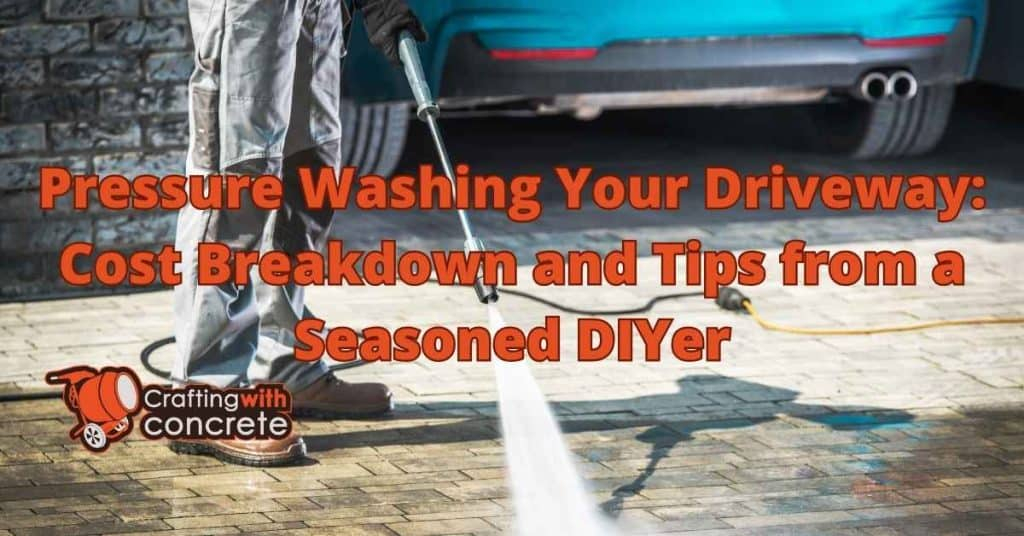

Let’s face it, your driveway takes a beating. Between the oil drips, the changing weather, and the mud tracked in over the winter, that concrete or brick is probably looking a little worse for wear right now. Spring and summer are here in 2026, and you are likely looking at that dingy surface thinking it is finally time for a deep clean.
But before you rush out to buy equipment or call up the first company you see online, you need a plan. It is easy to assume blasting away dirt is a cheap weekend chore, but hidden costs can pop up fast. Budgeting the right way means looking at the real numbers, deciding how much your free time is worth, and making sure you don’t accidentally ruin your property in the process.
Real Cost Expectations for 2026
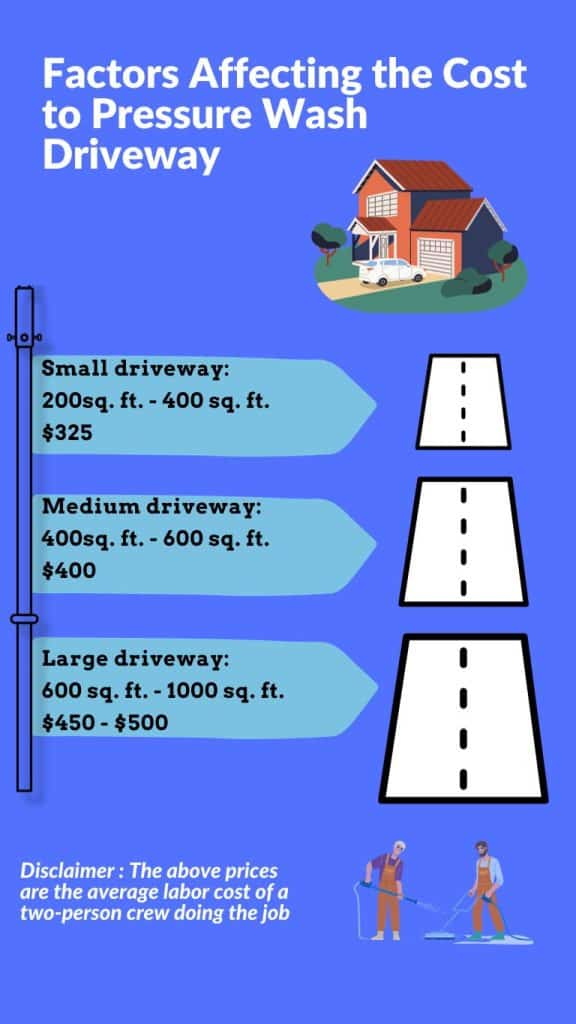
If you want to hire a professional service this year, the price tag depends heavily on the size of your driveway. On average, homeowners are spending anywhere from $150 to $450 for a standard two-car driveway. Most companies will charge you either by the square foot—usually ranging from $0.20 to $0.40—or a flat rate based on how many cars can fit on the surface.
Of course, if you have a long, winding country driveway, that price is going to climb. It is always a smart move to ask for a flat quote upfront rather than an estimate. Some companies might add extra fees if the stains are severe, like deep engine oil or old rust spots, because those require special chemical treatments and more time to lift.
The DIY Route vs. Hiring a Pro
Thinking about doing it yourself to save a few bucks. It is totally doable, but you have to look at the gear you need. If you do not own a pressure washer, renting a commercial-grade one from a local hardware store will run you about $40 to $100 per day. Then you have to factor in the cost of fuel, heavy-duty extension hoses, and the cleaning detergents themselves.
The biggest hidden cost of DIY is your weekend. Cleaning a large driveway properly takes hours, especially if you are using a smaller consumer machine. You also run the risk of using too much pressure and etching the concrete, which creates permanent damage that costs thousands to fix. Weighing your time and the risk of mistakes against a couple hundred bucks for a pro is the first big decision.
Choosing the Right Equipment and Chemicals
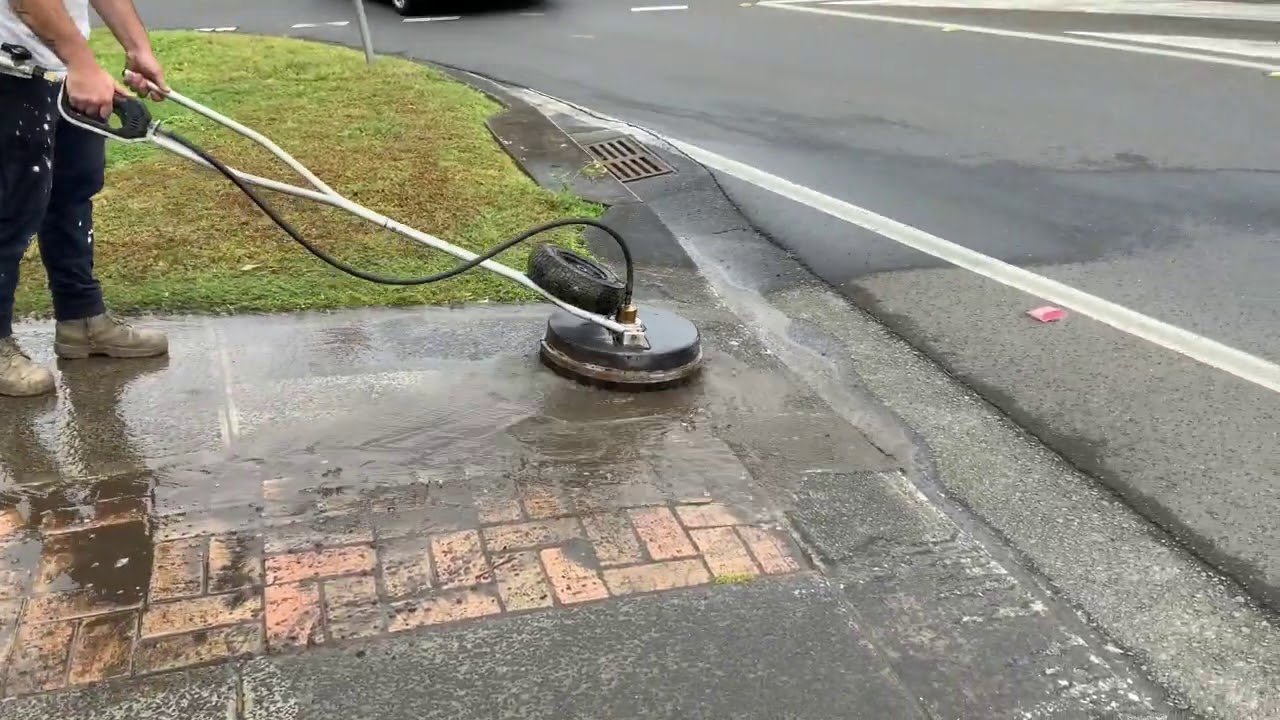
If you decide to take the DIY path, don’t just grab the most powerful machine available. For concrete, you generally want something pushing around 3,000 PSI to get the deep grime out. However, if your driveway is made of pavers or soft stone, high pressure will destroy the joints and erode the material. In those cases, a gentler approach called soft washing is much safer.
You also need to budget for the right soaps. Water alone rarely cuts through grease and mold. A good biodegradable concrete cleaner or a specialized degreaser will cost you an extra $20 to $50. Make sure to read the labels carefully so you do not kill your lawn or the surrounding bushes when the soapy water runs off.
Watch Out for Hidden Costs
There are always a few expenses that people forget to write down in their budget. The first one is your water bill. Pressure washers use a lot of water, and running one for four or five hours straight will cause a noticeable spike on your next utility statement. It is usually not an astronomical amount, but it is something to keep in mind.
Another sneaky cost is dealing with paver sand. If you have a brick or paver driveway, high-pressure water will inevitably blast away the polymeric sand between the joints. You will need to budget for a few bags of replacement sand and a broom to sweep it back in once the surface dries. Skipping this step allows weeds to take over and causes the pavers to shift.
Getting the Most Value From Estimates
When you start calling local businesses for quotes, do not just automatically pick the lowest number. A super cheap price often means the contractor lacks proper insurance, or they might do a rushed job that leaves ugly zebra stripes all over your concrete. Ask them exactly what is included in the price tag.
A reputable company should include surface pre-treatment, the washing itself, and a thorough rinse of your house siding and garage doors afterward, since dirty water tends to splash up during the process. Getting at least three different written quotes gives you a realistic baseline for your specific neighborhood.
If you want your investment to last, you should consider budgeting for a sealer right after the wash. While applying a concrete sealer adds an extra expense—potentially doubling your project cost—it protects the clean surface from absorbing new oil stains and prevents water from cracking the concrete during freezing weather.
Think of sealing as a way to save money down the road. A well-sealed driveway only needs a deep pressure wash every three to four years, whereas an unprotected surface might need a scrubbing every single spring. It is a classic case of spending a little bit more right now to protect your wallet in the future.
Taking care of your home does not have to mean draining your bank account. Whether you decide to spend a Saturday sweating behind a rented machine or you hand a check to a professional crew, knowing the real numbers beforehand keeps you in control. A clean driveway instantly boosts your home’s curb appeal and keeps the surface in great shape for years to come.
Take a good look at your schedule, check your local rental rates, and decide which path makes the most sense for your home this season. With a solid budget in hand, you can tackle those stubborn stains without any financial surprises.