
You know that feeling. You step out onto your porch with a mug of coffee, look down at your yard, and… well, it looks tired. Maybe it’s patchy. Maybe it’s got that weird yellowish tint that just screams "I need help." We’ve all been there. It’s frustrating, right? You water it. You mow it. You even talk to it sometimes (no judgment here). But it still doesn’t have that vibrant, carpet-like green you see in the magazines or on your neighbor’s perfectly manicured stretch of turf.
Here’s the thing most people miss. It’s not usually about how much you do. It’s about when you do it. Specifically, when you feed your grass. Think of it like eating dinner. If you eat a huge meal at 3 AM when your body wants to sleep, it’s not going to do you much good. In fact, it might make you feel terrible. Grass works the same way. Dumping nutrients on it when it’s dormant or stressed is like forcing food on a sleeping person. It’s wasteful, messy, and honestly, kind of harmful. But get the timing right? That’s when the magic happens. That’s when you get the lawn of your dreams.
So, why does this matter so much in 2026? Well, weather patterns are getting weirder. Springs are arriving earlier in some places, later in others. Summers are hotter. Relying on the old "fertilize on Memorial Day" rule isn’t cutting it anymore. You need a smarter approach. One that listens to what your grass is actually doing, not just what the calendar says. Let’s dive into why timing is the secret sauce to a greener, healthier yard.
Understanding the Grass Growth Cycle
Grass isn’t just sitting there looking pretty. It’s alive, breathing, and growing in cycles. To know when to fertilize, you first have to know what type of grass you have. Broadly speaking, there are two main camps: cool-season grasses and warm-season grasses. They have completely different schedules. Mixing them up is the number one mistake homeowners make.
Cool-season grasses, like Kentucky Bluegrass, Fescue, and Ryegrass, love the mild temperatures of spring and fall. Their biggest growth spurts happen when the air is crisp, not when it’s sweltering. If you live in the North or the Midwest, this is likely what you have. These grasses go dormant in the heat of summer. Feeding them in July is pointless. They aren’t hungry. They’re just trying to survive the heatwave. Instead, they want food in early spring to wake up and in early fall to store energy for winter.
Warm-season grasses, like Bermuda, Zoysia, and St. Augustine, are the opposite. They thrive in the heat. If you’re in the South or Southwest, you’re probably dealing with these guys. They sleep through the winter and wake up when the soil gets warm. Their peak hunger comes in late spring and summer. If you try to feed a Bermuda lawn in April when the soil is still cold, the fertilizer just sits there. It might even run off into the storm drains, which is bad for the environment and your wallet. Knowing your grass type is step one. Without it, you’re just guessing.
The Soil Temperature Rule
Forget the calendar for a second. Let’s talk about dirt. Specifically, how warm it is. This is the single most accurate way to determine if your lawn is ready for fertilizer. Grass roots absorb nutrients best when the soil temperature is within a specific range. For cool-season grasses, that’s usually when soil temps hit around 50-55°F (10-13°C). For warm-season grasses, you’re looking for 65-70°F (18-21°C).
Why does this matter? Because air temperature can be misleading. You might have a warm week in March where the air hits 70°F, so you think, "Great time to fertilize!" But the soil? It’s still cold from winter. The roots are sluggish. They can’t take up the nitrogen you just spread. So what happens? The fertilizer stays on the surface. Then it rains. And washes away. You’ve literally thrown money down the drain. Plus, unused nitrogen can leach into groundwater, which is a big no-no for local ecosystems.
How do you check soil temp? You don’t need a fancy lab. A simple soil thermometer costs about ten bucks at any garden center. Stick it about two inches into the ground in a few different spots. Take an average. Or, if you’re tech-savvy, many local university extension services in 2026 offer online soil temp maps based on local weather station data. It’s a game changer. Waiting for that specific soil temp ensures your grass is physiologically ready to eat. It’s active. It’s growing. It’s hungry. That’s when you feed it.
Seasonal Breakdown: Spring Awakening
Spring is tricky. Everyone wants to rush out and fertilize as soon as the snow melts. Don’t do it. I repeat: don’t do it. Early spring fertilizer applications are often wasted because the grass is focused on root development, not leaf growth. If you push top growth too early with high nitrogen, you weaken the roots. And weak roots mean a lawn that struggles when the summer heat hits.
For cool-season lawns, the best spring move is a light application of a slow-release fertilizer once the soil hits that 50°F mark. This gives them a gentle nudge to green up without causing a surge of weak, fast growth. Think of it as a light breakfast, not a feast. You want them to wake up gradually. If you go heavy-handed here, you’ll also encourage weeds. Crabgrass loves a nitrogen-rich environment in early spring. By holding back slightly, you give your grass a chance to establish itself before the weed seeds germinate.
Warm-season lawns should generally wait until late spring. Even if the air is warm, wait for that soil temp to hit 65°F. This is usually around May or June, depending on your latitude. Applying fertilizer too early to warm-season grass can actually delay its green-up. It sounds counterintuitive, but it’s true. The grass needs to naturally break dormancy first. Once you see consistent green growth and you’re mowing regularly, that’s your cue. A balanced fertilizer at this stage helps it build a strong foundation for the intense growing season ahead. Patience is key here. It feels hard to wait, but your lawn will thank you.
The Power of Fall Feeding
If spring is about waking up, fall is about packing for a long trip. For cool-season grasses, autumn is the most important fertilization window of the year. Period. This is when the grass shifts its energy from growing leaves to storing carbohydrates in its roots and crowns. These stored reserves are what keep the grass alive during winter and allow it to explode with green growth next spring.
The ideal time for this "winterizer" application is late fall, just before the ground freezes but after the grass has stopped growing vertically. Usually, this is September or October in northern regions. You want to use a fertilizer that’s higher in potassium and phosphorus, which help with root strength and disease resistance, rather than just pure nitrogen. This strengthens the plant cells, making them more resistant to freezing temperatures and winter diseases like snow mold.
Many people skip fall fertilization because the grass looks like it’s slowing down. They think, "It’s going to sleep, why feed it?" But that’s exactly why you feed it. It’s preparing for hibernation. A well-fed lawn in fall will green up faster in spring, resist drought better in summer, and have fewer weed problems. It’s the best investment you can make for your lawn’s long-term health. For warm-season grasses, fall is less critical, but a light application in early fall can help them recover from summer stress before they go dormant. Just don’t fertilize too late, or you’ll encourage tender new growth that will get killed by the first frost.
Avoiding Common Timing Mistakes
Let’s talk about what not to do. Because honestly, avoiding mistakes is half the battle. The biggest error? Fertilizing during drought or extreme heat. If your lawn is brown and crispy because it hasn’t rained in three weeks, do not fertilize it. Fertilizer salts draw moisture out of plant tissues. If the grass is already dehydrated, adding fertilizer is like pouring salt on a wound. It causes "fertilizer burn," leaving ugly yellow or brown streaks across your yard. Always water deeply before and after applying fertilizer, and never apply it when the grass is under severe stress.
Another common blunder is fertilizing right before a heavy rainstorm. Check the forecast. If there’s more than an inch of rain expected in the next 24 hours, wait. Heavy rain washes fertilizer off the blades and out of the soil before the grass can absorb it. This leads to runoff, which pollutes local streams and lakes with excess nutrients. It’s bad for the planet and bad for your lawn. Aim for a day with calm winds and a slight chance of light rain or irrigation later in the day. This helps wash the granules off the leaves and into the soil where they belong.
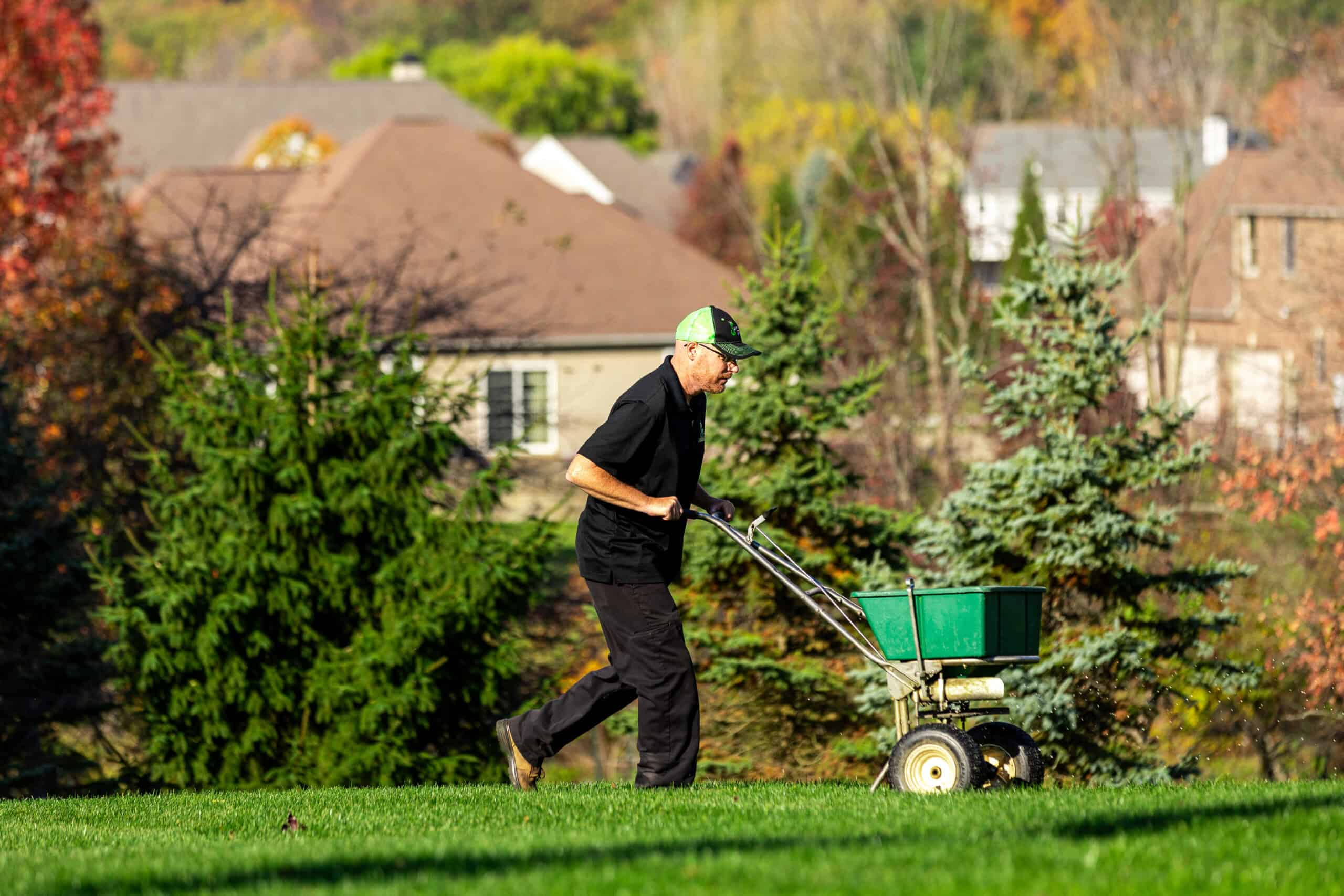
Also, avoid overlapping passes with your spreader. It’s easy to do if you’re not careful. Double-dosing a strip of lawn creates a stripe of burnt grass that stands out like a sore thumb. Use a handheld counter or mark your driveway to keep track of your turns. And please, don’t guess the amount. Read the bag. Use a calibrated spreader. More is not better. More is often toxic. Stick to the recommended rates on the label. Your lawn can only eat so much at once.
In 2026, we’re all more aware of our environmental footprint. Lawn care is no exception. Proper timing isn’t just about aesthetics; it’s about sustainability. When you fertilize at the wrong time, you contribute to nutrient pollution. Excess nitrogen and phosphorus run off into waterways, causing algal blooms that kill fish and disrupt ecosystems. By timing your applications correctly, you ensure the grass absorbs the nutrients, keeping them out of the water supply.
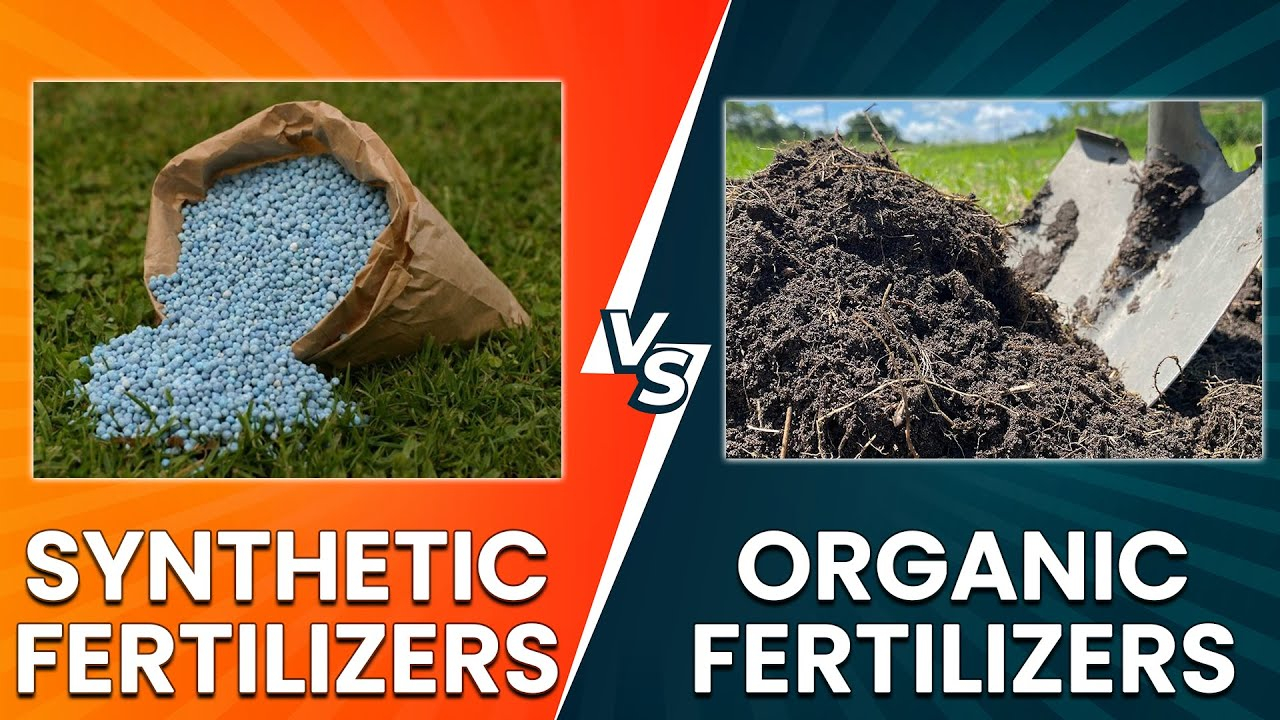
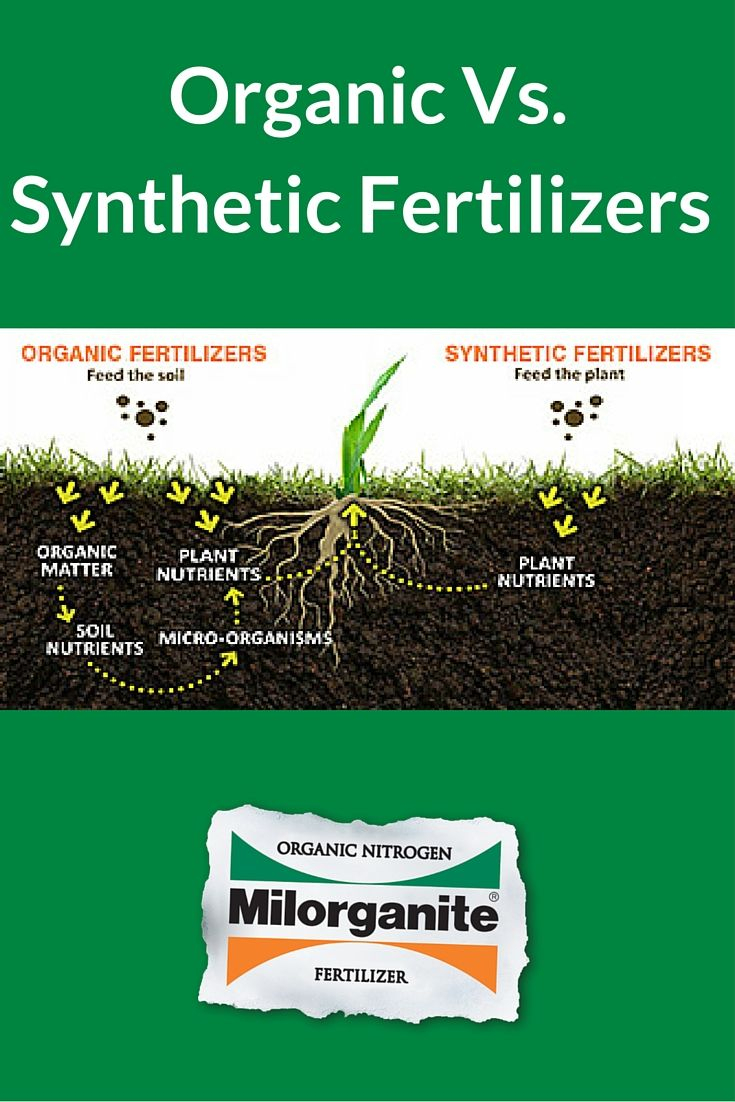
Consider using slow-release or organic fertilizers. These break down gradually, providing a steady supply of nutrients over weeks or months. They’re less likely to leach away during a sudden rainstorm compared to quick-release synthetic fertilizers. They also improve soil health over time by feeding the beneficial microbes in the dirt. Healthy soil means healthy grass, which means you’ll need less fertilizer in the long run. It’s a virtuous cycle.
You can also reduce your reliance on fertilizer by leaving grass clippings on the lawn after mowing. This practice, known as "grasscycling," returns valuable nitrogen and other nutrients back to the soil as the clippings decompose. It can reduce your fertilizer needs by up to 25%. Combine this with proper timing, and you’re creating a lawn that’s not only green but also environmentally responsible. It’s a small change that makes a big difference. Plus, it saves you time since you don’t have to bag the clippings. Win-win.
Getting the timing right for your lawn fertilizer isn’t rocket science, but it does require a bit of attention. It’s about observing your grass, understanding its needs, and working with nature instead of against it. By focusing on soil temperature, knowing your grass type, and avoiding common pitfalls, you can achieve that lush, green lawn you’ve always wanted. It’s not about buying the most expensive product or spending every weekend working. It’s about working smarter.
Remember, a healthy lawn starts with healthy roots. And healthy roots come from feeding your grass when it’s actually ready to eat. So, grab that soil thermometer. Check the forecast. And give your lawn the gift of timely nutrition. You’ll be surprised at how much greener, thicker, and more resilient your yard becomes. And honestly, there’s nothing quite like stepping out onto a vibrant, green lawn in the morning light. It’s worth the wait.