
You’re standing in your backyard, squinting at that old, rotting fence line. It’s leaning like it’s had one too many drinks. You know it’s time for a change. But when you start looking at options, the prices make your head spin. Is it cheaper to go with that trendy, eco-friendly bamboo? Or stick with the classic cedar or pine you’ve seen on every other house on the block?
It’s not just about the sticker price on the lumber. Not really. In 2026, the game has changed a bit. Supply chains have settled down from the chaos of the early twenties, but labor costs? They’ve climbed. And homeowners are smarter now. We aren’t just buying a barrier; we’re buying privacy, security, and curb appeal. So, which one actually saves you money in the long run? Let’s dig into the dirt and find out.
The Sticker Shock: Upfront Material Costs
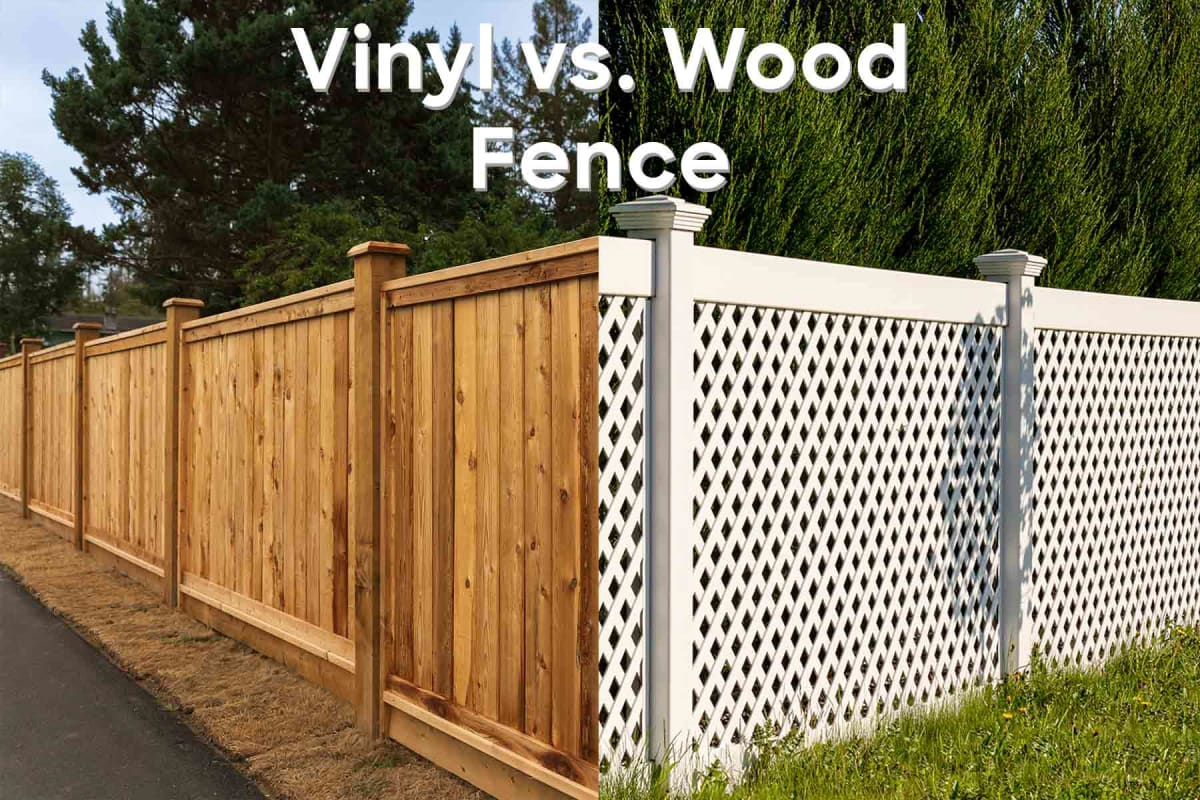
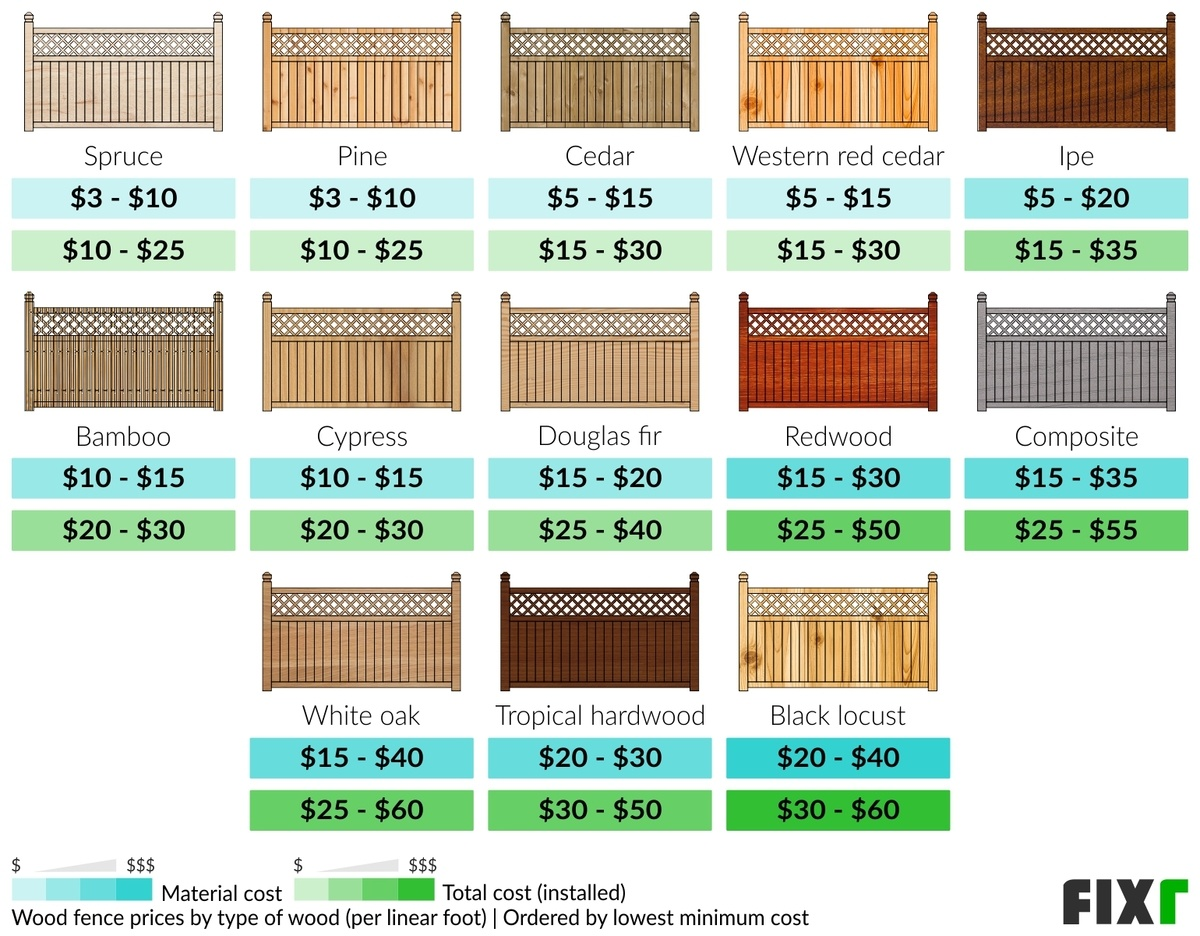
Let’s talk cash. Right out of the gate, wood usually looks like the winner if you’re only looking at the price per linear foot. Standard pressure-treated pine is still the budget king. In 2026, you’re looking at roughly $15 to $25 per linear foot for materials and basic installation. It’s accessible. It’s everywhere. You can drive to any big-box store and pick up a bundle today.
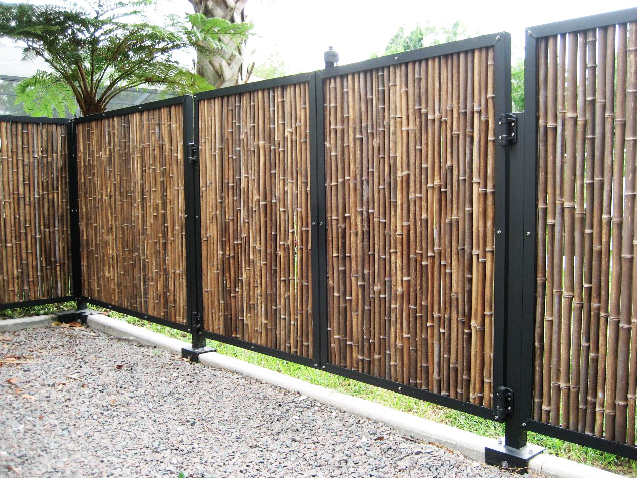
Bamboo, on the other hand, often carries a premium tag. Because most high-quality fencing bamboo is imported—usually from Asia or South America—shipping and tariffs play a huge role in the final cost. You’re likely paying between $20 and $35 per linear foot for comparable quality. That’s a noticeable jump. If you have a large yard, say 200 linear feet, that difference adds up to thousands of dollars before you’ve even hammered in the first post.
But here’s the twist. Not all wood is created equal. If you skip the cheap pine and go for cedar or redwood, the gap narrows significantly. Cedar prices have risen due to slower growth cycles and harvesting restrictions in the Pacific Northwest. Suddenly, that bamboo doesn’t look so expensive compared to premium hardwoods. It’s all about what tier of material you’re eyeing. Don’t just compare bamboo to the cheapest wood; compare it to the wood you actually want.
Labor and Installation: The Hidden Hurdles
Here’s something contractors won’t always tell you upfront: bamboo is trickier to work with. It’s hard. Dense. While it’s lightweight, drilling into it without splitting requires pre-drilling holes and specific screws. Wood, especially softwoods like pine, is forgiving. You can nail it, screw it, and sometimes even kick it into place if you’re feeling ambitious (though please don’t).
Because of this, labor costs for bamboo can run 10-15% higher than standard wood fencing. In 2026, with labor rates averaging $50 to $75 an hour depending on your region, that extra time adds up. A pro might charge you more because they know they can’t rush the job. If you’re a DIYer, be honest with yourself. Do you have the patience for bamboo? One split panel ruins the look. Wood is much more forgiving for the weekend warrior.
Also, consider the foundation. Bamboo fences are often lighter, which sounds good, but they need secure anchoring to withstand wind. Wood posts are heavy and often set deeper. If your soil is sandy or loose, you might need extra concrete or specialized anchors for bamboo to keep it from wobbling in a storm. These little extras nibble away at your budget. It’s not just the panels; it’s how they stay up.
Maintenance: The Money Pit Over Time
This is where the plot thickens. Wood is high maintenance. We all know it. Every two to three years, you need to stain or seal it. If you don’t, it grays, cracks, and eventually rots. In 2026, the cost of quality sealants and stains has gone up, plus the value of your own time. Let’s say you spend $200 every three years on supplies and a weekend of labor. Over ten years, that’s nearly $700 and a lot of sweat equity.
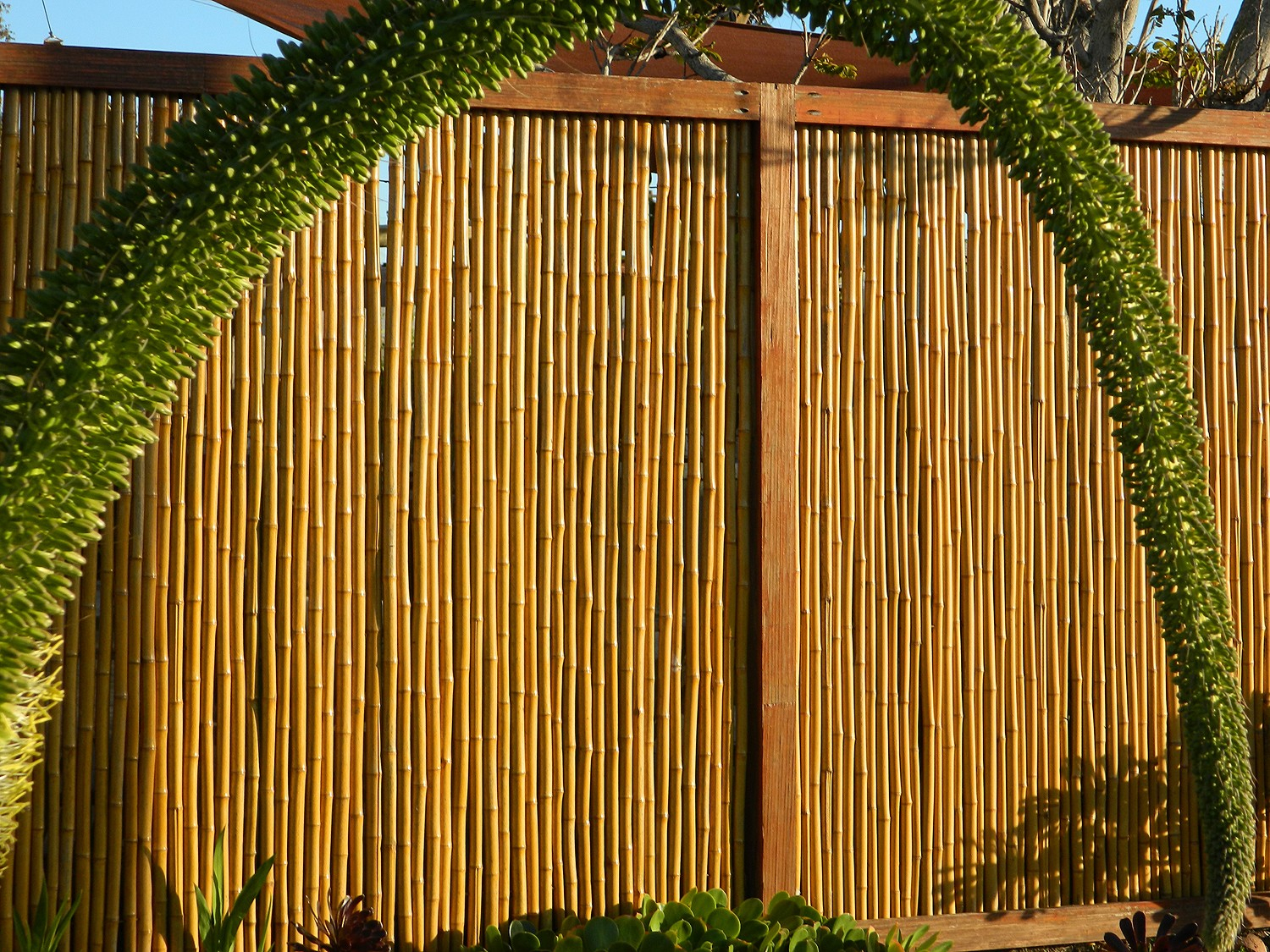
Bamboo is naturally resistant to insects and moisture, thanks to a waxy layer called silica. It doesn’t need staining to survive. However, it’s not invincible. UV rays can bleach it out, turning it from a rich honey color to a dull gray. To keep it looking fresh, you should apply a UV-protective oil once a year. It’s easier than sanding and restaining wood, but it’s still a task. Neglect it, and it becomes brittle.
So, who wins? Bamboo generally requires less intensive care. You aren’t stripping old paint or dealing with mold as often. But "low maintenance" isn’t "no maintenance." If you hate spending weekends working on your house, bamboo might save your sanity, if not a massive amount of cash. Just remember that replacing a rotted wood plank is easy; replacing a cracked bamboo pole often means replacing the whole section.
Longevity and Durability: What Lasts Longer?
How long do you want this fence to last? A well-maintained cedar fence can last 15 to 20 years. Pressure-treated pine? Maybe 10 to 15 if you’re lucky and diligent. Bamboo, when properly cared for and kept off the ground (to prevent wicking moisture), can last 20 to 25 years. Some high-grade treated bamboo claims even longer.
But durability isn’t just about time; it’s about weather. If you live in a humid, rainy climate like the Southeast US, wood fights a constant battle against rot and termites. Bamboo shines here. Its natural composition repels bugs and handles moisture better than most softwoods. Conversely, if you’re in a dry, windy area like Arizona, bamboo can dry out and crack if not oiled regularly. Wood might hold up better structurally in extreme dryness, though it will fade.
Think about your local environment. In 2026, with weather patterns becoming more unpredictable, resilience matters. Hailstorms can dent wood; they can shatter brittle bamboo. High winds can topple both if not installed right. But generally, bamboo offers a slight edge in lifespan, provided you bought high-quality, strand-woven or treated poles. Cheap, untreated bamboo will fall apart in five years, making it a terrible investment.
Eco-Friendliness and Resale Value
More homeowners in 2026 care about the footprint of their choices. Bamboo is a grass, not a tree. It grows back in 3-5 years, making it highly renewable. Wood takes decades to mature. If sustainability is a core value for you, bamboo feels like the moral win. This isn’t just warm and fuzzy feelings; it affects resale value. Buyers are increasingly looking for eco-friendly features.
However, there’s a catch. How far did that bamboo travel? Shipping it across the ocean creates carbon emissions. Local wood, even if it’s harvested from trees, might have a lower transportation footprint if sourced nearby. It’s a complex calculation. But generally, the rapid renewability of bamboo gives it a marketing edge.
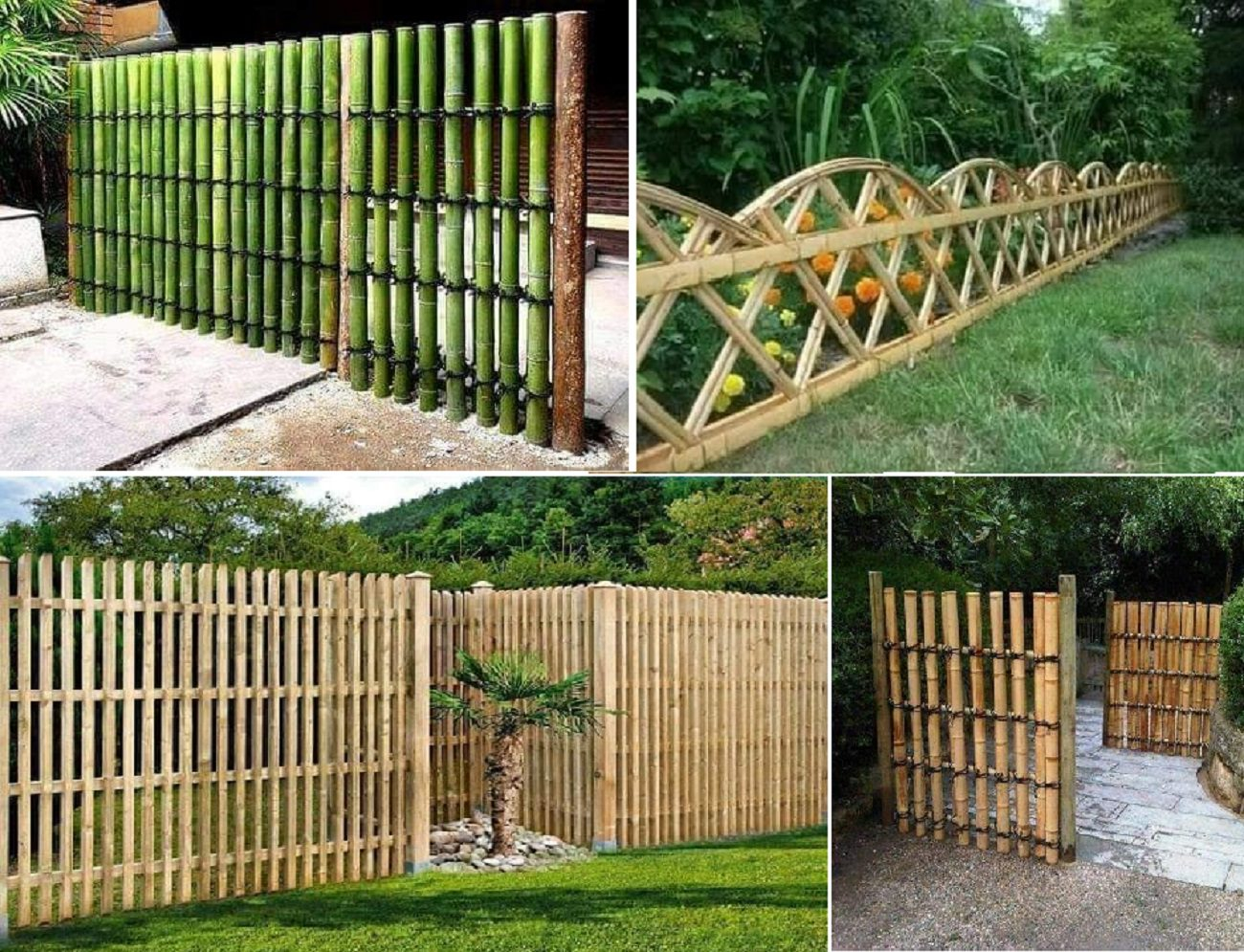
When it comes time to sell, a beautiful, exotic bamboo fence can be a talking point. It signals a modern, thoughtful home. A standard wood fence is expected; it’s neutral. It won’t hurt your sale, but it won’t necessarily wow buyers either. If you’re planning to move in five years, the aesthetic appeal of bamboo might offer a slightly better return on investment, appealing to younger, eco-conscious buyers.
So, what’s the verdict? If you are tight on cash right now and plan to stay in your home for a short time, wood—specifically pressure-treated pine—is the practical choice. It’s cheap upfront, easy to fix, and does the job. You can always replace it later. It’s the safe, traditional bet.
If you have a bit more breathing room in your budget and plan to stay put for a decade or more, bamboo is worth the extra initial cost. The lower maintenance and longer lifespan balance out the higher price tag. Plus, you get that unique, tropical look that stands out. It’s an investment in both your time and your property’s character.
Don’t forget to get three quotes. Prices vary wildly by contractor. Ask specifically about their experience with bamboo. An inexperienced installer can ruin expensive materials quickly. Look at samples in person. Touch them. See how dense they feel. In 2026, quality varies more than ever. Choose the material that fits your wallet today and your lifestyle tomorrow. It’s your backyard, after all. Make it count.