
Ever looked at a neighbor’s yard and wondered why their grass looks like a velvet golf course while yours looks like a patchy patchwork quilt. It is a frustrating puzzle. Most folks think a green thumb is something you are just born with, but it is actually way simpler than that. It all comes down to geography and timing.
Getting your yard to look amazing in 2026 does not require a degree in botany. Instead, you just need to understand the unique climate rules of your own backyard. If you plant the wrong seed at the wrong time, you are basically throwing money into the dirt. Let us fix that by looking at how growing zones dictate your lawn’s success.
What on Earth is a Growing Zone Anyway?
When you look up gardening tips, you will constantly hear about the USDA Plant Hardiness Zone Map. The government actually updated this giant interactive map not too long ago, using crazy detailed data to pinpoint average lowest winter temperatures. It divides the country into numbered zones based on how chilly it gets.
But here is the twist for lawn lovers: grass cares about winter cold, but it cares just as much about summer heat. That is where grass zone maps come into play, dividing the country into three main camps: cool-season, warm-season, and the tricky transition zone. Knowing your number and your camp changes everything.
Cool-Season Grasses: The Northern Favorites
If you live up north where winters are brutal and summers are relatively mild, you are dealing with cool-season territory. We are talking about grasses like Kentucky Bluegrass, Perennial Ryegrass, and Fine Fescue. These varieties thrive when the air is crisp.
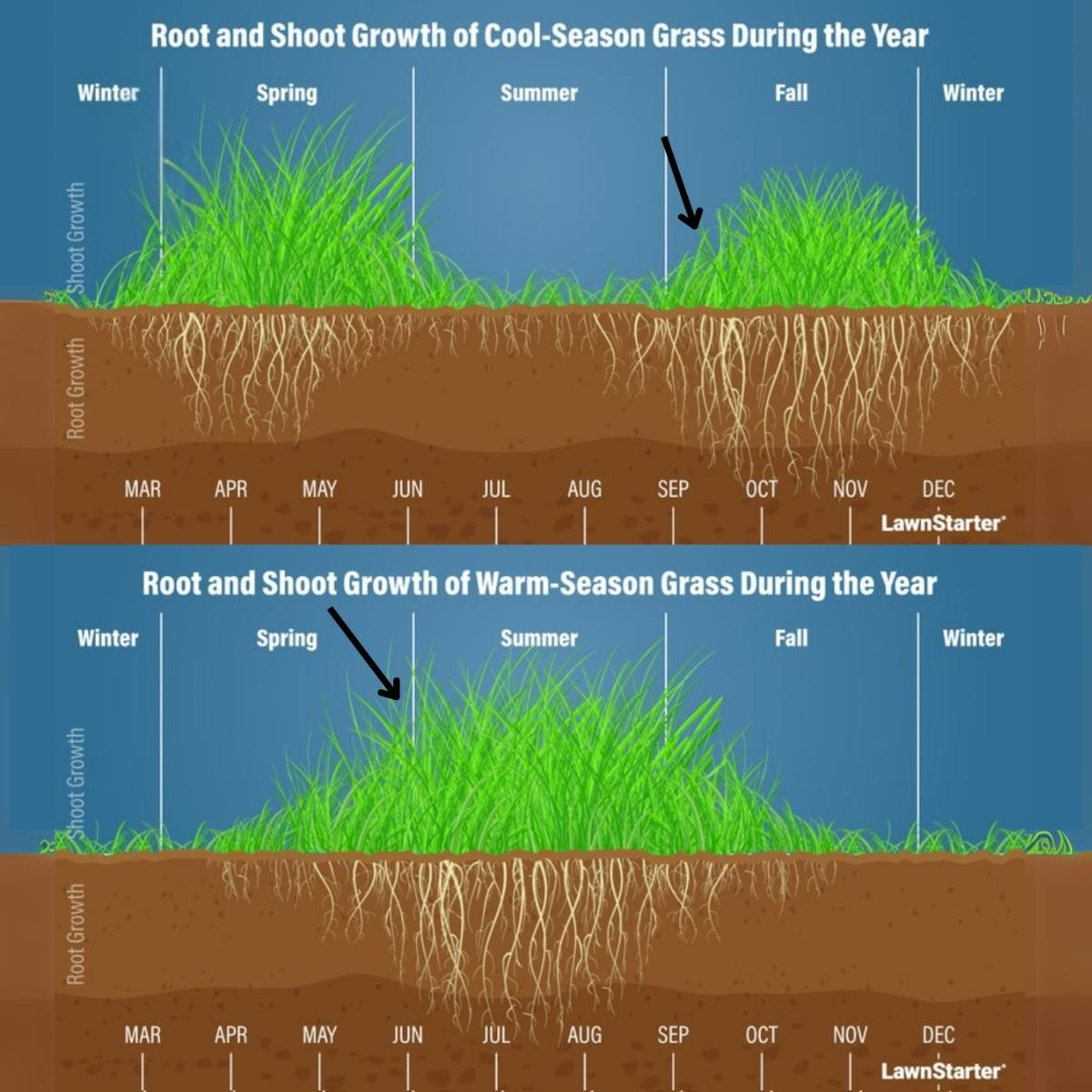
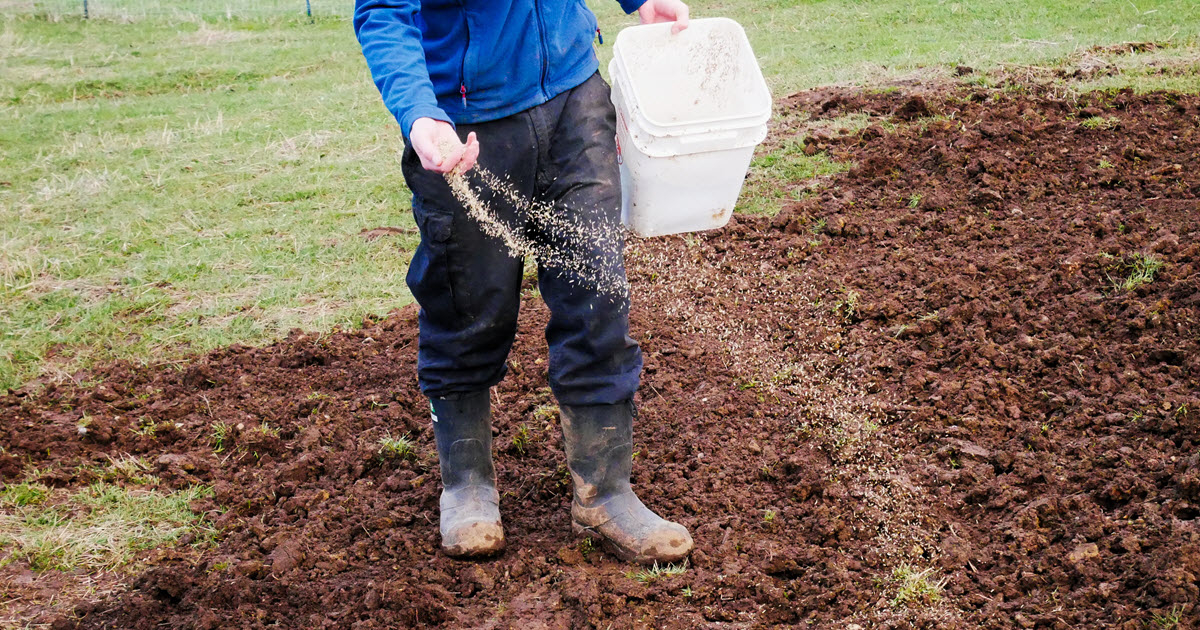
The secret to these grasses is that they do most of their growing during the spring and autumn. If you try to plant these seeds in July, the scorching heat will kill them before they even take root. Instead, successful yard owners in these zones always aim for late summer or early fall to spread their seed.
Down south, the rules completely flip. In places like Texas, Florida, or Georgia, summers are scorching and winters are gentle. This is the domain of Bermudagrass, Zoysia, and St. Augustine. These tough plants love the sunshine and do not mind a heatwave.
For these southern lawns, planting during the chillier months is a total