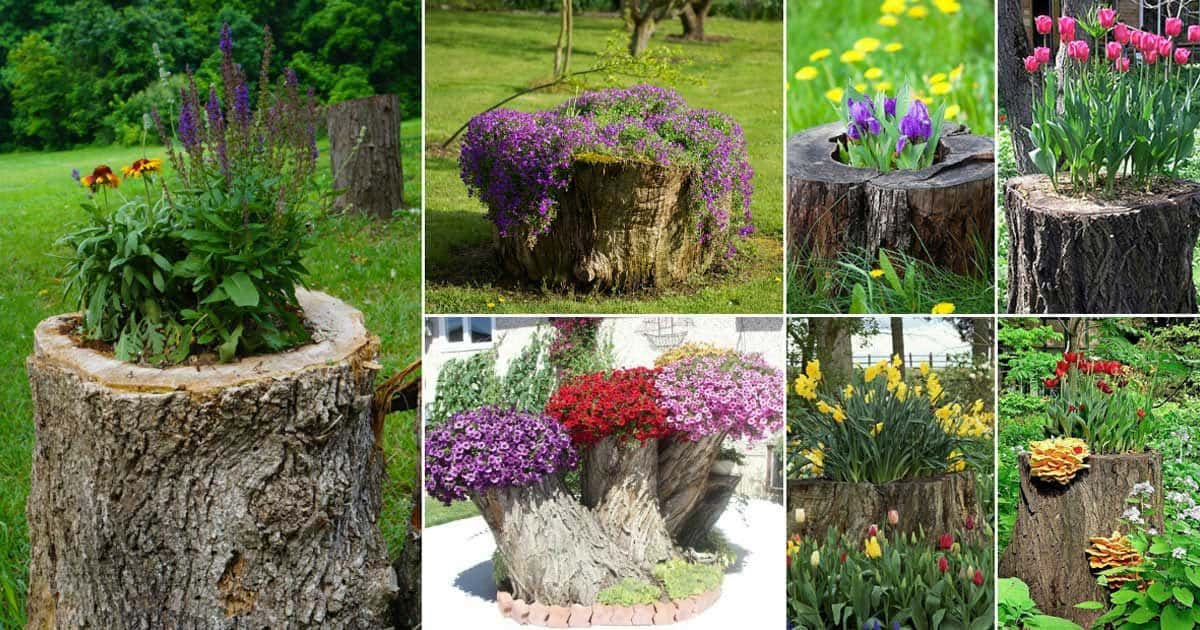

The chainsaw buzzes, the heavy canopy crashes to earth, and suddenly you are left staring at an awkward wooden cylinder protruding from the center of your lawn. For decades, the knee-jerk reflex of suburban property management was absolute eradication. Homeowners reached for mechanical stump grinders, caustic chemical rotting agents, or heavy excavation equipment to erase every trace of the fallen giant. We treated a cut trunk as a scar, an unsightly blemish that demanded immediate correction to preserve property aesthetics and neighborhood decorum.
Yet, as we navigate the environmental realities of 2026, our relationship with suburban and urban ecology is undergoing a profound shift. The manicured, sterile green desert of the twentieth century is giving way to regenerative landscapes that work with natural cycles rather than fighting them. Soil health, carbon sequestration, and pollinator preservation are no longer buzzwords restricted to remote wilderness reserves; they are guiding principles for modern backyard design. When viewed through this lens, that stubborn pine or oak remnant is not an eyesore. It is a biological goldmine waiting to be unlocked.
The cultural obsession with pristine, unbroken turfgrass has historically blinded us to the vital roles dead wood plays in terrestrial ecosystems. Forests do not clean up after themselves; they thrive on the slow, methodical breakdown of biomass. By bringing this natural framework into residential garden planning, we unlock an engine of biological activity that no bottle of synthetic fertilizer can ever replicate. Leaving that timber anchor in place transforms a perceived maintenance headache into the beating heart of your backyard micro-ecosystem.
The Secret Underground Ecology Powered by Decaying Timber
When a tree is felled, the subterranean fungal networks and root systems do not simply die overnight. Beneath the surface, miles of mycorrhizal mycelium remain active, searching for new sources of carbon and stabilizing the surrounding soil matrix. As the above-ground stump slowly softens, it acts as a sponge, absorbing rainfall and releasing moisture steadily into the surrounding earth during dry spells. This moisture-retention mechanism creates a micro-climate in the immediate root zone, offering a safe haven for beneficial bacteria, earthworms, and native macro-invertebrates during scorching summer heatwaves.
Wood-decay fungi are the true master chemists of the natural world. Basidiomycetes and other saprotrophic fungi secrete specialized enzymes—lignin peroxidase and manganese peroxidase—that break down the tough, recalcitrant lignin and cellulose binding wood fibers together. As these fungi digest the stump, they unlock locked-up macronutrients, transforming solid wood into a rich, spongy humic material. This biological transformation continuously feeds the surrounding topsoil, gradually lowering or neutralizing pH depending on the wood species, and creating a crumbly, nutrient-dense soil texture that plant roots naturally migrate toward.
Furthermore, the physical presence of the root plate underground acts as a massive anchor. Pulling a stump requires tearing through extensive subterranean networks, which disrupts soil layers, brings dormant weed seeds to the surface, and damages the delicate soil food web. Leaving the root system intact preserves soil architecture and prevents localized erosion on slopes or vulnerable garden beds. Over a span of several years, these roots decompose underground, leaving behind microscopic air and water channels that enhance overall soil porosity without mechanical intervention.
Biodiversity Hotspots and the Return of Beneficial Wildlife
Modern gardeners frequently lament the absence of beneficial insects, songbirds, and amphibians, yet they simultaneously eradicate the exact habitats these creatures require to survive. A decaying tree stump functions as a high-rise apartment complex for a staggering array of wildlife. Solitary bees, such as carpenter bees and leafcutter bees, bore neat cylindrical galleries into moderately weathered hardwood to lay their eggs, providing crucial pollination services for your neighboring fruit trees and vegetable patches.
As the wood softens further into crumbly, moist rot, it becomes prime real estate for amphibians like the American toad and various salamander species. These creatures rely on rotting timber for damp shelter during the day, emerging at night to hunt down garden pests like slugs, cutworms, and beetles. Beetles, particularly stag beetles and click beetles, lay their eggs exclusively in decaying wood. Their larvae spend years feeding on the fibrous material, aerating the wood further and serving as an essential protein source for visiting woodpeckers, nuthatches, and small mammals.
By choosing to leave the timber in place, you actively participate in urban wildlife conservation. You transform your property from a biological dead zone into an interactive nature sanctuary. Watching a downy woodpecker meticulously peel away flakes of bark in search of grubs, or discovering a patch of delicate fairy ink cap mushrooms sprouting from the fissures, offers an educational and grounding experience that synthetic mulch beds simply cannot match.
Strategic Integration Techniques for Modern Landscapes
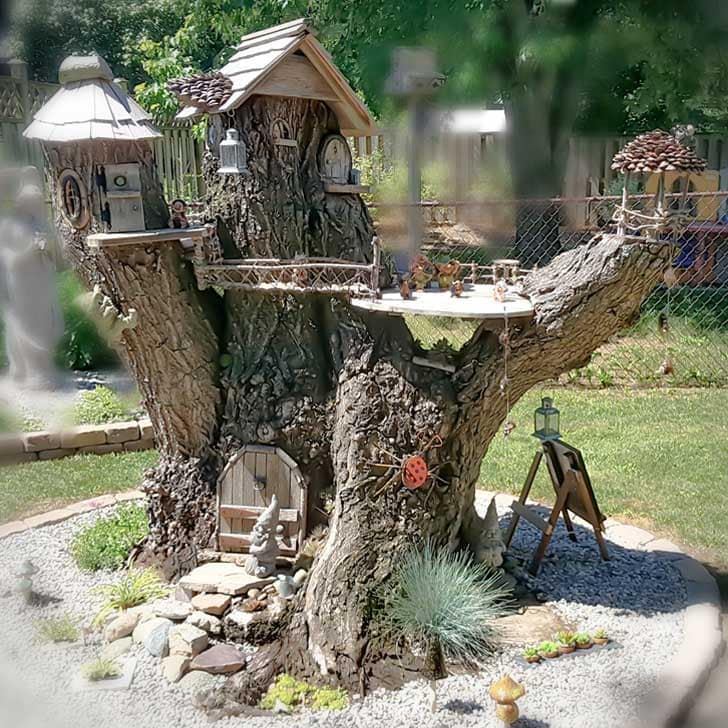
Rather than leaving a raw stump exposed in the middle of a high-traffic lawn where it might interfere with mowing, smart landscape planning integrates the timber organically into your garden layout. The goal is to shift the visual context so that the stump appears as an intentional, sculptural element of a woodland or cottage-style garden bed. This approach turns a potential spatial awkwardness into a stunning focal point that commands attention for all the right reasons.
- Step 1 (Contextual Bed Expansion): Outline a new organic-shaped garden bed around the stump using a garden hose or marking paint, extending the border at least two to three feet beyond the edges of the trunk to create a cohesive planting zone.
- Step 2 (Smothering and Sheet Mulching): Lay down several layers of wet cardboard directly over any surrounding grass up to your new border line, effectively smothering turf without the need for harsh chemical herbicides.
- Step 3 (Layered Planting Design): Install shade-loving, moisture-tolerant perennials directly around the base of the stump, such as hostas, ferns, bleeding hearts, and native coral bells, which will quickly soften the vertical lines of the wood.
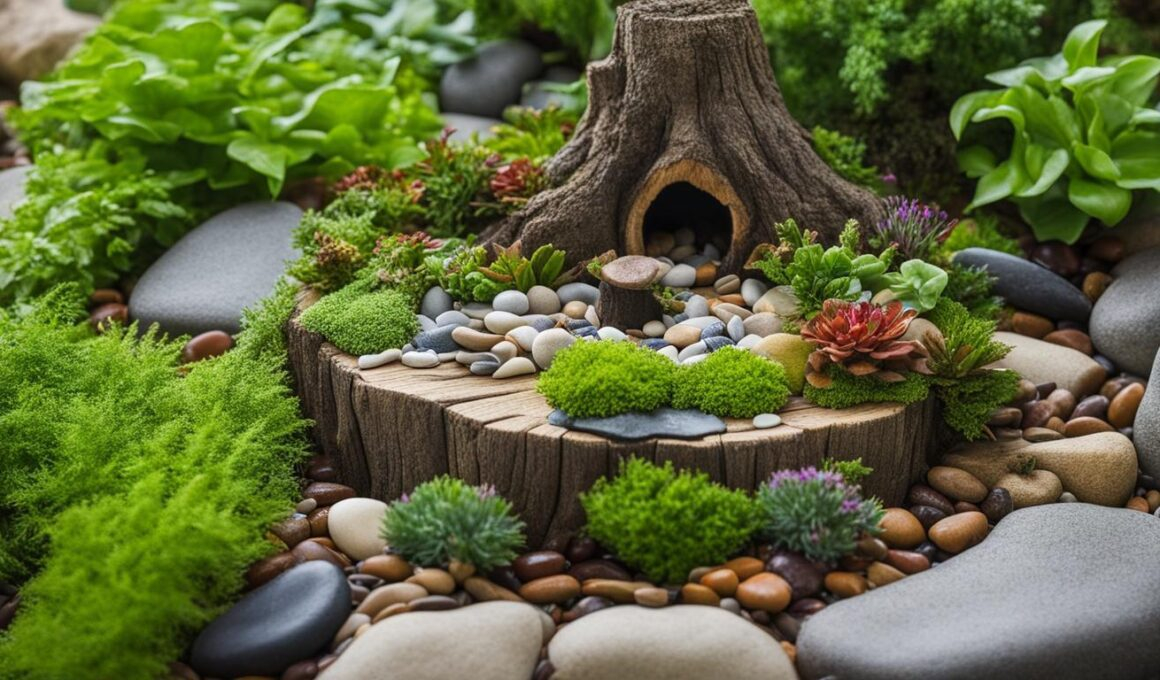
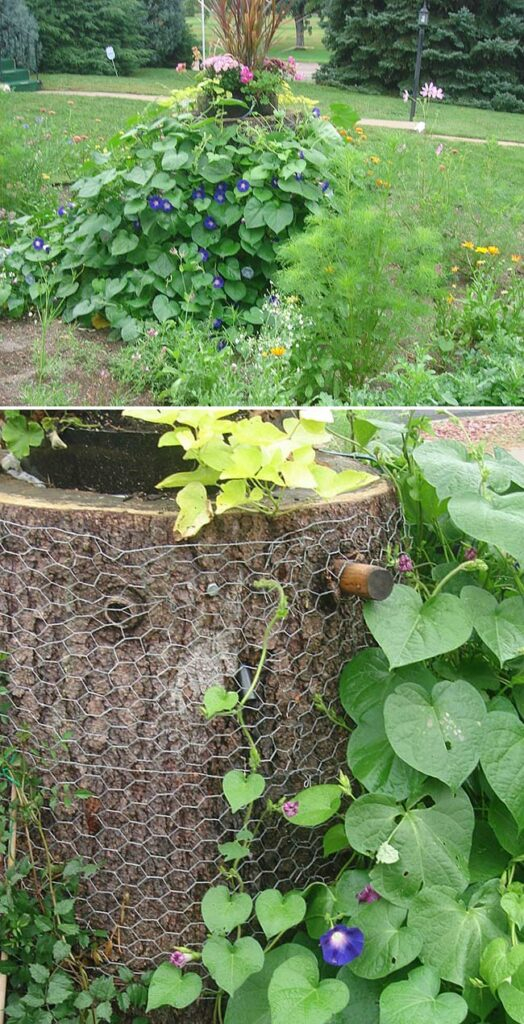
- Step 4 (Vertical Gardening Anchors): Use the top and sides of the stump as a natural planter by hollowing out a slight depression to hold a pocket of rich compost, then tucking in trailing succulents like sedum or alpine strawberries.
- Step 5 (Mycelium Inoculation): Accelerate beneficial decomposition and produce an edible harvest by drilling holes into the top surface of the stump and inserting hardwood dowels inoculated with oyster or shiitake mushroom spawn.
Navigating Practical Hurdles, Pests, and Property Aesthetics
Allowing a piece of dead wood to remain on your property naturally raises valid concerns regarding pest management, physical hazards, and community appearance. The most common anxiety centers on termites and carpenter ants. However, entomologists point out that subterranean termites and carpenter ants are ubiquitous in almost all environments; a single decaying stump in your yard will not single-handedly cause an invasion of your home. To mitigate risk, maintain a clear spatial buffer of at least ten to fifteen feet between the stump and any structural timber or wooden foundations of your house.
Another common hesitation involves the aesthetic awkwardness during the intermediate phases of decay. Wood does not rot uniformly; it peels, discolors, and gathers moss over time. If left completely bare in the middle of a manicured Bermuda grass lawn, it can look neglected rather than intentional. The key is framing. Surrounding the timber with tall ornamental grasses, dense perennial borders, or low decorative fencing instantly reframes the wood from "abandoned chore" to "rustic garden art."
Fungal growth can also alarm homeowners who spot unfamiliar mushrooms erupting from the top or sides of the timber. Far from being a sign of disease that will spread to your healthy living trees, these saprotrophic fungi are strictly specialized in consuming dead, non-living cellulose. They pose zero threat to living vegetation. In fact, their presence is empirical proof that the biological recycling engine is operating at peak efficiency, converting an eyesore into subterranean plant food.
The Broader Ecological and Financial Wins of Inaction
Beyond the immediate micro-climate benefits to your soil and local wildlife, choosing to leave a tree stump in place aligns with broader economic and planetary imperatives. Professional stump grinding is an expensive service, often ranging from several hundred to over a thousand dollars depending on the diameter and root spread of the tree. Furthermore, heavy machinery rental and commercial grinding services consume fossil fuels and tear up surrounding turf, requiring subsequent repair work, reseeding, and sod installation.
From an environmental standpoint, traditional stump disposal contributes to landfill waste or involves burning biomass that releases stored carbon dioxide back into the atmosphere in a single burst. Leaving the timber in place locks that carbon safely sequestered within the soil food web over a slow, decades-long degradation cycle. The carbon is gradually incorporated into humus, improving the cation exchange capacity of your soil and enhancing its long-term fertility.
This philosophy of strategic non-action represents a broader maturity in modern horticulture. We are learning that nature’s systems are inherently self-correcting when we stop imposing rigid, artificial standards upon them. By embracing the life cycle of wood from canopy to forest floor, we cultivate resilience, reduce our carbon footprint, and create gardens that require less synthetic intervention while offering infinitely more life.
A Practical Framework for Evaluating Your Specific Stump
Not every tree stump is an ideal candidate for ecological preservation. Before deciding to leave yours in place, run it through a structured evaluation process based on tree species, location, and potential liabilities to ensure your decision balances ecological benefits with property safety.
- Species Decay Resistance Check: Assess the timber type; softwoods like pine, poplar, and birch decay rapidly within three to five years, whereas hardwoods like white oak, black locust, and cedar can persist for decades, requiring a longer-term aesthetic commitment.
- Structural Safety Audit: Verify that the stump is not situated within high-foot-traffic pathways where children or elderly family members could trip, or immediately adjacent to underground utility lines that might be compromised by shifting roots.
- Pathogen Screening: Confirm that the tree was not removed due to aggressive vascular pathogens like Armillaria root rot or Dutch elm disease, which can persist in dead root systems and potentially threaten adjacent living trees of the same species.
- Visual Impact Assessment: Determine whether the stump’s location allows for easy visual screening with shrubs and perennials, or if its raw prominence will draw unwanted negative attention from neighbors or homeowner associations.
- Regrowth Vigilance: Monitor deciduous species like maples, willows, and ashes for aggressive epicormic sprouting, committing to occasionally snapping off new shoots during their initial spring growth flushes until the root energy is fully exhausted.
The modern garden is increasingly viewed not as an isolated painting to be kept frozen in time, but as an active, breathing participant in the natural world. Choosing to leave a tree stump alone challenges our cultural conditioning that equates tidiness with health. It requires a tolerance for the slow, messy, and profoundly beautiful processes of decay that sustain life on our planet.
As we look toward the future of sustainable landscape management, the most sophisticated gardens will be those that seamlessly blend human intention with ecological intelligence. That humble timber anchor in your yard is an invitation to step back, let nature do the heavy lifting, and witness firsthand the quiet magic of regeneration unfolding right outside your window.