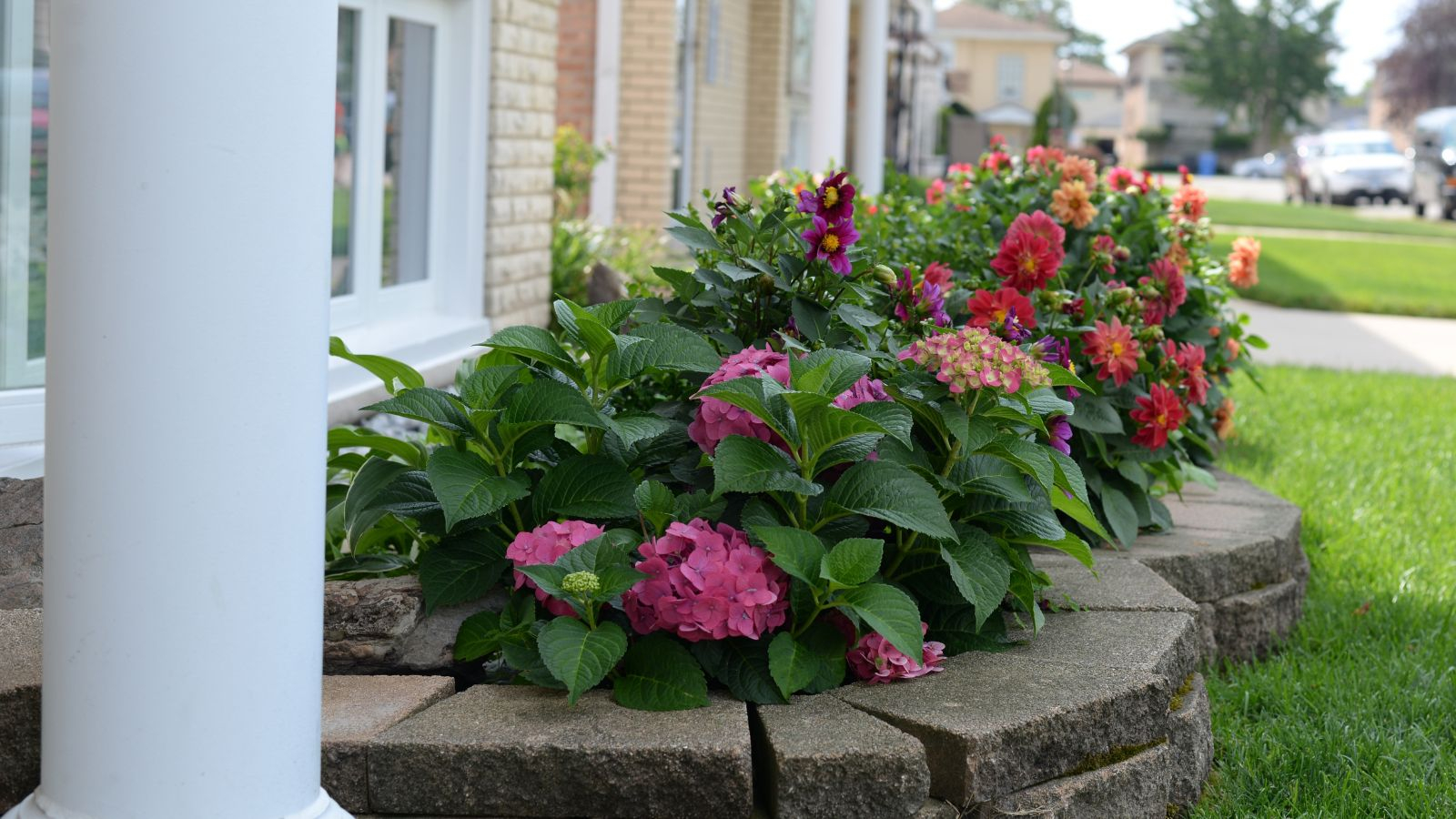

The Sunday morning ritual in suburbia is accompanied by a familiar, concussive roar. Across a million backyards, gasoline-powered engines cough to life, spinning metal blades at high revolutions to slice uniform green blades down to an exact, manicured height. It is a performance enacted every weekend from May to October, fueled by gallons of fossil fuels, synthetic nitrogen fertilizers, and precious municipal water. For generations, the emerald-green monoculture lawn has served as the undisputed gold standard of suburban civic pride. Yet beneath the surface of this verdant aesthetic lies an exhausting cycle of maintenance, financial drain, and environmental degradation that millions of property owners are quietly abandoning.
Step away from the drone of the mower and press your bare feet into a dense, sprawling mat of micro-clover, native thyme, or sprawling Dichondra, and a different reality becomes immediately apparent. These resilient green carpets do not demand weekly scalping, synthetic wake-up tonics, or automated irrigation systems running at peak evaporation hours. Instead, they function as self-sustaining biological communities. They are soft to the touch, alive with pollinators, and deeply rooted against the pressures of summer drought and torrential downpours alike.
This quiet revolution is not merely a passing design trend or a lazy shortcut for people who hate yard work. It is a fundamental rethinking of how we manage the land immediately surrounding our homes. Driven by tightening water restrictions in arid regions, soaring fertilizer costs, and a collective awakening to ecological collapse, property owners are trading their turfgrass for low-input, high-performance ground covers. The shift requires parting with deeply ingrained cultural expectations about what a "good yard" looks like, but the payoff is an outdoor space that works with nature rather than fighting it every step of the way.
The obsession with flawless Kentucky bluegrass or perennial ryegrass is a relatively recent historical artifact, imported centuries ago from damp European climates that bore little resemblance to the scorching summers of the American West or the humid, pest-heavy environments of the South. Maintaining these turf varieties outside their native habitats requires an artificial life support system. Municipal data reveals that up to sixty percent of residential water use in suburban areas goes directly toward outdoor irrigation, much of it lost to evaporation or runoff from compacted clay soils. When you factor in the annual application of pre-emergent herbicides, broadleaf weed killers, and heavy petroleum-based fertilizers, the suburban lawn transforms from a peaceful sanctuary into an intense chemical and water sink.
The Anatomy of Traditional Turf Failure and Why Ecological Ground Covers Succeed
To understand why traditional lawns demand so much labor, you have to look at root systems. Standard turfgrasses typically develop roots extending only two to four inches into the soil profile. This shallow rooting depth makes them acutely vulnerable to environmental stress. A few days without rain or a missed cycle on the sprinkler timer sends them straight into dormancy, turning the once-vibrant green yard into a brittle, straw-colored hazard. Because they cannot tap into deeper moisture reservoirs, they require constant human intervention to survive. Furthermore, their dense, shallow root mats choke out soil aeration, creating a hardpan layer that prevents water from infiltrating deeply and instead forces it over the curb into storm drains, carrying surface chemicals along with it.
Resilient ground covers operate on an entirely different evolutionary blueprint. Species like creeping thyme (Thymus serpyllum), Dutch white clover (Trifolium repens), yarrow (Achillea millefolium), and native sedges (Carex species) send out fibrous root structures that often penetrate twelve to thirty inches deep. This extended subterranean network anchors the soil securely against erosion while tapping into subsurface moisture layers that conventional grass can never reach. These plants are built to handle adversity. When a prolonged dry spell hits, they may slow their top-growth, but their deep crowns and storage organs keep them alive and ready to rebound the moment moisture returns.
This structural resilience translates into a profound reduction in chemical dependency. Traditional turfgrass is a heavy nitrogen feeder; without synthetic supplements, it yellows and loses density, opening up bare patches for weeds to colonize. Ground covers like micro-clover are naturally nitrogen-fixing organisms. They host symbiotic bacteria in their root nodules that capture atmospheric nitrogen and convert it into bio-available food, essentially fertilizing themselves and neighboring plants for free. By eliminating the need for synthetic nitrogen, homeowners drastically reduce the risk of chemical runoffs polluting local watersheds and feeding destructive algae blooms in nearby lakes and rivers.
The ecological footprint extends upward as well as downward. A manicured turf monoculture is an ecological desert, offering zero nutritional value or habitat for native pollinators, beneficial insects, and ground-nesting birds. Replacing that monoculture with a diverse green carpet introduces a dynamic micro-ecosystem right outside your door. Bees, butterflies, and predatory beetles find continuous forage in the blooms of low-growing perennials. This surge in beneficial insect populations naturally regulates pest species, creating a self-balancing garden web that requires virtually no pesticide applications.
Economic Realities and the Long-Term Financial Shift of Low-Input Landscapes
Transitioning away from high-maintenance turf requires an upfront investment of time, physical labor, or capital, but the long-term economic calculus heavily favors resilient ground covers. Consider the recurring household expenses associated with a standard turf lawn: professional fertilizer and weed-control service contracts, seasonal aeration, weekly mowing equipment maintenance, gasoline, replacement trimmer line, and skyrocketing summer water utility bills. Over a five-year period, these costs accumulate into thousands of dollars spent on a product that offers nothing in return except more chores for the following weekend.
When you install a resilient green carpet, the expense curve flattens dramatically after the first season. Because these plants require little to no supplemental fertilization and minimal weeding once established, ongoing material costs drop close to zero. Water bills shrink by half or more, depending on regional climate and plant selection. Equipment wear and tear practically disappears; instead of a fleet of motorized machinery, your primary lawn care tools reduce to a pair of hand shears for occasional edging and perhaps a string trimmer used once a month to tidy up stray flower heads.
Municipalities are taking note of these financial and resource savings, introducing aggressive turf-removal rebate programs to incentivize the change. In water-stressed metropolitan areas across the western and southwestern states, local water authorities pay property owners cash incentives per square foot for every foot of thirsty grass removed and replaced with drought-tolerant ground covers or xeriscaping. These programs reflect a sobering municipal reality: existing water infrastructure cannot sustain infinite residential turf irrigation in the face of growing populations and shrinking aquifer levels.
Property values also respond favorably to thoughtful ecological transformations. Modern homebuyers are increasingly skeptical of high-maintenance yards that demand hours of weekend labor or excessive water use. A professionally designed, biodiverse landscape featuring attractive, low-water ground covers signals contemporary intelligence, environmental stewardship, and effortless living. It transforms the perimeter of the home from a chore-ridden liability into an inviting, low-stress outdoor room that appeals directly to buyers looking for aesthetic beauty paired with practical sustainability.
The Step-by-Step Transformation Framework for Removing Turf and Establishing Green Carpets
Converting an existing turfgrass lawn to a resilient green carpet is a methodical process that demands patience and precision. Skipping critical prep steps almost always results in stubborn weed seeds germinating alongside your new ground cover, creating an uphill maintenance battle. Follow this field-tested framework to ensure a smooth, successful transition.
- Step 1 (Site Assessment and Mapping): Evaluate your yard’s sunlight exposure, soil composition, and foot traffic patterns over the course of a week. Identify whether areas receive full baking sun, deep shade under mature tree canopies, or heavy foot traffic from pets and children, as these distinct zones will dictate your ground cover plant selections.
- Step 2 (Turf Eradication): Completely eliminate existing grass and weed roots using your preferred method. For chemical-free conversion, sheet mulching (lasagna composting) is ideal: lay down thick layers of overlapping cardboard directly over the grass, wet it thoroughly, and cover it with four to six inches of organic compost and mulch to smother the turf entirely over two to three months.
- Step 3 (Soil Conditioning and Grading): Once the underlying grass is dead and decomposed, loosen the top few inches of topsoil with a garden fork or rotary tiller only if compaction is severe. Amend the soil with balanced organic matter, rake it smooth, and establish gentle positive drainage grading away from building foundations.
- Step 4 (Planting or Seeding): Broadcast your ground cover seed blend or space out starter plugs according to the species’ specific propagation requirements. For micro-clover or thyme seeds, mix them with damp sand to ensure even distribution, press them firmly into firm soil contact using a lawn roller, and keep the bed consistently moist until germination occurs.
- Step 5 (Establishment Irrigation and Weeding): Provide light, frequent overhead watering twice daily for the first two to three weeks to support germination and root establishment. Gradually taper off irrigation frequency while increasing volume to encourage deep root growth, and hand-pull any rogue weed seedlings that manage to break through the surface during the vulnerable first sixty days.
Common Pitfalls, Establishment Mistakes, and Field-Tested Workarounds
Even experienced gardeners can stumble when transitioning from predictable turfgrass to diverse ground covers. The biological rules change when you move away from a controlled monoculture treated with selective herbicides. Anticipating these early challenges ensures your new green carpet establishes deeply and survives seasonal shifts without requiring a complete do-over.
- Pitfall 1 (Inadequate Grass Eradication): Leaving remnant Bermuda grass, quackgrass, or aggressive weeds beneath your new ground cover leads to rapid reinvasion. Workaround: Never rush the killing phase; ensure complete solarization or sheet-mulch suffocation for at least 60 to 90 days before planting any new ground cover seeds or plugs.
- Pitfall 2 (Overwatering Mature Plants): Treating established drought-tolerant ground covers like thirsty Kentucky bluegrass causes root rot, fungal disease, and weak stem structure. Workaround: Once plants show deep root establishment, shift to infrequent, deep soakings that allow the top few inches of soil to dry out completely between watering sessions.
- Pitfall 3 (Ignoring Foot Traffic Tolerance): Planting delicate, shade-loving ground covers like moss or Dichondra in high-traffic pathways results in bare mud paths. Workaround: Reserve delicate species for decorative borders and shade gardens, while utilizing traffic-resistant options like micro-clover, woolly thyme, or native Habenaria for high-use zones.
- Pitfall 4 (Improper Mowing Heights): Scalping mixed ground covers with a rotary mower set too low damages crown structures and kills non-grass perennials. Workaround: If you choose to maintain a neat appearance by mowing, adjust your mower deck to its highest setting (usually 3.5 to 4 inches) or switch to a string trimmer or hedge shears for occasional shaping.
- Pitfall 5 (Neglecting Early Weed Competition): Assuming ground covers will instantly outcompete all weeds without any human intervention during the first season. Workaround: Dedicate fifteen minutes a week to hand-weeding during the first ninety days; once the ground cover fills in its canopy completely, its dense growth will naturally shade out most weed germination.
The Broader Ecological and Microclimatic Impact of Biodiverse Landscapes
Zooming out from the individual property line, the collective replacement of turfgrass with resilient green carpets exerts a measurable influence on the surrounding urban environment. Traditional lawns contribute significantly to the urban heat island effect. Expansive areas of short, thirsty grass and exposed soil absorb solar radiation and radiate heat back into the atmosphere, raising ambient neighborhood temperatures during scorching summer afternoons.
Biodiverse ground covers, particularly those featuring diverse leaf structures and deeper root zones, cool the surrounding air through enhanced evapotranspiration and moisture retention. The varied plant heights and structural textures break surface wind currents, lowering ground-level temperatures and creating a much more comfortable microclimate around the home. This natural cooling effect directly reduces indoor air conditioning loads, shaving additional dollars off monthly utility bills while making outdoor patio spaces usable even during peak summer heat waves.
Water infiltration represents another critical environmental benefit. When intense summer thunderstorms drop inches of rain in a matter of hours, compacted turfgrass yards act almost like asphalt, shedding water rapidly into municipal storm sewers. This surge overwhelms local infrastructure, causes localized street flooding, and scours urban stream banks. A dense, deep-rooted green carpet acts like a natural sponge. The complex web of roots and organic topsoil absorbs heavy rainfall instantly, filtering pollutants naturally through the soil profile before safely recharging local groundwater tables.
Furthermore, integrating flowering ground covers heals fractured urban food webs for native pollinators. Bumblebees, solitary native bees, butterflies, and beneficial hoverflies face catastrophic habitat loss due to intensive urban development and agricultural pesticide use. By transforming sterile lawns into living pollinator pastures, property owners create vital urban stepping stones—corridors of nourishment that allow beneficial insects to travel safely across densely populated human landscapes.
Actionable Recommendations for Selecting the Right Green Carpet for Your Climate
Choosing the optimal ground cover requires matching specific plant characteristics to your local climate zone, soil type, and aesthetic goals. There is no single universal substitute for grass; rather, there is a diverse palette of resilient options designed for different environments and use cases.
- Micro-Clover (Trifolium repens var. pipolina): The ultimate all-purpose lawn alternative. It stays vibrantly green through drought, fixes its own nitrogen, requires mowing only twice a month if desired, and tolerates moderate dog traffic remarkably well.
- Creeping Thyme (Thymus serpyllum): Perfect for sunny, well-draining, nutrient-poor soils. It releases a wonderful herbal aroma when stepped on, produces a carpet of purple or pink blooms in early summer, and thrives with almost zero supplemental irrigation once established.
- Kurapia (Lippia nodiflora): A sterile, non-invasive hybrid ground cover gaining immense popularity in arid regions. It creates a dense, low-growing mat of tiny white flowers that bloom continuously from spring to frost while requiring up to sixty percent less water than traditional turf.
- Native Sedges (Carex species): Excellent for shady yards under large deciduous trees where grass refuses to grow. They offer a refined, grass-like appearance with zero need for regular mowing, handling dry shade and root competition with ease.
- Silver Ponyfoot (Dichondra argentea): A stunning, trailing ground cover featuring shimmering silvery-blue foliage. It loves intense heat and bright sun, creating a luxurious, velvet-like carpet that requires minimal water and commands immediate visual attention.
The lawn outside your window does not have to be an endless obligation of mowing, watering, and chemical treatments. For generations, we have accepted the rigid cultural mandate of the suburban turf monoculture without questioning its true cost to our time, our wallets, and our local ecosystems. Yet the momentum is shifting toward something far more sustainable, beautiful, and authentic.
By replacing high-maintenance grass with resilient green carpets, you are reclaiming your weekends and partnering with the natural intelligence of the earth. You are welcoming pollinators back to your yard, shielding your soil from erosion, and conserving precious water resources for future generations. The quiet revolution of the alternative lawn is ultimately about more than just landscaping—it is about restoring a harmonious relationship between human habitation and the natural world right outside our front doors.
Take a close look at your own yard today. Identify that patch of thirsty, struggling grass that demands constant attention yet offers nothing in return. Envision it instead as a soft, living tapestry of clover, thyme, or native sedge, thriving quietly on its own terms. The tools to make the change are already within your reach, and the earth is more than ready to help you grow something better.