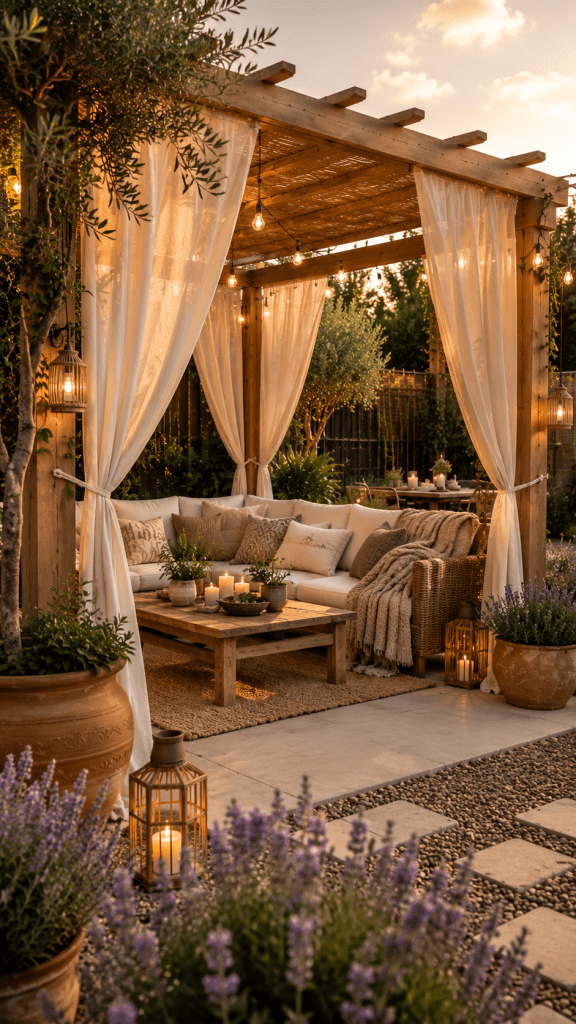

Step onto a wealthy property, and your brain immediately registers luxury. You do not consciously count the sprinkler heads or calculate the board footage of cedar decking; instead, you feel an instant wave of order, scale, and quiet confidence. The lawn looks impossibly plush, the sightlines pull your eyes across cinematic sweeps of foliage, and every material—from the stone pavers to the minimalist metal edging—feels heavy, permanent, and deliberate.
For decades, the standard assumption has been that this visual weight comes with a heavy financial price tag. Homeowners look at five-figure landscaping estimates and assume that achieving an upscale aesthetic requires writing blank checks to high-end design-build firms. But talk to veteran landscape architects off the record, and you quickly learn a different truth: high-end design is less about brute-force spending and more about visual psychology, proportion, and strategic editing.
The secret to an expensive-looking garden lies in mastering optical illusions. By manipulating perspective, utilizing professional installation shortcuts, and understanding how the human eye processes contrast, texture, and boundary, you can transform a tract-home plot into an estate-caliber sanctuary. It is about deploying your resources where the eye naturally looks and pulling off sophisticated trompe l’oeil tricks that make small yards feel expansive and young plantings look mature.
The Psychology of Scale and Optical Perspective in Outdoor Spaces
Human spatial perception is surprisingly easy to manipulate. When we look at a landscape, our brains rely on visual cues like linear perspective, texture gradients, and aerial perspective to determine distance and value. If you understand how these cognitive shortcuts operate, you can radically alter the perceived dimensions and cost of your property without moving a single property line. Master landscapers do not just plant shrubs; they choreograph how the human eye travels across a space.
One of the most reliable indicators of cheap landscaping is the "polka-dot" approach: scattering isolated, immature plants across a sea of unadorned mulch with rigid, equidistant spacing. It screams amateur hour because it lacks architectural rhythm. Conversely, luxury landscapes utilize mass planting and bold, sweeping drifts of single species. When the eye encounters a continuous, ten-foot ribbon of ornamental grass or cascading perennials, it stops measuring individual elements and starts registering scale, density, and abundance. Abundance reads as expensive, regardless of the wholesale cost of the plants in the ground.
Another foundational optical trick involves manipulating depth perception through bed geometry. Straight, narrow planting beds running parallel to a property fence accentuate the smallness of a lot by framing it like a box. Professional designers break this monotony by exaggerating bed curves and swelling planting pockets near the viewing platforms, such as patios or back doors. This forces the eye to travel on a diagonal journey rather than a straight perimeter scan. When sightlines are partially interrupted by strategic, multi-stem understory trees or tall grasses, the brain assumes there is more garden hiding just beyond the obstruction, instantly amplifying the perceived size and mystery of the property.
Mastering Materiality: High-Impact Swaps and Strategic Surface Treatments
Nothing instantly cheapens a garden faster than poorly chosen hardscape materials. Plastic landscape edging that curls upward in the July sun, poured concrete slabs with hairline cracks, or generic orange-hued pressure-treated lumber immediately telegraph a DIY budget. Yet, upgrading every square foot to bluestone, Ipe wood, or architectural cast stone can easily bankrupt a project. The professional workaround is a masterclass in high-impact materiality: use luxury materials strictly at primary contact points and deploy sophisticated stand-ins everywhere else.
Consider the patio floor. Instead of laying expensive natural flagstone across an entire backyard, designers often pour a simple, monolithic broom-finished concrete slab and overlay it with a high-end soldier course border, or frame it with a flush band of European cobblestone. Because the human eye evaluates material quality primarily at the edges and thresholds where feet touch the ground, the upgraded perimeter tricks the brain into assuming the entire surface is premium stone. Similarly, opting for core-ten steel edging over cheap vinyl creates a razor-thin, rust-patinated line that looks remarkably sharp and permanent, anchoring the turf beds with structural authority.
Vertical surfaces offer another massive opportunity for optical arbitrage. Building a full outdoor kitchen or retaining wall out of stacked dry-stack stone requires specialized masonry labor and thousands of dollars in material weight. A smarter, pro-level shortcut involves constructing the core structure out of structural concrete block or reinforced timber, and finishing the visible facade with thin stone veneer panels or board-formed concrete skins. The tactile visual experience remains identical to solid masonry, but the installation time drops by seventy percent and material shipping costs plummet.
The Step-by-Step Blueprint for Engineering an Estate Aesthetic
Achieving a high-end look requires a disciplined, chronological approach to site preparation and installation. Skipping foundational steps to rush straight to planting day is the primary reason DIY projects fail to look professional.
- Step 1 (Sub-Base Compaction and Grading): Excavate all planting beds and hardscape areas to the proper depth, ensuring positive drainage away from foundations. Rent a plate compactor to stabilize sub-bases for pavers and borders; uneven settling ruins the crisp, clean lines that define expensive hardscapes.
- Step 2 (The Structural Edge Definition): Install rigid, heavy-gauge steel or aluminum edging along every lawn-to-bed interface before adding mulch or soil. Drive anchoring stakes deep into the subsoil to prevent shifting, creating a razor-sharp physical boundary that eliminates weed migration and looks impeccably tailored.
- Step 3 (Layered Plant Architecture): Build your plantings using a strict three-tier vertical hierarchy: canopy trees or large structural shrubs for the upper ceiling, mid-tier mass perennials for visual weight, and fine groundcovers or trailing edges to spill over hardscape borders. Never plant single specimens in straight rows; cluster them in odd-numbered triangles for naturalistic density.
- Step 4 (Strategic Mulching and Soil Top-Dressing): Apply a uniform, two-to-three-inch layer of dark, finely shredded hardwood bark or double- shredded leaf compost. Keep mulch pulled back two inches from plant crowns to prevent rot, and finish bed edges with a deep, vertical spade-cut trench to create a dramatic shadow line that makes beds pop.
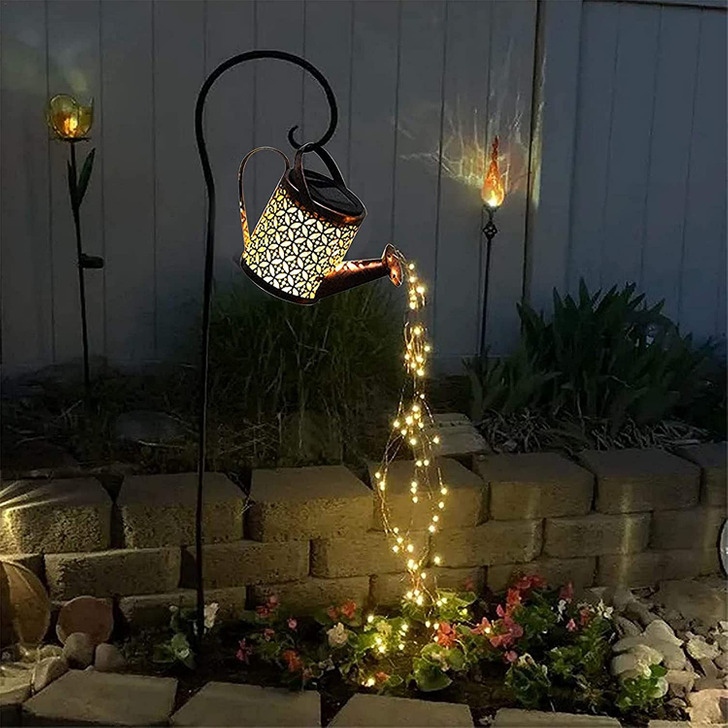
- Step 5 (Night Lighting and Focal Illumination): Install low-voltage LED landscape lighting targeting architectural focal points, specimen trees, and textural walls. High-end gardens do not go dark at dusk; they transform into theatrical, shadow-played nightscapes that multiply the visual return on your investment.
Avoiding Amateur Traps: Common Design Mistakes and Pro Workarounds
Even with the best intentions, certain habitual design choices immediately betray an amateur hand. Recognizing these pitfalls allows you to pivot before spending time and money on elements that detract from your property’s value.
- Pitfall 1 (The Foundation Hugger Trap): Planting a continuous, uniform row of shrub balls directly against the house foundation creates a dated suburban look. Pro Workaround: Pull planting beds outward by at least six to eight feet from the foundation walls to create deep, multi-layered garden rooms that obscure the base of the home while improving air circulation and light penetration.
- Pitfall 2 (Over-Planting with Tiny Nursery Stock): Buying dozens of one-gallon starter shrubs to fill a large space results in a sparse, fragmented landscape that takes a decade to look substantial. Pro Workaround: Buy fewer, larger structural plants (five-gallon or fifteen-gallon sizes) for immediate focal weight, and fill the intervening spaces with fast-growing, inexpensive perennials and ornamental grasses that will mature quickly.
- Pitfall 3 (The Color Chaos Mistake): Sowing a chaotic rainbow of annual flowers in clashing neon pinks, yellows, and reds makes a garden feel frantic and unorganized. Pro Workaround: Adopt a restrained, sophisticated color palette dominated by varying textures of green, accented by whites, silvers, and deep purples, which mimics the serene, cohesive feel of botanical estates.
- Pitfall 4 (Exposed Utility and Irrigation Clutter): Leaving ugly green irrigation valve boxes, downspouts, and utility meters fully exposed ruins the immersive experience of a garden. Pro Workaround: Camouflage utility boxes with custom drop-over faux boulders, low-growing evergreen shrubs, or ornamental grass screens that blend seamlessly into the surrounding plantings.
- Pitfall 5 (Neglecting the Winter Silhouette): Designing a garden that looks lush in June but turns into a muddy, stick-filled wasteland from November through March destroys year-round appeal. Pro Workaround: Anchor at least forty percent of your plant selections in evergreen architecture—such as needle conifers, boxwoods, and hollies—so the structural bones of the garden remain striking through every season.
The Long-Term Economics of Intelligent Landscaping and Maintenance
When evaluating the cost of a high-end landscape, most people only look at the initial installation invoice. Experienced property owners, however, understand that the true financial metric is life-cycle cost combined with asset appreciation. A poorly designed landscape requires constant intervention, high water bills due to inefficient layout, and frequent replanting as poor plant choices succumb to root rot or overcrowding. Intelligent design pays dividends by working with natural ecological succession rather than fighting it.
Selecting drought-tolerant native perennials and grasses configured in dense, weed-suppressing drifts dramatically reduces long-term labor and municipal water consumption. As these plants mature, their interlocking root systems choke out invasive weeds, eliminating hours of weekend maintenance. Furthermore, real estate data consistently shows that mature, professionally styled landscaping yields a return on investment of over one hundred percent at resale, often accelerating home sales by weeks in competitive markets. Buyers do not just purchase square footage; they buy an emotional lifestyle transition the moment they walk up the front path.
Sustainability also plays a crucial role in modern landscape valuation. Integrating permeable pavers, rain gardens, and smart-zoned drip irrigation systems demonstrates environmental stewardship while protecting the property from costly drainage issues. By managing stormwater on-site rather than channeling it directly into municipal storm drains, you prevent foundation erosion and basement flooding, turning potential liabilities into verdant, rain-fed bioswales that thrive during wet seasons and remain resilient through summer droughts.
Core Recommendations for Maximizing Your Landscape Impact
Translating these design principles into an actionable game plan requires disciplined prioritization. You cannot overhaul an entire acre overnight without burning out or wasting capital. Success comes from sequencing your improvements for maximum visual payout.
- Invest in Hardscape Bones First: Allocate the majority of your budget to foundational hardscaping—patios, walkways, and retaining walls—because these structural elements last for decades, whereas plants evolve and change season by season.
- Establish a Cohesive Focal Hierarchy: Every view from a window or outdoor seating area should draw the eye toward a deliberate focal point, such as a multi-stem birch tree, a sculptural boulder, or a minimalist water feature.
- Prioritize Edge Definition and Cleanliness: Never underestimate the power of maintenance details. Crisp spade-cut edges, fresh mulch, and neatly pruned structural shrubs make even a modest plant palette look like a million-dollar estate.
- Embrace Minimalism and Negative Space: Resist the urge to fill every square inch of dirt with vegetation. Strategic pools of open lawn, gravel, or smooth stone create visual breathing room that highlights the beauty of your feature plantings.
Transforming an ordinary yard into an extraordinary sanctuary is ultimately an exercise in storytelling and visual discipline. It requires stepping back from the retail nursery impulse buys and looking at your property through the lens of proportion, light, and shadow. When you stop treating landscaping as a collection of individual gardening chores and start approaching it as outdoor architectural design, everything shifts.
The illusion of luxury is within reach for any property owner willing to embrace restraint, invest in strong structural bones, and trick the eye with intelligent spatial design. As outdoor living spaces continue to serve as vital extensions of our homes, mastering these professional secrets ensures your garden not only punches above its weight class but provides an enduring, peaceful retreat from the noise of the modern world.