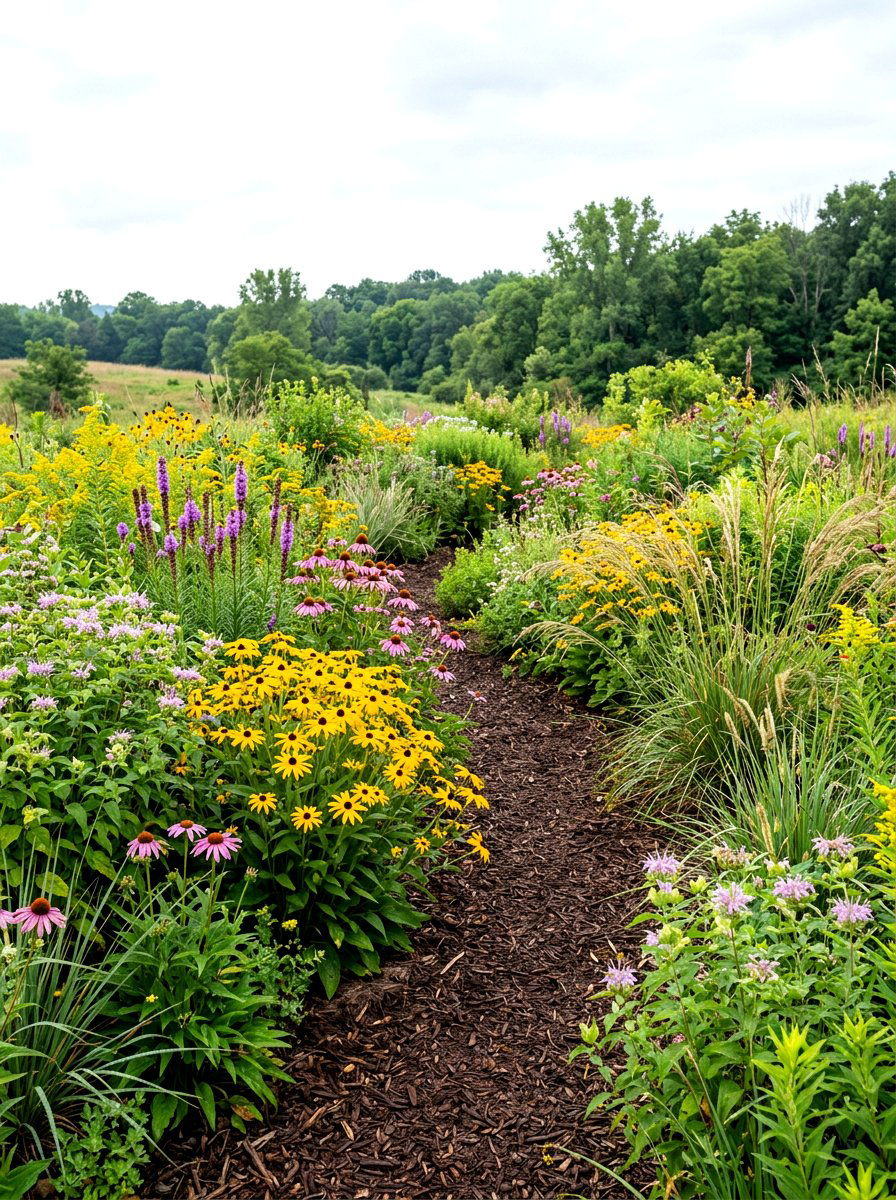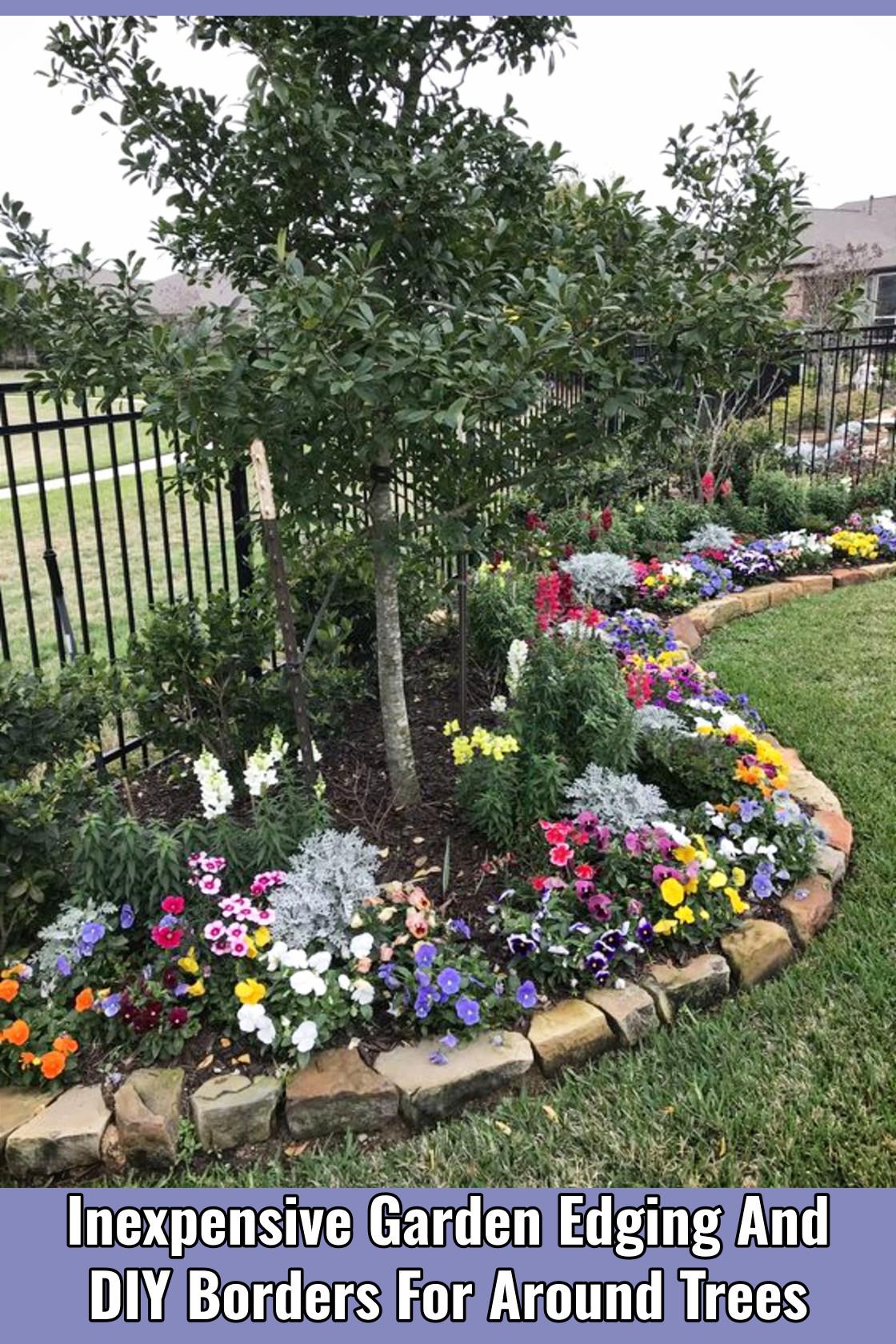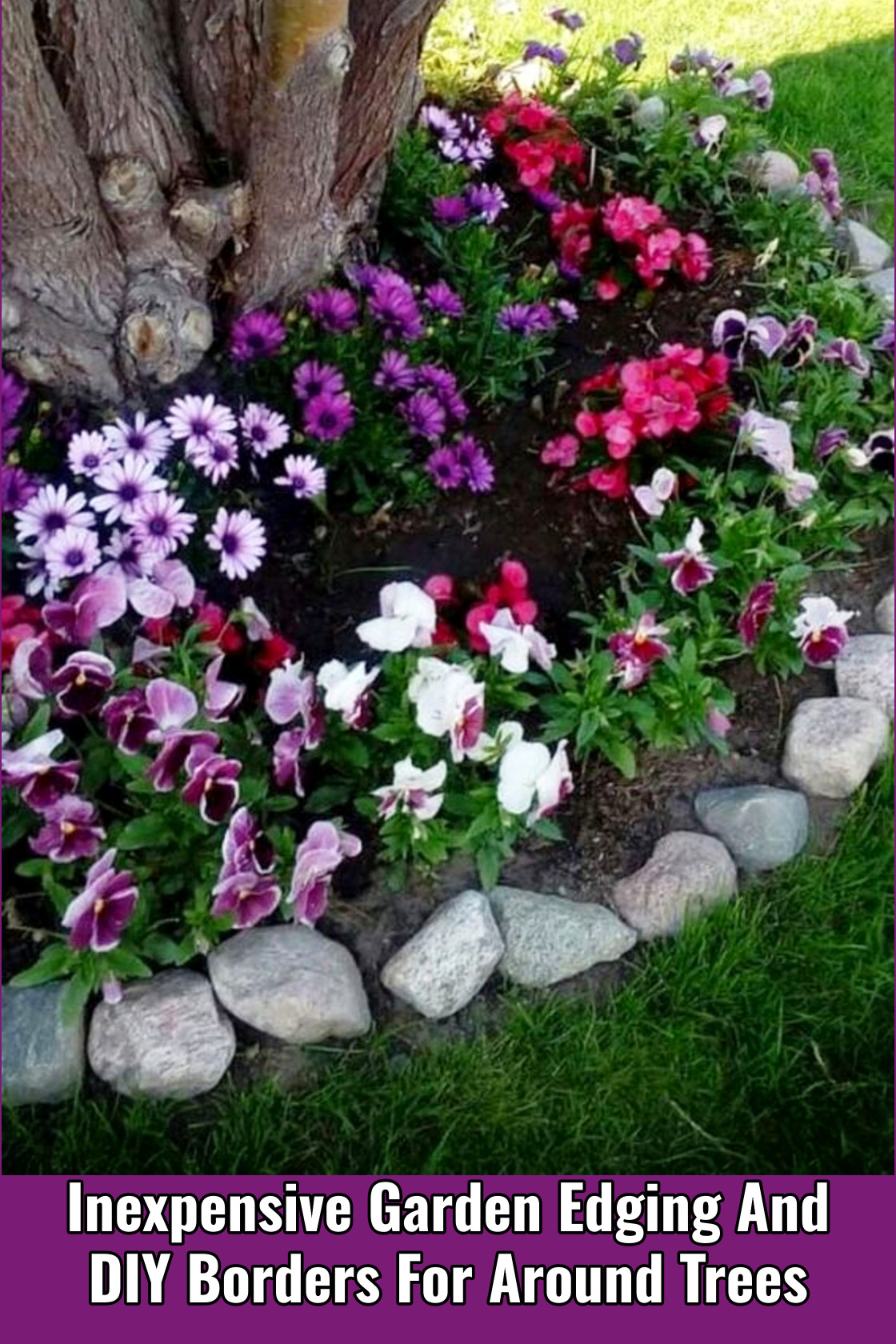

Walking down the garden center aisle in mid-spring can feel remarkably similar to walking onto a high-end luxury car lot. Little plastic pots holding a single, fragile stem of a trendy new cultivar are frequently tagged at eight, twelve, or even fifteen dollars apiece. Multiply that cost across a single fifty-foot border, and suddenly you are staring down a landscaping bill that rivals a short vacation. Yet, if you look over the back fence at your neighbor’s wildly abundant, cottage-style flower bed—bursting with color, humming with bees, and seemingly effortless—you are witnessing a completely different economic reality.
That neighbor is almost certainly leveraging the biological superpower of self-propagating plants. Certain botanical workhorses refuse to stay put in a neat, solitary clump. Instead, they expand through underground rhizomes, cast a carpet of viable seeds, or push out generous offsets that practically beg to be split and shared. Designing a landscape around these generous flora changes the entire financial equation of home ownership. You stop buying temporary decorations and start investing in living assets that compound their value annually.
For the modern gardener balancing tight household expenses with a desire for high curb appeal, understanding how these plants multiply is the ultimate shortcut. By choosing species that do the heavy lifting of propagation on their own, you transform a one-time modest investment into a self-sustaining ecosystem. The mulch-heavy, bare-dirt look of a newly established yard vanishes remarkably fast when your botanical cast starts doing what it does best: growing, spreading, and filling every available inch of earth with resilient, enduring beauty.
The Botanical Mechanics Behind Self-Multiplying Garden Champions
To master the art of the budget garden, you first need to understand the biological machinery that drives plant expansion. Not all perennials spread the same way, and knowing the difference between a clump-former, a runner, and a self-seeder prevents both disappointment and accidental botanical chaos. Plants have evolved ingenious survival strategies over millennia, relying on wind, animals, and underground creeping stems to stake their claim on territory. When we bring these species into our yards, we harness those evolutionary traits to outsmart high nursery prices.
The most disciplined propagators are the clump-forming perennials. These plants quietly expand their root crowns outward every single season, growing slightly wider each spring until the central mass becomes dense enough to slice apart with a sharp spade. Daylilies, Siberian irises, and hostas operate on this polite timeline. They stay put in a clean, defined footprint for years, yet they yield dozens of exact genetic clones whenever you decide to lift and divide them. You are essentially getting free, mature divisions that can immediately anchor other empty corners of your property or be handed over to gardening friends in exchange for their own surplus stock.
On the other end of the spectrum are the aggressive spreaders—those botanical sprinters that utilize underground runners, stolons, or aggressive rhizomes. Species like bee balm, coreopsis, and certain ornamental grasses do not wait for an invitation to explore. They tunnel just beneath the soil surface, popping up new green shoots a foot or two away from the mother plant. While these require a bit more boundary management, they are unmatched at erasing empty mulch beds and suppressing stubborn weed seeds. Understanding these growth habits allows you to place plants strategically, ensuring your landscape fills in densely without any single species choking out its neighbors.
Economic Resilience and the Financial Logic of Botanical Compounding
Planting annuals is an expensive, recurring subscription model. Every single spring, you drive to the big-box store, load up flats of petunias or marigolds, plant them, watch them peak for a few warm months, and then haul them off to the compost heap when the autumn frost hits. Perennials flip this financial dynamic on its head by acting as a permanent capital investment. When you spend a few dollars on a tough, reliable perennial that multiplies on its own, you are purchasing a biological factory that manufactures free replacement inventory year after year.
Consider the compounding math over a five-year timeline. A single clump of black-eyed Susan purchased for seven dollars can easily be divided into four distinct plants by its third season. By year five, those four plants can be split again into sixteen thriving specimens. If you were to purchase sixteen individual plants at retail price, your outlay would easily clear a hundred dollars. Through natural multiplication and simple garden division, your initial seven-dollar bill has generated a botanical return on investment that stock markets rarely match. This economic cushion gives homeowners the freedom to experiment with grand design schemes without fearing financial loss if a specific corner fails to thrive.
Beyond direct plant replacement costs, self-multiplying perennials save you substantial money on soil amendments, mulching, and weed control. Nature despises a vacuum; bare soil is an invitation for invasive weed seeds to germinate, requiring hours of hand-pulling or expensive pre-emergent herbicides. When budget-friendly perennials multiply and form a thick, living canopy over the ground, they shade out weed seedlings entirely. They also drop organic matter continuously through shedding leaves and spent stems, slowly building rich, fertile humus that reduces your dependence on bagged fertilizers and synthetic soil conditioners.
Step-by-Step Methodology for Establishing and Managing a Self-Expanding Garden
Transforming a sparse, expensive yard into a lush, self-multiplying sanctuary requires more than just dropping plants in the dirt and hoping for the best. Strategic placement and intentional initial care dictate whether your budget-friendly plants will conquer the space or struggle for survival against aggressive local weeds. Follow this structured roadmap to build a resilient, expanding landscape from the ground up.
- Step 1 (Site Analysis and Soil Preparation): Map out your yard’s sun and shade patterns across different times of day, and test your soil drainage. Clear all perennial weeds like quackgrass or bindweed completely, as self-spreading perennials cannot outcompete entrenched invasive roots during their critical establishment window.
- Step 2 (Strategic Plant Selection and Spacing): Purchase starter plants or bare-root perennials known for natural multiplication, such as coneflowers, yarrow, or salvia. Space them slightly further apart than normal nursery tags suggest—allowing room for their natural runners and crown expansion to occupy the intervening soil over the next two seasons.
- Step 3 (Targeted Watering and Mulching): Apply a thick two-to-three-inch layer of organic wood mulch around your new plantings to retain moisture and suppress weeds, keeping the mulch pulled an inch away from the stems to prevent rot. Water deeply and infrequently to encourage deep taproot and runner development rather than shallow, vulnerable surface roots.
- Step 4 (Monitoring and Boundary Training): Observe how your plants behave through their first full growing season. If you planted aggressive spreaders like mint or ribbon grass, install rigid plastic root barriers or sink deep edging material into the soil to keep them contained within designated beds.
- Step 5 (Harvesting and Dividing Surpluses): By the third spring, identify overcrowded clumps whose centers are dying out or whose edges are colliding with walkways. Lift the entire root ball with a garden fork, slice it into robust sections with a sharp spade or hori-hori knife, and immediately replant or gift your free divisions.
Navigating Common Traps and Field-Tested Workarounds for Prolific Spreaders
The greatest strength of self-multiplying perennials—their unstoppable drive to expand—can occasionally become their fatal flaw if managed incorrectly. Novice gardeners frequently fall into the trap of treating all spreading plants with equal abandon, only to find a single aggressive species has completely overrun a prized delicate fern or dwarf hosta. Understanding these common missteps and utilizing practical practitioner workarounds ensures your garden remains a balanced ecosystem rather than an uncontrolled botanical war zone.
- Pitfall 1 (Unchecked Aggressive Spreaders): Planting running species like Japanese anemone or obedient plant directly into open, mixed flower beds without protection. Workaround: Sink large bottomless plastic nursery pots or heavy-duty landscape edging at least ten to twelve inches deep into the soil around the perimeter of aggressive spreaders to trap their wandering rhizomes.
- Pitfall 2 (Ignoring Self-Seeding Volunteers): Allowing prolific self-seeders like columbine or sweet alyssum to drop millions of viable seeds before cutting them back, leading to a chaotic weed-like takeover. Workaround: Snip off spent flower heads (deadheading) just as the petals drop to prevent unwanted seed dispersal, leaving only a few select heads if you want a controlled number of new seedlings next spring.
- Pitfall 3 (Neglecting Crown Division): Leaving clump-forming perennials intact for five or more years until the center of the plant starves, dies out, and leaves an unsightly bare ring. Workaround: Mark your calendar to inspect clump-formers like daylilies and ornamental grasses every three years, lifting and dividing them in early spring or autumn to maintain peak vigor and bloom density.
- Pitfall 4 (Mismatched Microclimates): Forcing shade-loving spreaders into baking, scorching afternoon sun or placing drought-tolerant multipliers in boggy, poorly draining clay. Workaround: Match every plant’s native ecological niche strictly to your yard’s specific microclimate, ensuring strong initial growth that naturally crowds out opportunistic weeds without constant human intervention.
- Pitfall 5 (Overcrowding Walkways and Edges): Allowing expanding perennials to creep unmonitored over stone paths, turfgrass edges, and foundation lines. Workaround: Establish a bi-weekly garden maintenance rhythm where you spade-edge borders and clip wandering stems back to the bed line, keeping clean separation between lawn, hardscape, and planting zones.
The Broader Ecological and Sustainable Impact of Self-Sustaining Landscapes
Designing with self-multiplying perennials does more than simply balance your household checkbook; it creates a micro-refuge for local biodiversity that traditional turfgrass and annual-heavy landscaping simply cannot match. Modern suburban yards often function as ecological deserts, requiring heavy chemical inputs, gas-powered mowers, and endless watering schedules just to maintain a sterile green appearance. In contrast, a diverse planting of tough, resilient perennials establishes a complex subterranean food web and an above-ground sanctuary for pollinators, beneficial insects, and nesting birds.
When plants like coneflowers, black-eyed Susans, and native asters multiply and form dense stands, they provide a reliable, continuous buffet for native bees, butterflies, and hovering syrphid flies from early spring straight through the freezing depths of late autumn. Leaving the spent, seed-laden flower stalks standing through the winter months transforms your garden into a winter feeding station for goldfinches and chickadees. This natural closed-loop system reduces municipal water strain, eliminates the need for synthetic nitrogen fertilizers that run off into local watersheds, and fosters a self-regulating soil microbiome that suppresses plant pathogens naturally.
Furthermore, the long-term carbon sequestration potential of mature, undisturbed perennial root systems is vastly superior to shallow-rooted annuals or manicured lawns. As roots push multiple feet down into the earth year after year, they pump organic carbon deep into the soil profile where it remains locked away. By embracing plants that multiply on their own, you align your personal property management with broader environmental resilience. You stop fighting nature with chemicals and start working in harmony with biological processes that have successfully governed ecosystems for millions of years.
Actionable Recommendations and Key Frameworks for Budget Gardeners
Building a breathtaking, low-cost perennial landscape requires a clear tactical framework that bridges immediate aesthetic desires with long-term garden health. To ensure your efforts yield maximum visual impact with minimal ongoing expenditure, adopt a phased approach to plant acquisition, site design, and bed maintenance. The most successful budget gardeners do not try to build an entire estate in a single weekend; they establish reliable anchor species and let natural propagation do the heavy lifting over time.
- Framework 1 (The Anchor and Filler Strategy): Invest your primary budget in a few structural, long-lived anchor shrubs or large ornamental grasses, then surround them with cheap, fast-multiplying perennials like coreopsis, yarrow, and sweet woodruff that will quickly weave together to form a solid, weed-proof tapestry.
- Framework 2 (The Propagation Exchange Network): Connect with local gardening clubs, neighborhood groups, or online plant-swap forums. Trade your surplus divisions of daylilies and hostas for other gardeners’ excess black-eyed Susans and sedum, entirely bypassing retail garden center costs while diversifying your yard’s palette.
- Framework 3 (The Layered Bloom Timeline): Select multiplying perennials that peak across different seasons—such as creeping phlox in early spring, coneflowers in mid-summer, and sedum ‘Autumn Joy’ in the fall—ensuring continuous color, constant pollinator attraction, and zero dead zones in your visual design.
- Framework 4 (Minimalist Maintenance Discipline): Resist the urge to over-tink with your beds. Allow foliage to die back naturally in winter to feed the soil food web, and rely on dense perennial cover rather than plastic landscape fabric to keep maintenance hours near zero.
The garden gate swings open to a different kind of landscape when you stop viewing plants as disposable decorations and start treating them as living, breathing partners in home stewardship. Embracing budget-friendly perennials that multiply on their own shifts your role from an exhausted laborer constantly fighting soil and weeds to an observant curator guiding a vibrant, self-sustaining ecosystem. Every split division, every volunteer seedling rescued from a crack in the pavement, and every expanding clump of coneflower represents a quiet victory over the artificial scarcity marketed by modern consumer culture.
As you step outside tomorrow morning with your coffee, look closely at the empty patches of earth along your fence line or beneath your windows. See them not as chores waiting to be finished, but as blank canvases awaiting the quiet, relentless magic of botanical multiplication. By making intentional, smart plant choices today, you are planting an inheritance of color, life, and financial ease that will compound gratefully for decades to come. The future of your garden is already growing beneath the soil—all you have to do is step back, clear the path, and let it multiply.