
You’ve probably stood in your backyard, squinting at that patchy lawn or the cracked patio, wondering just how much it’s going to cost to fix it. It’s a question that keeps a lot of us up at night. We see those glossy magazine spreads with infinity pools and perfectly manicured hedges, and then we look at our own overgrown shrubs, and the disconnect is… well, it’s staggering. In 2026, the gap between a "nice enough" yard and a "wow" factor outdoor living space has never been wider, nor more confusing.
Is it worth spending thirty thousand dollars on stone pavers when mulch costs a fraction of that? Can you really transform a front yard for under five grand? The answer isn’t a simple yes or no. It depends on what you value, how you use your space, and frankly, how deep your pockets are. But here’s the good news: you don’t need a degree in horticulture or a contractor’s license to understand where your money goes. Let’s break it down, plain and simple, so you can make choices that feel right for your home and your wallet.
Defining the Divide: What Actually Makes a Landscape "Complex"?
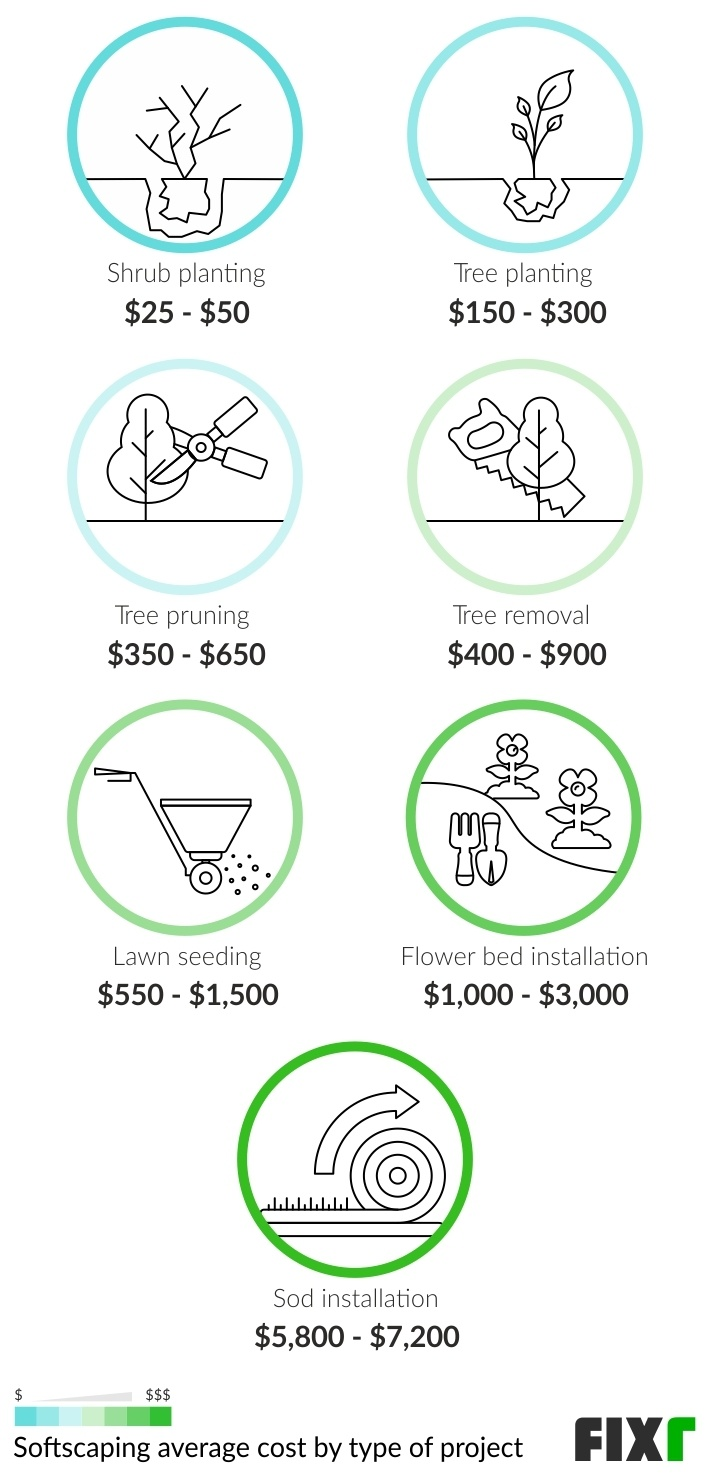
When we talk about "simple" landscaping, we’re usually talking about maintenance and basic aesthetics. Think fresh sod, a layer of mulch, maybe some native perennials that don’t demand too much attention. It’s functional. It looks clean. It gets the job done without breaking the bank. In 2026, a simple project might involve clearing out dead brush, laying down new grass seed or sod, and planting a few hardy shrubs along the foundation. The labor is straightforward, the materials are commoditized, and the timeline is short. You’re looking at days, not weeks.
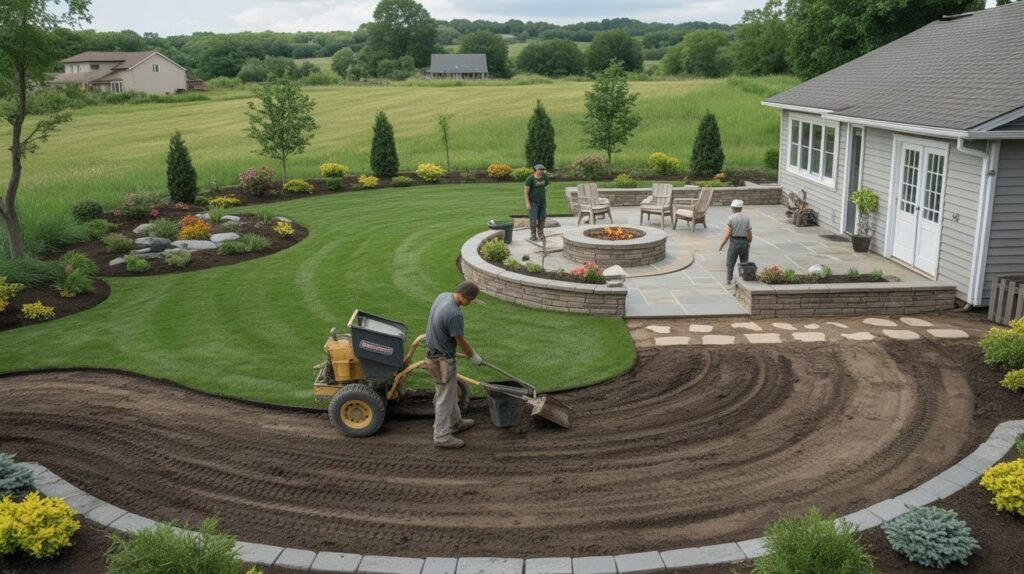
Complex landscaping, on the other hand, is where things get architectural. We’re talking hardscaping—patios, retaining walls, outdoor kitchens, fire pits. We’re talking irrigation systems that sense rain, lighting designs that highlight specific trees, and custom water features. It’s not just about plants; it’s about building an outdoor room. This requires engineers, designers, heavy machinery, and specialized tradespeople like electricians and masons. The complexity comes from the integration of these elements. A stone wall isn’t just a wall; it needs proper drainage, a solid foundation, and precise leveling. That’s where the cost skyrockets.
The line between the two can blur, sure. Adding a small gravel path to a simple garden adds a touch of complexity. But generally, if you need a permit, you’re entering complex territory. If you need a backhoe, you’re definitely there. Understanding this distinction is crucial because it sets your expectations. You can’t compare the price of a mulch bed to a stamped concrete patio. They’re different products entirely, even if they both happen to be in your yard.
The Price Tag Reality: 2026 Numbers You Need to Know
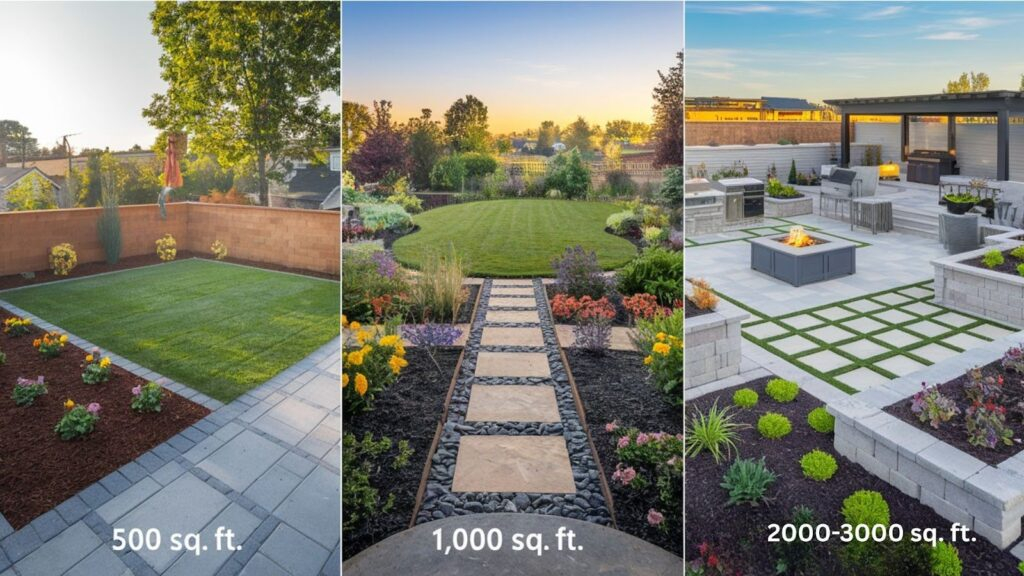
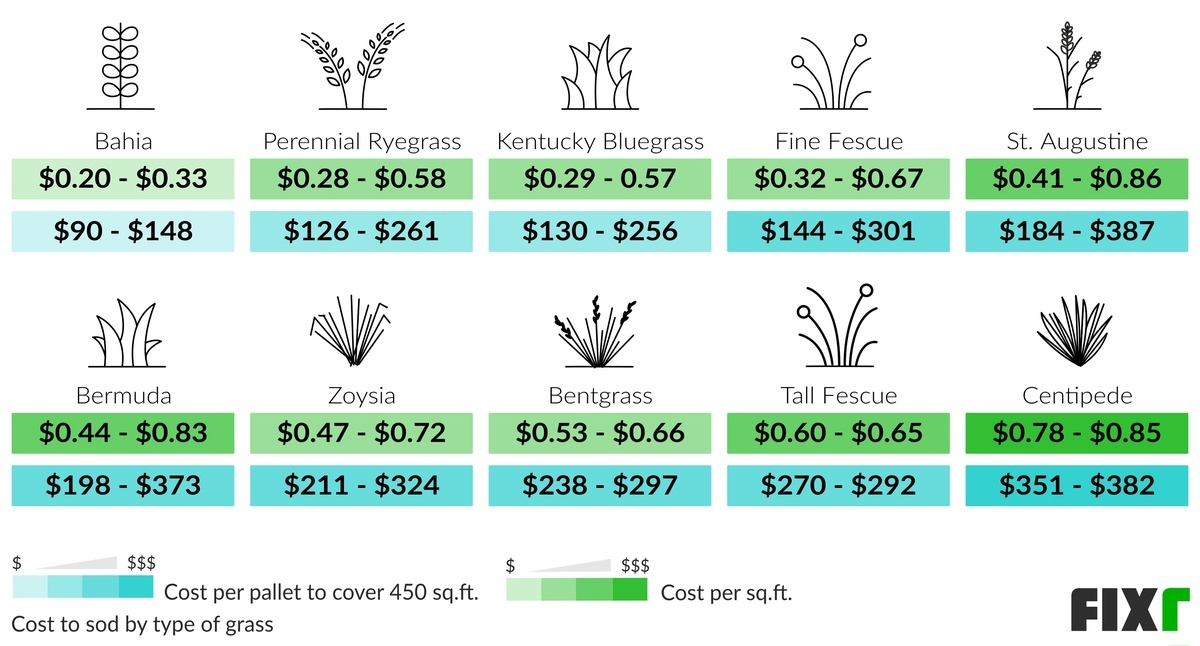
Let’s get into the nitty-gritty. According to recent data from sources like HomeCostLab and Angi, the range for landscaping in 2026 is massive. For a basic front yard makeover—think cleanup, new sod, and some foundational plants—you’re looking at starting around $3,000 to $5,000. This is the entry-level price for professional work. It’s not DIY, but it’s not luxury either. It’s just… nice. For a standard backyard refresh with a small patio and some garden beds, expect to pay between $10,000 and $15,000.
Now, flip the script. A full property transformation with high-end hardscaping, custom lighting, and mature specimen trees? That’s easily $30,000 to $50,000. And if you’re dreaming big—outdoor kitchens, swimming pools, extensive grading—it can climb past $100,000 without blinking. The average homeowner tends to fall somewhere in the middle, spending around $12,000 to $20,000 for a comprehensive update that includes both softscape (plants) and hardscape (structures).
Why such a huge spread? Labor rates have climbed steadily into 2026. Skilled masons and landscape architects aren’t cheap, and neither is the fuel for the trucks hauling tons of stone. Material costs have stabilized somewhat after the volatility of the early 2020s, but premium materials like natural flagstone or high-grade composite decking still carry a hefty price tag. A square foot of basic concrete paver might run $15–$25 installed, while natural stone can easily hit $40–$60 per square foot. Multiply that by a 500-square-foot patio, and you see how quickly the numbers add up.
Where Does the Money Go? Labor, Materials, and Design Fees
It’s easy to look at a quote and just see one big number, but that number is made of three distinct buckets: design, materials, and labor. In simple projects, design fees are often minimal or even waived if you hire a local nursery or smaller crew. You might pick plants from a catalog or walk the site with the foreman. Materials are the bulk of the cost here—mulch, plants, sod. Labor is relatively low because the tasks are repetitive and quick. You’re paying for muscle and speed.
In complex projects, design becomes a significant line item. You’re paying for expertise. A landscape architect might charge $100 to $200 an hour, or a flat fee of $2,000 to $5,000 for a full master plan. This isn’t just drawing pretty pictures; it’s ensuring drainage works, slopes are safe, and plants will actually survive in their designated spots. Then there are the materials. We’re not just talking dirt anymore. We’re talking electrical wire, PVC pipes, steel rebar, specialized adhesives, and imported stone. These items have higher markup and require careful handling.
Labor is the biggest swinger, though. Installing a simple flower bed takes a crew of two a few hours. Building a retaining wall with integrated seating and lighting? That’s a crew of four to six people for several days, plus inspectors and engineers. The skill level required is higher, so the hourly rate is higher. In 2026, skilled landscape labor can run $75 to $150 per hour per worker, depending on your region. When you have multiple trades working in sequence—excavators, then masons, then electricians, then planters—the coordination alone adds to the cost. It’s a symphony, not a solo act.
Regional Factors: Why Your Neighbor’s Quote Might Differ
You can’t talk about landscaping costs without talking about location. A project in rural Ohio is going to cost significantly less than the exact same project in San Francisco or New York City. Why? Labor rates and availability. In high-cost urban areas, finding skilled workers is tough, and they charge premium wages to match the cost of living. In 2026, this disparity has remained sharp. A simple lawn installation might cost $1,500 in the Midwest but $3,500 on the West Coast.
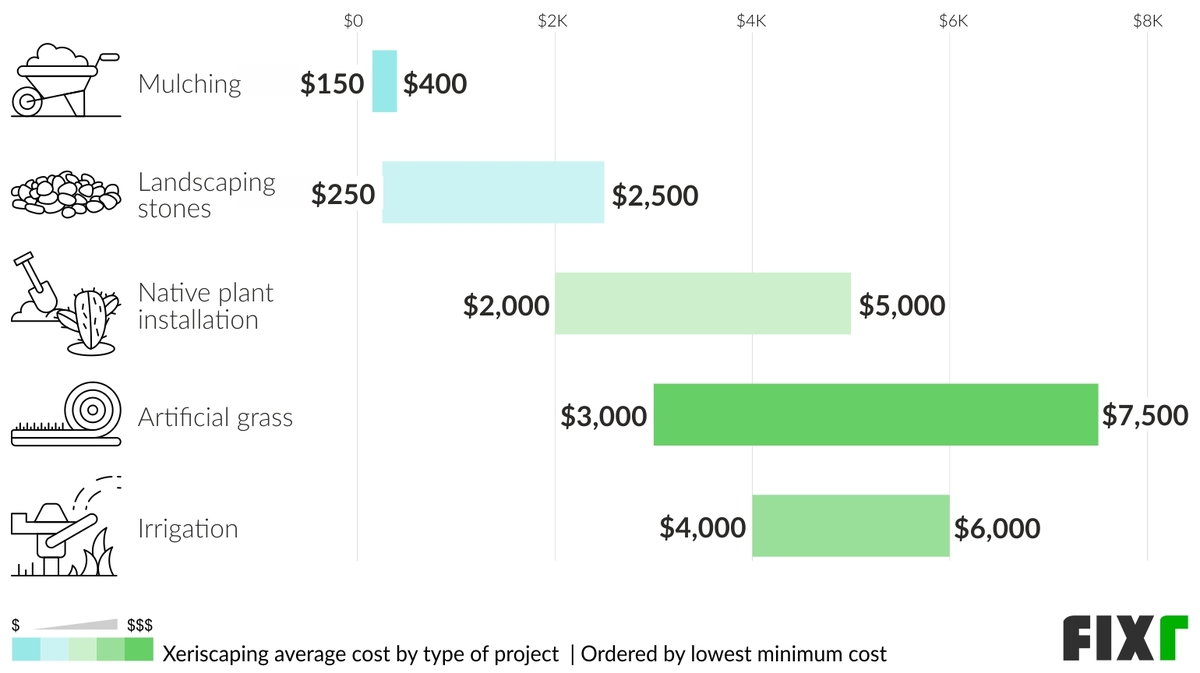
Climate plays a role too. In arid regions like Arizona or Nevada, xeriscaping (drought-tolerant landscaping) is common. This can actually lower long-term maintenance costs but might have higher upfront costs due to the need for specialized irrigation systems and expensive drought-resistant plants. Conversely, in the humid Southeast, you’re battling rapid growth and pests, which might mean more frequent maintenance or harder-to-kill (and thus more expensive) plant varieties. Soil conditions matter as well. If your ground is mostly clay or rock, excavation costs soar. You might need to bring in topsoil, which adds transport fees.
Accessibility is another hidden regional factor. If you live in a dense city with narrow alleys, getting heavy machinery to your backyard might be impossible. Everything has to be hauled in by hand or with mini-loaders, which takes longer and costs more. In suburban sprawl, a truck can pull right up to the fence. These logistical nuances add up. Always ask your contractor if there are access issues that could inflate the price. It’s better to know now than to get a surprise bill later.
Smart Savings: How to Get More Bang for Your Buck
So, you want a nice yard but don’t want to mortgage your house. What can you do? First, phase your project. Instead of doing everything at once, break it into stages. Start with the hardscaping basics—maybe just a small patio. Add the planting beds later. Add the lighting the following year. This spreads the cost over time and lets you adjust as you go. Many contractors are happy to work in phases, and it often saves money in the long run by avoiding burnout on a massive budget.
Second, choose plants wisely. Native plants are not just eco-friendly; they’re cheaper. They’re adapted to your local climate, so they need less water, less fertilizer, and less coddling. Big-box store plants are often cheaper than specialty nursery specimens, though you sacrifice variety. Consider buying smaller plants. A one-gallon tree costs a fraction of a fifteen-gallon tree, and with proper care, it’ll catch up in size within a few years. Patience pays off.
Third, limit the hardscape. Stone and concrete are expensive. Use them strategically. Instead of paving the entire backyard, use gravel for pathways and save the stone for high-traffic areas like the patio. Mulch is your friend. It’s cheap, looks great, and suppresses weeds. You can also mix DIY elements. Maybe you hire pros for the heavy lifting and electrical work, but you handle the planting and mulching yourself. Just be honest with your contractor about what you plan to do so they can prepare the site correctly.
It’s tempting to just look at the upfront price, but landscaping is a living thing. It grows, changes, and requires care. A complex landscape with exotic plants and intricate water features will have higher ongoing maintenance costs. You might need weekly visits from a gardener, seasonal pruning, and system checks for irrigation and lighting. In 2026, professional maintenance can run $100 to $300 a month, depending on the size and complexity. A simple landscape with native plants and mulch beds might only need a few visits a year, costing you a few hundred dollars annually.
Then there’s the return on investment. Does a fancy yard add value to your home? Generally, yes. Curb appeal is a huge driver in real estate. A well-landscaped home can sell for 5% to 12% more than a comparable home with a bare or unkempt yard. But buyers aren’t always looking for luxury. They’re looking for low-maintenance, usable space. A huge, complex garden might actually deter some buyers who don’t want the hassle. A clean, simple, functional outdoor living area often has broader appeal.
Think about how you’ll use the space. If you love entertaining, a patio with a fire pit is worth the investment. If you hate gardening, don’t pay for elaborate flower beds. Align your spending with your lifestyle. The best landscaping isn’t the most expensive; it’s the one that fits your life. In 2026, sustainability is also a selling point. Water-wise designs and native habitats are increasingly attractive to eco-conscious buyers, potentially boosting your home’s marketability without breaking the bank.
At the end of the day, landscaping is personal. It’s your sanctuary, your playground, your first impression. Whether you spend $3,000 or $30,000, the goal is to create a space that brings you joy. Don’t let the price tags intimidate you. Start small, plan smart, and remember that a beautiful yard doesn’t have to cost a fortune. It just takes a bit of thought, a bit of patience, and a clear understanding of what you truly value. So take a breath, look at your yard, and start dreaming. You’ve got this.