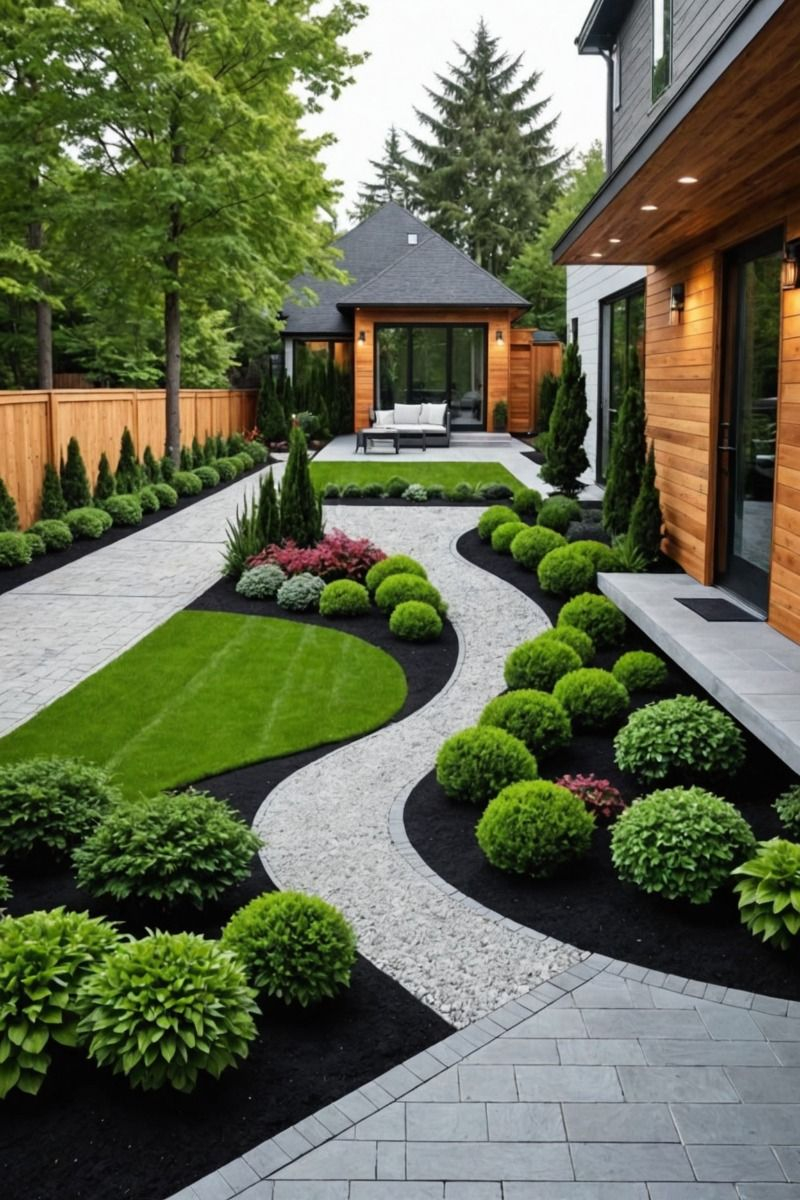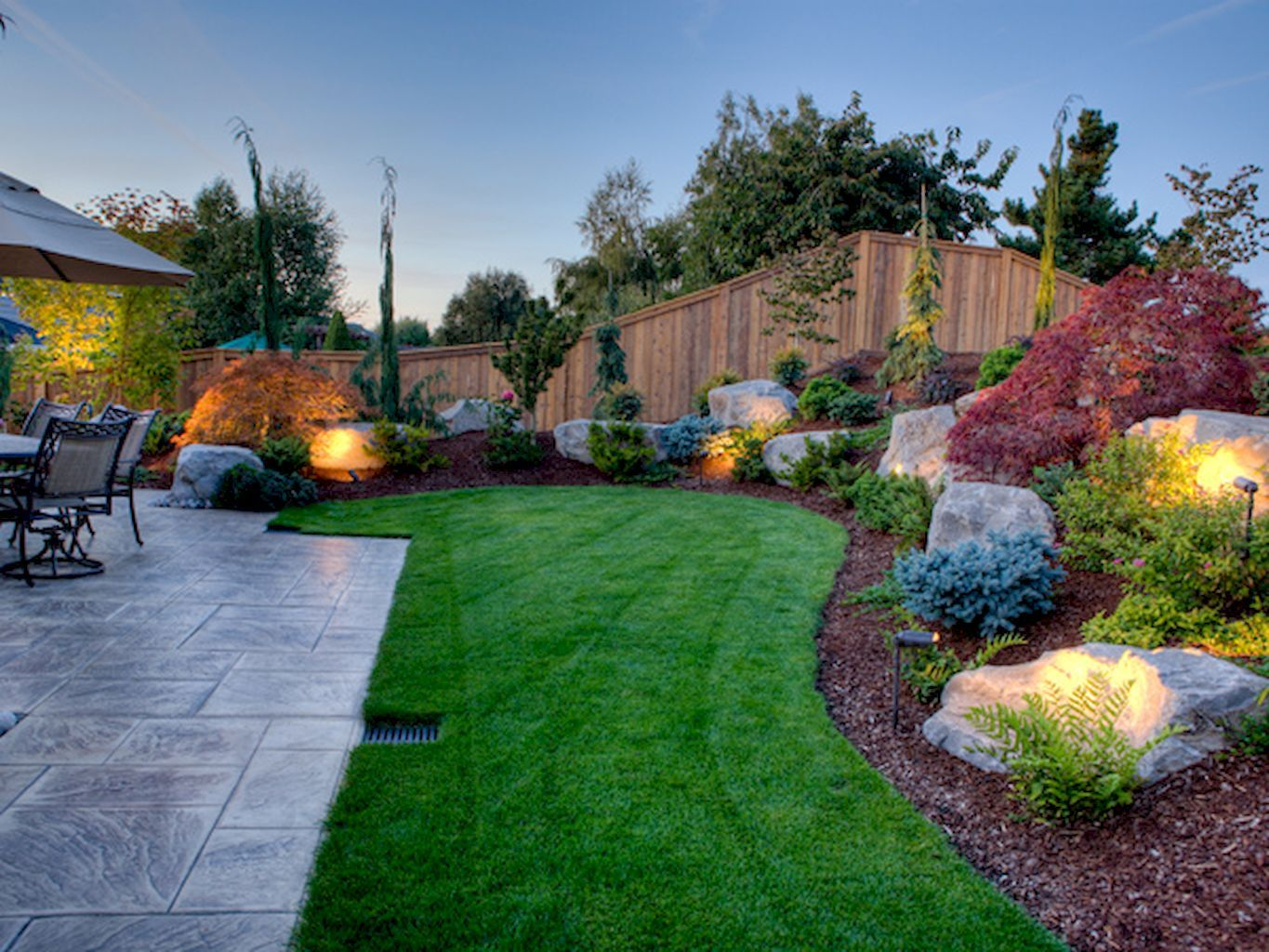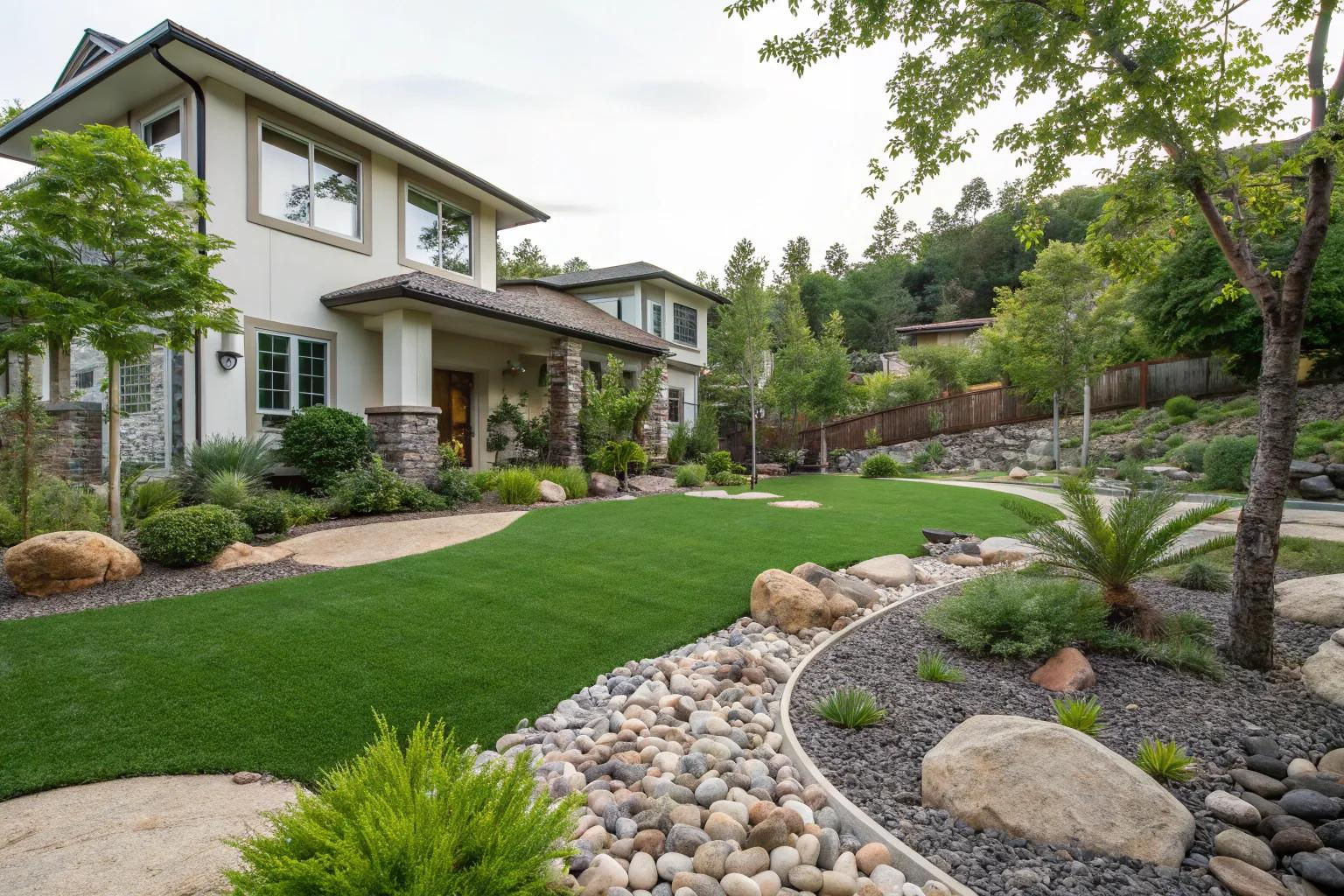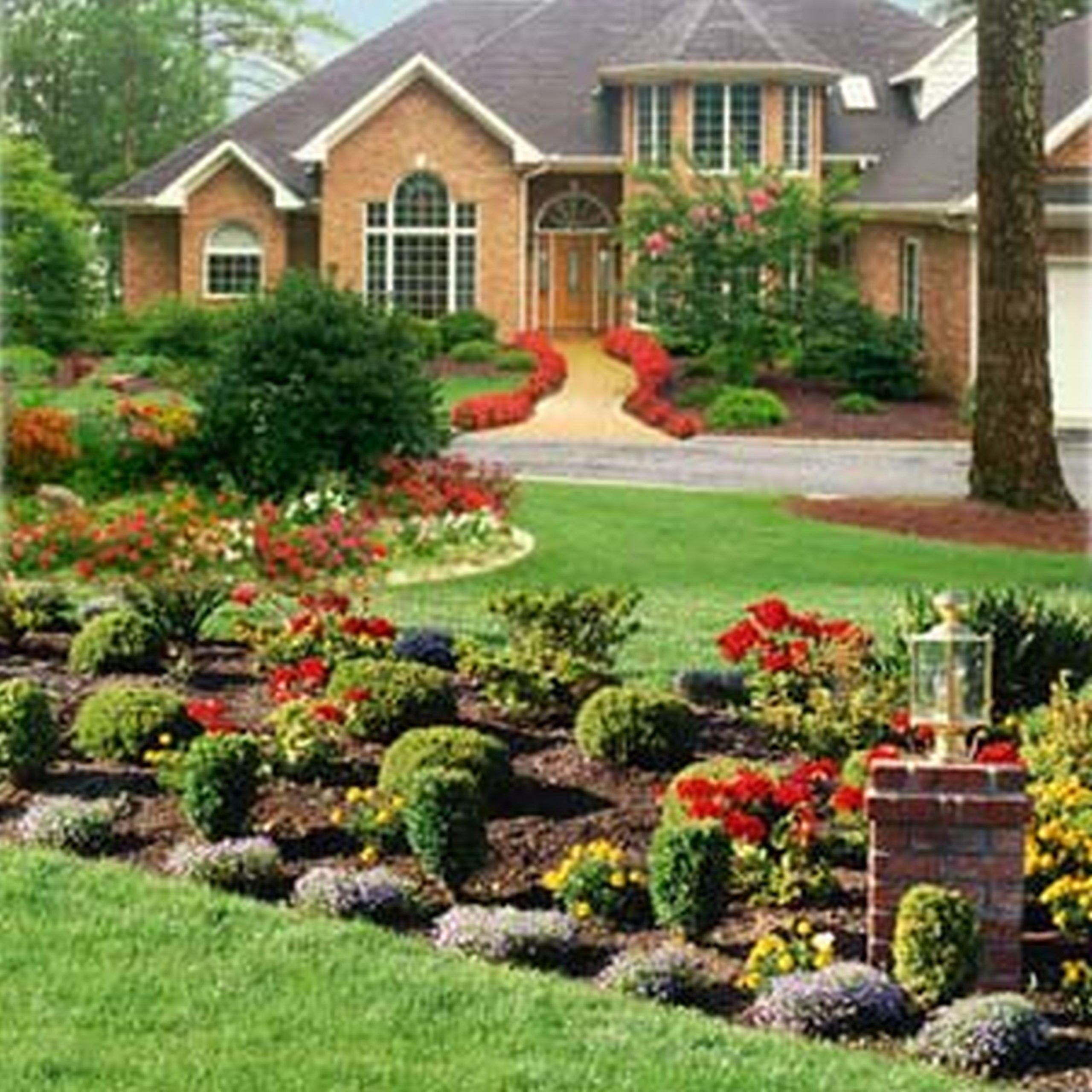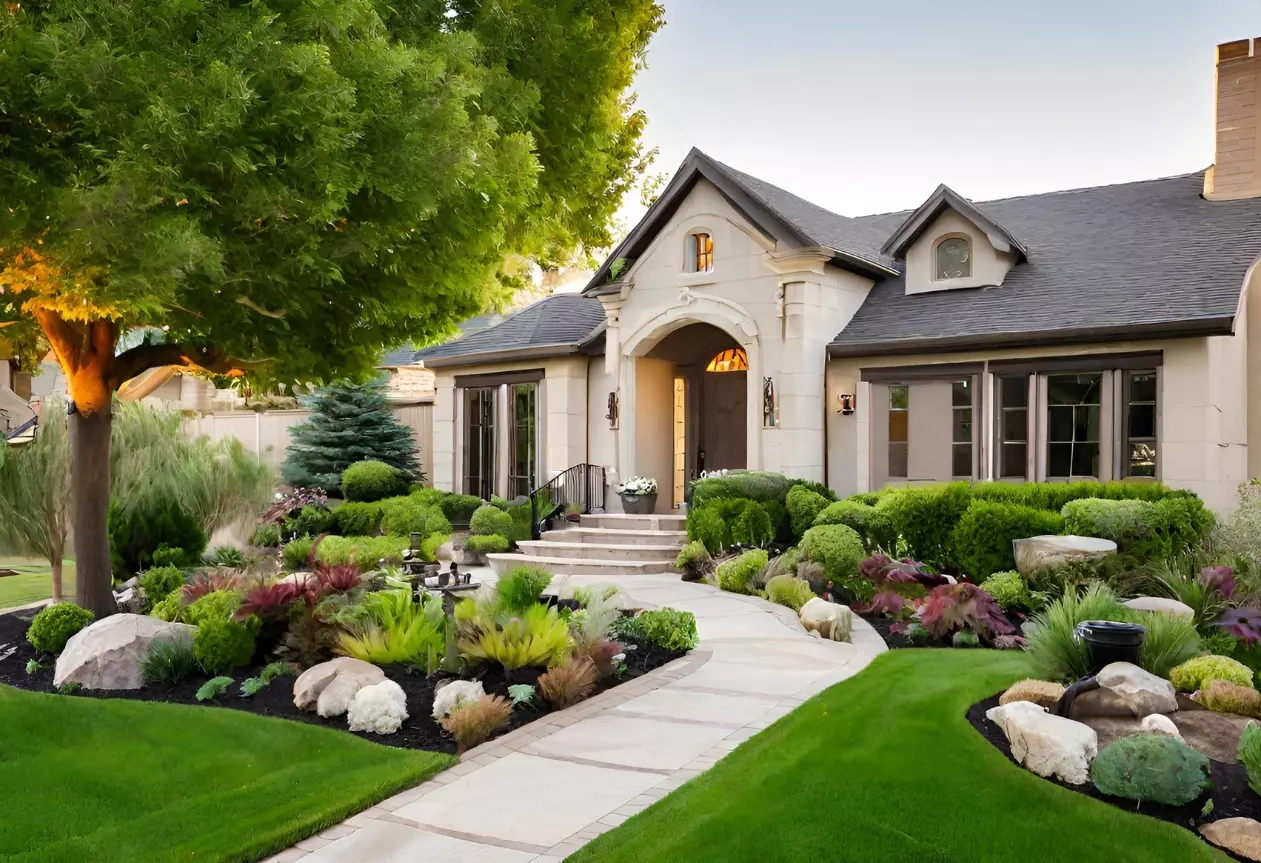

Remember when summer was the only season that mattered for the backyard? Those days are gone. We used to treat our outdoor spaces like seasonal decorations, packing them away or ignoring them once the air turned crisp. But in 2026, the vibe has shifted entirely. It’s not just about a place to grill burgers in July anymore. It’s about creating a living room without a ceiling that you actually want to use in January.
The pressure is off, too. Nobody wants a "second job" managing their lawn. The new wave of design is all about working smarter, not harder. We are seeing a massive move toward spaces that feel wild but refined, offering comfort without the constant upkeep. If you have been staring at your patch of grass wondering how to make it more than just a view from your window, you are in the right place. Let’s dig into what’s really happening in gardens this year.
Ditching the Lawn for Living Meadows
Let’s be honest, maintaining a perfect green carpet of grass is exhausting. And expensive. In 2026, the era of the purely aesthetic lawn is officially over. Homeowners are feeling financially squeezed, and the last thing anyone wants to do is pay a crew to mow, fertilize, and water a space they barely use. The solution? Groundcovers, native plantings, and meadow-like areas.
This isn’t just about being lazy, though that’s a nice bonus. It’s about creating richer, more immersive environments. Kevin Lenhart, a landscape architect, points out that these naturalistic plantings reduce water use significantly. They also support local biodiversity, which feels good on a deeper level. But there is a catch. If you decide to swap your turf for a tapestry of creeping thyme, clover, or native sedges, you have to commit. Lenhart’s biggest tip is to fully eradicate the existing lawn first. Skipping this step creates an ongoing weeding burden that defeats the purpose. Do it right, and you get a lush, textured landscape that looks great with zero effort.
Think of it as "chaos gardening" but with a plan. You aren’t just letting weeds take over; you are curating a resilient ecosystem. These meadows change with the seasons, offering different colors and textures throughout the year. In spring, you might have bursts of wildflowers. By fall, the seed heads provide structure and food for birds. It’s a high-performance landscape that works for you, not against you. Plus, it softens the hardscape, making the whole yard feel more like a retreat and less like a construction site.
The Rise of the Structural Sanctuary
Here is a hard truth: landscaping in 2026 isn’t just decoration. It is functional architecture. We are seeing a shift toward what experts call "Structural Sanctuaries." This means building things that can actually handle real life. Take a hot tub, for example. When full, it weighs 5,000 lbs or more. You cannot just plop that on a standard deck built by a "guy with a truck." It needs engineering.
This trend is about durability and intention. We are moving away from flimsy furniture and temporary fixes. Instead, people are investing in engineered composite decks designed specifically to hold heavy loads while blocking the sight of neighbors. It’s about creating a complete frame for your outdoor life. If you are going to spend money, you want it to last. You want a space that feels solid underfoot, safe, and private.
This approach also ties into the idea of "forever" furniture and fixtures. Built-in seating is huge right now. It’s not just about saving space; it’s about zoning. Imagine intimate reading nooks carved into the landscape, or vibrant entertaining areas that naturally draw people together. When built-in seating becomes part of your overall vision, every element works in harmony. Ambient lighting, smart systems, and heavy, sculpted concrete pieces (like the popular Cabo style) bring a cleaner, modern edge. It makes the backyard feel like an extension of the home’s interior, rather than an afterthought.
Bioclimatic Comfort for Every Season
What good is a beautiful patio if you can only use it three months a year? The goal for 2026 is all-season comfort. Designers are describing the ideal outdoor space as one that supports well-being year-round. Picture a summer evening spent barbecuing by the fire, a crisp fall morning practicing yoga, or even a winter cold plunge followed by a sauna session. This isn’t fantasy; it’s the new standard for luxury living.
The star of this show is the bioclimatic pergola. These structures have surged in popularity because they offer flexible shelter. They come with motorized louvers that adjust for optimal sunlight, ventilation, or rain protection. Want sun in the morning? Open the slats. Got a sudden shower? Close them up. It allows you to stretch the usability of your space week by week, even into the transitional months of spring and late autumn.
For those who don’t want a full roof, woven panels are a great alternative. They diffuse both light and wind, creating a cozy, protected atmosphere without feeling enclosed. These spaces might not be made to endure the harshest winter storms, but they definitely extend the season. Add in some outdoor heaters or a fire pit, and suddenly, a chilly November night becomes the perfect time to sit outside with a blanket and a book. It’s about reclaiming the outdoors, regardless of the thermometer.
Seamless Indoor-Outdoor Flow
The line between inside and outside is blurrier than ever. In 2026, homeowners are maximizing space by treating the backyard as another room in the house. This means thinking about flow. How do you get from the kitchen to the grill? How do you bring drinks out without balancing a tray on a wobbly table? The answer is in the details, like built-in pass-throughs and large windows.
These transitional elements are increasingly in demand. A pass-through window from the kitchen to the patio changes everything. It makes entertaining effortless. You can hand plates directly to guests sitting at an outdoor counter. It maximizes the utility of both spaces and encourages people to move freely between them. It transforms the home into a destination for gathering, rather than just a place to sleep.
Lighting plays a massive role here, too. It’s not just about flooding the yard with floodlights. It’s about layering. You want ambient lighting that matches the warmth of your indoor lamps. Smart systems allow you to control the mood with a tap on your phone. When the lighting is right, the backyard feels inviting even after dark. It creates a sense of continuity. You aren’t stepping "out" into the dark; you are stepping into another warmly lit lounge. This connection boosts the feeling of sanctuary, making the space feel larger and more integrated with your daily life.
Wellness Zones and Personal Retreats
Increasingly, outdoor spaces are becoming personal sanctuaries designed to support mental and physical well-being. It’s not just about looking good; it’s about feeling good. This trend is deeply personal. For some, it means a dedicated yoga deck surrounded by tall grasses for privacy. For others, it’s a meditation corner with a water feature to mask street noise. The focus is on creating zones that encourage slowing down.
Saunas and cold plunges are having a major moment. As mentioned earlier, the contrast therapy of heat and cold is becoming a staple in high-performance backyards. But you don’t need a massive budget to tap into this. Even a simple stone path leading to a secluded bench can serve as a wellness zone. The key is intentionality. Where do you go when you need to breathe? Design that spot with care. Use plants that smell good, like lavender or rosemary, to engage the senses.
This ties back to the idea of nature-inspired elements. Being surrounded by greenery lowers stress. It’s science. So, incorporating more plants, even in small yards, is a priority. Plant specialists recommend varieties that offer year-round interest, like the Cistus ‘Mickie’ rock rose, which features green-and-gold variegated foliage. It acts as a standout color spot even in winter. These small touches add up. They create a backdrop for restoration. Your backyard becomes a place where you can disconnect from screens and reconnect with yourself.
Sustainability is no longer a buzzword; it’s the baseline. In 2026, longevity and precision prevail over short-term impact. People want beautiful backyards, but they don’t want them to feel like a second job. This drives the demand for low-maintenance designs that are also eco-friendly. It’s a win-win. Using native plants reduces the need for chemicals and excess water. Choosing durable materials means you won’t be replacing your deck in five years.
Smart technology is helping here, too. Automated irrigation systems ensure plants get exactly what they need, no more, no less. Solar-powered lights reduce energy costs. Even the choice of furniture is shifting toward sustainable, weather-resistant materials that don’t need to be covered or stored every winter. It’s about designing a system that runs itself, mostly.
This mindset shift is crucial. It frees you up to actually enjoy the space. Instead of spending your Saturday pulling weeds or staining wood, you are spending it hosting friends or reading in the sun. The TurfMutt Foundation notes that the future is about consciously designed landscapes. It’s about high-performance spaces that respect the environment and your time. When you stop fighting your yard, you start loving it. And that is the ultimate goal of any sanctuary.
So, where do you start? You don’t have to do it all at once. Maybe this year, you replace a patch of lawn with native groundcover. Next year, you add a bioclimatic pergola. The key is to think long-term. Think about how you want to feel in that space. Do you want to feel energized? Relaxed? Connected? Let those feelings guide your choices.
The trends of 2026 are all about making your backyard work for you. It’s about creating a space that is resilient, beautiful, and usable every single day. Whether you have a tiny patio or a sprawling estate, the principles remain the same. Prioritize comfort. Embrace nature. Build for longevity. And most importantly, make it yours.
Your backyard has the potential to be the best room in your house. It just needs a little reimagining. Don’t wait for perfect weather. Create a space that defies the seasons. You might just find that your favorite time of year is… all of them.