
Have you ever looked at your neighbor’s yard and wondered why their grass looks like a thick green carpet while yours looks like a patchy desert. It is one of those frustrating home problems that makes you want to throw your hands up. But here is the secret: a beautiful lawn is not just about watering and fertilizing. It all starts with choosing the right type of grass for your specific piece of land.
In 2026, we are seeing a major shift toward lawns that work with nature rather than against it. People are moving away from forcing high-maintenance turf into places where it just doesn’t belong. Let’s dive into how you can figure out exactly what your backyard needs so you can stop wasting money on seeds that never grow.
The Great Divide: Warm-Season vs. Cool-Season Grasses
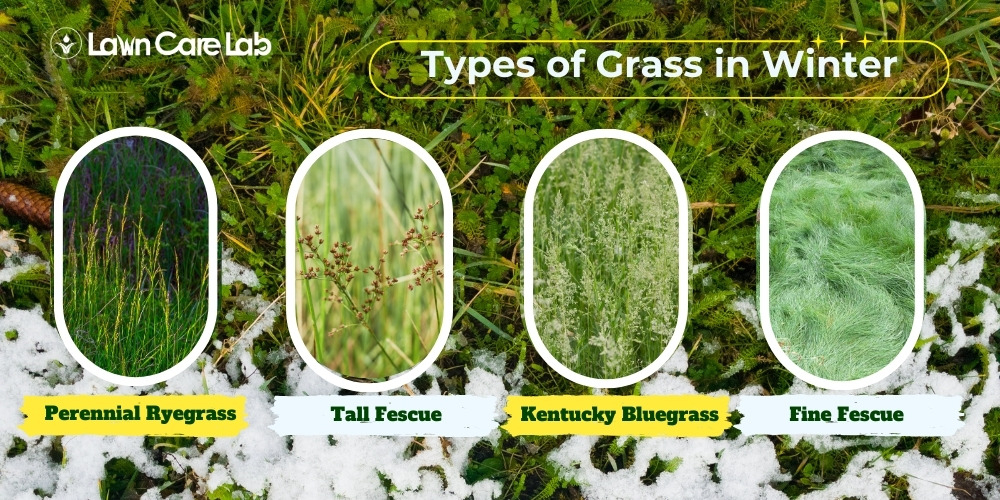
The very first thing you need to think about is your regional weather. Turfgrasses are split into two main groups based on when they like to grow. If you live in the northern parts of the country where winters are freezing and summers are mild, you need cool-season grasses. These varieties, like Kentucky bluegrass and tall fescue, do most of their growing in the spring and fall when the air is comfortable.
On the flip side, if you are down south where the heat is intense for months, warm-season grasses are your best bet. Bermuda grass and Zoysia grass absolutely love the baking sun. They will stay vibrant and green all through July, but keep in mind they will go dormant and turn brown once the first winter frost hits.
Cracking the Soil Code: Clay vs. Sand
Your dirt matters just as much as the sky above. Before you buy any bags of seed, grab a shovel and look at what you are digging up. If your soil is thick, sticky, and holds onto water for days, you have clay soil. Clay can suffocate grass roots if it gets waterlogged, but tough plants like tall fescue and St. Augustine grass can handle it because they have strong, deep root systems.
If your yard feels like a beach and water vanishes instantly when you pour it out, you are dealing with sandy soil. Sand drains incredibly fast, which means nutrients wash away quickly too. Bermuda grass and Bahia grass are excellent choices for sandy spots because they are naturally built to handle dry, low-nutrient conditions without dying off.
High-Traffic Champs for Busy Yards
Think about how you actually use your backyard. Do you have kids running around, dogs chasing tennis balls, or friends over for weekend barbecues. If your lawn gets a ton of foot traffic, you cannot pick a delicate variety. You need something that can bounce back fast from being stomped on.
Bermuda grass is the absolute king of durability in warm climates because it spreads via runners and repairs its own bare spots quickly. For cooler climates, perennial ryegrass is a popular pick for high-use areas like sports fields and active backyards. It germinates incredibly fast and creates a tough turf that resists wear and tear.
Deep Shade and Sunshine Struggles
Trees are wonderfull for shade, but they can be a total nightmare for your grass. Most classic lawn options require full, direct sunlight for at least six hours a day to stay healthy. If your backyard is covered by big trees or blocked by your house, you have to look for shade-tolerant options.
Fine fescue is the champion for shady northern yards. It has thin, delicate blades and does not mind a bit of cover. For southern yards, St. Augustine grass handles partial shade much better than Bermuda, which will quickly wither and thin out if it doesn’t get enough direct sunlight.
The Magic of Mixing Seeds
If you live in a region where the seasons change drastically, planting just one single type of grass might not be the smartest move. That is why seed mixes are so popular these days. When you buy a blend, you are getting a team of different grasses that complement each other.
For example, a classic northern mix combines Kentucky bluegrass for its lush texture, perennial ryegrass for quick growth, and fine fescue for the shady spots under your trees. If one type struggles during a dry spell, the others step up to keep the lawn looking full. It is an easy way to protect your yard against changing weather patterns.
Modern Lawn Upgrades in 2026
Lawn care has changed a lot recently, and in 2026, homeowners are looking for ways to cut down on mowing and watering. One of the biggest trends right now is blending traditional turfgrass with microclover. This tiny legume pulls nitrogen right out of the air to naturally fertilize the surrounding grass, keeping everything green with less effort.
Another great option for dry climates is buffalo grass, which is native to the plains. It needs almost no extra watering once it gets established and stays quite short, so you barely have to mow it. Choosing these low-maintenance options saves you time and keeps your water bill from skyrocketing.
Picking the perfect grass is really just a puzzle where you match your climate, your dirt, and your lifestyle. Take some time to check your soil type, measure how much shade your yard gets, and think about how much time you actually want to spend pushing a lawnmower.
Once you get the right match, everything else gets easier. Your lawn will require less water, fewer chemicals, and way less stress on your part. Don’t rush the process; getting the right foundation is the secret to a backyard you will love spending time in.