
Remember that feeling? You wake up on Saturday morning, coffee in hand, ready to relax. Then you look out the window. The grass is too long. The weeds are staging a coup in the flower beds. The mulch has washed away again. Suddenly, your weekend isn’t yours anymore. It belongs to the lawn mower.
It’s exhausting. And honestly, it’s outdated.
In 2026, the narrative around home ownership is shifting. We aren’t trying to prove we can tame nature anymore. We’re trying to live with it. The goal isn’t a perfect, manicured estate that looks like a golf course. The goal is a space that feels good, looks great, and doesn’t demand every spare hour you have. If you are tired of fighting red clay weeds or watching shrubs take over your porch by August, you are not alone. Most families just want a yard they can enjoy, not a second full-time job.
The good news? You don’t need a massive budget or a professional crew to fix this. In fact, recent data from April 2026 suggests that smart, low-maintenance landscaping can actually increase your home’s value by 5% to 12%. That’s a nice bonus for doing less work. Let’s talk about how to get your weekends back.
Ditch the Grass, Keep the Green
Let’s be real for a second. Traditional turf grass is needy. It wants water, it wants food, and it definitely wants to be cut every five days during the summer. It’s a high-traffic diva. In 2026, we are seeing a huge move away from large, uninterrupted lawns. Homeowners are replacing those high-maintenance patches with ground covers that actually behave.
Think about creeping thyme or sedum. These aren’t just pretty; they are functional powerhouses. They stay low to the ground, which means you never have to mow them. Ever. Plus, when you step on creeping thyme, it releases this amazing, fresh scent. It’s like walking through an herb garden just by going to check the mail. Sedum is equally tough, staying green and vibrant with almost zero attention. It handles drought better than most marriages handle stress.
If you aren’t ready to give up the look of grass entirely, consider clover. It’s making a massive comeback. Clover stays green longer than grass, fixes its own nitrogen (so you don’t have to fertilize), and handles foot traffic surprisingly well. You can also mix in ornamental grasses. They bring structure and movement to the yard without requiring constant pruning. By swapping out even half of your lawn for these alternatives, you cut your chore list in half immediately.
Hardscaping: The Art of Doing Nothing
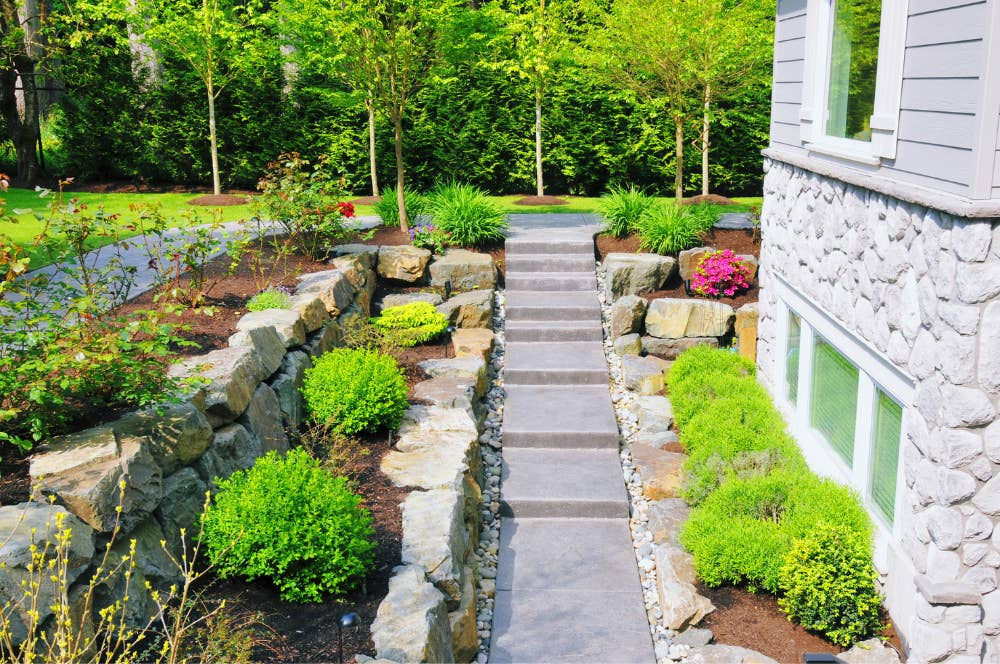
Sometimes the best plant is no plant at all. Hardscaping—using stone, gravel, pavers, and wood—is the backbone of a low-effort yard. While a garden bed might look a bit sparse in the off-season, stone and paver elements always look polished. They don’t wilt. They don’t get diseases. They just sit there, looking expensive and tidy.
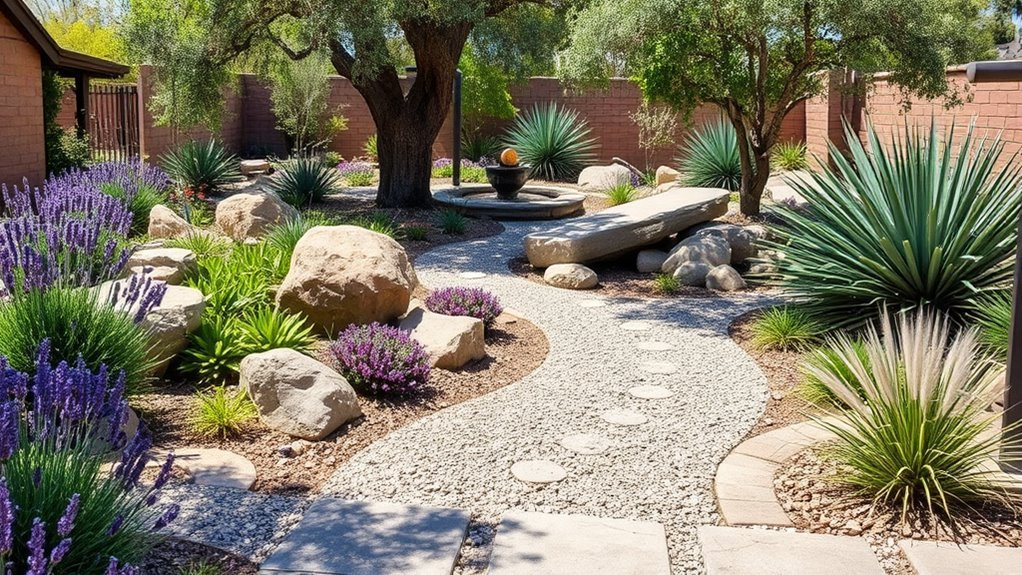
One of the top trends for 2026 is the use of sand-colored gravel combined with natural stone pathways. It creates this elegant, modern vibe that works in almost any climate. I love seeing people combine sculptural succulents like agave, aloe, and cacti with these gravel beds. It brings structure without the fuss. You get that crisp, clean look that stays consistent year-round. It’s about working smarter, not harder.
Don’t forget about functional zones, either. A dedicated fire pit area surrounded by gravel and comfortable seating is a favorite DIY project this year. It turns a muddy corner of the backyard into a destination. You aren’t just removing maintenance; you are adding utility. When you reduce the square footage of "garden" and increase the square footage of "living space," you naturally reduce the time spent weeding. It’s a simple shift in perspective that pays off every single weekend.
Smart Planting for Lazy Gardeners
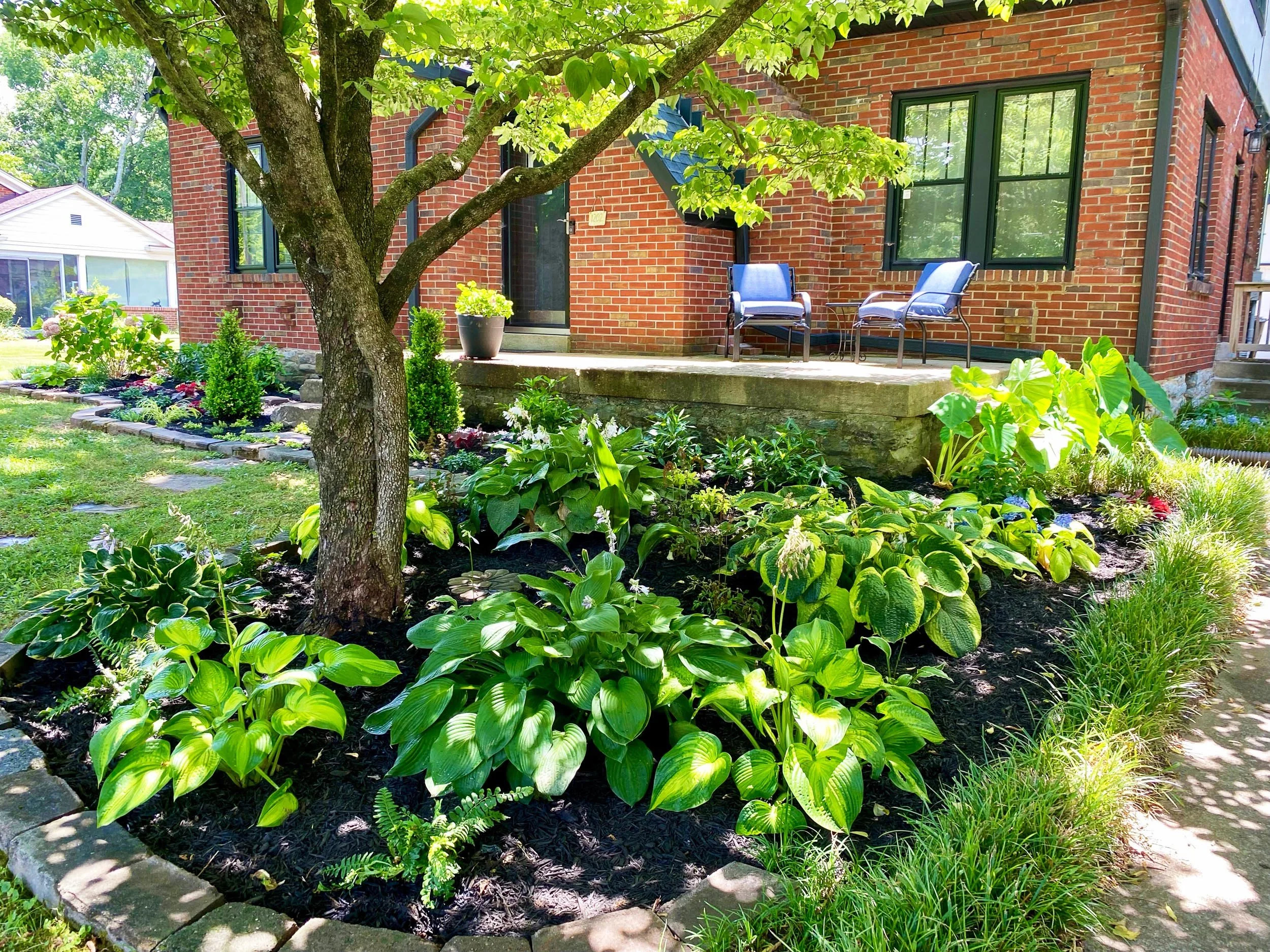
Here is a secret that nurseries won’t always tell you upfront: spacing matters more than you think. When you plant a new landscape, it often looks bare. The instinct is to cram plants close together so it looks "full" right away. Don’t do it. In 2026, the advice is to space plants at their mature spread distance. Yes, it looks empty at first. But in two years, those plants will touch, creating a natural canopy that shades out weeds.
If you can’t stand the gaps in year one, fill them with annual wildflowers or extra mulch. It’s a temporary fix that saves you from digging up overcrowded shrubs later. This approach is ideal for DIYers because it prevents the "jungle effect" where a shrub looks perfect in May but takes over the front porch by August. By giving plants room to breathe, you reduce the need for pruning and division.
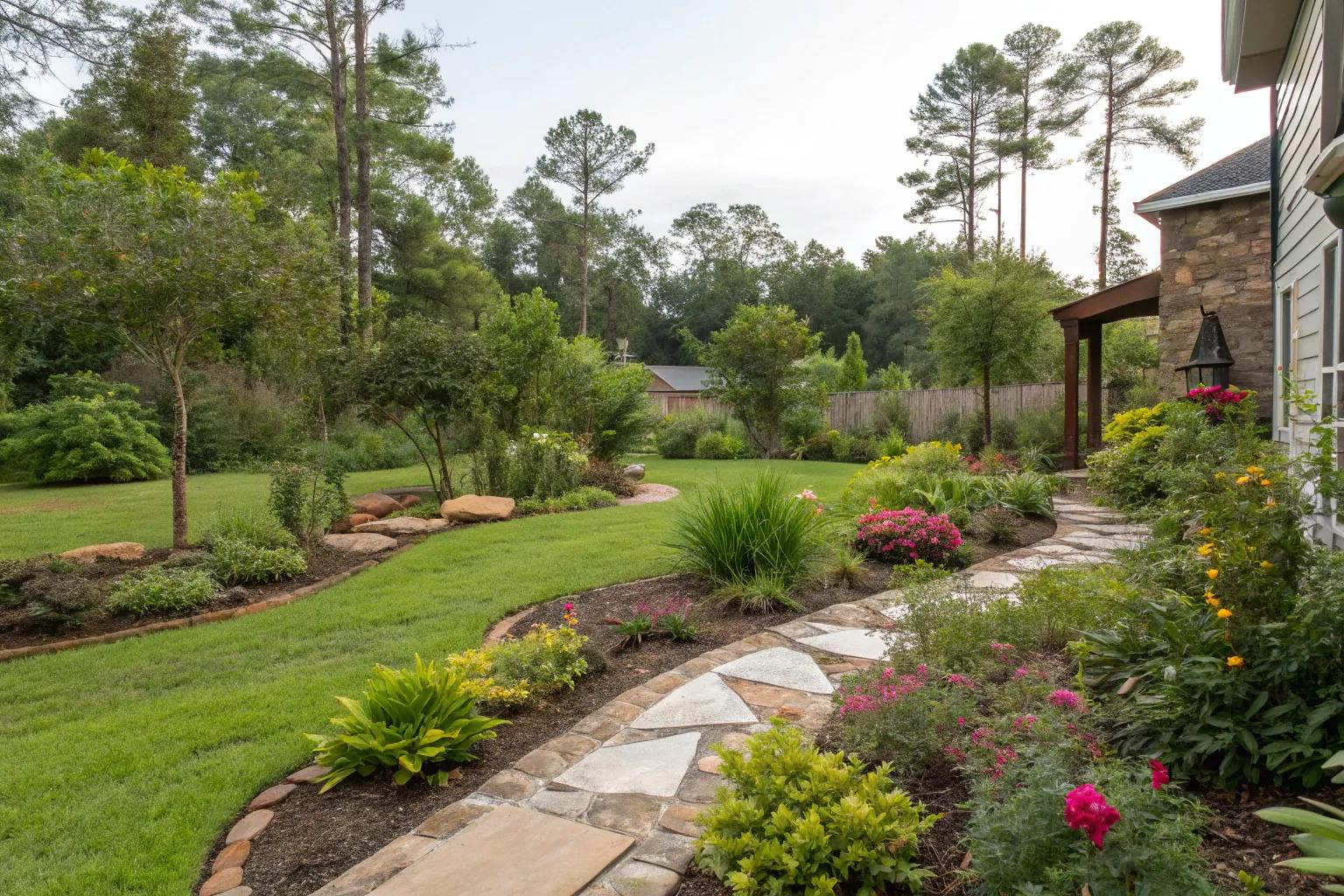
Also, choose resilient varieties. Look for native plants that are adapted to your specific soil type and rainfall. If you live in a place with red clay, like parts of Tennessee, stop fighting it. Pick plants that love clay. If you are in Arizona or Florida, lean into xeriscaping. There are detailed lists available now that match low-maintenance species to your exact elevation and zone. Some local extensions even offer free soil testing. Use them. Knowing your soil is the cheat code to effortless gardening.
Mulch Matters (And So Does Edging)
We all know mulch is supposed to suppress weeds and retain moisture. But if you’ve ever watched your mulch wash down a sloped driveway after a heavy rain, you know it can also be a source of frustration. In 2026, the focus is on keeping mulch in the bed and dirt out of the house. The key here is proper edging.
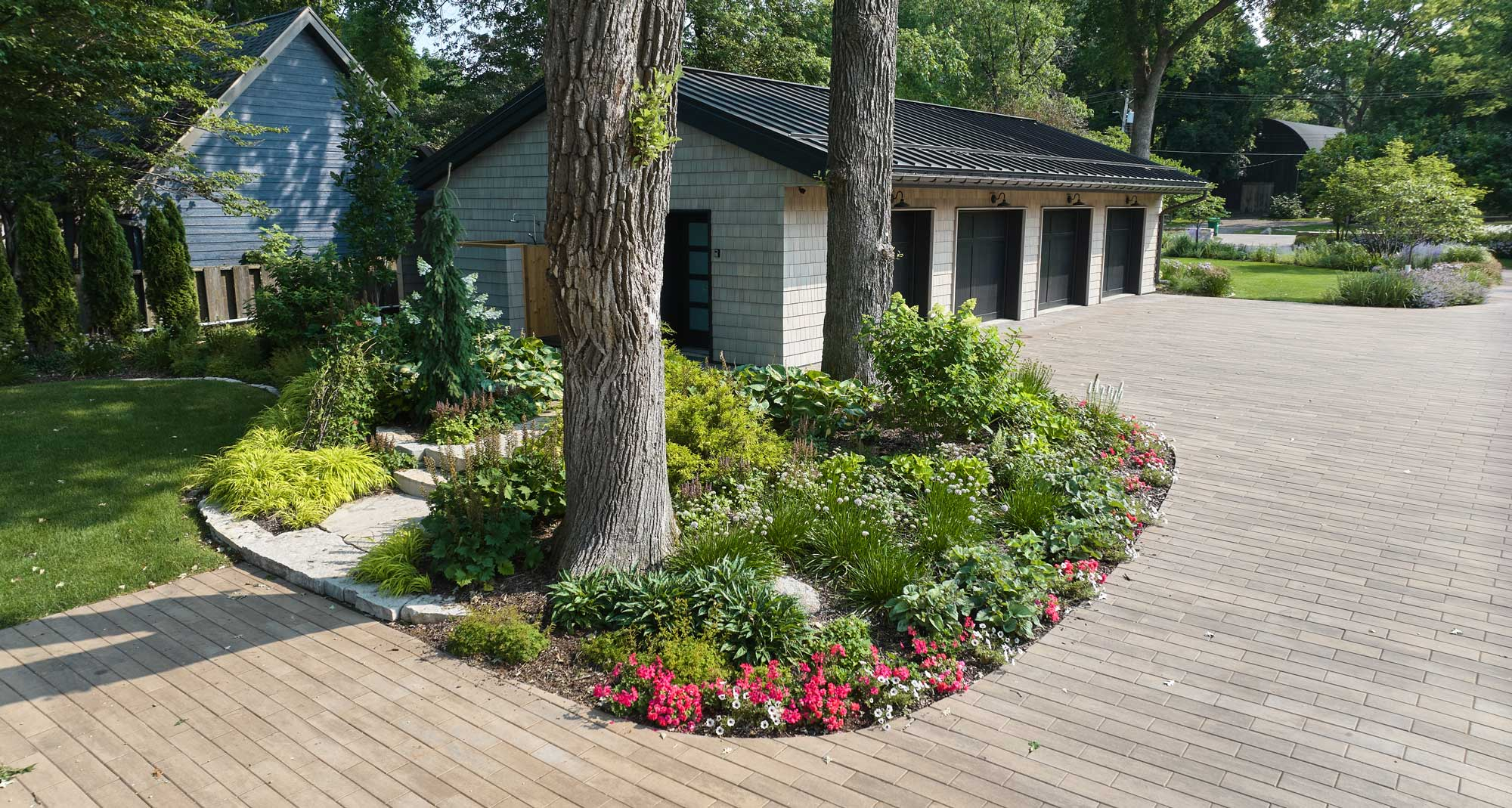
Physical barriers are your friend. Steel edging, stone borders, or deep trench edges prevent grass from creeping into your flower beds. This sounds minor, but it eliminates the most annoying part of yard work: the trimming. When you have a clear, hard line between your lawn and your beds, you can zip along with a mower or blower without worrying about ruining your plants. It creates a crisp look that feels intentional and high-end.
For the mulch itself, consider larger chunks or even decorative rock in areas prone to washing away. Fine shredded mulch floats away in a storm; chunky bark stays put. Alternatively, look into rubber mulch or recycled composite options for play areas. They don’t decompose, so you only have to top them off once every few years. It’s a small change in material that saves hours of raking and replenishing.
Tech That Waters Itself
Let’s talk about water. Hand-watering is a chore. Dragging hoses around is a chore. Even setting timers on old sprinkler systems can be a hassle if they aren’t efficient. The technology available in 2026 has changed the game completely. We aren’t just talking about basic timers anymore. We are talking about smart irrigation systems that actually know what your plants need.
These systems connect to local weather data. If it rained last night, the system skips the watering cycle today. If a heatwave is coming, it adjusts automatically. You don’t have to think about it. You install it, set your plant types, and let the tech do the heavy lifting. It saves water, which is good for the planet and your wallet, and it saves you from dragging hoses across the patio.
Even if you don’t want a full smart system, drip irrigation is a must-have upgrade. Instead of spraying water into the air where it evaporates, drip lines deliver water directly to the roots. It’s more efficient and keeps foliage dry, which reduces disease. Pair this with rain barrels to capture runoff from your roof, and you have a nearly self-sustaining watering loop. It’s practical, design-forward, and removes one of the biggest time-sucks from your weekly routine.
A low-maintenance yard isn’t just about what you see during the day. It’s about how it feels at night, too. Good lighting extends the usability of your space and adds a layer of safety without adding work. Solar-powered path lights have come a long way. In 2026, they are brighter, last longer, and look much less cheesy than they did ten years ago.
Stick to warm-white LEDs for a welcoming glow. Place them along your hardscaped paths to highlight the texture of the stone or gravel. Uplighting a few key trees or architectural plants adds drama without requiring you to prune those plants into weird shapes. The light does the work of drawing the eye, so the plants can just be themselves.
Finally, keep furniture simple and durable. Choose materials that weather well, like teak, powder-coated aluminum, or all-weather wicker. If you have to cover your chairs every time it rains, you won’t use them. Leave them out. Let them live. The same goes for decor. A few well-placed pots with tough plants like snake plants or ornamental grasses can add color without demanding daily attention. The goal is to create a backdrop for your life, not a museum exhibit you’re afraid to touch.
So, where do you start? You don’t have to do it all at once. Pick one area. Maybe it’s that strip of grass next to the driveway that’s always dry and sad. Replace it with sedum and some river rock. Or maybe it’s the back corner where the weeds always win. Put in a gravel fire pit zone. Small steps add up.
The beauty of low-maintenance landscaping is that it gives you permission to slow down. It allows you to sit on your porch with that morning coffee and actually drink it, instead of scanning the yard for problems. It lets you spend Saturday hiking, or reading, or playing with your kids, instead of pushing a mower.
Your home should support your life, not complicate it. By choosing smarter plants, using hardscaping strategically, and letting technology handle the watering, you create a space that is both beautiful and easy. It’s not about being lazy. It’s about being intentional. And in 2026, that’s the smartest design choice you can make. Go ahead. Reclaim your weekend. The grass can wait. Actually, it probably won’t grow much anyway.