
You know that feeling when you step outside in July and the heat hits you like a physical wall? It’s heavy. It’s exhausting. Now imagine your garden feeling that same way, every single day. We’ve all been there, staring at wilted lettuce or crispy flower beds, wondering where it all went wrong. The sun doesn’t care about our watering schedules. It just burns. But here’s the thing: your garden doesn’t have to be a battlefield against the weather. In fact, if you stop fighting nature and start working with it, summer can actually be kind of beautiful.
It’s not about having a green thumb or buying expensive gadgets. It’s about two simple, ancient tools that we’ve somehow forgotten in our rush for instant gratification: mulch and native plants. These aren’t just gardening trends; they’re survival mechanisms. As temperatures climb higher in 2026, relying on thirsty exotic blooms and bare soil is a recipe for burnout—both for you and your landscape. Let’s talk about how these two best friends can turn your yard into a resilient, cool sanctuary, even when the thermometer spikes.
The Hidden Life Beneath the Surface
Think about the last time you walked barefoot on asphalt at noon. Ouch, right? Now think about walking on cool grass or forest floor. That difference is exactly what’s happening to your plant roots. Bare soil acts like a sponge for solar radiation. It absorbs heat during the day and bakes the delicate root systems living just inches below. When roots get too hot, they shut down. They stop taking up water and nutrients, essentially going into shock. This is why you can water a plant every day, and it still looks like it’s dying. The water evaporates before it even helps.
Mulch changes this dynamic entirely. It acts as an insulating blanket. By covering the soil with a layer of organic material, you’re blocking the sun’s direct rays from hitting the dirt. Research from extension programs consistently shows that mulched soil can be significantly cooler—sometimes by as much as 10 to 20 degrees Fahrenheit—than bare soil. That might not sound like a lot, but for a plant, it’s the difference between thriving and surviving. It keeps the root zone stable, allowing plants to keep drinking and growing even when the air temperature is unbearable.
But it’s not just about temperature. It’s about moisture retention. Water is precious, especially in dry summers. When soil is exposed, evaporation happens rapidly. You pour water on the ground, and within hours, it’s gone into the atmosphere. Mulch slows this process down dramatically. It traps the moisture in the soil, letting it seep down deep where the roots can access it over several days. This means you don’t have to water as often. And let’s be honest, who doesn’t want to spend less time dragging hoses around in the heat?
Choosing the Right Native Allies
Not all plants are created equal when it comes to heat tolerance. Many popular garden varieties come from different climates, requiring constant coddling to survive our local summers. Native plants, on the other hand, have spent thousands of years evolving specifically for your region. They know how to handle the droughts, the heatwaves, and the soil types. They’re built for this. When you choose natives, you’re picking players who already know the rules of the game.
Take coneflowers or black-eyed susans in the Midwest, or sage and yarrow in the West. These plants have deep root systems that dig down to find water tables that shallow-rooted exotics can’t reach. They’ve developed waxy leaves or hairy textures to reflect sunlight and reduce water loss. They don’t need you to rescue them every afternoon. They just need a chance to establish themselves. In 2026, as water restrictions become more common in many areas, relying on these tough locals isn’t just eco-friendly; it’s practical.
There’s also a hidden benefit: biodiversity. Native plants support local pollinators, birds, and beneficial insects. These creatures form a web of life that helps keep pests in check naturally. When you plant a monoculture of non-native roses, you might find yourself battling aphids all summer. But when you plant a diverse mix of natives, you invite in ladybugs and lacewings that eat those aphids for you. It’s a self-regulating system. Less work for you, more life for the ecosystem. It’s a win-win that feels good on a deeper level.
The Mulch Menu: What Works Best
So, you’re convinced. But what do you actually put on the ground? Not all mulch is created equal, and picking the wrong type can sometimes do more harm than good. For native gardens, organic mulches are generally the best bet. Shredded hardwood, leaf mold, straw, or pine needles break down over time, adding nutrients back into the soil. This mimics the natural forest floor, which is exactly what most native plants expect. They’re used to leaves falling and decomposing, not to sitting next to plastic landscape fabric.
Avoid the colorful dyed mulches or rubber chips if you can. They look neat, sure, but they don’t improve soil health. Dyed mulches can sometimes contain chemicals you don’t want leaching into your garden, and rubber doesn’t breathe. Your soil needs to breathe. It needs air and water exchange. Organic mulch allows this while still providing that crucial insulation. Plus, as it breaks down, it feeds the microbes in the soil. Healthy soil means healthy plants. It’s a cycle that builds itself if you just give it the right materials.
Thickness matters too. You want enough to block weeds and retain moisture, but not so much that you suffocate the plants. A general rule of thumb is two to four inches. Any less, and the sun might punch through. Any more, and water might run off instead of soaking in, or roots might rot from lack of oxygen. It’s a balancing act. Check your beds once a season. If the mulch has decomposed significantly, top it off. If it’s matted down, fluff it up. Simple maintenance keeps it working hard for you.
The Synergy Effect
Here’s where the magic happens. Mulch and native plants aren’t just good individually; they’re powerful together. Native plants often prefer well-drained, aerated soil that doesn’t stay soggy. Mulch helps regulate that moisture balance, preventing the boom-and-bust cycle of drying out completely then getting flooded by a sudden storm. The mulch protects the soil structure, keeping it loose and crumbly. This makes it easier for those deep native roots to penetrate further down, accessing resources that would otherwise be out of reach.
Furthermore, native plants tend to drop their own leaves and debris. In a natural setting, this litter layer becomes the mulch. By adding external mulch, you’re just speeding up that process and ensuring coverage during the establishment phase. Once your native garden is mature, you might find you need less supplemental mulch because the plants themselves create a protective canopy and leaf litter. It’s a low-maintenance dream. The plants protect the soil, and the soil supports the plants.
This synergy also reduces weed pressure significantly. Weeds are opportunistic. They love bare, disturbed soil. By covering the ground with mulch and filling the space with dense native plantings, you leave little room for invaders. Sure, a few might pop up, but they’re easy to pull from soft, mulched soil. Compare that to wrestling weeds out of hard, baked clay. It’s night and day. You spend less time on your knees cursing dandelions and more time enjoying the buzz of bees and the sway of grasses.
Common Mistakes to Avoid
Even with the best intentions, it’s easy to mess this up. The most common error is "volcano mulching." This is when people pile mulch high against the trunk of a tree or the stem of a shrub. It looks neat, like a little mountain, but it’s deadly. It traps moisture against the bark, leading to rot, disease, and insect infestations. Always keep mulch a few inches away from the base of plants. Think of it as a donut, not a volcano. The hole in the middle allows air circulation and keeps the stem dry.
Another mistake is using fresh wood chips directly around young annuals or vegetables. Fresh wood can tie up nitrogen in the soil as it begins to decompose, starving your plants. For veggies, use compost or straw. For established native perennials and trees, aged wood chips are fine. Context is key. Know what you’re planting and what it needs. Don’t just dump a truckload of whatever is cheapest without thinking about how it interacts with your specific plants.
Also, don’t ignore the timing. Applying mulch in late spring, after the soil has warmed up but before the intense heat sets in, is ideal. If you mulch too early in cold soil, you might delay root growth. If you wait until mid-summer, you’ve already lost moisture. Get it down early. Set it and forget it, mostly. And remember, mulch isn’t a substitute for watering newly planted natives. They still need help getting established. Once they’re settled, though, they’ll thank you by asking for very little.
Let’s talk about the future. Gardening isn’t just about this summer; it’s about next year and the year after. By building a garden with natives and mulch, you’re investing in resilience. You’re creating a system that gets stronger with time. The soil improves. The plant community stabilizes. The water bill goes down. In 2026, with climate patterns becoming more unpredictable, having a garden that can withstand extremes is a huge relief. It’s one less thing to worry about when the news is full of heat alerts.
There’s also a mental health aspect. A garden that fights you is stressful. A garden that flows with you is restorative. Walking through a lush, cool native bed feels different than staring at a patch of brown, struggling turf. It connects you to the place you live. It reminds you that you’re part of a larger natural world, not separate from it. That connection is vital. It grounds us. It gives us a sense of purpose and peace, especially when the world outside feels chaotic and hot.
So, don’t view mulch and natives as chores. View them as allies. They’re doing the heavy lifting for you. They’re keeping the soil cool, the water in, and the weeds out. All you have to do is set them up for success. Pick the right plants. Spread the right cover. Step back. Watch them work. It’s a partnership that pays dividends in beauty, ease, and ecological health. And honestly, isn’t that what we all want from our outdoor spaces?
Summer heat is inevitable. But suffering through it in the garden isn’t. By embracing these simple, natural strategies, you transform your yard from a source of stress into a sanctuary. You save water, save time, and save your sanity. The plants will thrive, the soil will breathe, and you’ll get to sit back with a cold drink, watching your garden flourish despite the odds. That’s not just gardening. That’s smart living.
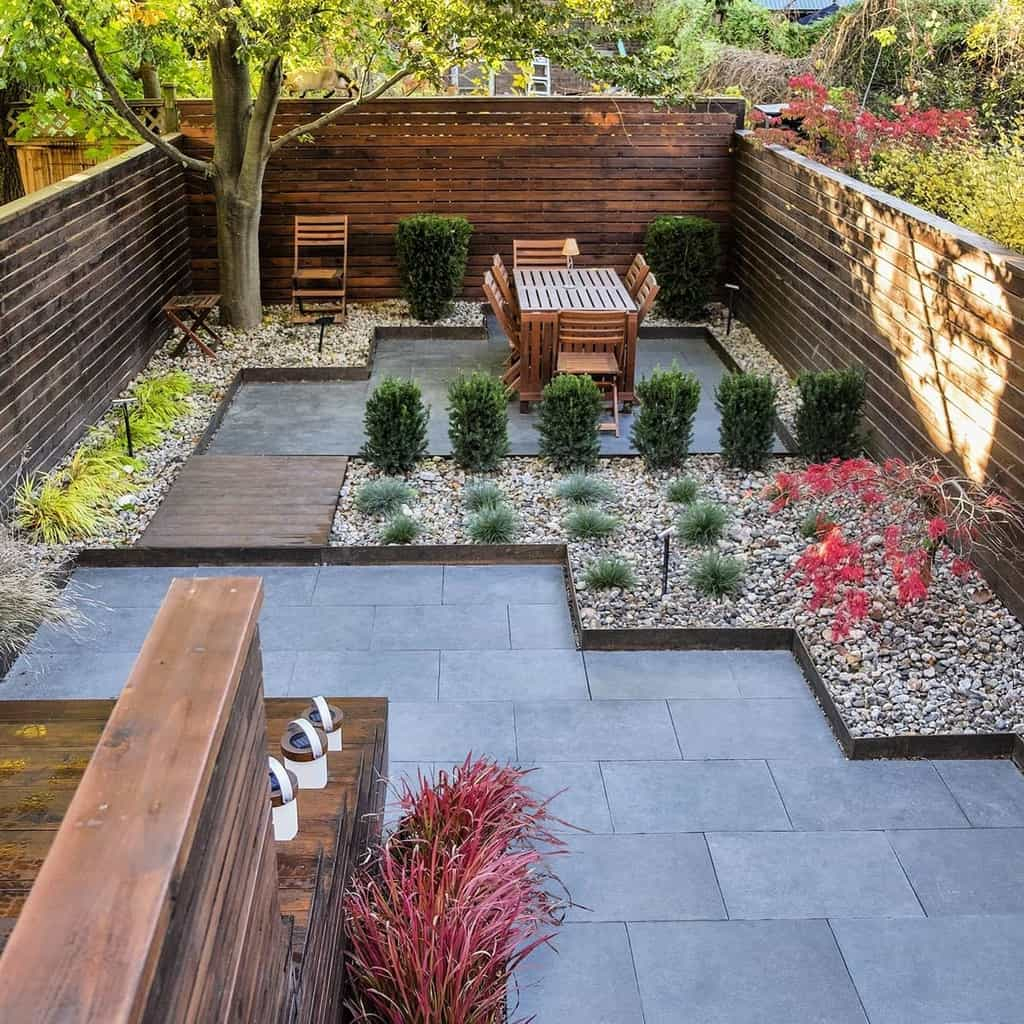
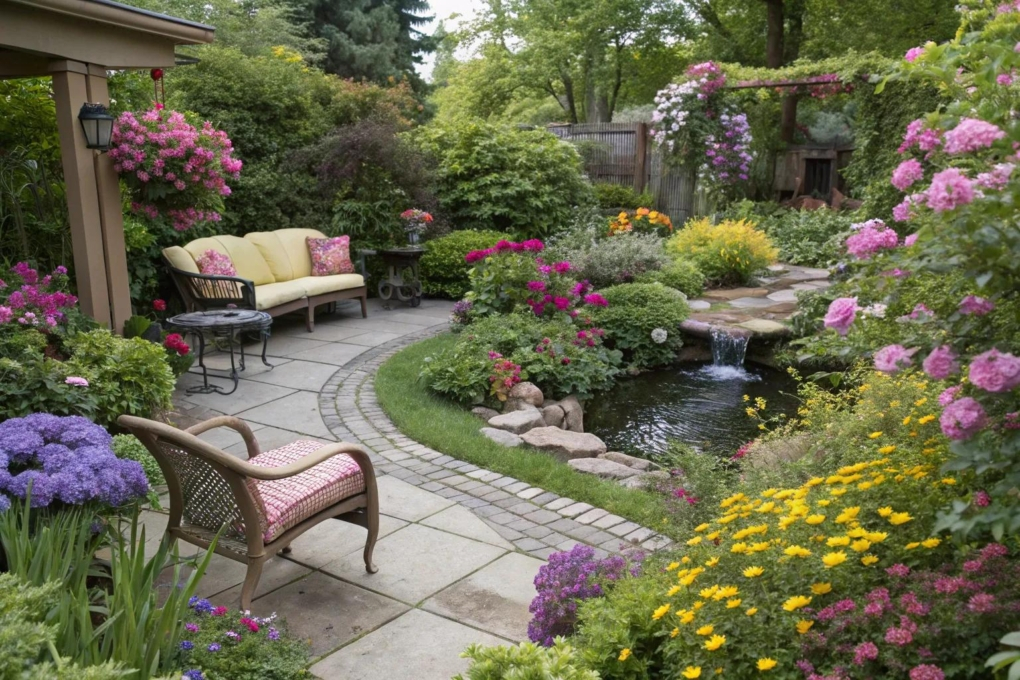
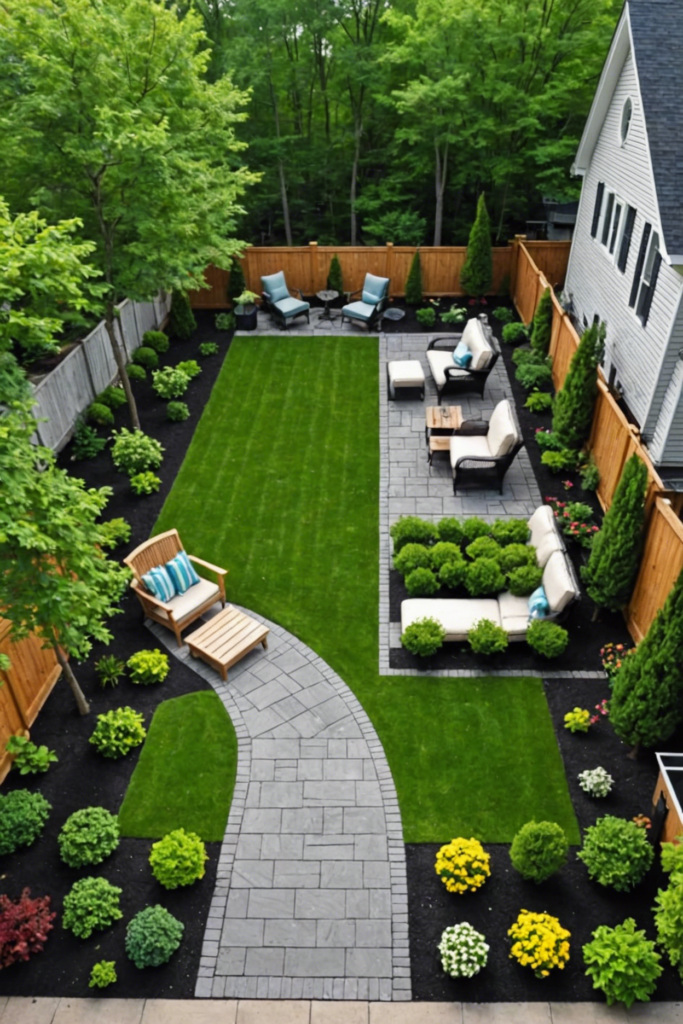
![15 Backyard Patio Ideas For 2025 [Stunning Designs] regarding Summer Drought Landscaping Tips Backyard](https://cdn.dahomengarden.com/2026/05/15-backyard-patio-ideas-for-2025-stunning-designs-regarding-summer-drought-landscaping-tips-backyard.webp)

![15 Backyard Patio Ideas For 2025 [Stunning Designs] regarding Summer Drought Landscaping Tips Backyard](https://cdn.dahomengarden.com/2026/05/15-backyard-patio-ideas-for-2025-stunning-designs-regarding-summer-drought-landscaping-tips-backyard.webp?width=992&f=jpg)


