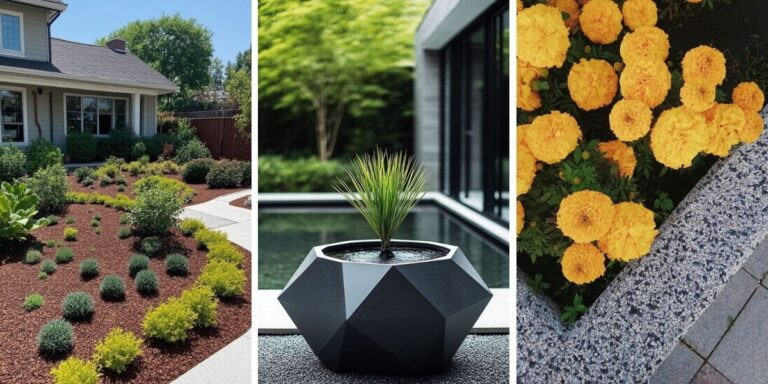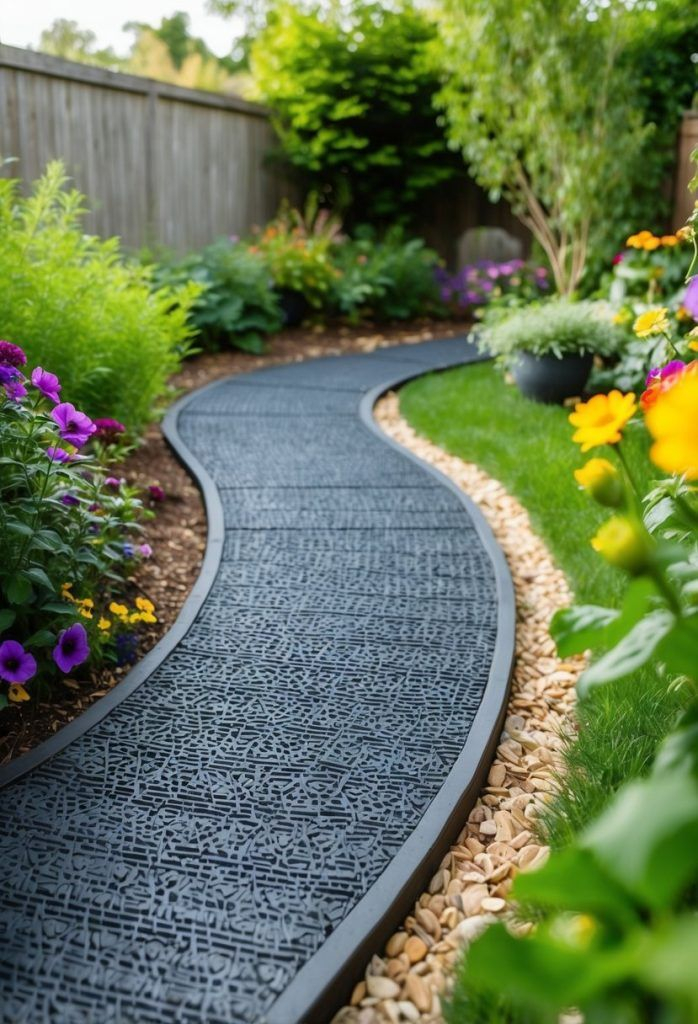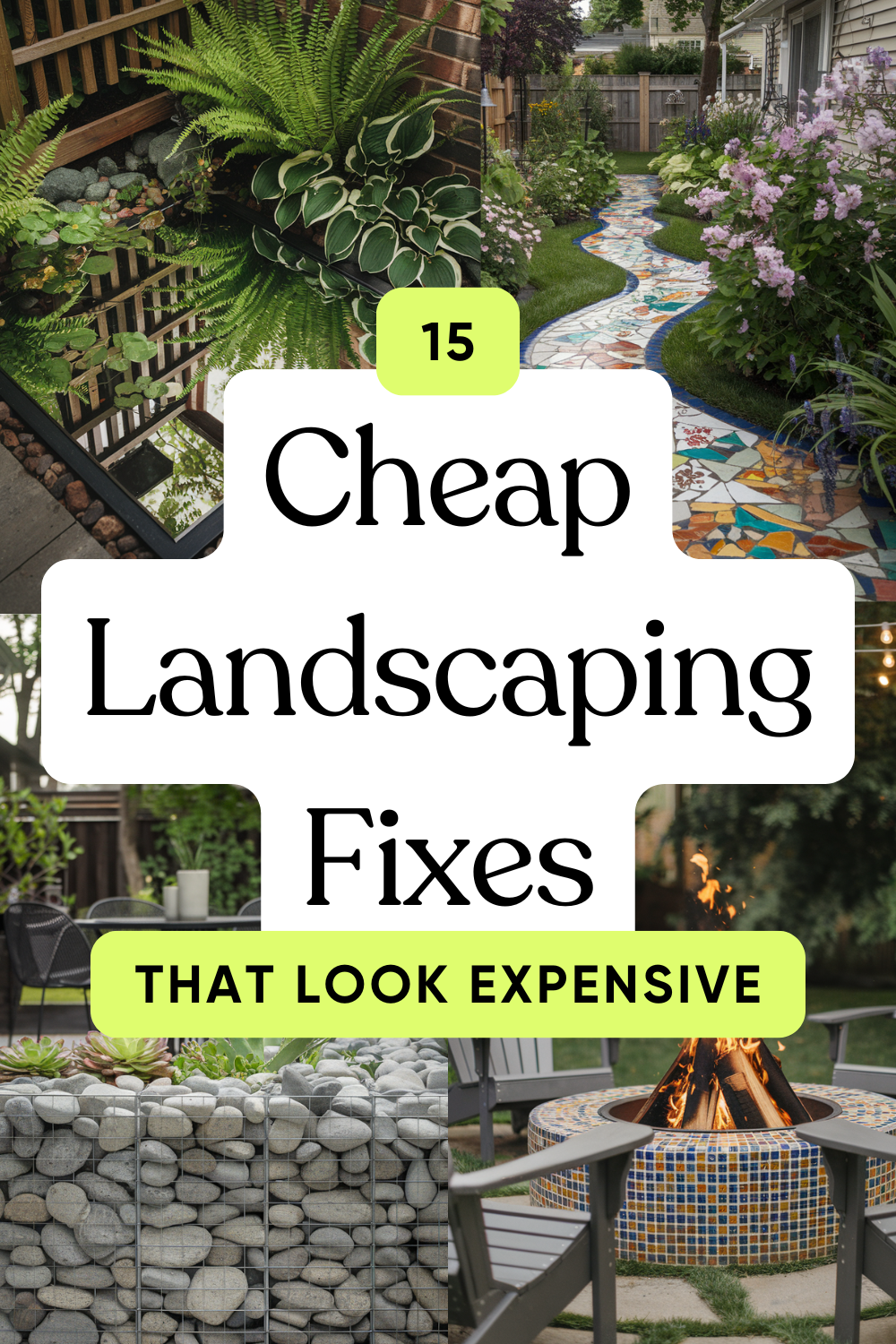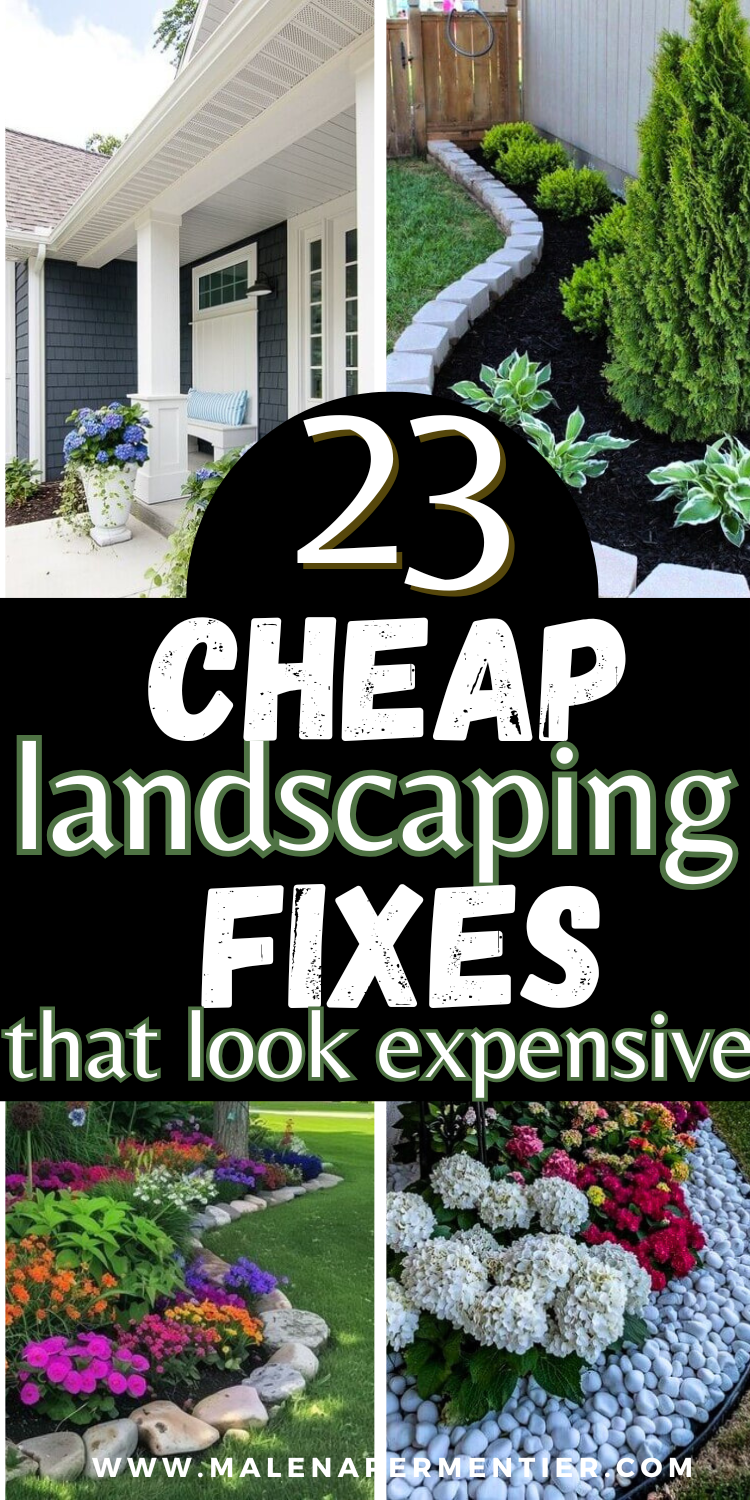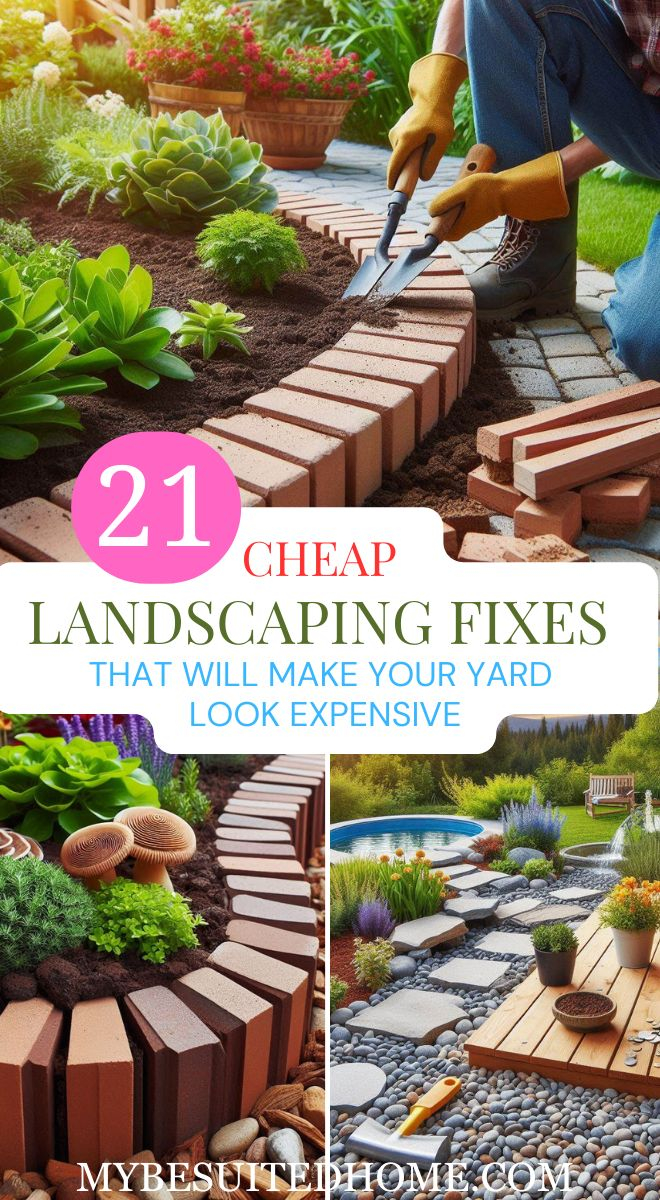

Ever looked out your back window and felt a sudden wave of design envy, followed immediately by budget dread. We have all been there. Turning a patch of grass into a personal oasis feels like it should require a massive inheritance, but it really doesn’t.
The secret isn’t spending more; it is planning smarter. This year, landscape design is moving away from massive, expensive construction and shifting toward clever, resourcefull layouts. You can actually save a fortune just by changing where things go.
Divide and Conquer with Zone Zoning
Think of your yard like a house without a roof. When you walk into a home, you don’t just see one giant room with a bed, a stove, and a couch thrown together. Your yard needs that same kind of structure. By splitting your outdoor space into distinct "rooms"—like a dining nook, a play area, or a quiet reading corner—you instantly make it feel bigger and more organized.
The best part? This trick saves you serious cash on materials. Instead of paving your entire yard with pricey stone, you only need to buy enough for a small dining pad. The rest of the zones can use cheaper alternatives like wood chips or pea gravel. It creates a beautiful contrast, and your wallet gets a massive break.
Embrace the Beauty of Mass Planting
When people head to the nursery, they usually buy one of this, two of that, and a random mix of everything else. This "grocry store basket" approach looks messy and costs a fortune because you are buying unique, expensive individual specimens. Instead, look at what professional designers do: mass planting.
Pick just three or four hardy, reliable plant types and buy them in bulk. Grouping ten or fifteen of the same ornamental grass or lavender together creates a stunning, modern look that feels like a luxury resort. Even better, nurseries often give big discounts when you buy plants by the dozen. It simplifies your care routine and keeps money in your pocket.
Pathways that Sneakily Save Space
You need to get from your back door to the seating area, but pouring a solid concrete walkway can cost thousands of dollars. A much smarter layout idea is the "stepper" path. By using large, flat flagstones or concrete pavers spaced a step apart, you use about 75% less material than a solid walkway.
Fill the gaps between the stones with low-growing groundcover plants like creeping thyme or simple moss. It looks incredibly romantic and soft. Plus, you won’t have to worry about grading or complex drainage issues because the rainwater just sinks naturally into the soil around the stones.
Work with Your Yard’s Natural Shape
Too many homeowners try to fight their land. If they have a slope, they spend thousands to flatten it. If they have a damp spot, they pay for complex drainage systems. In 2026, the trend is all about working with what you already have.
If your yard slopes downward, don’t build a massive retaining wall. Instead, build a simple terraced garden or a multi-level seating area using affordable timber. Got a soggy corner? Turn it into a beautiful rain garden filled with moisture-loving native plants. By flowing with nature instead of fighting it, you save massive amounts of labor and material costs.
Negative Space is Your New Best Friend
In the design world, negative space is just the empty area around objects. In a backyard, this usually means a healthy, open lawn or a clean patch of mulch. You don’t need to fill every square inch of your property with expensive features or dense garden beds.
Leaving open areas gives the eyes a place to rest. It makes the features you do have—like a nice fire pit or a beautiful tree—stand out even more. A large, well-maintained patch of grass or a clean gravel courtyard is incredibly affordable to set up and maintain compared to a packed garden.
Upcycling and Sourcing Free Materials
Let’s talk about the actual stuff you build with. Before running to the big-box home improvement store, check local online marketplaces and community boards. People are constantly giving away extra bricks, leftover pavers, and old wooden pallets for free just to get them out of their driveways.
You can use old bricks to create a charming, weathered border for your garden beds. Old pallets can be scrubbed down, painted, and stacked into cozy outdoor couches. Mixing these found items with a few brand-new elements gives your yard a ton of personality and keeps tons of usable material out of landfills.
Creating a beautiful outdoor space doesn’t mean you have to wipe out your savings account. By using clever layouts like zoning, mass planting, and working with your land’s natural shape, you can build a gorgeous retreat on a budget. It is all about being resourceful and seeing the potential in simpler choices.
Take a look at your yard this weekend with fresh eyes. Don’t think about what you need to buy—think about how you can rearrange and simplify what is already there. With a little patience and some smart planning, you will have a space you love coming home to every single day.