
Have you noticed your backyard hill looking a bit more rugged lately after a heavy rain? Maybe you are seeing tiny rivers carving paths through your grass, or exposed tree roots that used to be buried. If so, you are definitely not alone.
It is a frustrating problem that thousands of homeowners are dealing with this year in 2026. Slopes are beautiful, but they can be incredibly stubborn when it comes to staying put. Gravity is always pulling down, and when you add weather into the mix, things get messy quickly.
The Sneaky Culprits Behind Slope Erosion
Every time it rains, water drops hit the ground like tiny hammers. On a flat lawn, the water mostly soaks straight in. But on a hill, that water grabs onto loose dirt and starts racing downhill. This process is what experts call soil erosion, and it happens much faster than you might think.
Another big issue is wind. If your slope doesn’t have much coverage, a strong gust can lift up the top layer of dirt and carry it away. Over time, your fertile topsoil vanishes, leaving behind hard clay or rocky ground where nothing wants to grow.
Why Mechanical Fixes Often Fail Alone
A lot of people immediately think about building huge concrete retaining walls or dumping piles of heavy rocks called riprap down their hills. While these engineering fixes have their place, they can be super expensive. Plus, they don’t actually fix the underlying health of the earth.
If water traps itself behind a solid wall, the pressure builds up. Eventually, that wall can crack or totally tip over. Mechanical structures lack flexibility, which means they can’t adapt when the earth naturally shifts and moves over the seasons.
Enter Nature’s Best Anchors: Plant Roots
This is where plants come in to save the day. Think of plant roots as a massive, invisible safety net hidden just beneath the surface. They web through the dirt, holding it tight like fingers gripping a handful of marbles.
- Deep roots: Some plants send roots down several feet, anchoring the deeper layers of earth to prevent deep landslides.
- Fibrous roots: Other plants create a thick mat near the surface, stopping the top layer from washing away in a storm.
- Canopy protection: Leaves and branches break the impact of falling raindrops so they hit the ground softly.
Picking the Right Green Team for Your Hill
You can’t just throw any old grass seed on a steep incline & expect miracles. Turf grass has incredibly shallow roots, which is why standard lawns often slide right off steep slopes during big storms. You need tough, native plants that love your specific climate.
Shrubs like creeping juniper or low-growing sumac are fantastic choices because they spread out wide and hold large areas of ground. For perennial flowers, things like coneflowers & switchgrass have massive root networks that dig deep into the earth. Native wildflowers look beautiful and do the heavy lifting for you.
The Secret to Planting on a Steep Slope
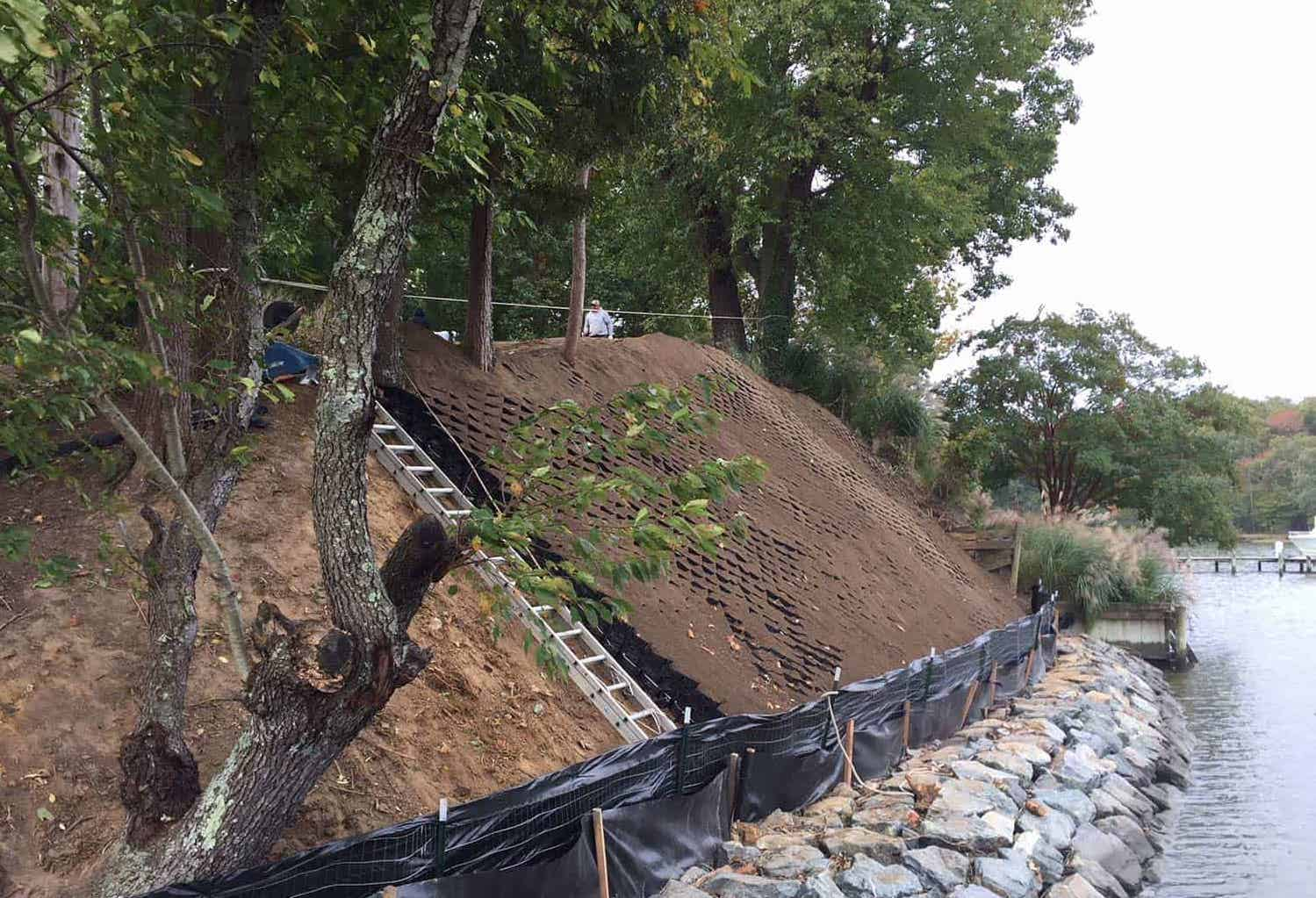
Getting new plants established on a hillside can be tricky because the seeds or young starts want to slide down before they can dig in. A great trick is to use biodegradable erosion control blankets made of coconut fiber or jute. You pin the blanket to the hill & plant right through small cuts in the fabric.
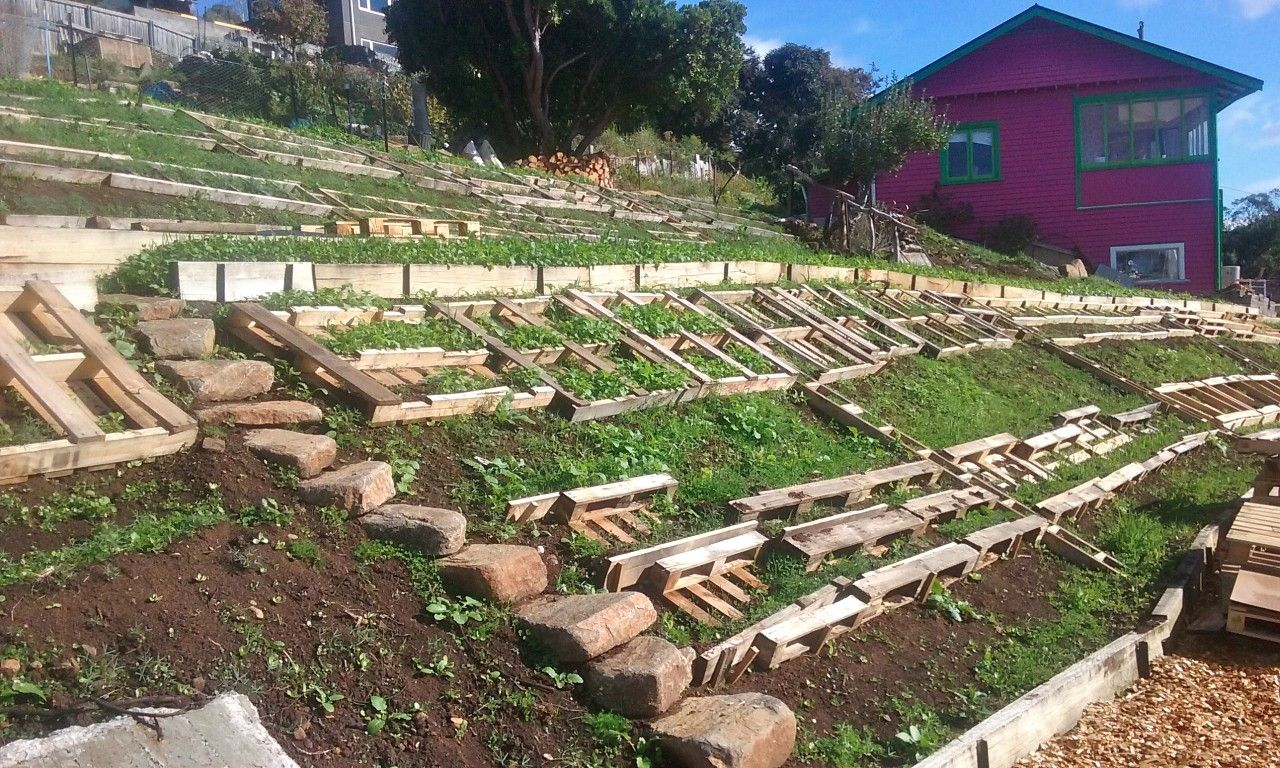
Another method is creating mini-terraces. Instead of planting on a sheer angle, you dig small, flat steps into the hill. This gives water a place to pause and soak in rather than rushing straight down, giving your new green friends a chance to drink.
Once your plants are in the ground, they need a little help while they establish their root systems. Mulch is your best friend here, but avoid light wood chips that float away. Instead, use a heavy, shredded bark mulch that tumbles together and locks into place.
Keep an eye on your watering habits too. Instead of blasting the hill with a hose for five minutes, use a drip irrigation system or a slow soaker hose. Slow watering ensures the liquid actually gets deep into the dirt where the roots are, instead of just creating a muddy slide.
Taking care of a washing slope doesn’t mean you have to hire heavy machinery or spend a fortune on concrete. By understanding how water moves and using the natural power of native plants, you can turn a problematic hillside into a beautiful, stable landscape. It takes a little patience while those roots grow, but nature’s net is the most reliable defense you can get.