
Let’s be honest for a second. Looking at your water bill in 2026 can give you a bit of a heart attack, especially if you are trying to keep a yard looking green. It feels like every time you turn on the hose, money just drains right out of your wallet. But does having a beautiful garden really mean you have to go broke.
Not at all, actually. With weather patterns getting weirder and water prices climbing, a lot of us are searching for better ways to manage our outdoor spaces. The trick isn’t giving up on your plants; it is just getting a little smarter about how we give them a drink.
The Magic of Timing Your Taps
Timing is literally everything when it comes to keeping your soil hydrated. If you are out there watering your flowerbeds at noon, you might as well just be pouring money down the gutter. The hot afternoon sun evaporates the moisture before it even hits the roots, which means your plants stay thirsty and you waste cash.
Instead, try to aim for the early morning hours, around 5:00 AM or 6:00 AM. It sounds early, but it gives the water plenty of time to soak deep into the dirt before the heat of the day kicks in. Plus, it keeps the leaves from staying wet all night, which is a huge way to stop fungal diseases from ruining your tomatoes.
Upgrading to Brainy Irrigation Systems
If you are still using those old-school mechanical timers that turn on even during a downpour, it is time for an upgrade. Modern smart controllers are actual lifesavers for your wallet. These little gadgets hook up to your local weather reports via Wi-Fi and automatically skip watering if rain is on the way.
Imagine being away on vacation and knowing your sprinklers shut themselves off because a surprise thunderstorm rolled through your neighborhood. People who switch to these smart systems usually end up saving around 30% on their outdoor water usage in the first year alone. It’s one of those rare tech upgrades that pays for itself pretty quickly.
Drip Lines Over Sprinkler Sprays
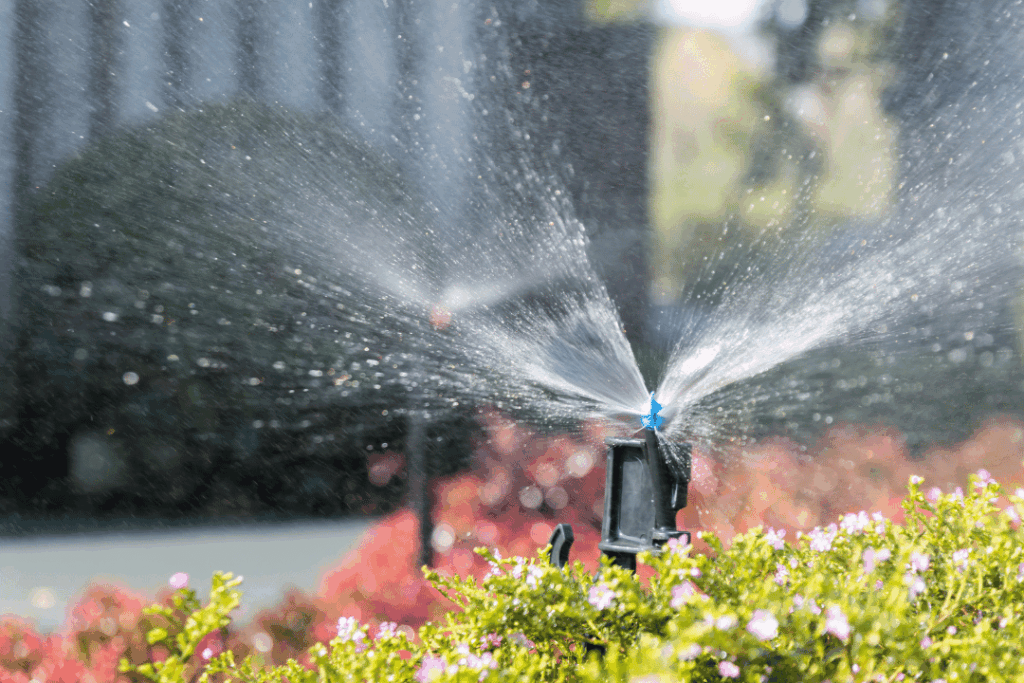
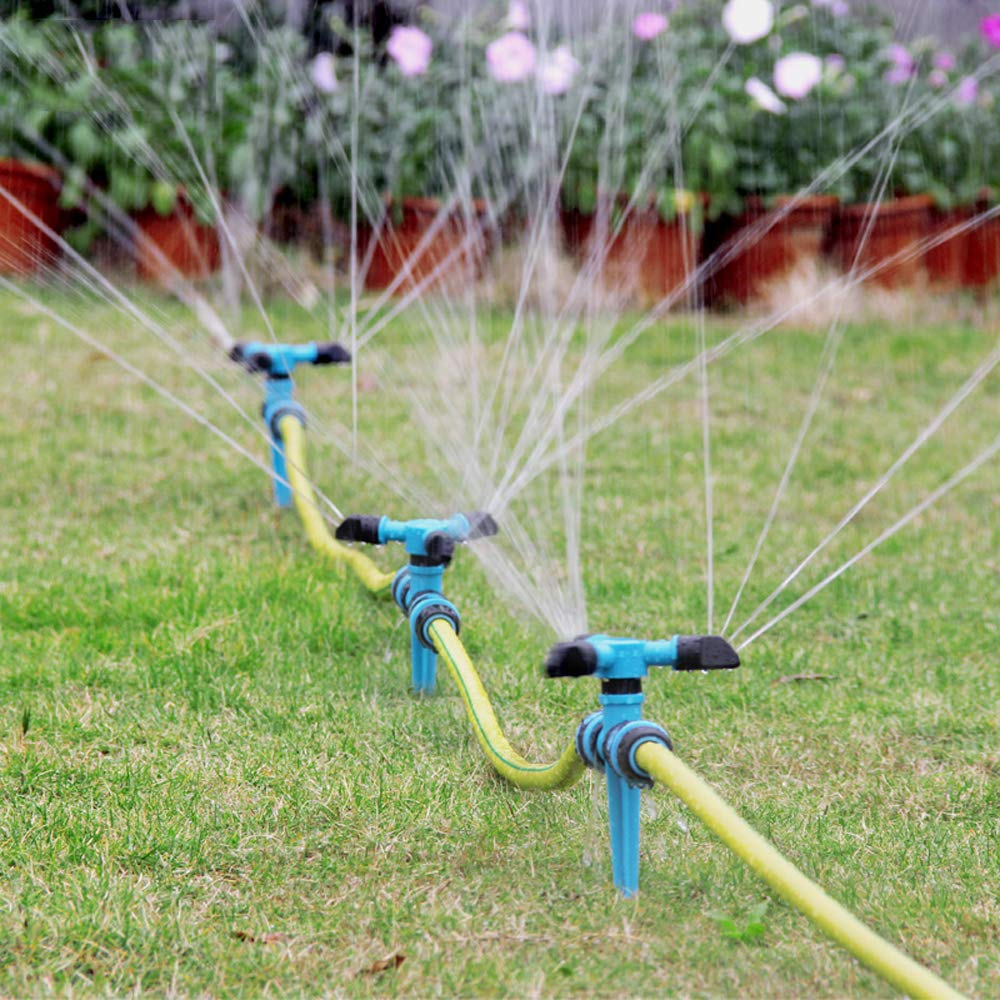
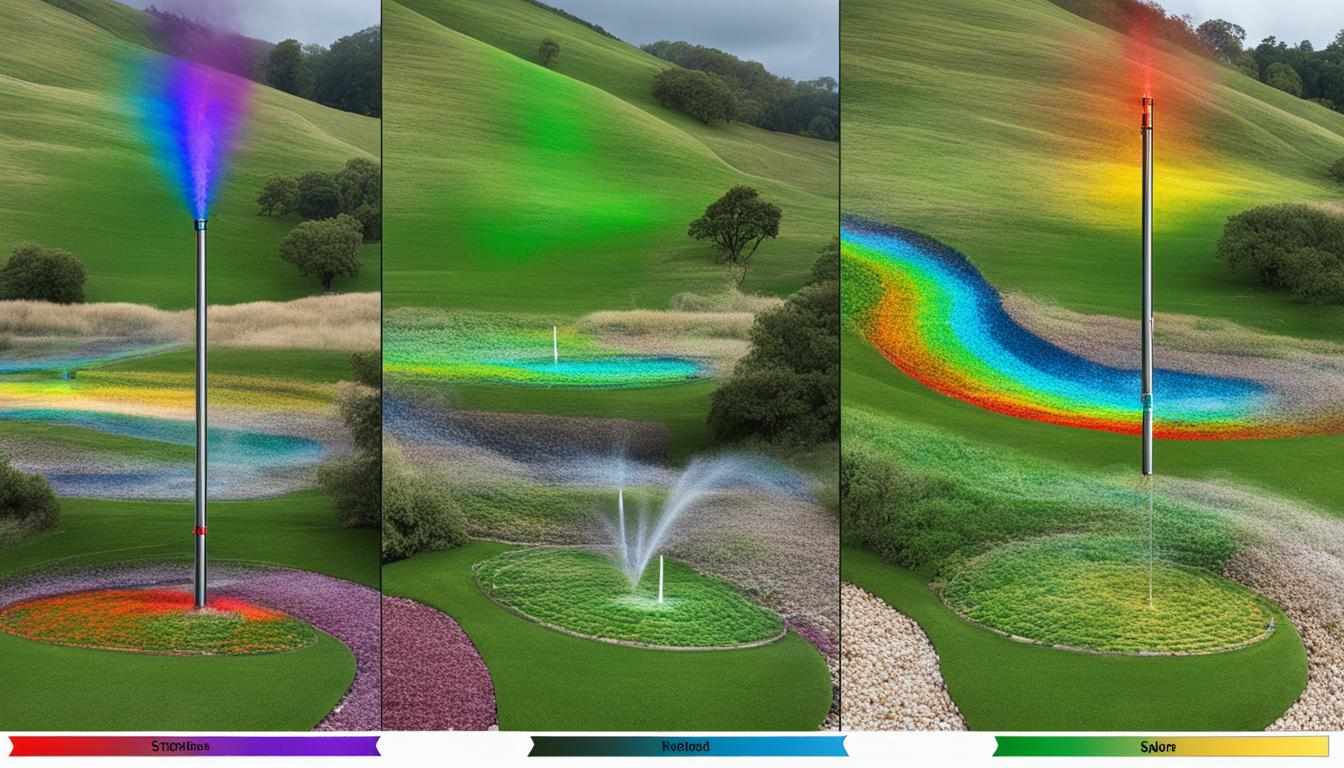
Sprinklers that blast water high into the air look cool, but they are incredibly inefficient. A ton of that water drifts away in the wind or lands on your sidewalk. Drip irrigation, on the other hand, is like giving your plants a targeted drink through a straw.
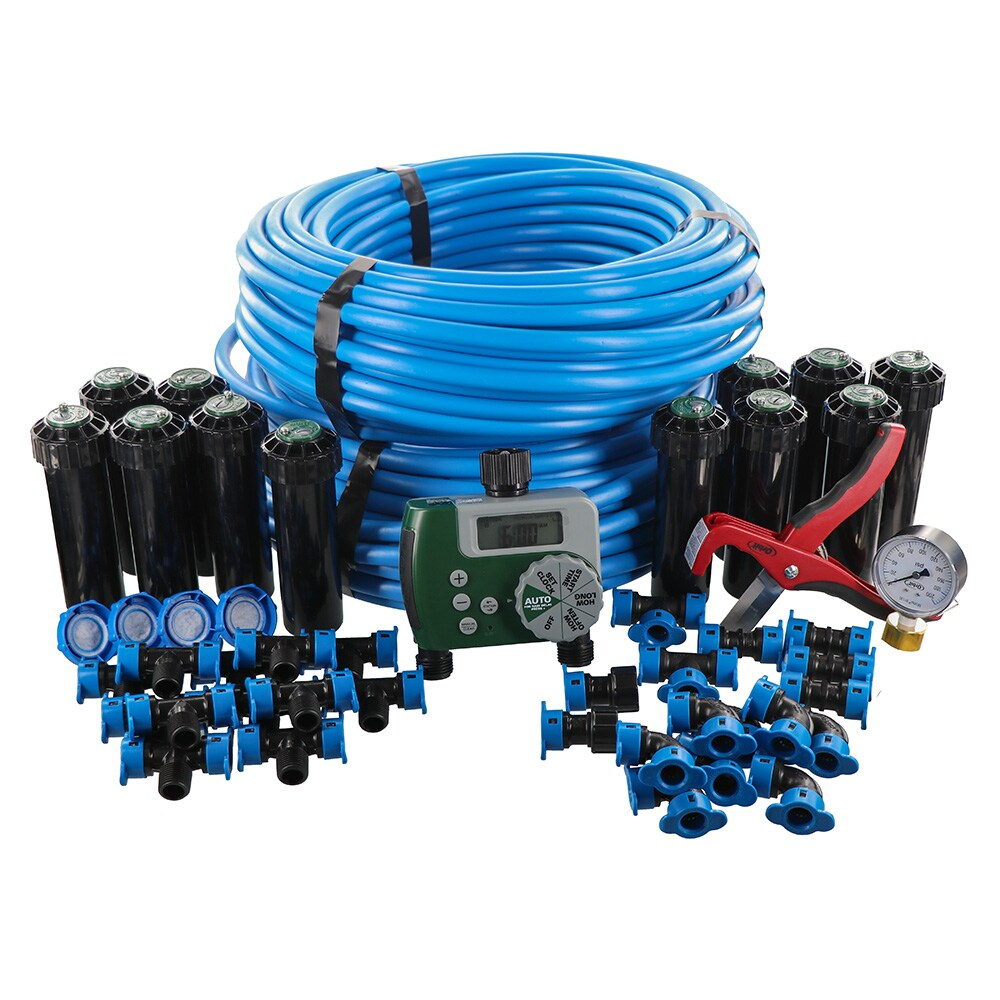
By running flexible hoses with tiny holes directly along the base of your plants, you deliver moisture right where it matters most: the roots. It keeps the weeds down too, because you aren’t watering the empty spaces between your prized shrubs. You can buy cheap starter kits at any local hardware shop and set it up over a weekend.
The Lazy Gardener’s Best Friend: Mulch
If you hate weeding and love saving money, you need to fall in love with mulch. Putting down a thick layer of wood chips, shredded leaves, or straw across your garden beds acts like a protective blanket. It blocks the sun from drying out the soil, which means you can go way longer between waterings.
A good three-inch layer of mulch can cut down soil evaporation by over fifty percent. That means less time dragging the heavy hose around and more time actually enjoying your backyard. Just make sure not to pile it right against the tree trunks, or you might invite pests over for a snack.
Picking Plants That Don’t Drink Like Fish
Sometimes the biggest mistake we make is trying to grow plants that simply don’t belong in our local climate. If you live in a dry area, trying to maintain a lush, thirsty English cottage garden is going to be a constant uphill battle.
Instead, look into native plants or varieties labeled as "drought-tolerant" at the nursery. Lavender, coneflowers, and ornamental grasses look absolutely stunning and can survive on absolute minimal rainfall once their roots get established. They are tough as nails and won’t throw a fit if you forget to water them for a few days.
Why pay for tap water when nature gives it away for free. Setting up a basic rain barrel beneath your roof gutter downspout is a total game changer. Even a quick shower can fill up a fifty-gallon barrel before you know it.
This harvested rainwater is actually better for your greenery anyway because it doesn’t contain the chlorine or fluoride found in city water. You can use it to fill up your watering cans for patio pots or hook a low-pressure hose to the bottom of the barrel to feed your veggie patch. It’s free fuel for your garden.
At the end of the day, creating a sustainable yard in 2026 isn’t about buying the most expensive gear or spending hours obsessing over the weather forecast. It is really just about making small, intentional shifts in how we treat our natural resources.
By twisting your schedule around, letting technology do the heavy lifting, and protecting your soil, you can easily keep your garden thriving. Your plants will thank you with beautiful blooms, and your bank account will definitely thank you when the monthly bills arrive.