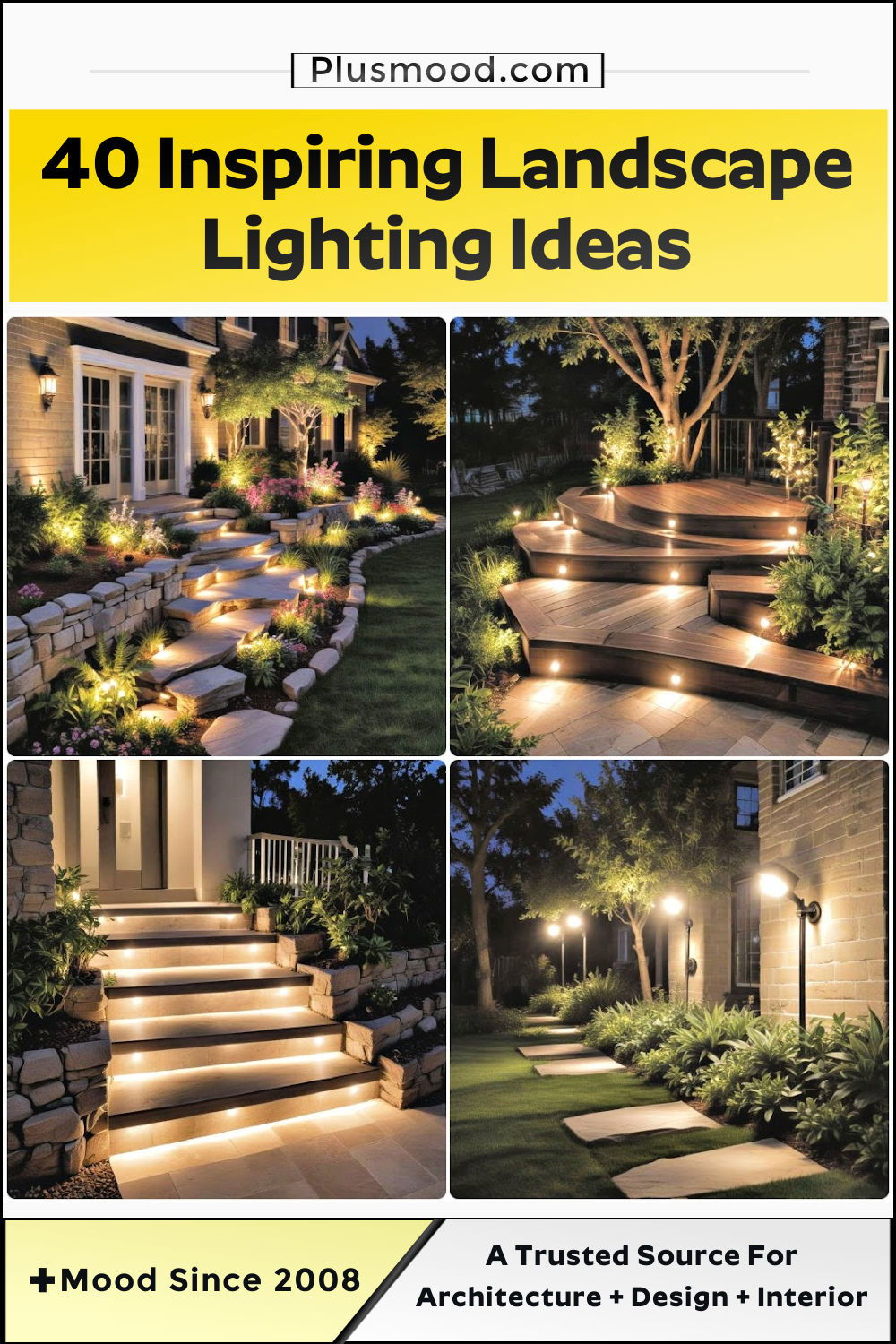

Have you ever tried navigating a backyard in the pitch black, relying solely on the weak glow of a smartphone flashlight. It is not fun. For years, I have sat down with top-tier landscape architects, lighting innovators, and everyday green thumbs to figure out how to bridge the gap between pure utility and backyard magic.
What I found completely changed how I look at outdoor spaces. It turns out, lighting a walkway isn’t just about sticking a few solar stakes into the dirt and calling it a day. It is an art form that mixes safety with genuine emotion. When done right, it completely transforms how your home looks after the sun goes down.
The Runway Blunder and How to Avoid It
One of the first things professionals taught me is that people love to overdo it. You have probably seen that yard down the street—the one with perfectly straight rows of bright lights on both sides of the path. It looks less like a peaceful garden and more like an airport runway ready for a commercial jetliner to land.
The pros call this the "runway effect," and it is the ultimate rookie mistake. Instead of placing fixtures directly opposite each other, experts recommend staggering them. Put one on the left, move down a few feet, and place the next one on the right. This zig-zag pattern creates a much softer, more natural flow that gently guides the eyes forward.
Balancing Safety with True Beauty
When interviewing design gurus, they always emphasize that path lighting has two bosses: practicality and beauty. You need enough brightness to prevent trips, slips, and stumbled steps. But you also want to create a welcoming vibe that makes guests actually want to wander through your garden at night.
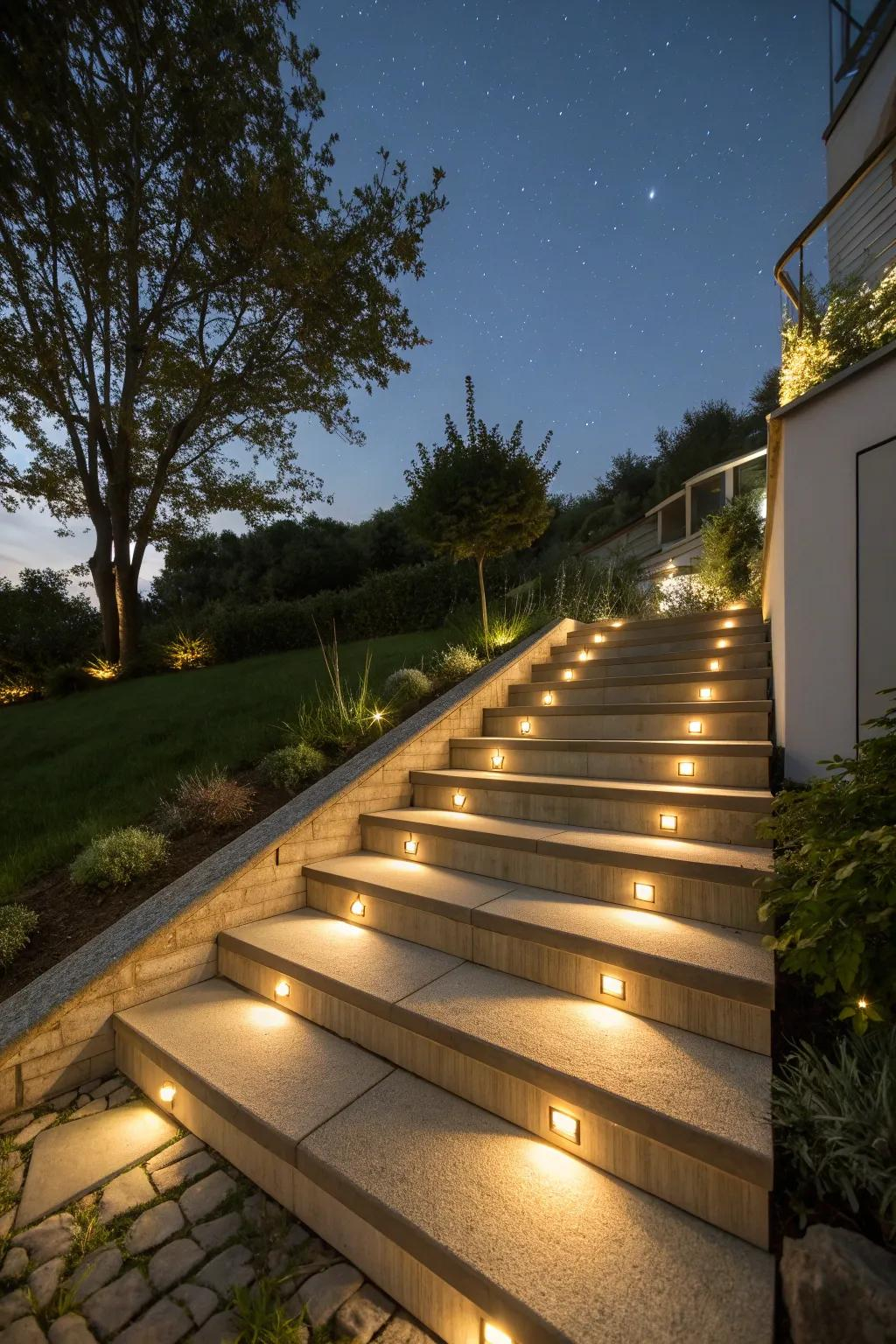
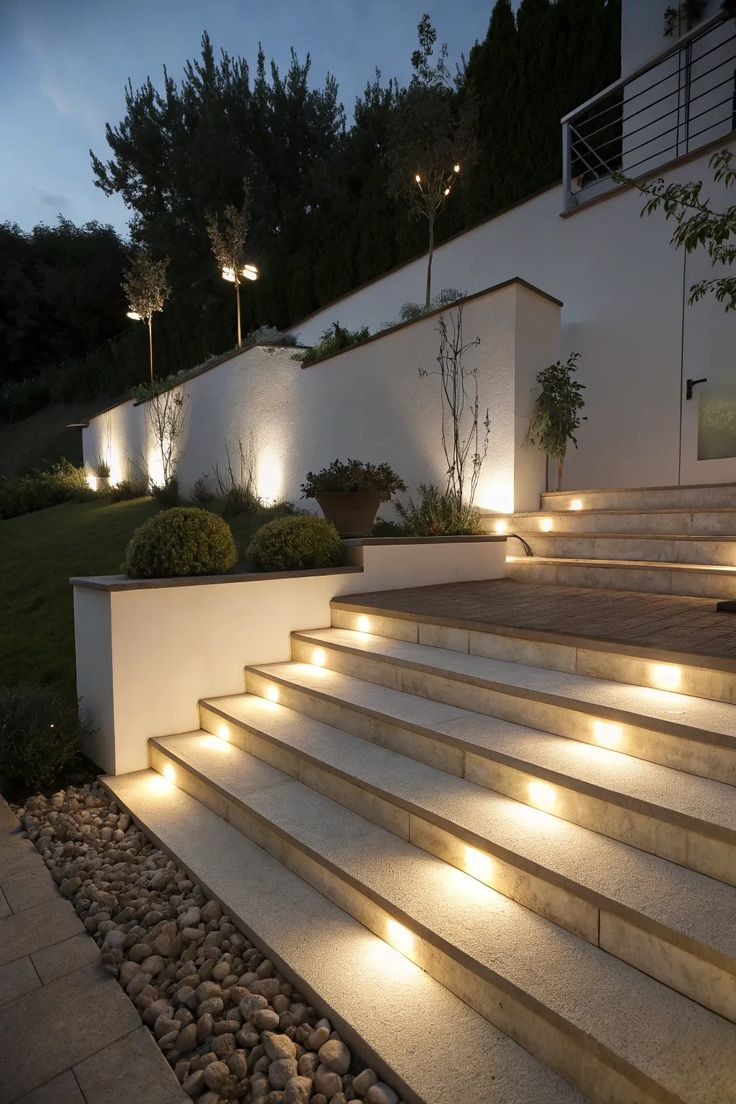
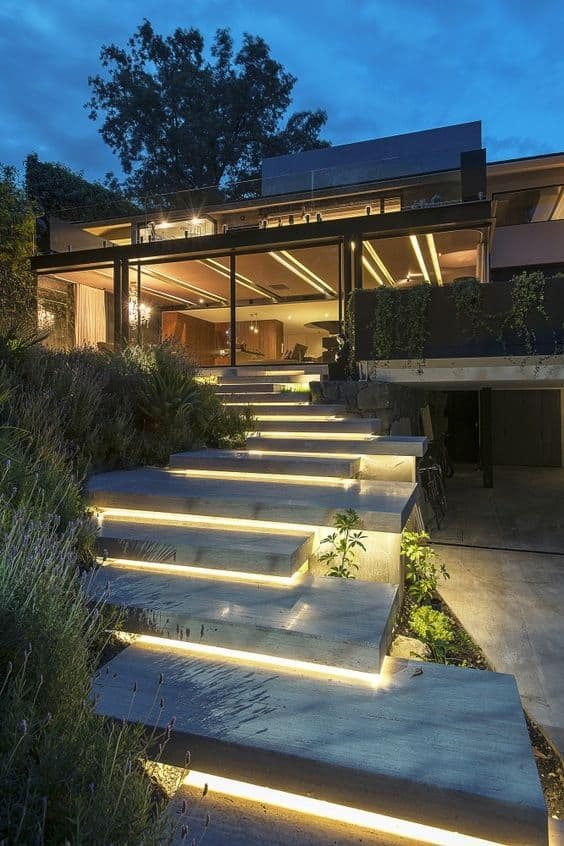
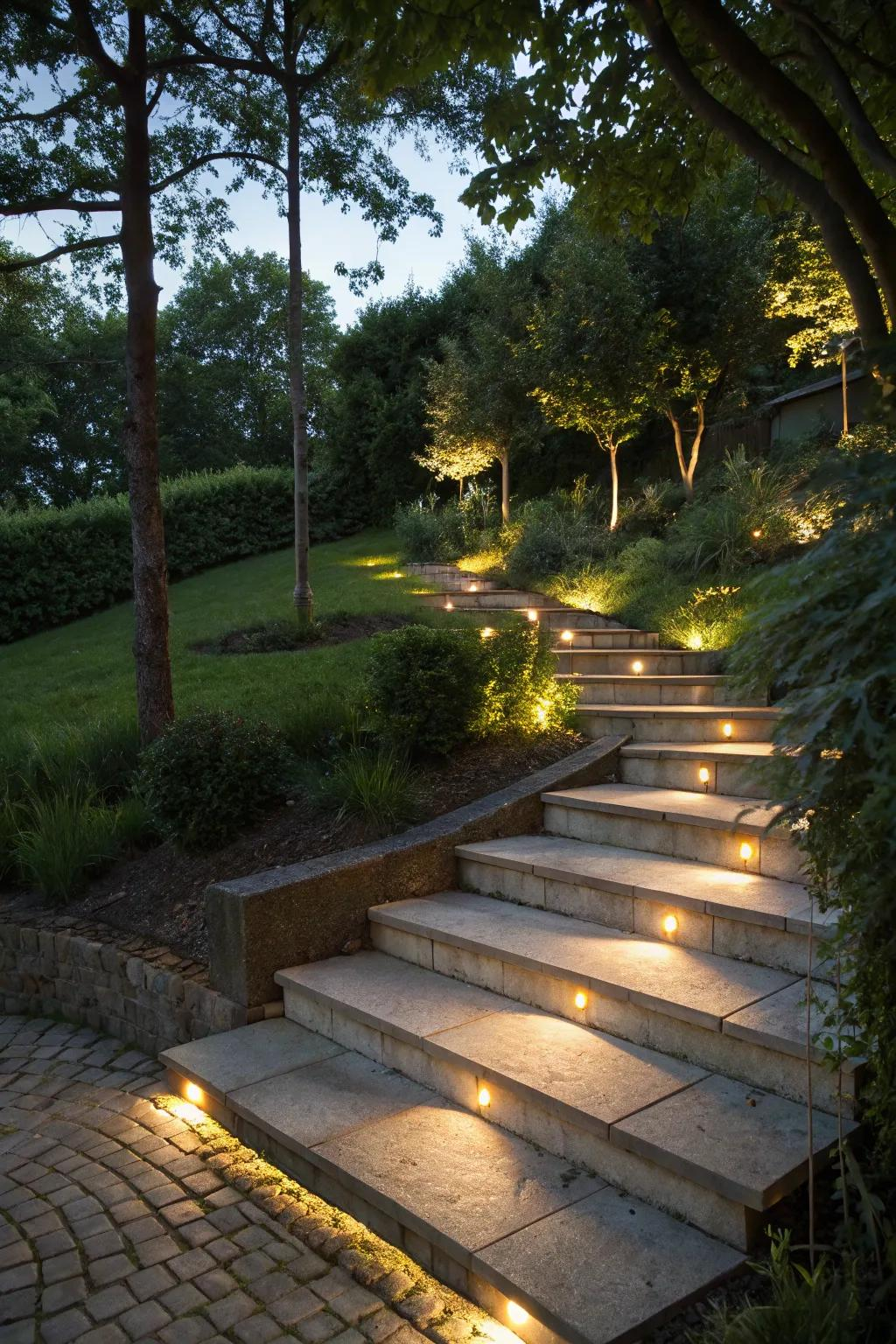
Achieving this balance means looking closely at your walkway’s unique features. Are there hidden tree roots, sudden steps, or sharp turns. Those are your priority zones. By focusing your light on these transition points, you ensure safety while naturally highlighting the architectural shifts in your landscape.
The Magic of Layering and Soft Lighting
If you want your yard to feel like a high-end resort, you have to learn about layering. Many homeowners think a single type of fixture can do all the heavy lifting. But the real magic happens when you mix different techniques to create depth and visual interest.
For example, you can combine low-profile path lights with subtle downlighting from a nearby tree branch. This technique, often called "moonlighting," casts a gentle glow through leaves, throwing beautiful shadows onto the walkway below. It makes the entire space feel interconnected rather than isolated.
Choosing the Right Fixtures for the Job
With so many options at the local home improvement store, picking the right gear can feel totally overwhelming. I used to think the brightest bulb was the best choice, but experts quickly corrected me. High glare is the enemy of a peaceful evening outdoors.
Look for fixtures that shield the bulb from direct view, directing the light downward toward your feet rather than up into your eyes. High-quality materials like brass or copper might cost more upfront, but they age beautifully and withstand harsh weather much better than cheap plastic options.
Finding the Perfect Color Temperature
Have you ever noticed how some outdoor lights feel cozy, while others look cold and clinical like a hospital hallway. That comes down to color temperature, measured in Kelvins. This was a massive eye-opener during my chats with lighting pros.
For a residential garden, you almost always want to stick to warm white tones, usually around 2700K to 3000K. This range mimics the warm glow of a campfire or indoor lamplight, making your greenery look lush and alive. Cool blue tones tend to flatten the landscape and make everything feel stark.
Thinking Ahead with Smart Controls
As we move through 2026, smart home integration has completely changed how we handle outdoor living. Gone are the days of manual switches or finicky mechanical timers that stop working the moment the power blinks.
The modern way to light a path involves smart transformers and zones. You can program your path lights to turn on at sunset at full brightness, then automatically dim to a soft 20% glow after midnight to save energy. It gives you total control over the atmosphere without ever lifting a finger.
At the end of the day, illuminating your garden path is about creating an invitation. It tells your guests that the experience of your home doesn’t end at the back door. It extends into the night, offering a safe and beautiful journey through nature.
Take a walk out into your yard tonight when it gets dark. Look at where the shadows fall and where a little bit of warmth could make a world of difference. By staggering your fixtures, choosing warm colors, and keeping the light directed downward, you will create an outdoor escape you love coming home to.