
There is something magical about stepping out onto a warm afternoon and having a cozy spot to sip your coffee. You look out at your yard and picture a lovely sitting area, but then you think about the high cost of heavy truckloads of cement and your heart sinks a little.
Building an outdoor oasis does not have to drain your bank account. In 2026, homeowners are discovering fresh ways to create gorgeous gathering spots using smart materials that cost a fraction of traditional pours.
Why Skip the Cement Mix
Pouring a giant grey slab used to be the default choice for every backyard project. Times have changed, and people want yards with more character and warmth. Plain slabs can feel cold and industrial, whereas alternative setups bring rich textures right to your doorstep.
Choosing not to use heavy mix also saves you from breaking your back or hiring expensive work crews. You can shape your outdoor zone to fit weird corners or sloping lawns much easier when you work with modular pieces.
Exploring Affordable Alternatives
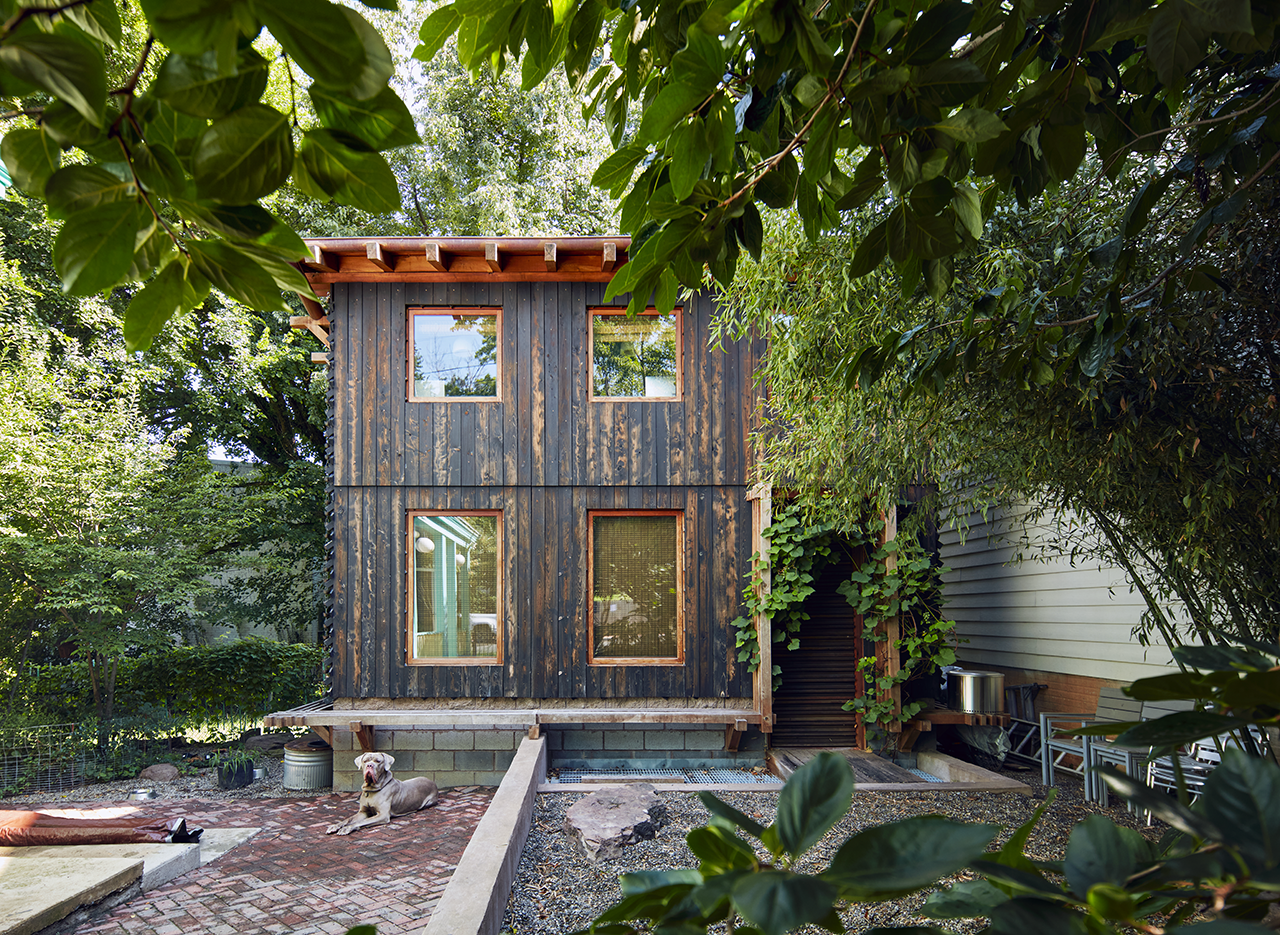
When you ditch traditional foundations, a whole world of budget-friendly choices opens up. Pea gravel and crushed stone create a lovely crunch underfoot and cost very little to haul home. You can also hunt for salvaged bricks or second-hand pavers on local marketplace apps to give your space a charming, historic vibe.
Another great option is using wooden deck tiles that simply snap together over bare dirt or old grass. These clever squares let you build a stylish wooden platform in a single afternoon without needing any special construction skills.
The No-Dig Setup Method
Many folks think laying stones means renting heavy machinery and digging up half the lawn. Fortunately, you can build a wonderful patio without major excavation work. By laying down a thick weed barrier fabric directly over the grass and adding a solid base of sand or gravel, your surface stays level and tidy.
This lazy-genius approach saves countless hours of shoveling dirt. Your plants and grassroots below even stay mostly undisturbed, which is better for the local bugs and soil health.
Setting Up Your Pavers and Edging
Once you have your base material smoothed out, keeping everything in place is the big secret to a long-lasting project. Simple landscape edging made from recycled plastic or metal strips prevents your stones from shifting around when people walk on them.
Take your time placing your chosen pavers or bricks in a tight pattern. Tap them gently with a rubber mallet so they sit snug against each other. Filling the tiny gaps with polymeric sand locks everything firmly into place once it gets a light mist of water.
Adding Cozy Furniture and Finishing Touches
A bare floor is just the canvas for your outdoor masterpiece. You do not need to spend thousands on high-end patio sets to make the area feel welcoming. Thrift stores and yard sales are goldmines for weather-resistant chairs and small tables waiting for a fresh coat of paint.
String lights hung overhead add an instant glow for late-night chats under the stars. Potted plants and low-maintenance flowers soften the edges and tie the whole natural look together nicely.
Maintaining your new creation is surprisingly simple and stress-free. If a stray weed pops up through the gravel or sand joints, you can easily pull it out by hand or hit it with a little boiling water.
Unlike poured slabs that can crack during harsh winter freezes, modular surfaces simply shift with the ground movement. You can easily lift and reset a sunken paver or rake your gravel flat whenever things look a little uneven.
Creating a stunning outdoor hangout spot comes down to imagination rather than a massive budget. By skipping heavy concrete pours and using clever, earthy materials, you get a custom retreat tailored to your exact style.
Take it one small step at a time this season and watch your plain backyard transform into a favorite family gathering place. You will love sitting back with a cold drink knowing you built it all with your own two hands.