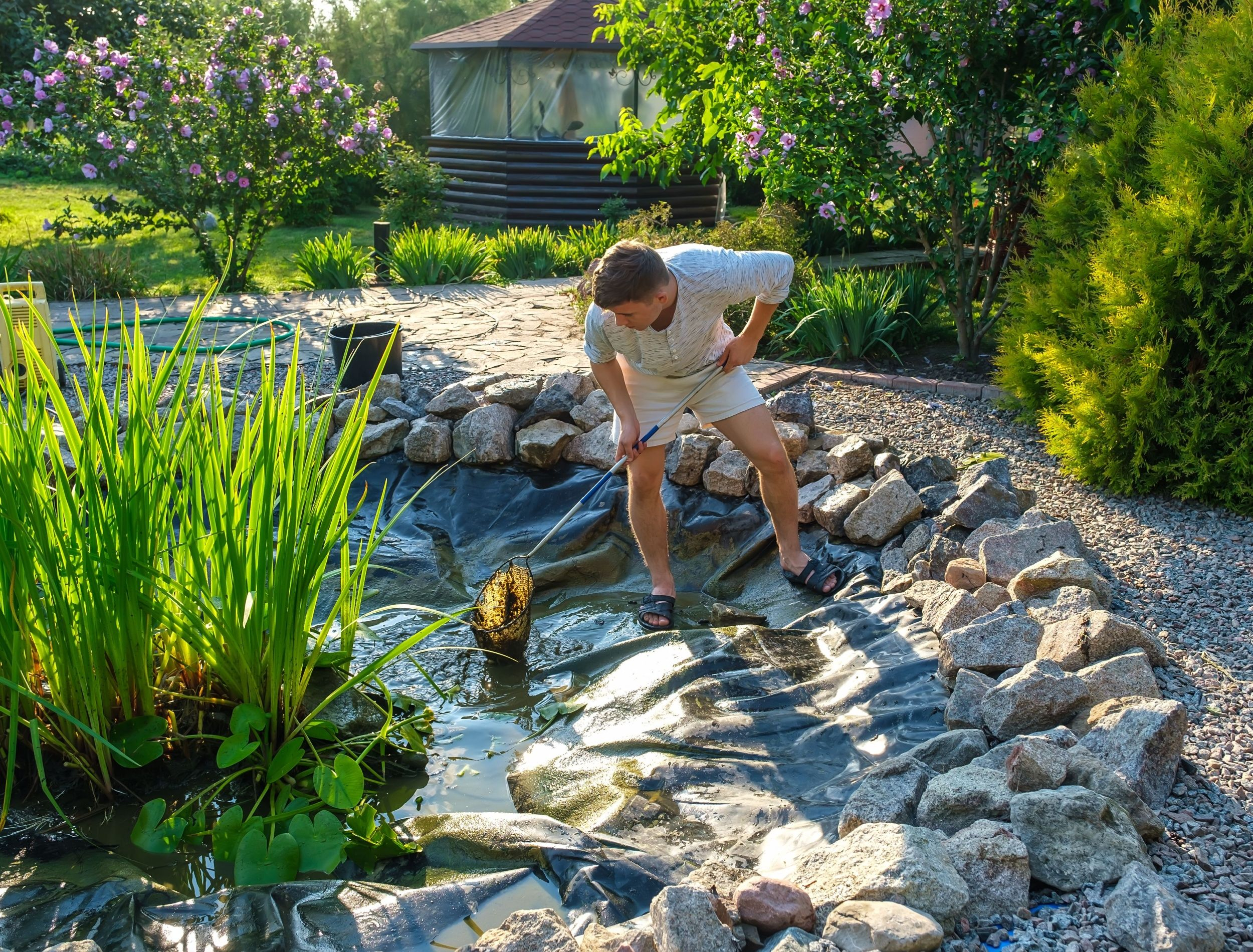

There is something deeply mesmerizing about the sound of moving water right outside your back door. For many of us, the idea of stepping into the yard and being greeted by a shimmering surface of water is the ultimate landscaping dream. But before you grab a shovel or call a contractor, the big question always pops up: how much is this actually going to set you back.
The truth is, garden pond prices are all over the place. You could spend a few hundred dollars on a weekend DIY setup, or you might end up investing the price of a brand-new car into a massive, professionally built ecosystem. Let’s pull back the curtain on these expenses so you can plan an oasis that fits your backyard without draining your bank account.
Understanding the Entry Level: Simple Reflection Pools
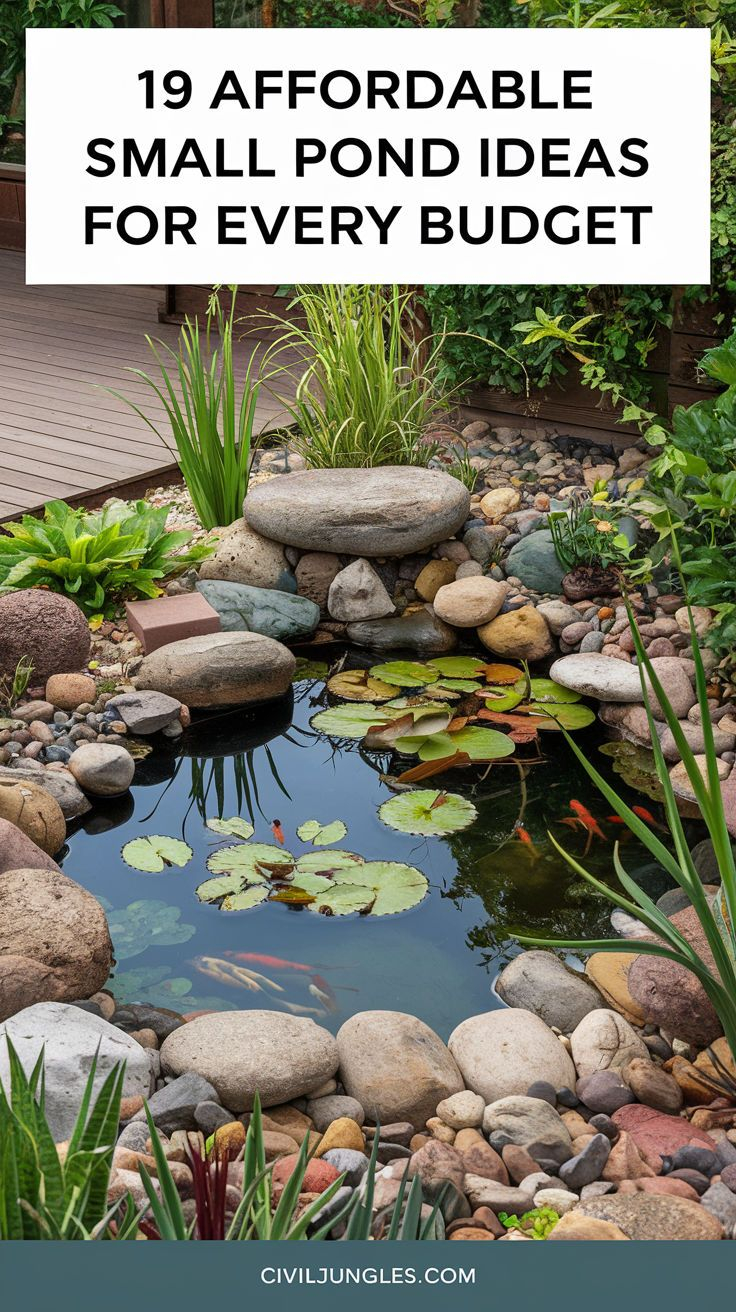
If you just want a peaceful spot to look at the sky’s reflection and hear a little trickle of water, a simple reflection pool or container water garden is your best bet. These features don’t require heavy machinery or complex biological filters because they usually don’t hold live fish. You can easily build a beautiful DIY backyard pond on a budget using pre-formed plastic liners or small rubber sheets.
For a modest DIY setup, your main expenses will be the liner, a small submersible pump to keep the water moving, and some decorative rocks. You can easily wrap this up for $300 to $1,000. It is a fantastic weekend project that adds instant charm without requiring a massive financial commitment.
Stepping Up to Standard Water Gardens
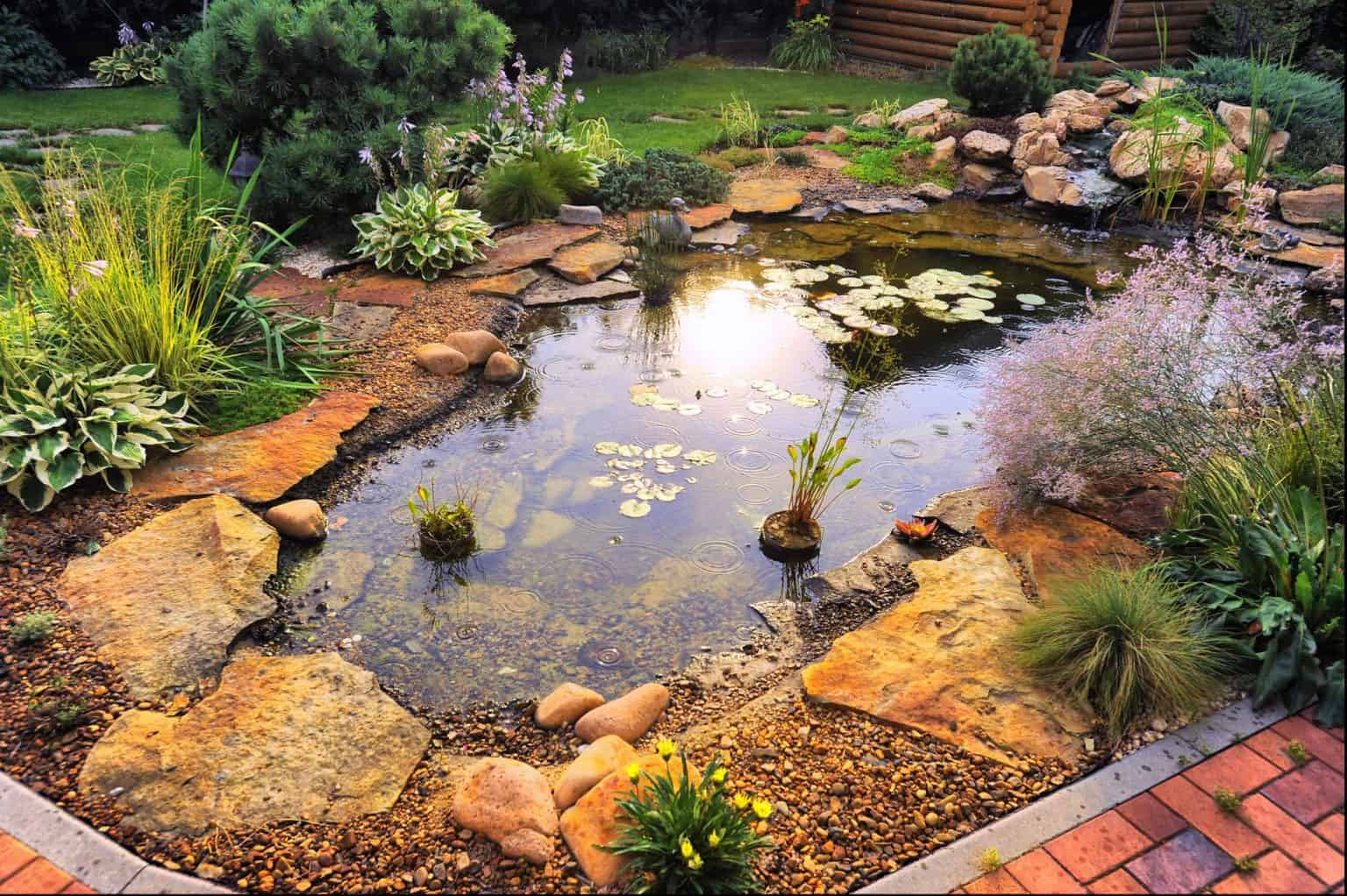
When you move past basic pools and want to add aquatic plants like lilies and maybe a few small goldfish, you are entering water garden territory. These ponds require a bit more balance. You need proper filtration to handle plant waste and ensure the water stays clear instead of turning into a pea-soup green mess.
Building a standard water garden usually runs anywhere from $1,500 to $5,000 depending on whether you hire help. You will need a better pump, a mechanical filter, and a variety of plants to help naturally clean the water. It is a step up, but it creates a true living ecosystem in your yard.
The Big League: What Makes Koi Habitats Different
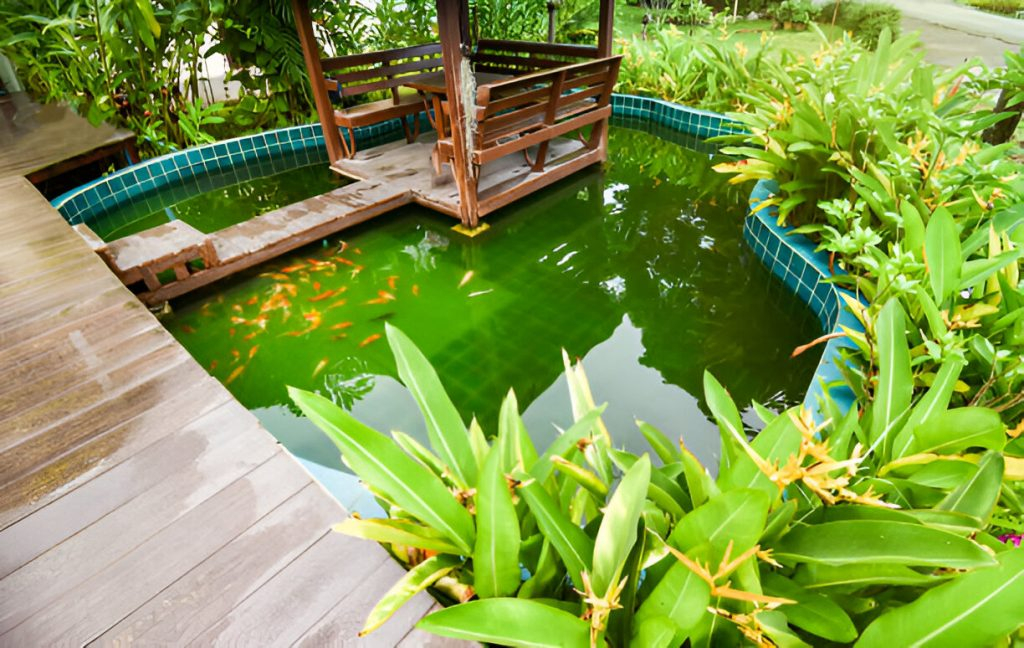
Here is where the budget takes a serious jump. A koi pond is not just a deeper water garden; it is a specialized aquatic home. Unlike small goldfish, koi grow incredibly large and produce a massive amount of waste. Because of this, their habitats require specific depths—usually at least 3 to 4 feet—to protect the fish from freezing winter temperatures and local predators like herons.
Data shows that a professionally installed koi pond costs between $3,500 and $17,000 on average in 2026. This price reflects the heavy excavation work, heavy-duty underlayment, and the thick rubber liners needed to hold thousands of gallons of water safely for years to come.
Filtration and Equipment: The Hidden Expenses
When people plan a pond, they often think about the rocks and the water, but the equipment underneath is what keeps it alive. For a grand koi habitat, a simple submerged filter won’t cut it. You will need a bottom drain, a skimmer to catch floating debris, an external biological filter, and sometimes a UV clarifier to zap free-floating algae.
This hardware can easily add $1,000 to $3,500 to your initial bill. However, investing in an ultra-efficient pump can save you tons of cash down the road. Some modern energy-efficient pumps cost as little as five dollars per month to run, meaning a higher upfront cost saves you money every single billing cycle.
Labor vs. DIY: Where to Spend and Where to Save
Are you ready to dig a four-foot-deep hole by hand? Labor is often the largest single expense in professional pond construction. Shoveling tons of dirt, moving heavy boulders, and perfectly sealing liners takes immense physical work and expertise. If you hire a professional crew, expect at least half of your total invoice to cover their time and skill.
If you decide to take the DIY route, you can save thousands of dollars, but you must be careful. Simple mistakes like choosing a cheap liner or building the walls too steep can cause the pond to collapse or leak. If that happens, fixing it often costs double what it would have cost to do it right the first time.
Stocking and Upkeep: Ongoing Costs to Consider
Once the structure is built, you still need to bring it to life. Aquatic plants are relatively cheap, but the fish themselves can be a major investment. While baby koi might only cost $10 to $20 each, high-quality, mature Japanese koi can cost hundreds or even thousands of dollars per fish.
You also need to budget for monthly water treatments, fish food, and seasonal maintenance. Keeping a pond healthy can cost next to nothing if you create a balanced, self-sustaining ecosystem with pond-cleaning plants and natural beneficial bacteria. But you should still set aside a small annual fund for unexpected equipment repairs or water testing kits.
Creating a water feature is one of the most rewarding upgrades you can make to your home. Whether you choose a quiet, inexpensive reflection pool to read your book next to, or a grand koi habitat that becomes the talk of the neighborhood, the key is knowing your limits before you start digging.
Take a close look at your budget, be honest about how much time you want to spend on maintenance, and design an oasis that brings you joy rather than stress. With the right planning, you can build a stunning slice of nature right in your own backyard.