
There is something deeply satisfying about walking out to your yard, clipping a handful of crisp lettuce, and walking straight back inside to make lunch. You do not need a massive farm or hours of free time to make that happen. In fact, you might be surprised by how much food fits into a tiny space.
Most folks think growing your own food requires acres of land and heavy machinery. That simply isn’t true anymore. Urban farming and small-space growing have totally changed the game by 2026, showing us that anyone can cultivate fresh produce right outside their back door.
The Power of Square Foot Gardening
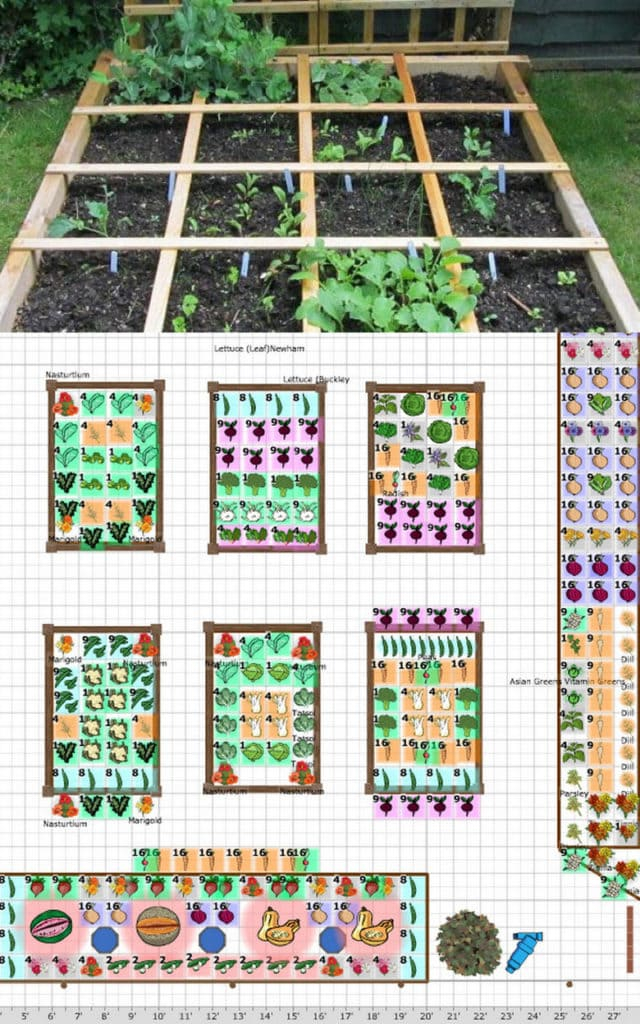
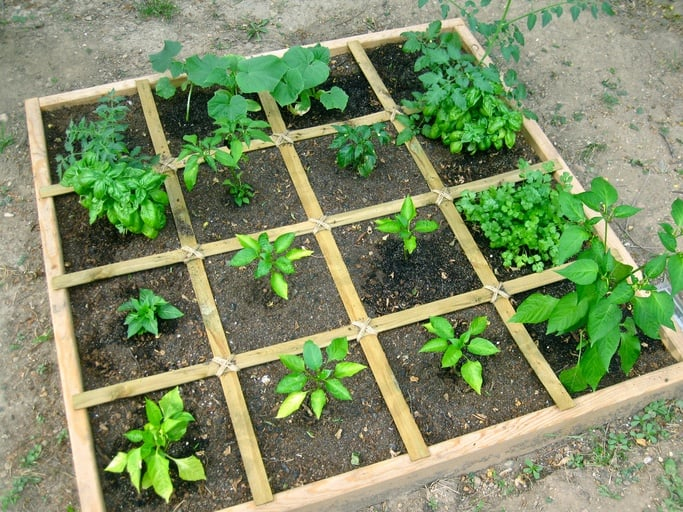
The secret lies in a compact layout. Dividing a small plot into neat little grids lets you maximize every single inch of soil. Instead of long, wasteful rows that take up too much room, you pack plants closely together. This keeps weeds down and soil moisture up naturally.
Think about how much lettuce a single person eats in a week. Now multiply that by your whole household. A sixteen-square-foot patch gives you plenty of room to rotate different types of leafy crops. You can plant spinach, kale, and arugula side by side without crowding them out.
Building Your Wooden Frame
Getting started is remarkably simple. All you need are a few untreated boards to build a low frame that sits right on top of the ground. Cedar and redwood work great because they resist rotting, but standard pine will do just fine for your first try.
You do not even need to dig up your lawn. Just lay down some cardboard to smother the grass, set your wooden frame on top, and fill it up with a rich mix of compost and topsoil. This raised approach saves your back from endless bending over and gives roots loose, fluffy earth to explore.
Choosing the Right Greens for Success
Not all salad leaves grow at the same speed. Mixing fast growers with steady producers ensures you never run out of options. Leaf lettuce and radishes pop up quickly, while Swiss chard and collards keep giving you harvest after harvest over several months.
Try planting loose-leaf varieties instead of whole heads. When you harvest just the outer leaves, the plant keeps growing from the center. This clever trick stretches your food supply much further and keeps your little patch productive week after week.
Smart Watering and Sun Secrets
Even the best soil needs a little help from above. Most leafy veggies love sunshine, so pick a spot that gets at least six hours of bright light daily. A sunny balcony, patio, or corner of the yard will work wonders.
Watering is easiest when everything is concentrated in one tight spot. A simple watering can or a soaker hose will do the trick without wasting precious drops. Keeping the dirt evenly damp prevents leaves from turning bitter and helps your plants stay sweet and tender.
Continuous Planting Schedules
To avoid getting overwhelmed by a massive harvest all at once, stagger your seeds. Plant just one or two squares every couple of weeks instead of filling the whole frame on day one. This rolling harvest method ensures a steady, manageable supply of greens.
By the time you finish picking the last batch from your first planting, the next batch is already ready to eat. It creates a smooth rhythm that fits easily into a busy weekly routine. Before you know it, checking your little green patch becomes your favorite daily habit.
Pests can sometimes find your patch, but a simple mesh cover can keep hungry bugs away without using harsh chemicals. Slugs and caterpillars are the usual suspects, yet keeping the area tidy makes a huge difference.
If a crop starts looking a bit pale, a splash of organic liquid fertilizer usually perks things up in no time. Gardening is mostly about paying attention and learning as you go. Every little mistake just teaches you how to grow a better crop next time.
Growing your own food does not have to be complicated or overwhelming. With just a small wooden frame and a little bit of care, you can enjoy fresh, healthy greens right outside your door. It is an easy, rewarding project that brings a little bit of nature straight to your table.