
You know that feeling when you walk along the shore after a big storm? The sand is gone. The dunes look ragged, like they’ve been through a war. Maybe your own backyard lost a few feet of soil to the tide. It’s heartbreaking. For decades, we thought the answer was concrete. Build a wall. Pour some cement. Hold the line. But looking back, those hard barriers often made things worse. They reflected wave energy, scouring the sand right out from under them.
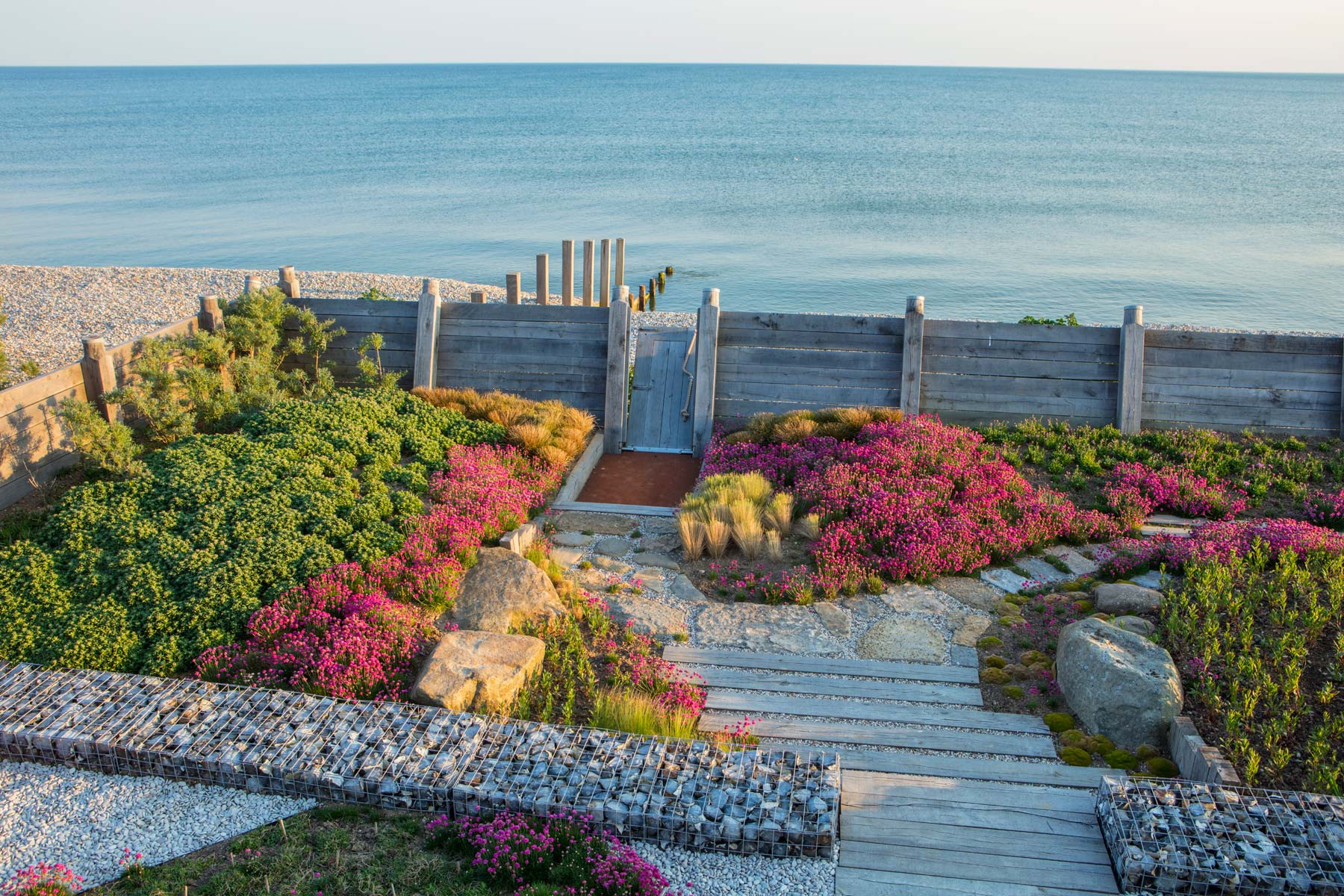
Today, the script has flipped. We aren’t fighting the ocean anymore; we’re working with it. In 2026, the best defense against erosion isn’t a seawall. It’s a root system. It’s a messy, beautiful tangle of native grasses, shrubs, and cleverly placed natural materials that absorb energy instead of blocking it. This isn’t just about making your beachfront property look pretty for Instagram. Although, let’s be honest, a lush, green dune does look better than a cracked concrete slab. It’s about survival. It’s about keeping our homes safe and our coastlines alive.
The Living Sponge Effect
Think of healthy soil like a sponge. When it’s packed with organic matter and crisscrossed by roots, it soaks up water. Fast. During heavy rains or storm surges, this matters more than you’d think. Water runoff is a major culprit in erosion. When rain hits bare dirt or impermeable surfaces like driveways, it speeds up. It gains momentum. Then it tears into the shoreline, carrying topsoil with it into the bay.
Plants stop this cycle. They intercept raindrops on their leaves, breaking the impact before it hits the ground. Their stems slow down the flow of water across the surface. But the real magic happens underground. Roots create a subterranean web, anchoring the dunes and shorelines in place. According to recent data from Mass.gov, this natural absorption significantly decreases the volume and speed of runoff. It’s a simple physics problem, really. Slower water means less erosion. Plus, these living landscapes act as filters, trapping pollutants before they reach the harbor. It’s a win-win for your property value and the local fish population.
Choosing the Right Warriors: Native Vegetation
Not all plants are created equal when it comes to salt spray and shifting sands. You can’t just plant a hydrangea and hope for the best. It’ll die. Or worse, it’ll thrive for a week and then wash away. The key is using native species that have evolved to handle these harsh conditions. They’re tough. They’re resilient. And they know exactly how to hold onto the sand.
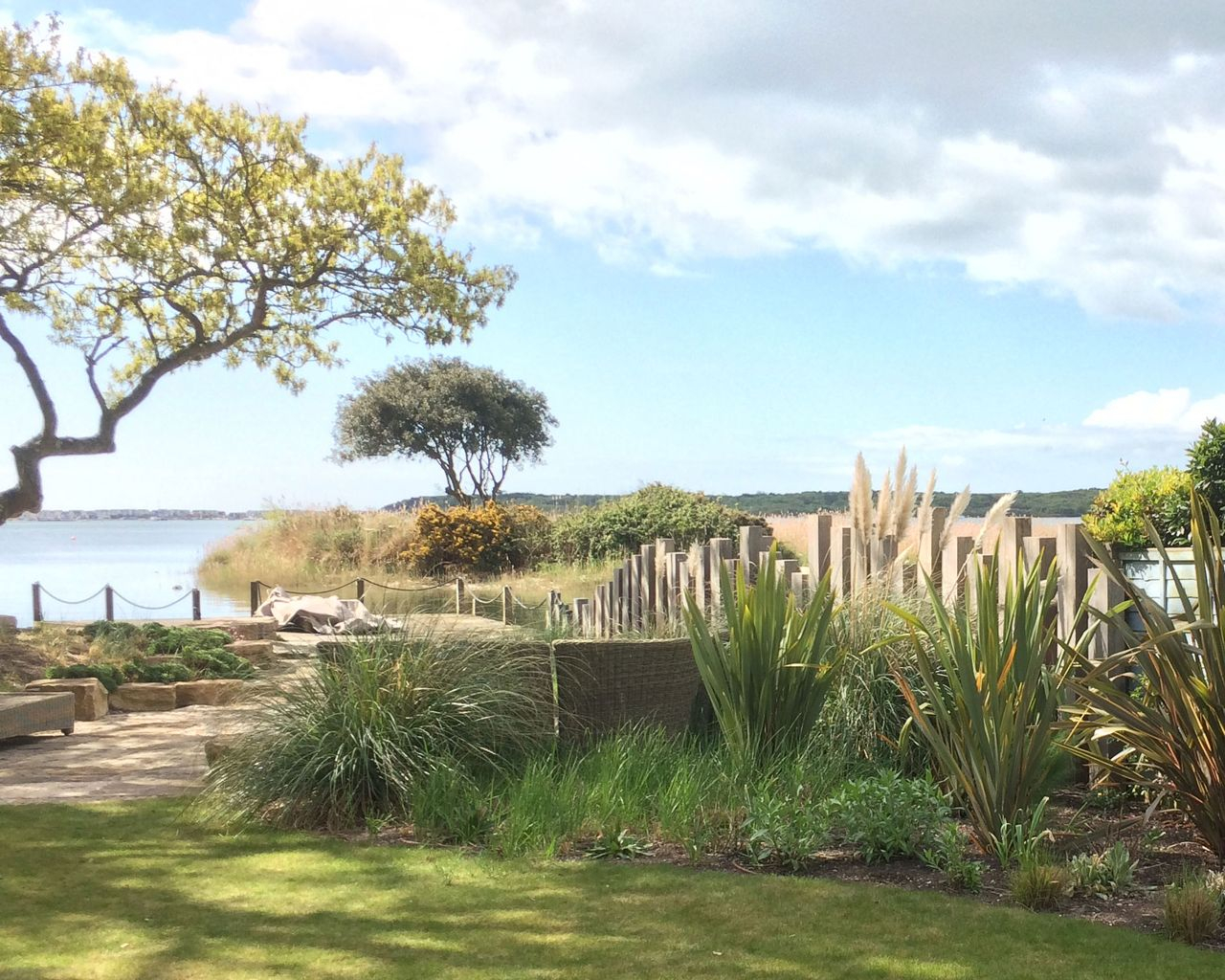
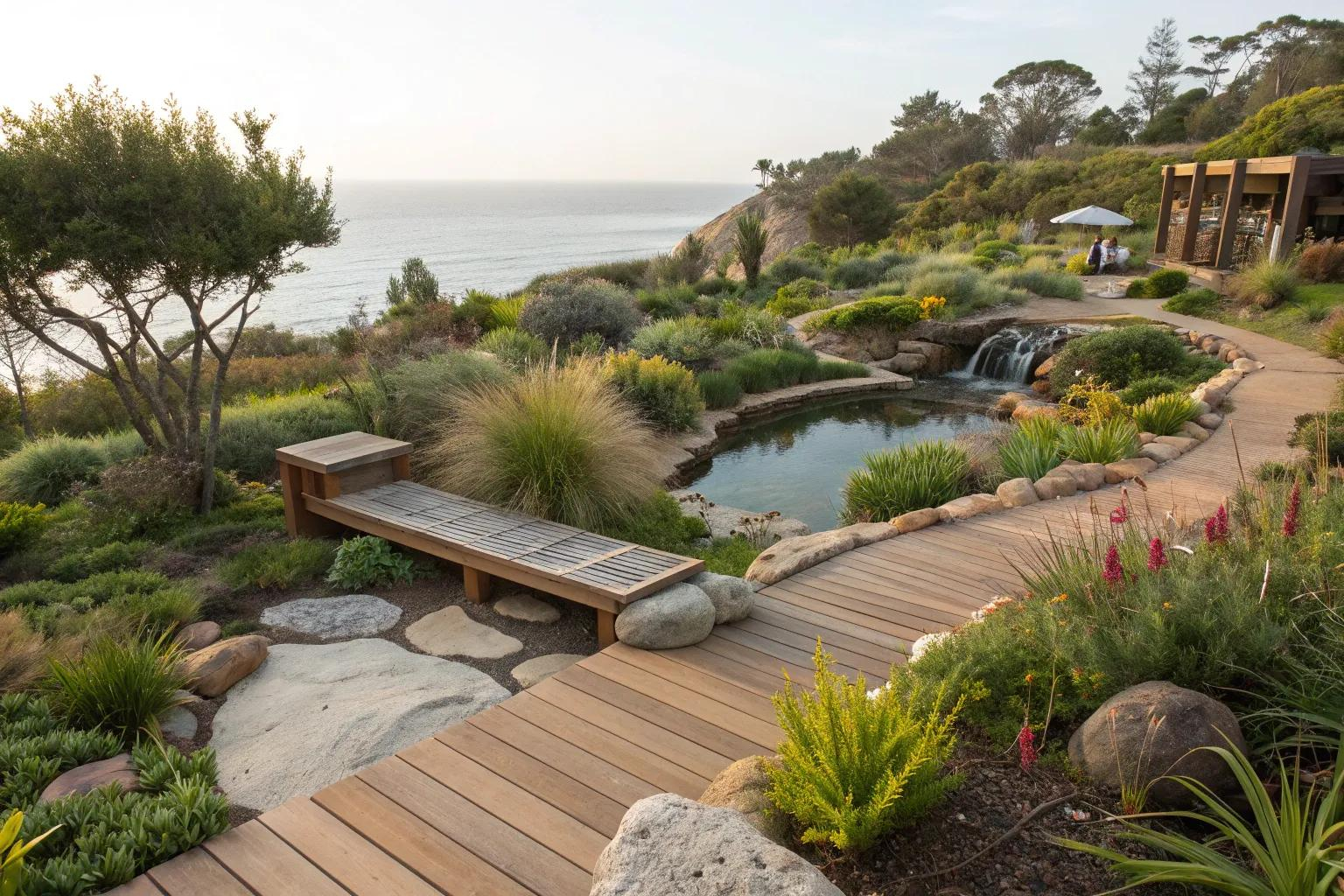
Take the Beach Sunflower (Helianthus debilis), for example. It’s a low-growing groundcover found along the Southeast coast. It doesn’t just look cheerful with its bright yellow blooms; it stabilizes the sand with its extensive root network. Then there’s Yaupon Holly (Ilex vomitoria), a hardy shrub that thrives in saline soils where other plants would wither. In California, landscape architects are using similar strategic planting to maintain biodiversity while protecting cliffsides. By choosing locals, you’re not just preventing erosion; you’re creating habitat. Birds nest in these shrubs. Pollinators feed on the flowers. You’re building an ecosystem, not just a garden.
Hardscaping with a Soft Touch
Let’s talk about hardscaping. Yes, sometimes you need more than just plants. Maybe you have a steep slope or a high-traffic area. But the old school approach of massive granite blocks is fading. In 2026, hardscaping is getting an upgrade. It’s becoming softer, more permeable, and ecologically compatible. The goal is durability without destroying the natural flow of the coastline.
Materials are being chosen for their ability to blend in and break up wave energy rather than reflect it. Think porous pavers that let water drain through, or rip rap (loose stone) arranged in a way that allows small plants to grow between the cracks. These gaps are crucial. They reduce the overall hardness of the structure and provide micro-habitats for crabs and small fish. Even fences are playing a new role. On the Outer Banks, sand fences are used not just to mark boundaries, but to trap windblown sand, helping to rebuild dunes naturally. It’s construction that feels less like construction and more like gardening with rocks.
The Tech Behind the Green
It’s not all just digging holes and dropping in plugs. There’s some serious science happening beneath the surface. New technologies are emerging to help stabilize slopes where vegetation alone might take too long to establish. One interesting development is the use of biodegradable erosion control mats. Products like Secumat® Green mats, made from jute and coconut fibers, are laid over bare soil.
These mats do two things. First, they physically hold the soil in place against rain and wind immediately after installation. Second, as they decompose over time, they add organic matter to the soil, helping the planted seeds germinate and grow. It’s a temporary scaffold that disappears once the permanent structure—the plant roots—takes over. This kind of "green technology" is becoming standard in professional coastal restoration projects. It bridges the gap between immediate protection and long-term sustainability. It’s smart, it’s effective, and it doesn’t leave behind plastic waste.
Restoring the Dunes: Nature’s First Line of Defense
Dunes are the unsung heroes of the coast. They act as natural barriers against wave action, tidal surges, and even strong winds. But they’re fragile. One footpath cut through the wrong spot can destabilize an entire dune system. That’s why dune restoration is such a critical part of modern coastal landscaping. It’s not just about planting; it’s about rehabilitation.
This process often involves reshaping the land to mimic natural dune profiles. Then, it’s about strict protection. Sand fencing is installed to encourage sand accumulation. Native grasses like American Beachgrass are planted to lock that new sand in place. Public engagement is huge here. Communities are learning that staying off the dunes isn’t just a rule; it’s a necessity for their own safety. When we restore dunes, we’re rebuilding the shield that protects our homes from the next big storm. It’s a collective effort, requiring patience and respect for the natural processes at work.
Coastal erosion doesn’t stop at your property line. What your neighbor does affects you, and what you do affects the town downstream. That’s why the most successful projects in 2026 are community-wide. We’re seeing a shift from individual fortresses to shared resilience. Landscape architects are designing "living breakwaters"—structures made of rock and oyster shells that sit offshore.
These breakwaters reduce the energy of incoming waves before they even hit the shore. They protect the coastline while enhancing ecological health by providing habitat for marine life. Projects like these require cooperation. They require talking to your neighbors, working with local governments, and understanding the bigger picture. It’s about social resilience as much as physical protection. When a community comes together to restore its shoreline, it builds stronger ties. It creates a shared sense of ownership and pride. And frankly, it’s just more effective. A fragmented approach leaves gaps. A unified approach creates a continuous buffer against the sea.
So, where does this leave us? It leaves us with a choice. We can continue to fight the ocean with concrete and steel, spending billions to hold back a force that always wins in the end. Or, we can adapt. We can learn from nature. We can plant the right seeds, build with lighter touches, and restore the natural buffers that have protected our coasts for millennia.
The beauty of modern coastal landscaping is that it doesn’t ask you to sacrifice aesthetics for safety. In fact, it offers something far richer. A landscape that changes with the seasons. One that buzzes with life. One that feels alive. It’s not just about stopping erosion. It’s about creating a place where people and nature can thrive together, even as the climate changes. Start small. Plant a native shrub. Leave the leaves. Let the dunes grow. Your shoreline—and your soul—will thank you.