
Ever stood in your yard staring at an empty patch of earth and wondered just how much dirt it takes to fill it up? Most of us have guessed wrong at least once. Getting this right saves you money and prevents a massive headache.
Planning a garden bed or lawn refresh this year can feel super exciting. But before you start digging, you need a solid plan. Dirt costs money, and buying too much or too little ruins the fun real fast.
Measuring Your Space Correctly
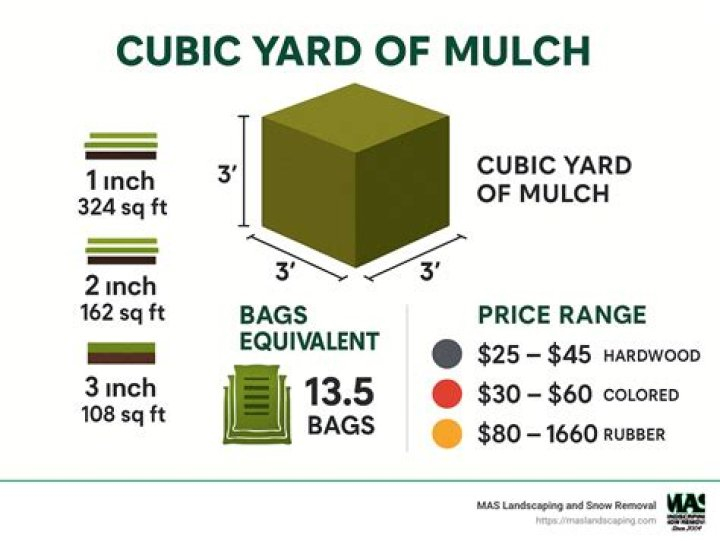
Grab a tape measure because math time is here. You need the length, width, and depth of your growing area. Multiply these three numbers together to get cubic feet.
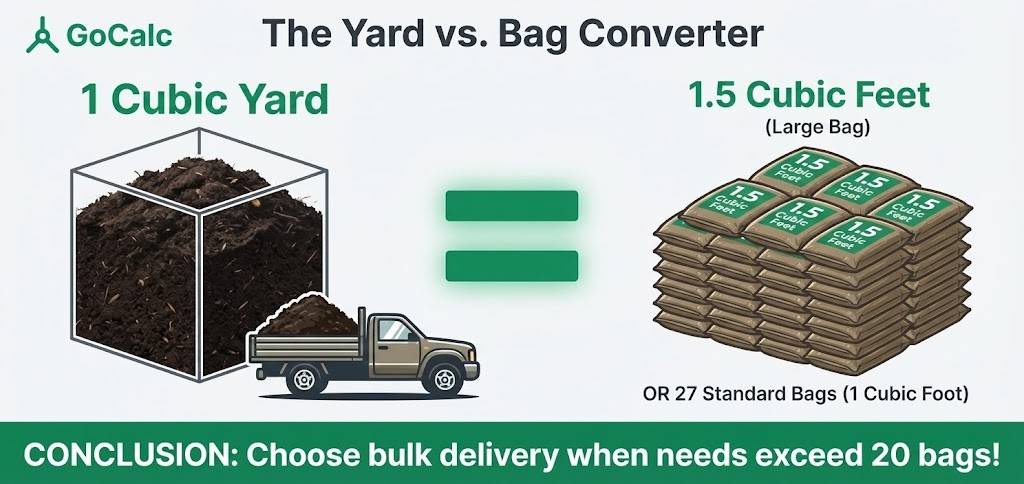
Once you have cubic feet, divide that number by twenty seven. That gives you cubic yards. Most bulk suppliers sell dirt this way. Don’t forget to measure twice because mistakes happen easily.
Understanding Settling And Compaction
Loose earth always shrinks down after you water it or walk on top of it. If you measure for a ten inch bed, add a bit extra. Otherwise, your dirt level drops way too low after a few good rains.
Experts suggest adding about twenty percent more to your total volume. This accounts for the air pockets disappearing. Skipping this step means a frustrating trip back to the store for more bags.
The True Cost Beyond The Price Tag
The sticker price on a website rarely tells the whole story. Delivery fees can sneak up on you. If you live far from the quarry, that truck ride adds up fast.
Tax and tip for the driver also chip away at your wallet. Always ask for an all in quote before you hand over your credit card info. Surprises are fun on birthdays, not when buying dirt.
Bulk Versus Bagged Options
Deciding between loose piles or plastic bags depends on your project size. Small raised beds work great with bags from the local hardware store. They are clean and easy to handle.
Large landscape jobs scream for bulk delivery by the dump truck. It costs less per yard, but you need a place to put a giant pile of earth without ruining your driveway. Make sure your neighbor won’t mind the view.
Delivery Logistics And Access
Big trucks are heavy. Can a giant dump truck actually reach your backyard without crushing your septic tank or ruining your pristine lawn? That is a major question to ask.
Sometimes you need to pay for a smaller truck or wheelbarrow the dirt yourself. Factor physical labor and extra equipment rental into your budget. Time is money too, friend.
Not all earth is created equal. Super cheap options might contain weed seeds or construction debris. Fixing a weed infested garden bed takes way more effort later.
Spend a little extra on a good topsoil and compost mix. Your plants will thank you with lush growth all season long. Good ingredients make all the difference in the world.
Tackling a dirt project in 2026 takes careful thought. By measuring right and planning for extra fees, your garden will thrive without breaking your bank account.
Take your time with the prep work and enjoy getting your hands dirty. A well planned yard brings joy for years to come. Now go grab that measuring tape and get started.