
You stand there in the hardware store aisle, staring at two very different piles of stuff. On one side, neat stacks of gray concrete blocks. Heavy. Solid. Kinda industrial. On the other, warm-smelling cedar planks or pressure-treated pine. Inviting. Classic. But then you look at the price tags, and your brain does a little flip-flop. Which one is actually gonna save you money? And I don’t just mean today. I mean three years from now when the wood might be rotting or the blocks are still sitting there, stubborn as a mule.
It’s 2026, and let’s be real—gardening supplies aren’t getting cheaper. Inflation has touched everything from soil mixes to the screws holding your bed together. You want a space to grow your tomatoes and basil without breaking the bank or spending every weekend fixing things. It’s not just about the upfront cost. It’s about the headache factor. Do you want to build it once and forget it? Or do you mind swapping out boards every few seasons? These questions matter because your garden should be a place of peace, not a source of stress.
So, let’s cut through the noise. We’re going to look at the cold, hard cash involved in both options. We’ll talk about what you pay at the register, what you pay in sweat equity, and what you pay down the line. Whether you’re a seasoned pro with a belt full of tools or a newbie who just bought their first trowel, this guide is for you. Let’s dig in.
The Upfront Price Tag: What You Pay Today
When you walk up to the counter, the sticker shock is real. For a standard 4×8 foot raised bed, the materials tell a stark story. In 2026, a basic wood bed using untreated pine or lower-grade cedar can run you anywhere from $150 to $250 for the lumber alone. If you go for high-quality, rot-resistant cedar or redwood, that number jumps quickly, often hitting $300 or more. You also need screws, corner brackets, and maybe some landscape fabric. It adds up. Fast.
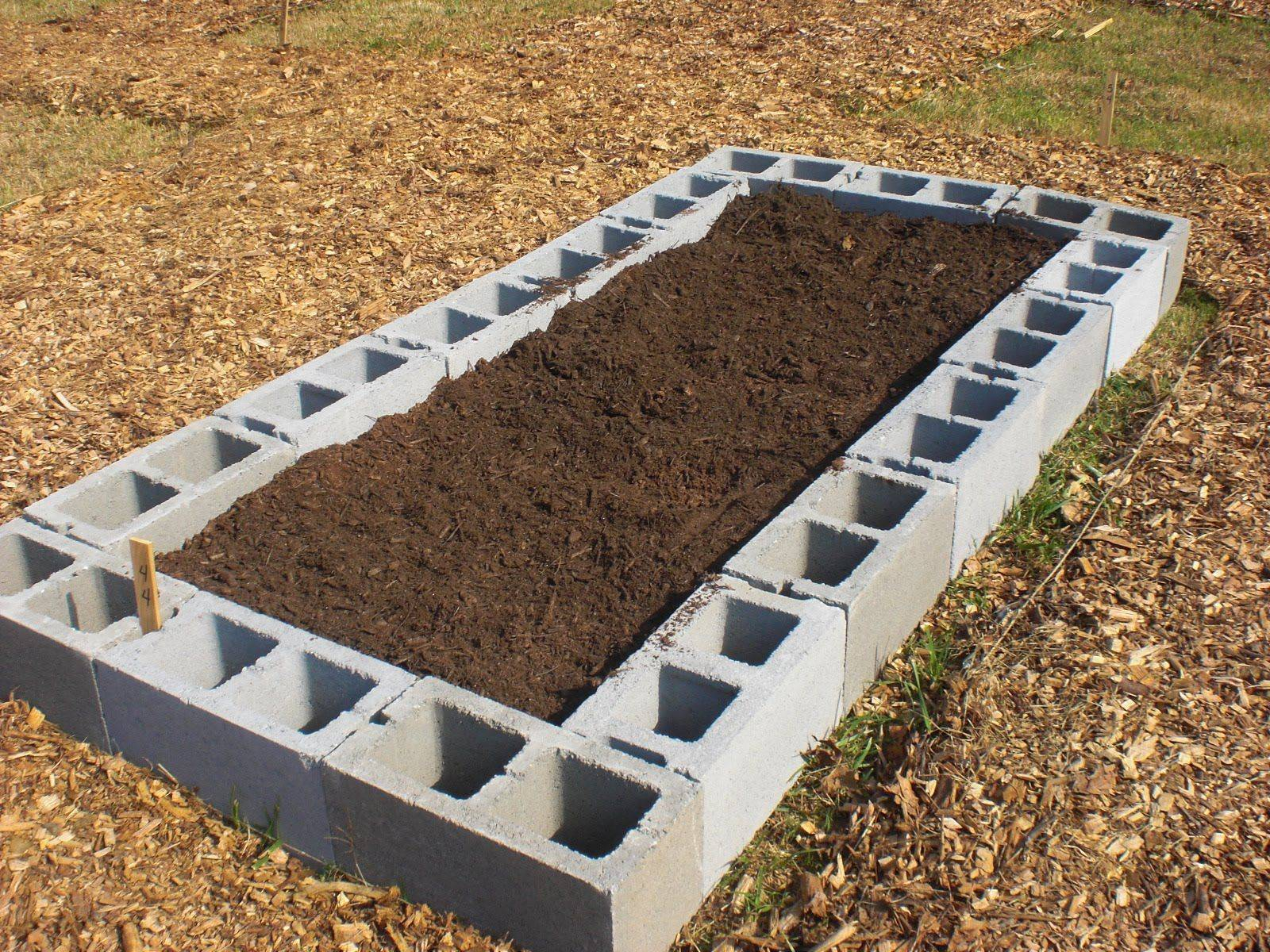
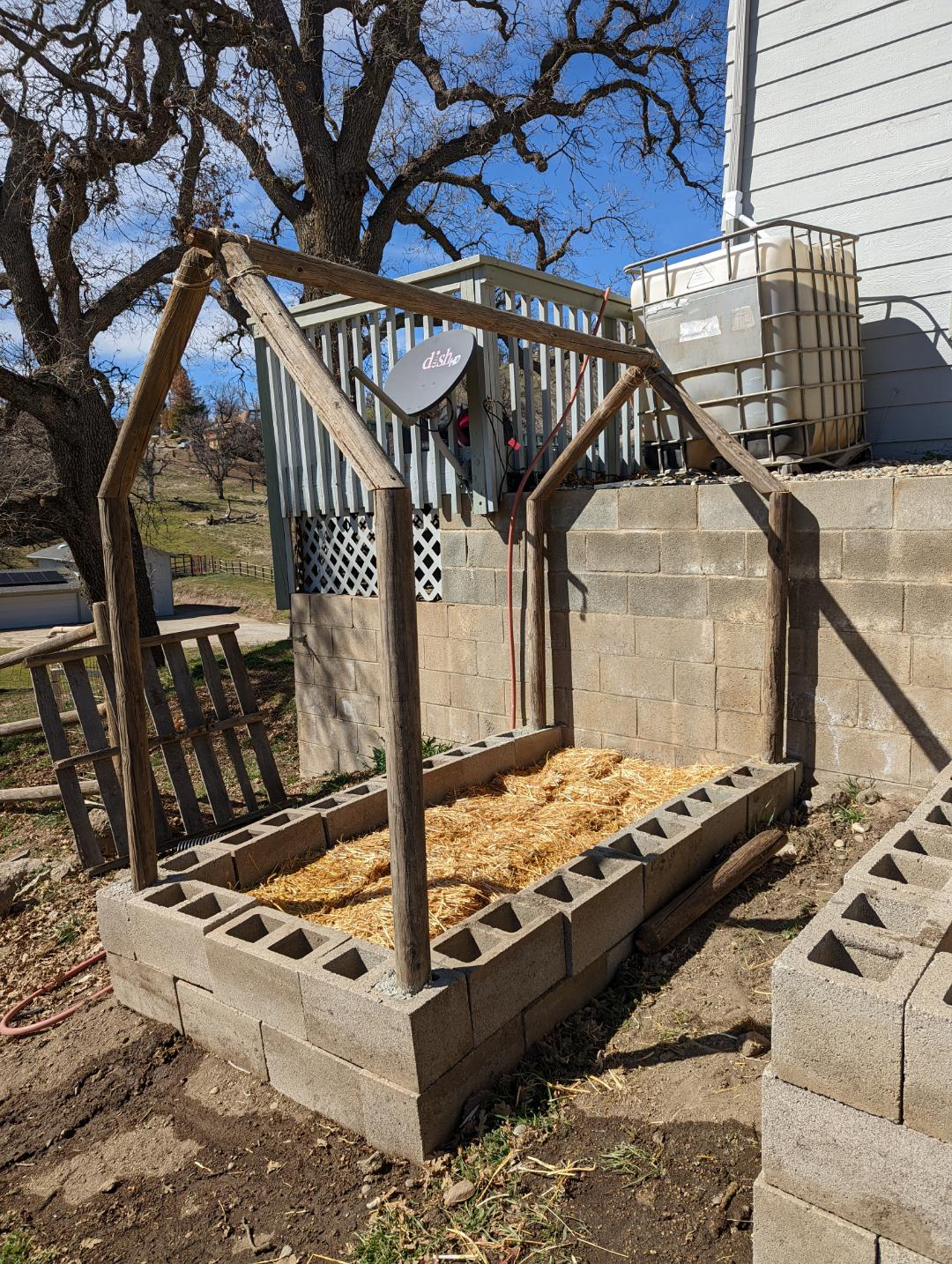
Cinder blocks, on the other hand, play a different game. A single standard block costs between $2 and $3. For a 4×8 bed that’s two blocks high, you’re looking at roughly 20 to 24 blocks. That’s maybe $60 to $75 in materials. Sounds like a no-brainer, right? But wait. You might want to cap them with concrete caps for a nicer look, which adds another $20. Even then, you’re barely scratching $100. The raw material cost for cinder blocks is significantly lower than wood. Much lower.
However, there’s a catch with the blocks. They are heavy. Like, back-breaking heavy. If you’re hauling them home in a sedan, you might make ten trips. If you rent a truck, that’s an extra $50 or so. Wood is lighter and easier to transport. So, while the block itself is cheaper, the logistics can eat into those savings if you don’t plan ahead. But strictly speaking, if we just look at the pile of stuff you need to buy, cinder blocks win the upfront cost battle by a landslide. It’s about half the price, sometimes less.
Labor and Build Time: Sweat Equity Matters
Let’s talk about the work. Because time is money, even if you aren’t paying yourself an hourly wage. Building a wood raised bed is pretty straightforward if you have a drill and a saw. You cut four boards, screw them together, and boom—you’re done. Maybe an hour or two of work for a beginner. It’s satisfying. You feel like a carpenter. But you need to measure twice, cut once, and make sure those corners are square. If you mess up, you’re buying more wood.
Cinder blocks require zero cutting. Zero drilling. You just stack them. Seriously. You lay the first course on level ground, check it with a level (important!), and stack the second course. You can finish a 4×8 bed in twenty minutes. Twenty minutes! But here’s the thing: moving those blocks is tough. If you have bad knees or a weak back, this method might not be for you. Or you’ll need a friend. Having a buddy helps lift the blocks into place. It’s less skilled labor but more physical labor.
Also, consider the prep. With wood, you often want to line the inside with plastic or fabric to protect the wood from moisture and soil contact. That’s an extra step. With cinder blocks, you don’t really need to line them unless you’re worried about concrete leaching (which is mostly a myth for modern blocks, but some people do it anyway). So, in terms of pure construction time, blocks are faster. But in terms of physical exertion, wood is easier on the body. Choose your poison. Do you prefer sweating from lifting or sweating from thinking?
Longevity and Durability: The Long Game
Here is where the plot thickens. Wood rots. It’s a fact of nature. Even "rot-resistant" cedar will eventually give up the ghost, especially in wet climates or if it’s constantly touching damp soil. In 2026, we’re seeing more extreme weather patterns. Heavy rains, intense heat. These things chew through wood. A typical pine bed might last 3-5 years. Cedar might last 7-10. After that, you’re replacing boards. Or the whole thing. That’s recurring cost. And hassle.
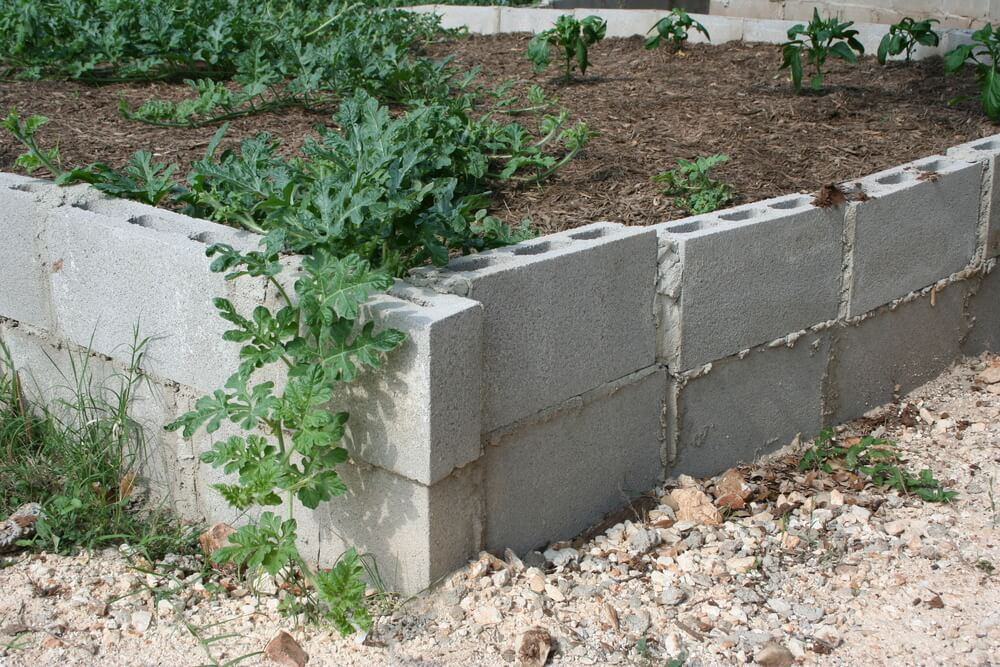
Cinder blocks? They last forever. Literally. Unless you hit them with a sledgehammer, they aren’t going anywhere. They don’t rot. They don’t warp. They don’t get eaten by termites. In places like Los Angeles or other dry, hot zones, blocks are king because they don’t dry out and crack like wood can. They provide structural integrity that wood just can’t match over decades. If you plan to stay in your home for a long time, or if you want to leave a garden legacy for the next owner, blocks are the way to go.
But there’s a downside to that permanence. If you decide you hate the location of your bed, you can’t just pick up a cinder block bed and move it. You have to dismantle it, block by heavy block. Wood beds can be taken apart and reassembled elsewhere with relative ease. So, durability favors blocks, but flexibility favors wood. Think about your future self. Will you want to redesign your yard in five years? If yes, wood might be the smarter bet despite the shorter lifespan. If no, lock it in with concrete.
Soil and Plant Health Considerations
It’s not just about the walls; it’s about what’s inside. Wood is a natural insulator. It keeps the soil temperature more stable. In hot summers, wood doesn’t absorb as much heat as concrete. This matters for your plant roots. Tomatoes and peppers like warmth, but too much heat can cook the roots. Wood beds tend to stay cooler in the peak of summer compared to dark gray concrete blocks which soak up the sun like a sponge.
Cinder blocks have high thermal mass. They absorb heat during the day and release it at night. In cooler climates, this can actually extend your growing season. It acts like a battery for warmth. But in hot climates, like the Southwest, this can be a problem. Your soil might get too hot. Some gardeners paint their blocks white to reflect heat, which adds a tiny bit of cost and effort. Or they plant trailing vines on the outside to shade the blocks. It’s a workaround, but it’s something to consider.
There’s also the pH factor. Old myths say concrete raises soil pH significantly. Modern research shows it’s minimal for most garden vegetables, but if you’re growing acid-loving plants like blueberries, you might want to stick with wood or line the blocks heavily. For general veggie gardening, though, both materials work fine. Just monitor your soil health. Wood decomposes slowly and adds organic matter to the soil edge, which can be a slight benefit. Blocks are inert. They just sit there. Neutral.
Aesthetic and Design Flexibility
Let’s be honest. We want our gardens to look good. Wood has a classic, rustic charm. It blends into almost any backyard. It feels warm and inviting. You can stain it, paint it, or leave it natural. It ages gracefully, turning a silvery gray if you let it. It feels like a traditional garden. If you’re going for that cottage-core vibe, wood is unbeatable. It’s soft on the eyes and fits with wooden decks, fences, and pergolas.
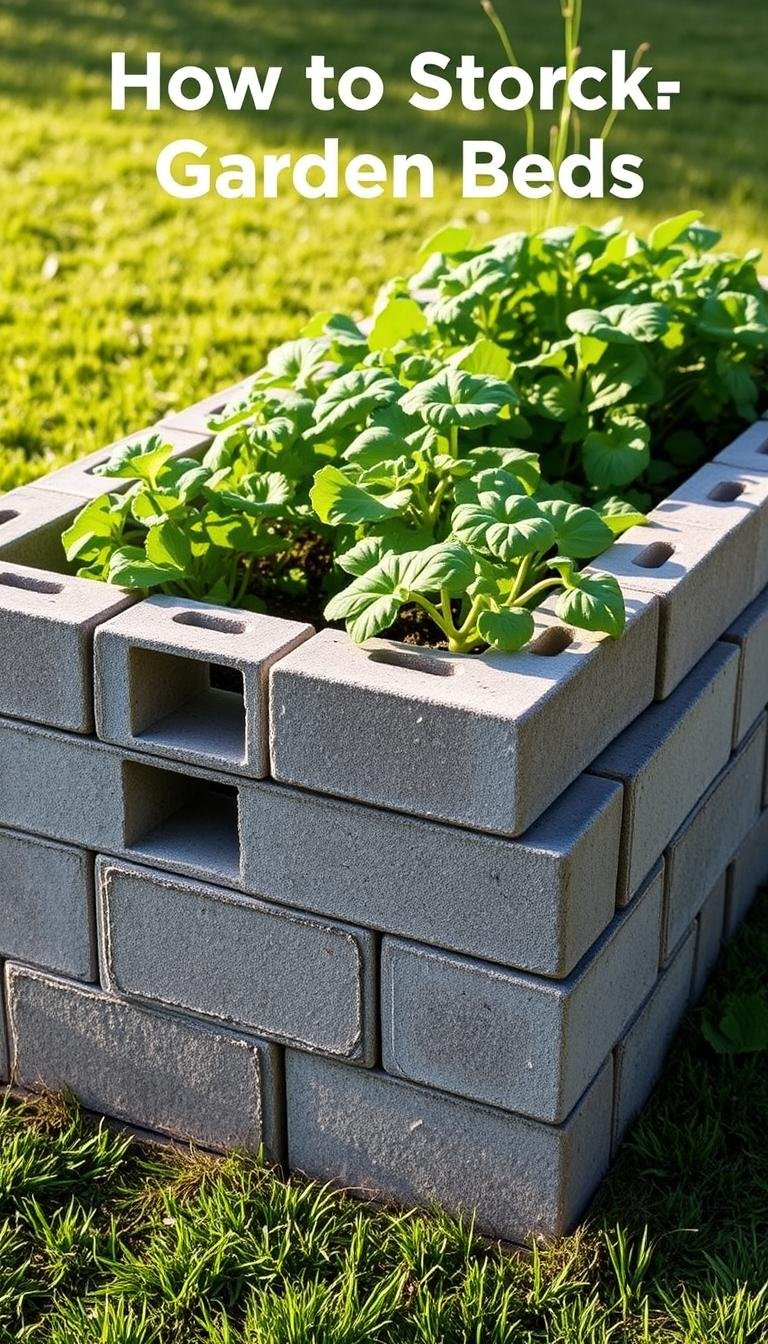
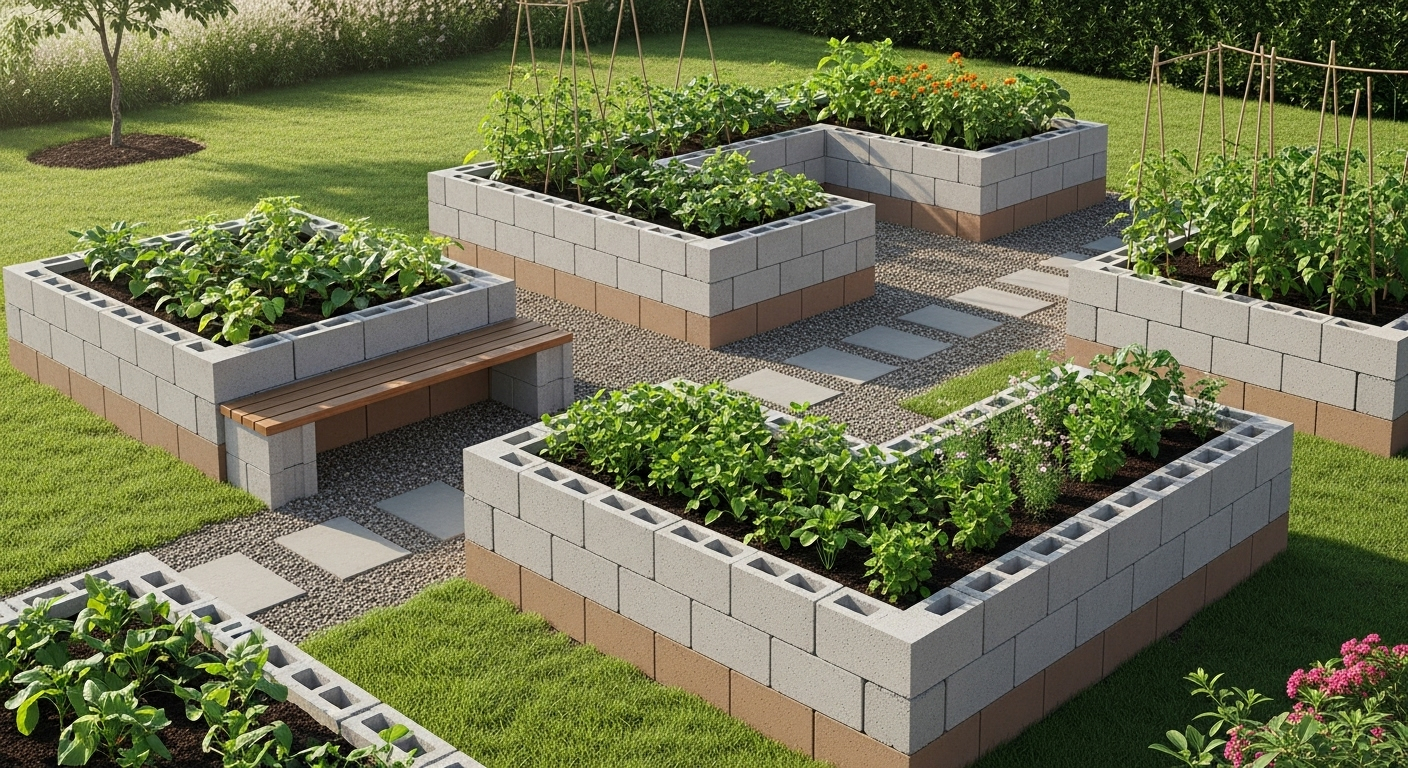
Cinder blocks have an industrial, modern look. Some people love it; some hate it. But you can dress them up. You can stucco them, paint them, or stack them in creative patterns. You can leave the holes open and plant succulents or herbs in the cavities. This adds vertical growing space, which is a huge plus for small yards. Imagine strawberries spilling out of the side of your bed. That’s a feature wood can’t offer without extra attachments. Blocks offer built-in modularity.
However, wood allows for curved designs. You can bend flexible wood or cut angles to create circular or kidney-shaped beds. Cinder blocks are rigid. They are straight lines and right angles. If you have a quirky yard shape, wood adapts better. Blocks demand order. They demand geometry. So, if your style is free-flowing and organic, wood wins. If you like clean lines, modern minimalism, or functional vertical planting, blocks take the crown. It’s about your personal taste and the vibe of your outdoor space.
Hidden Costs and Maintenance Reality
We’ve talked about the big stuff, but what about the little things? The hidden costs. With wood, you need to maintain it. You might want to seal it every couple of years to prolong its life. That’s cost of sealant and time. You might need to tighten screws as the wood shrinks and swells. You might replace a rotten board after a particularly wet winter. These are small costs, but they add up over time. And they are annoying. Nobody wants to spend their Saturday replacing a soggy plank.
With cinder blocks, maintenance is near zero. Maybe you pull a weed that grows in the crevices. That’s it. But there’s a hidden cost with blocks: soil volume. Because the walls are thicker (8 inches wide vs 1.5 inches for wood), you lose a bit of interior growing space. You might need slightly more soil to fill the same external footprint. Soil is expensive in 2026. A cubic yard of good mix can cost $50-$80. Over a large area, that extra volume adds up. It’s a subtle cost, but it’s there.
Also, consider accessibility. If you’re older or have mobility issues, the height of the bed matters. With wood, you can build it as tall as you want, but it gets expensive. With blocks, adding height is cheap. Just add another layer. Want a 3-foot high bed for easy access? With wood, that’s a lot of lumber and bracing. With blocks, it’s just three layers of stacking. For accessibility, blocks are often the more affordable route to a comfortable working height. Don’t overlook this if your back isn’t what it used to be.
So, which one should you pick? There’s no single right answer. It depends on your wallet, your back, and your vision. If you’re on a tight budget right now and don’t mind heavy lifting, go with cinder blocks. They’re cheap, durable, and low-maintenance. They’re perfect if you want to set it and forget it. Plus, those side pockets for plants are a cool bonus. Just watch out for the heat in summer.
If you value aesthetics, ease of assembly, and a traditional look, choose wood. It’s kinder to your back during construction and looks beautiful in any setting. Be prepared to replace it eventually, though. Treat it as a medium-term investment. If you’re handy and enjoy woodworking, building a wood bed is a rewarding project. If you’d rather spend your time gardening than building, stack some blocks.
In the end, the best raised bed is the one that gets built. Don’t let perfection paralysis stop you. Both methods will grow you delicious food. Both will connect you to the earth. Look at your local prices in 2026, check your physical comfort level, and pick the path that feels right. Your tomatoes won’t care if they’re surrounded by cedar or concrete. They just want good soil and sunshine. So get out there and start digging.