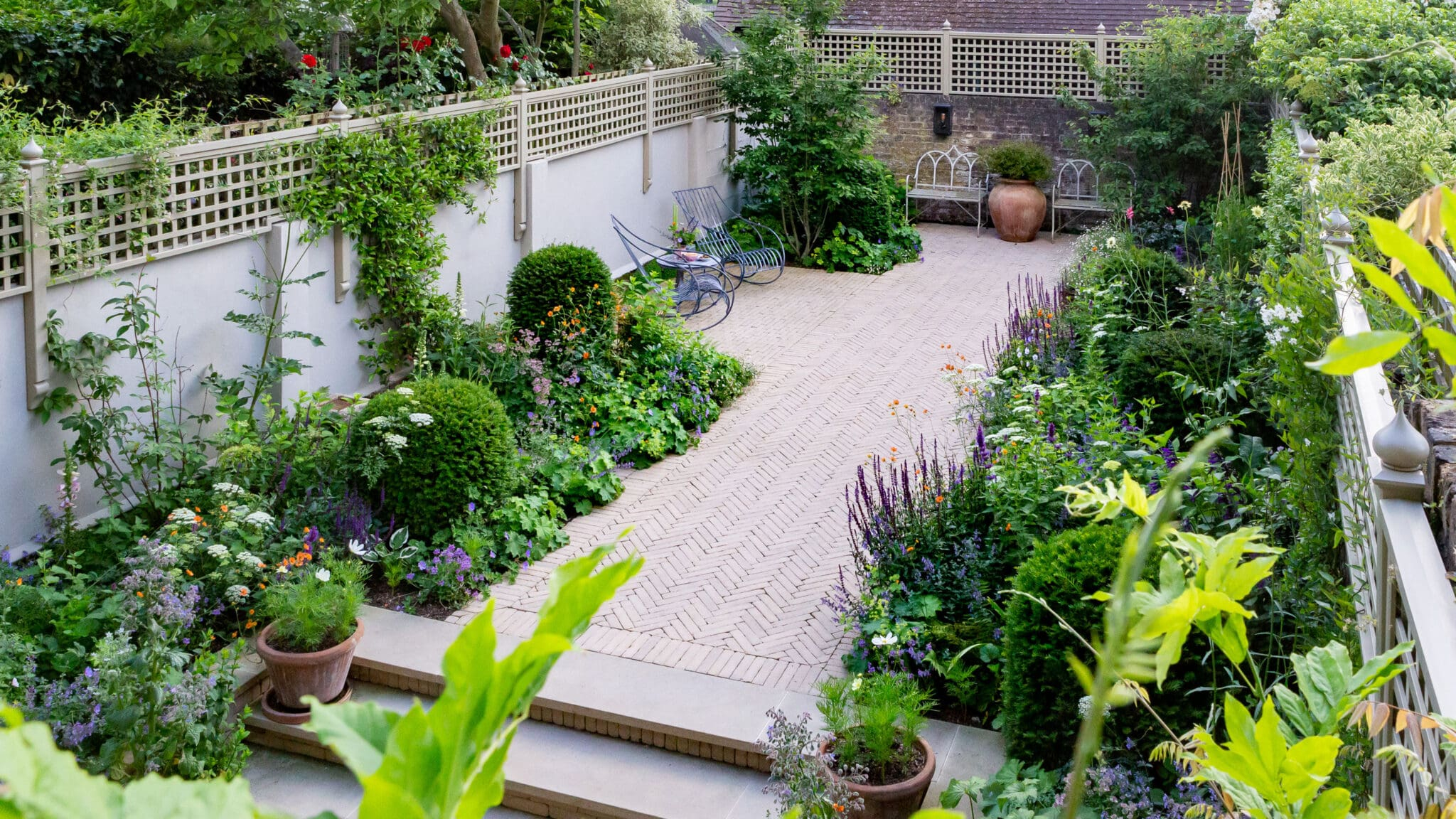

The neighborhood cat treats your fence line like its personal highway, pausing regularly to survey your kitchen window with a mixture of boredom and condescension. You are sitting on your patio with a cup of morning coffee, but instead of feeling a sense of quiet escape, you feel exposed. The second-story window of the house next door stares directly down at your lounge chair, and the drone of weekend lawnmowers acts as a constant reminder that you are living in a fishbowl. Most homeowners assume that escaping this suburban exposure requires cutting a five-figure check to a landscape design firm, hauling in mature evergreens via crane, or building monolithic concrete walls.
That assumption, thankfully, is entirely false. Transforming an open, overlooked plot of grass into a secluded personal sanctuary is less about massive budgets and more about micro-architecture, clever spatial manipulation, and tactical planting. You do not need heavy machinery to reclaim your outdoor living space; you need a strategic eye, a shovel, a weekend or two of honest labor, and a refusal to accept your yard as public property. When you begin to view your landscape through the lens of layers, focal points, and psychological boundaries, even the most exposed suburban patch of land can morph into an intimate hideaway.
The modern appetite for private outdoor space has evolved dramatically. Over the last few years, our yards have shifted from passive expanses of Kentucky bluegrass into vital extensions of the home. We demand functionality, mental decompression, and, above all, sanctuary. Yet, the traditional suburban development model works directly against this desire, favoring wide-open frontages and minimal property line buffering to maximize perceived neighborhood expanses. Reclaiming your privacy and crafting a retreat requires a deliberate counter-movement. It calls for reclaiming your perimeter, editing your views, and designing intimate zones that pull your focus inward rather than outward.
The Anatomy of Outdoor Seclusion and Spatial Psychology
Creating a private retreat begins long before you buy a single plant or bag of mulch; it starts with understanding how the human brain processes space and safety. Psychologists note that humans possess an innate preference for "refuge and prospect"—the subconscious desire to occupy a safe, enclosed spot (refuge) while maintaining a clear view of the surrounding environment (prospect). Most ordinary backyards fail as retreats because they offer pure prospect without refuge. You are sitting out in the open, completely vulnerable to sightlines from every neighboring window, which triggers a low-grade, persistent alertness that prevents genuine relaxation.
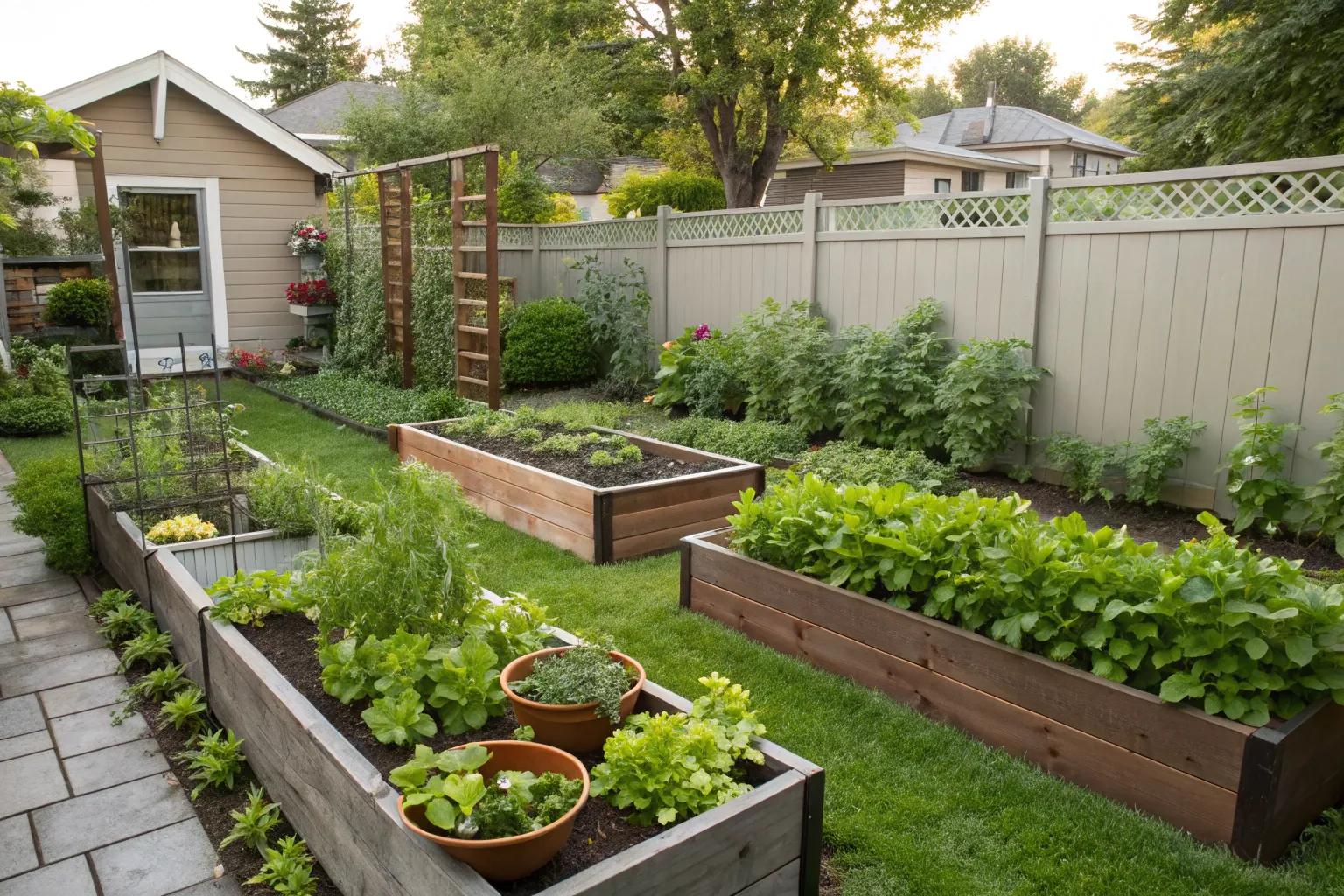
To reverse this dynamic, you must break up the monolithic expanse of the typical lawn. A wide-open rectangular yard encourages the eye to sweep from fence to fence, registering every imperfection and every invading sightline. By introducing structural elements—such as low hedges, pergolas, custom screen panels, or staggered garden beds—you chop that massive, intimidating space into distinct outdoor rooms. This compartmentalization does something remarkable: it tricks the brain into perceiving the yard as much larger and infinitely more mysterious. When you cannot see the entire boundary of your property from a single vantage point, curiosity and a sense of discovery take over.
Furthermore, outdoor acoustics play an insidious role in yard comfort. Traffic hum, barking dogs, and neighbor conversations shatter the illusion of a secluded oasis. Strategic landscaping changes can actively mitigate noise pollution long before you ever consider electronic white-noise machines. Dense, multi-stemmed shrubs with heavy foliage act as natural acoustic absorbers, deflecting and dampening hard sound waves. When you pair these vegetative buffers with the gentle, rhythmic masking sound of a simple DIY container water feature or a small recirculating pond, the urban or suburban soundtrack fades into a distant background murmur.
Strategic Screening Techniques for Unwanted Sightlines
Blocking sightlines without making your yard feel like a medieval fortress requires a delicate balance of height, density, and placement. Many homeowners make the mistake of planting a rigid line of arborvitae directly against their property fence, creating a green prison wall that feels claustrophobic and uninspired. A more sophisticated approach relies on interrupted sightlines and foreground layering. Instead of building a solid wall of greenery right at your boundary, push some of your screening elements closer to your primary seating areas. A tall decorative screen panel placed five feet behind your patio will block a troublesome second-story window far more effectively than a tiny sapling planted fifty feet away at the property line.
Hardscape screens offer instantaneous privacy while you wait for plants to mature. Modern DIY options include slatted cedar privacy screens, outdoor weather-resistant curtains mounted to simple overhead beams, and modular metal panels featuring laser-cut botanical patterns. These elements introduce architectural weight and immediate relief from prying eyes. When combined with climbing vines such as star jasmine, clematis, or honeysuckle, hard panels soften over a single growing season, bridging the gap between stark architecture and lush nature.
Living screens require thoughtful plant selection based on your USDA hardiness zone and sunlight patterns. Evergreen shrubs and small trees form the backbone of year-round privacy. Columnar trees, such as ‘Sky Pencil’ holly or slender upright hornbeams, provide vertical accent and heavy screening without consuming precious ground space in narrow side yards or compact backyards. For immediate impact, deciduous shrubs with dense branching habits, such as viburnums or native dogwoods, create seasonal screens that fill out rapidly during the spring and summer months when you are most likely to use your outdoor space.
Step-by-Step Implementation Guide for Your Backyard Transformation
Turning design theory into a physical sanctuary requires a methodical, step-by-step approach. Rushing into a landscaping project without a clear sequence often leads to wasted weekends, dead plants, and torn-up turf. Follow this structured roadmap to build your private retreat efficiently and correctly:
- Step 1 (Site Analysis and Sightline Mapping): Stand in your primary outdoor seating areas at different times of the day. Note precisely where your eyes are drawn, which neighbor windows compromise your privacy, and where harsh sun or wind enters your yard. Mark these trouble spots with small flags or stakes in the grass.
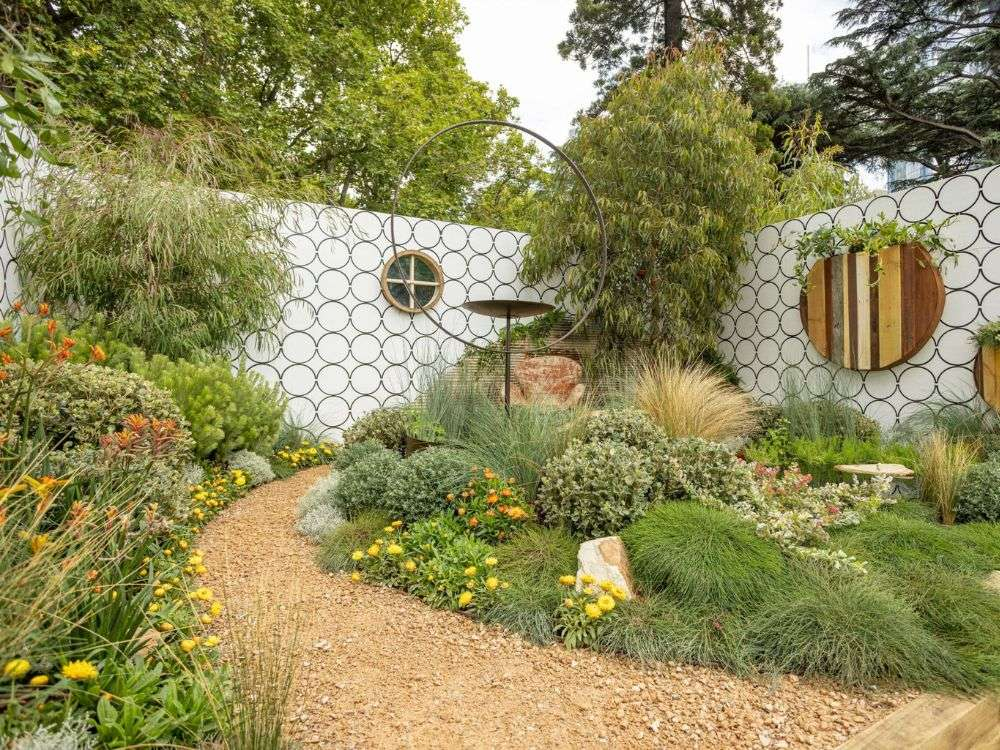
- Step 2 (Zone and Pathway Layout): Outline your new intimate seating nook or destination space using a garden hose or a can of spray paint. Establish the entry and exit pathways using natural stone pavers, gravel, or thick mulch paths that curve gently, slowing your movement and creating a psychological transition from the rest of the yard.
- Step 3 (Hardscape and Privacy Installation): Install your heavy structural elements first. Build your privacy screens, set your pergola posts, or erect your DIY lattice panels before adding any plants. Ensure all posts are anchored securely below the local frost line using concrete footings to prevent shifting over winter.
- Step 4 (Layered Planting and Soil Prep): Amend your native soil thoroughly with compost and organic matter. Plant your structural evergreens and large shrubs along the mapped sightline boundaries first, followed by mid-height perennials, ornamental grasses, and ground covers in the foreground to create visual depth.
- Step 5 (Lighting, Water, and Finishing Touches): Layer in low-voltage landscape lighting to illuminate pathways and cast dramatic shadows against your new privacy screens. Add a simple tabletop or container water feature for ambient sound, finish with weather-resistant seating, and mulch the entire bed deeply to retain moisture and suppress weeds.
Common Pitfalls, Landscaping Missteps, and Proven Workarounds
Even enthusiastic DIYers stumble into predictable traps when attempting major yard transformations. Recognizing these common errors early saves hours of frustrating labor and ensures your investment thrives for years to come.
- Pitfall 1 (Planting Monocultures for Privacy): Planting a long, unbroken row of a single plant species—such as twenty identical Leyland cypress trees—invites absolute disaster if a specific pest or disease sweeps through the area. Workaround: Intersperse your privacy screen with at least three to four different species of varying textures, growth rates, and foliage colors to build ecological resilience.
- Pitfall 2 (Ignoring Root Spreads and Utilities): Planting large trees or aggressive shrubs too close to underground utility lines, sewer pipes, or your home’s foundation leads to expensive structural damage down the road. Workaround: Always call your local utility marking service before digging, and position large-growing root systems at least ten to fifteen feet away from hard structures.
- Pitfall 3 (Neglecting Scale in Small Yards): Trying to squeeze massive shade trees or oversized patio sets into a compact urban backyard makes the space feel cramped, chaotic, and disorganized. Workaround: Scale your elements down by utilizing dwarf conifers, vertical trellises, and multi-functional furniture that matches the exact physical footprint of your yard.
- Pitfall 4 (Skipping Proper Soil Preparation): Tucking expensive plants directly into compacted, nutrient-depleted subsoil often results in stunted growth or plant death within the first season. Workaround: Invest the time to loosen the soil at least twice the width of the root ball and blend in generous amounts of aged compost to encourage deep root establishment.
- Pitfall 5 (Overlooking Nighttime Utility): Designing a gorgeous private retreat that looks stunning at noon but becomes an unusable, pitch-black cave after sunset limits your enjoyment of the space. Workaround: Integrate warm, glare-free downward lighting along paths and uplight architectural shrubs to extend your retreat’s usability deep into the evening hours.
Long-Term Sustainability, Maintenance, and Ecological Integration
A truly successful private retreat does not demand a lifetime of backbreaking weekend maintenance. By leaning into sustainable landscaping principles and native plantings, you can create a self-sustaining ecosystem that actually requires less upkeep than a traditional monoculture lawn. Native plants have spent millennia adapting to your local rainfall patterns, soil chemistries, and pest pressures, making them remarkably resilient once they establish robust root systems.
Water management sits at the heart of sustainable outdoor design. Incorporating permeable paving materials—such as decomposed granite, flagstone set on aggregate bases, or open-joint pavers—allows rainwater to infiltrate the soil naturally rather than running off into storm sewers, reducing localized flooding and replenishing the water table. Additionally, establishing deep mulch layers around your garden beds acts as a thermal blanket for plant roots while cutting down evaporation rates by up to seventy percent during scorching summer dry spells.
Furthermore, turning your yard into a private retreat inevitably transforms it into a sanctuary for local wildlife. When you replace turfgrass with layered shrubs, flowering perennials, and a water feature, you roll out the welcome mat for native pollinators, songbirds, and beneficial insects. Watching goldfinches dart between your coneflowers or listening to bumblebees work through your lavender bushes introduces an organic, grounding dimension to your retreat that artificial backyard decor can never replicate. Your yard ceases to be a sterile green carpet and becomes a living, breathing ecosystem that constantly renews your energy.
Practical Frameworks for Budget Management and Phased Execution
Tackling an entire yard overhaul all at once can drain your bank account and exhaust your physical stamina. A much wiser strategy involves breaking your landscaping project into manageable, affordable phases spread across multiple seasons or even years. This phased approach allows you to observe how sunlight moves across your yard throughout the seasons, helping you make smarter, more informed design choices as your retreat evolves.
Phase one should always focus on the anchor zone—typically your primary seating patio and the most glaring privacy violation. Spend your initial budget on soil amendments, hardscape screens, and foundational evergreens for that specific zone. This delivers an immediate psychological win, giving you a functional sanctuary to enjoy while you plan the subsequent stages of your yard makeover.
Phase two can expand outward into the connecting pathways, secondary garden rooms, and ambient lighting upgrades. By purchasing plants in smaller, more affordable container sizes (such as one-gallon or three-gallon pots) rather than expensive specimen trees, you save hundreds of dollars while enjoying the reward of watching plants adapt and surge in vigor right in your own soil. Smaller plants establish root systems faster and frequently outgrow their overpriced, root-bound nursery counterparts within a couple of growing seasons.
The transformation of an ordinary yard into a private retreat is ultimately an act of reclaiming your personal peace. In a world defined by relentless digital connectivity and urban density, having a quiet space where you can step outside barefoot, listen to the wind rustle through dense foliage, and escape the gaze of the outside world is an invaluable luxury. You do not need professional designers or endless capital to achieve this; you need intention, patience, and a willingness to shape your immediate environment with your own hands.
As you stand back and survey your newly created sanctuary—watching the shadows lengthen across your gravel path, breathing in the scent of newly planted evergreens, and realizing that your neighbors are entirely out of sight—the true value of your labor becomes blindingly clear. Your yard is no longer just the empty space surrounding your house. It is a living room under the open sky, a deeply personal hideaway, and your own private piece of the natural world.