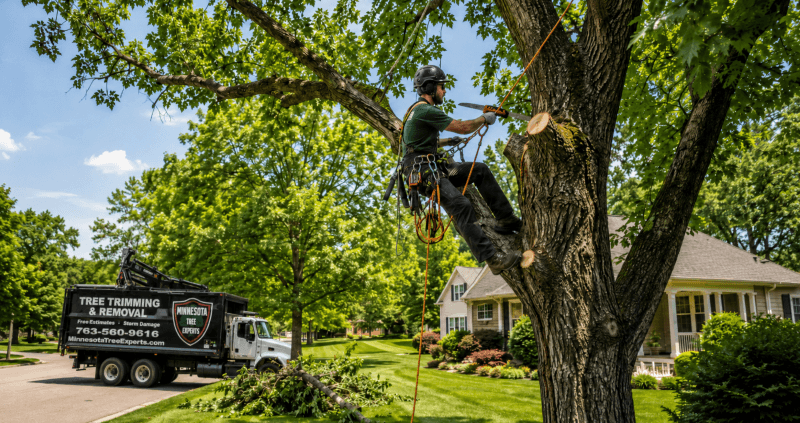

The morning sun barely crests the horizon when the diesel rumble of a chip truck shatters the neighborhood quiet. Two men step out, stretching tired muscles, scanning a towering, century-old silver maple that has begun dropping heavy limbs onto the roofline. Within minutes, ropes are coiled, chainsaws are sharp and humming, and a heavy-duty aerial lift swings upward into the dense foliage. For most homeowners looking up from the lawn, watching this synchronized choreography looks simple enough. Yet, when the invoice arrives later that afternoon for $1,200, a wave of sticker shock invariably sets in. Why does trimming a single tree cost as much as a major household appliance?
Tree care is not just about cutting wood; it is a high-risk trade that blends arboricultural science with heavy machinery logistics. When you hire a professional crew, you are not simply paying for twenty minutes of chainsaw work. You are funding specialized liability insurance, workers’ compensation for dangerous heights, fuel for chippers and stump grinders, equipment depreciation on $150,000 bucket trucks, and the specialized knowledge of certified arborists who understand the physiological impact of every cut made to a living organism. Without understanding these underlying cost centers, evaluating an estimate feels like guessing in the dark.
Navigating the financial landscape of property maintenance requires looking past the surface numbers. Residential tree trimming prices fluctuate wildly based on immutable physical realities: vertical height, canopy density, structural proximity to power lines, and regional labor markets. Whether you are dealing with an overgrown Bradford pear blocking a driveway or an unruly oak threatening a foundation, breaking down the exact mechanics of crew rates and size-based pricing will help you separate a gouging quote from a fair, professional bid.
Anatomy of an Estimate: How Tree Size and Complexity Drive the Bill
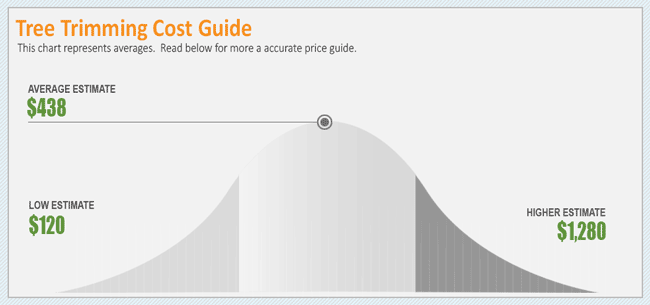
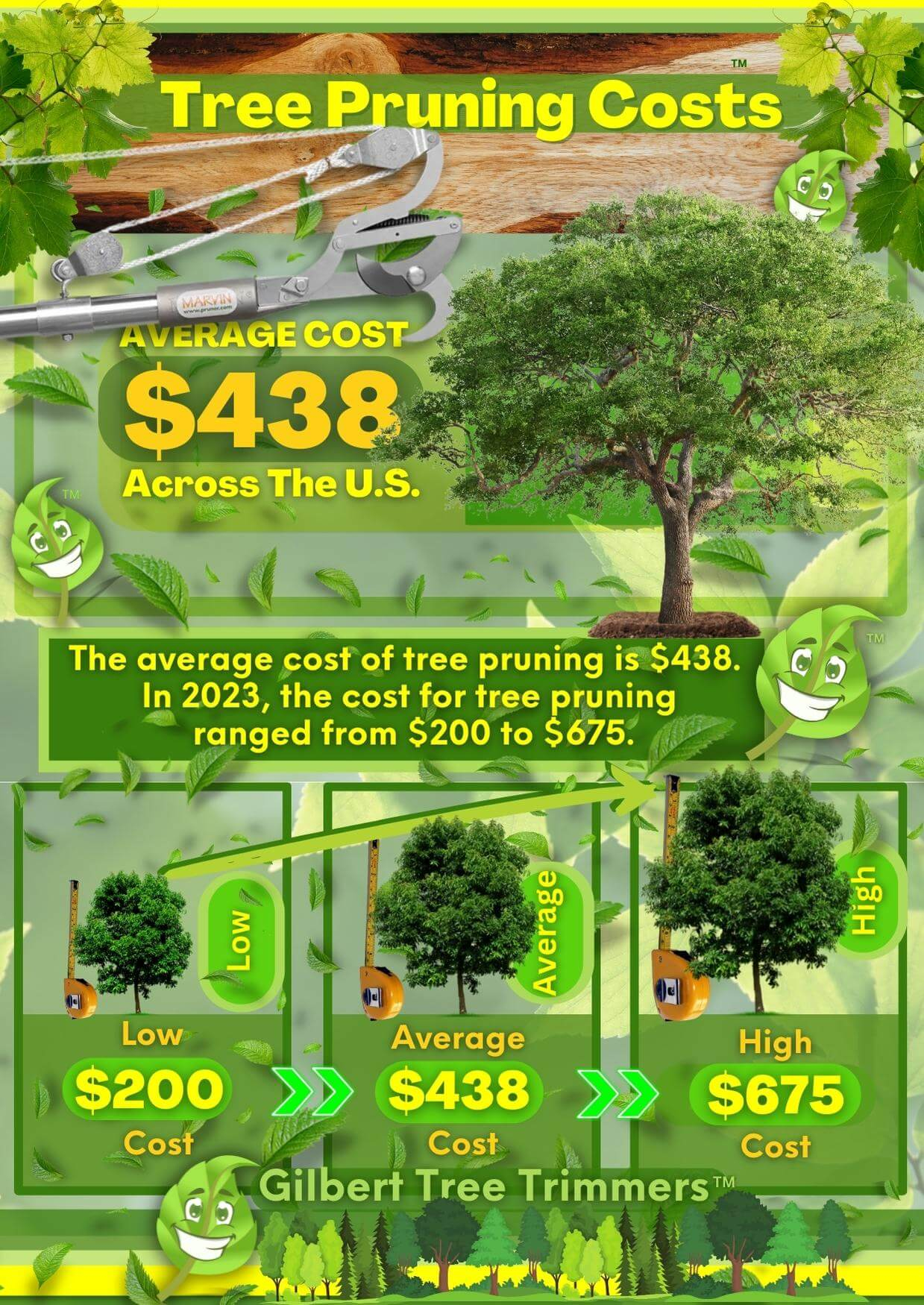
The foundational metric in arboriculture is vertical height, which immediately dictates the scale of equipment needed. Small trees standing under 15 feet—such as ornamental dogwoods, young maples, or fruit trees—generally demand minimal gear and a single groundsman, keeping typical costs between $150 and $450. At this scale, pruning focuses on structural training, removing deadwood, and maintaining clearance from turf. The work is fast, low-risk, and requires little more than pole saws and hand pruners, translating to minimal labor hours.
Medium trees reaching heights between 15 and 30 feet introduce new logistical challenges. As the canopy broadens, the volume of green waste multiplies, and working at height requires ladders or basic climbing gear. Prices for medium specimens typically scale from $400 to $800, depending on whether the canopy is sparse or dense. Dense fruit trees or multi-stemmed crape myrtles require meticulous thinning to allow light penetration, slowing down the crew’s pace and increasing billable hours.
Large trees towering over 30 to 60 feet push pricing into the $800 to $1,800 range, and exceptionally massive, ancient specimens can easily eclipse $2,500. At this tier, manual climbing or bucket truck deployment becomes mandatory. Arborists must rig heavy limbs with ropes and pulleys to lower them safely past delicate landscaping, fences, and roofs. The sheer weight of the debris requires heavy-duty dump trailers and large wood chippers, turning a simple prune into a multi-hour engineering operation.
Unpacking Crew Rates, Hourly Structures, and Regional Variations
Labor is the beating heart of any tree service operation, and understanding how crew rates are calculated clarifies why estimates vary so dramatically. Most professional tree care companies operate on a crew-hour basis, which bundles the labor of two to four workers, a chipper, a transport truck, and fuel into a single hourly rate. Depending on the region and the complexity of the job, standard crew rates hover between $150 and $300 per hour. If a job takes a three-man crew four hours to complete, the labor and equipment component alone accounts for a significant portion of the total bill.
Regional economics heavily dictate these numbers. In high-cost-of-living metropolitan areas where insurance premiums, commercial vehicle registration, and prevailing wages are steep, crew rates reflect those overhead burdens. Conversely, rural operators with lower operational overhead may price jobs lower, though they may lack advanced mechanical assets like spider lifts or crane rentals. Furthermore, the composition of the crew matters. A crew led by a certified arborist who can diagnose fungal pathogens or structural decay commands a higher rate than a seasonal labor crew operating strictly under a foreman’s basic orders.
Time-of-year fluctuations also play a subtle role in pricing dynamics. Late winter and early spring represent peak demand seasons when trees are dormant and homeowners rush to prune before the growing season kicks in. During these frantic months, schedules tighten, and rush-job premiums can apply. Planning maintenance during the slower summer or autumn windows can sometimes secure more flexible scheduling and competitive bidding from local contractors eager to keep their crews working.
Step-by-Step Guide to Vetting Quotes and Planning Your Tree Trimming Project
Managing a successful tree trimming project requires a structured approach to ensure safety, fair pricing, and long-term plant health. Rushing into a contract with the lowest bidder often results in improper "topping" practices that permanently damage the tree and invite disease. Follow this sequential roadmap to protect your property and your investment:
- Step 1 (Assess and Document): Walk your property and list every tree requiring attention. Note their proximity to utility lines, fences, and structures, and take clear photographs of the canopies to share with contractors during remote or in-person estimates.
- Step 2 (Verify Credentials and Insurance): Request proof of current liability insurance and workers’ compensation coverage directly from the insurer. Never hire an uninsured tree service, as falling limbs can easily cause catastrophic property damage or personal injury.
- Step 3 (Obtain Multiple Itemized Bids): Contact at least three local, reputable tree care companies. Ensure their written estimates break down line items for pruning labor, debris hauling, stump chipping, and any specialized equipment fees.
- Step 4 (Evaluate Arborist Expertise): Ask candidates about their pruning methodology. Reject any contractor who suggests "topping" or lion-tailing, and look for professionals who adhere to ANSI A300 standards for tree care operations.
- Step 5 (Confirm Cleanup and Disposal Terms): Clarify whether firewood cutting, wood chip retention, or complete site cleanup is included in the quoted price. Ensure hauling fees for massive log loads are explicitly outlined to avoid unexpected surcharges.
Common Pitfalls, Pricing Traps, and Field-Tested Workarounds
The tree service industry, like many home improvement sectors, contains hidden traps that can turn a modest maintenance budget into a financial nightmare. Recognizing these pitfalls before signing a contract saves money and preserves the aesthetic and structural integrity of your landscape.
- Pitfall 1 (The Door-Knocker Discount): Unsolicited contractors knocking on your door after a storm offering suspiciously low cash prices often lack insurance and proper training. Workaround: Always decline on-the-spot high-pressure offers; legitimate arborists are busy and rarely cruise neighborhoods looking for instant work.
- Pitfall 2 (Vague "Per Tree" Estimates): Accepting a flat verbal quote without defining the scope of work—such as whether deadwooding, crown thinning, or weight reduction is included. Workaround: Demand a detailed written contract specifying exact pruning percentages and clearance goals.
- Pitfall 3 (Ignoring Debris Disposal Costs): Assuming that hauling away massive piles of brush and hardwood logs is automatically included in the base trim price. Workaround: Explicitly ask: "Does this quote cover total site cleanup and chip hauling, or is there an extra disposal fee?"
- Pitfall 4 (Proximity Surcharges for Utilities): Forgetting that branches hanging near service drops require specialized utility clearance, which standard crews cannot legally touch. Workaround: Contact your local electric utility provider first, as they often prune trees interfering with power lines for free.
- Pitfall 5 (Over-Pruning for Immediate Savings): Choosing a cheap contractor who removes excessive canopy foliage at once, causing severe tree shock and epicormic sucker growth. Workaround: Stick to the industry standard rule of never removing more than 25 percent of a mature tree’s live crown in a single season.
The Broader Economic and Ecological Value of Professional Canopy Maintenance
Viewing tree trimming expenses strictly as an annoying maintenance cost misses the broader financial and ecological picture. Mature, well-maintained trees can add up to 15 percent to a residential property’s resale value, turning an initial pruning investment into a substantial equity asset. Strategic shade placement over southern and western exposures lowers summer cooling bills, while proactive removal of deadwood prevents catastrophic limb failures that could otherwise crush vehicles, smash roofs, or rupture sewer lines.
Ecologically, professional pruning promotes vigorous canopy health by increasing air circulation and sunlight penetration throughout the interior branches. This increased airflow mitigates fungal outbreaks like powdery mildew or leaf spot, extending the lifespan of long-lived shade trees. When handled correctly by trained arborists, trimming wounds heal rapidly through natural compartmentalization, whereas careless cuts invite wood-boring insects and decay fungi that turn a majestic asset into an expensive removal liability.
Furthermore, the green waste generated during a trimming project holds secondary economic value. Rather than paying landfills disposal fees, many modern tree services chip the organic material into nutrient-rich mulch that can be repurposed across your garden beds. Savvy homeowners often negotiate to keep the wood chips or split hardwood logs for firewood, offsetting some of the labor costs through recycled resource retention.
Strategic Recommendations for Budgeting and Long-Term Tree Asset Management
Successfully managing your property’s canopy requires moving away from reactive firefighting—hiring a crew only when a branch crashes through a fence—and transitioning toward proactive, multi-year asset management. By establishing a predictable maintenance schedule, you smooth out unpredictable spikes in landscaping expenditures and keep your trees in peak physiological condition.
- Establish a Maintenance Reserve: Set aside a dedicated annual property maintenance fund specifically for arboricultural care, anticipating that mature trees require structural pruning every three to five years depending on species growth rates.
- Prioritize High-Risk Specimens First: Address trees leaning toward structures, utility lines, or driveways before aesthetic pruning on ornamental specimens tucked away in back corners.
- Build a Relationship with a Certified Arborist: Partner with a single reputable local company over multiple years. An arborist who knows your property’s microclimate and tree history can provide more efficient, tailored service and often honors loyal customer pricing.
- Monitor Seasonal Growth Patterns: Walk your yard in late autumn after leaf drop to easily spot structural defects, dead branches, and crossing limbs before spring foliage obscures them.
The sticker shock of a multi-thousand-dollar tree trimming invoice often fades the moment you realize what that investment actually accomplished. It secured the structural integrity of a living giant that has stood watch over your home for generations. It shielded your roof from impending storm damage, preserved precious sunlight for your turf, and ensured that the work was executed without injury or property mishap.
As urban canopies face mounting environmental pressures from shifting weather patterns and urban density, proactive tree care transitions from a luxury chore to an essential stewardship responsibility. By approaching tree trimming with an educated eye—understanding how height, canopy density, equipment logistics, and crew rates intersect—you transform yourself from an unsuspecting consumer into an empowered steward of your own landscape.