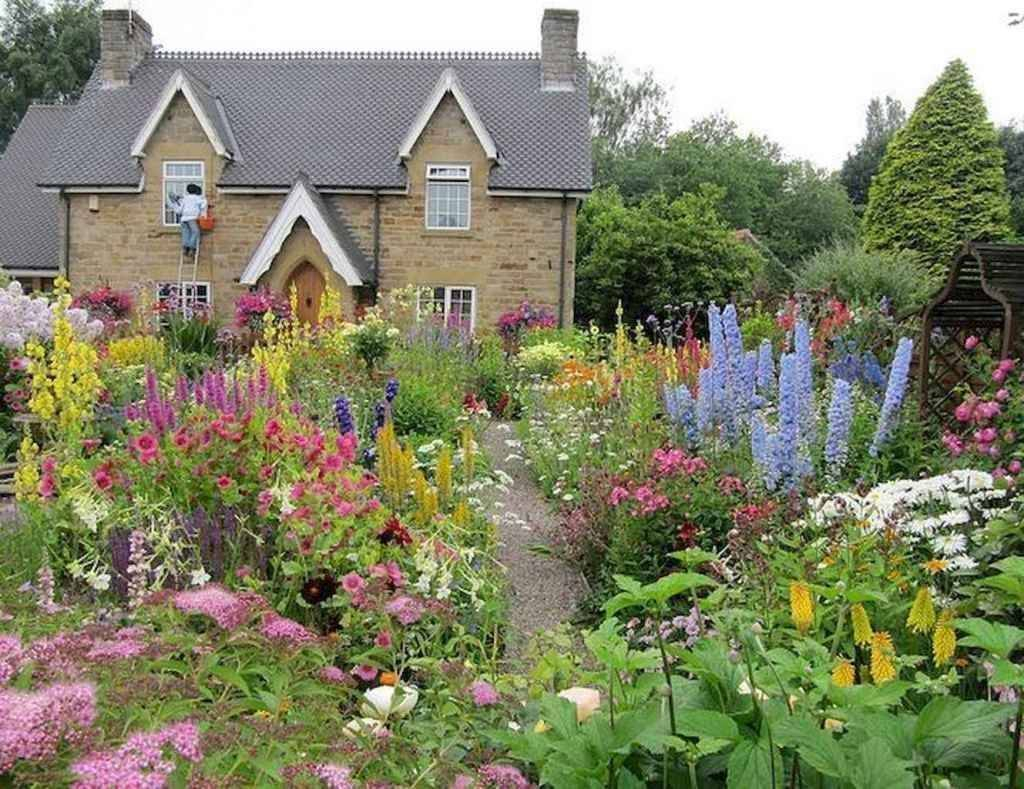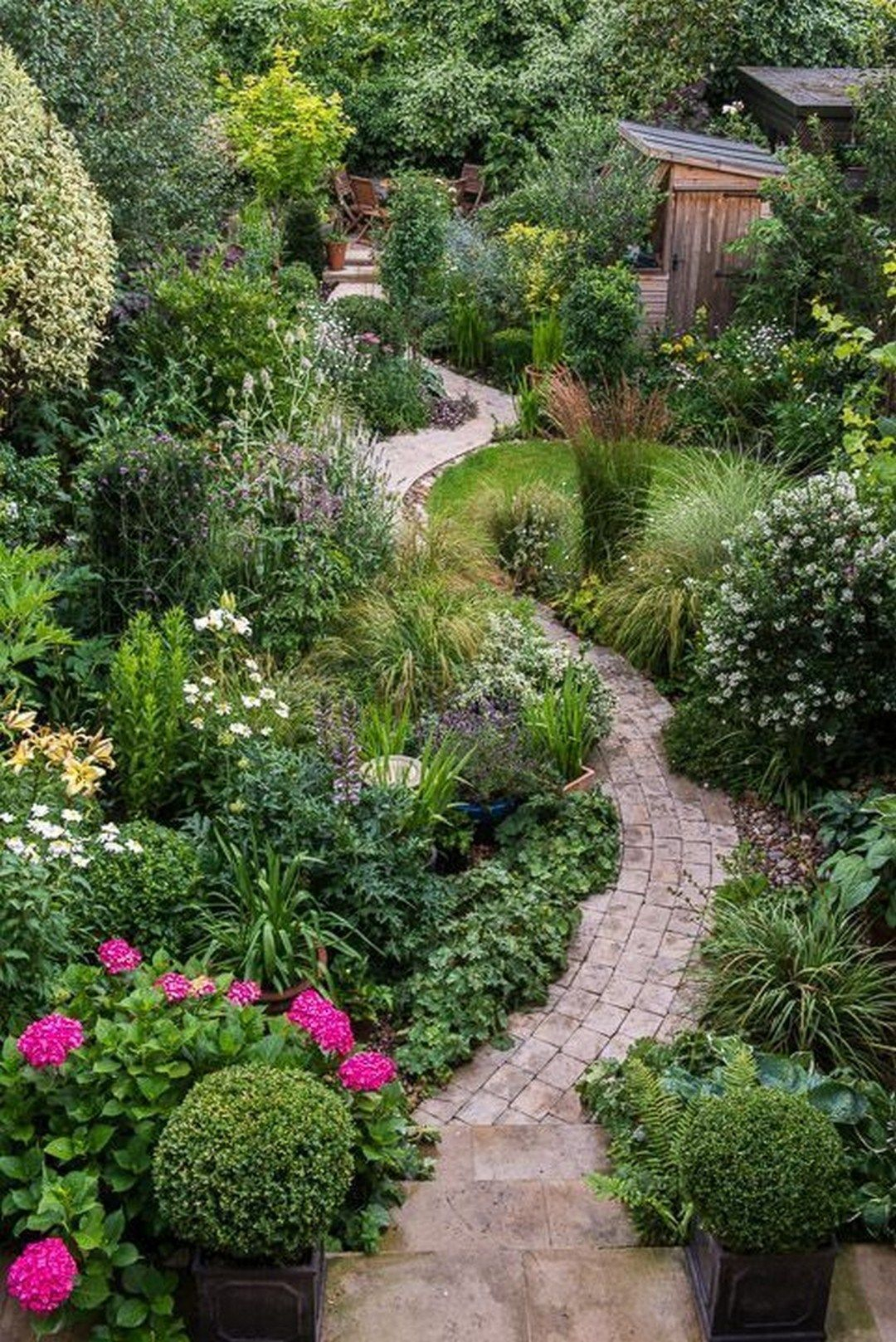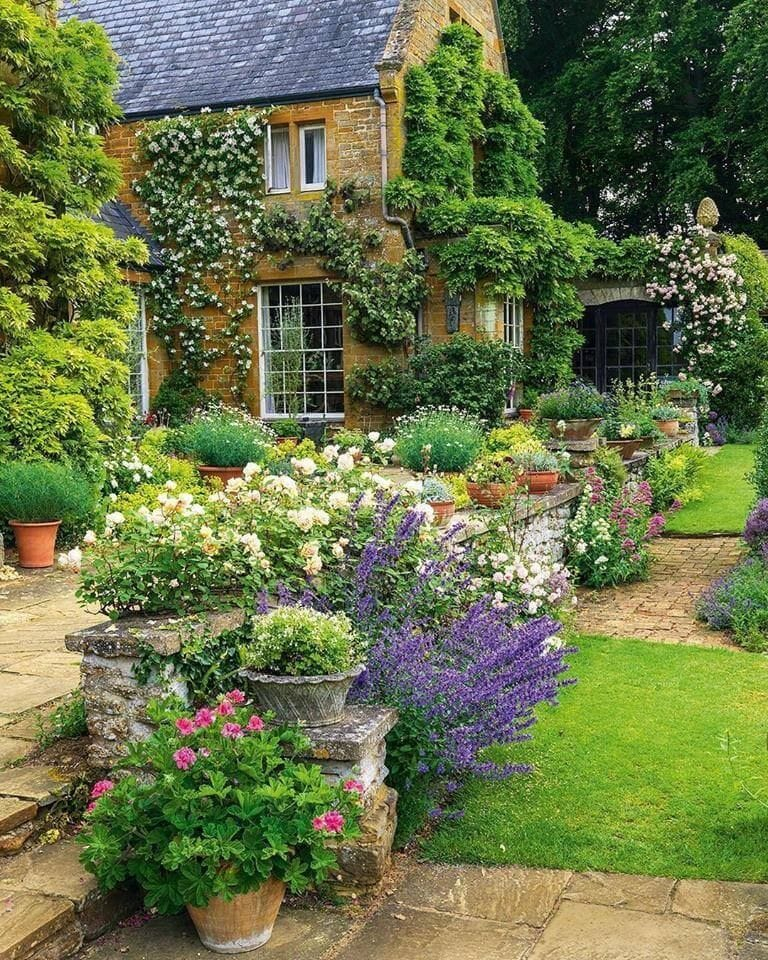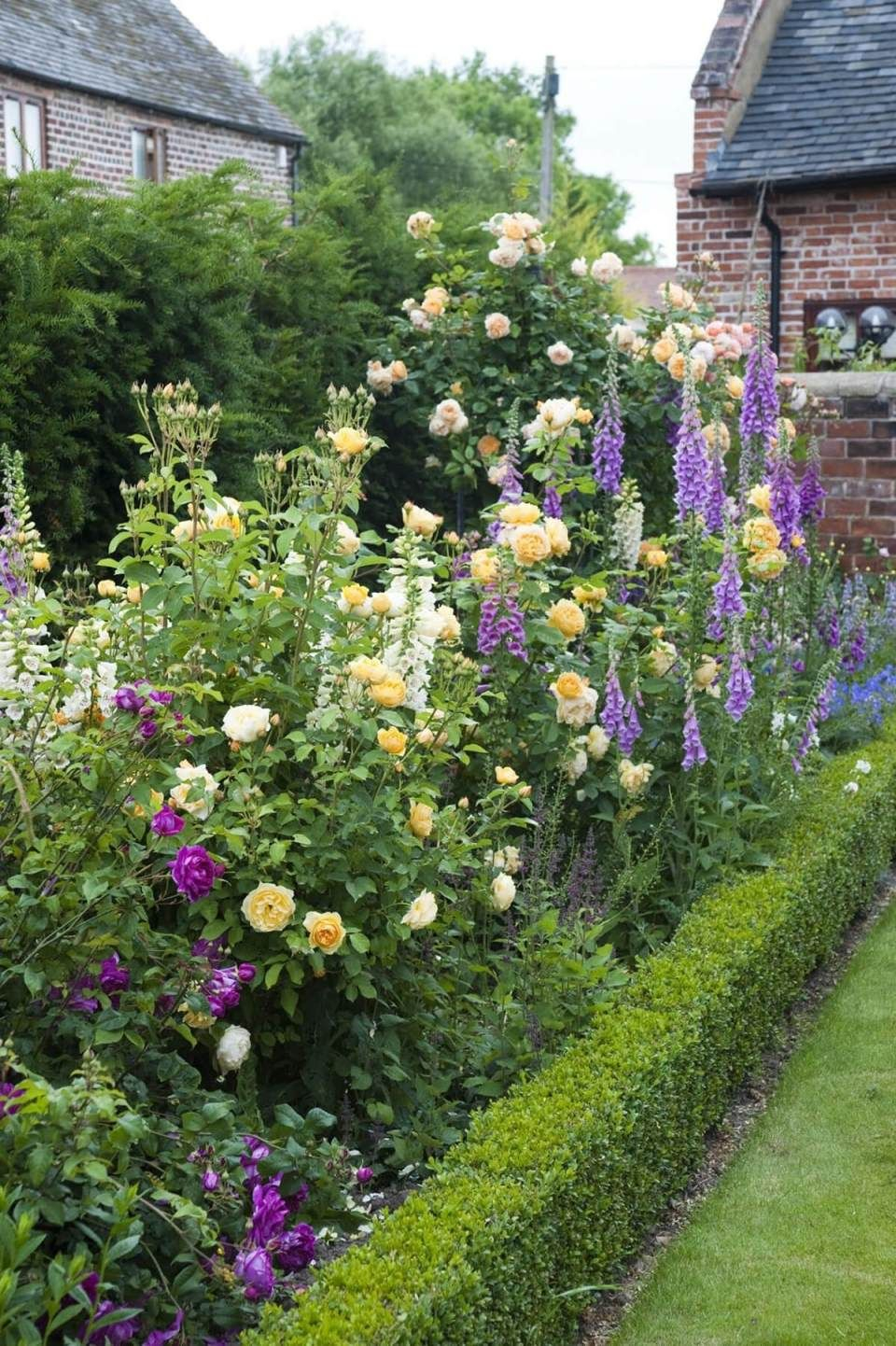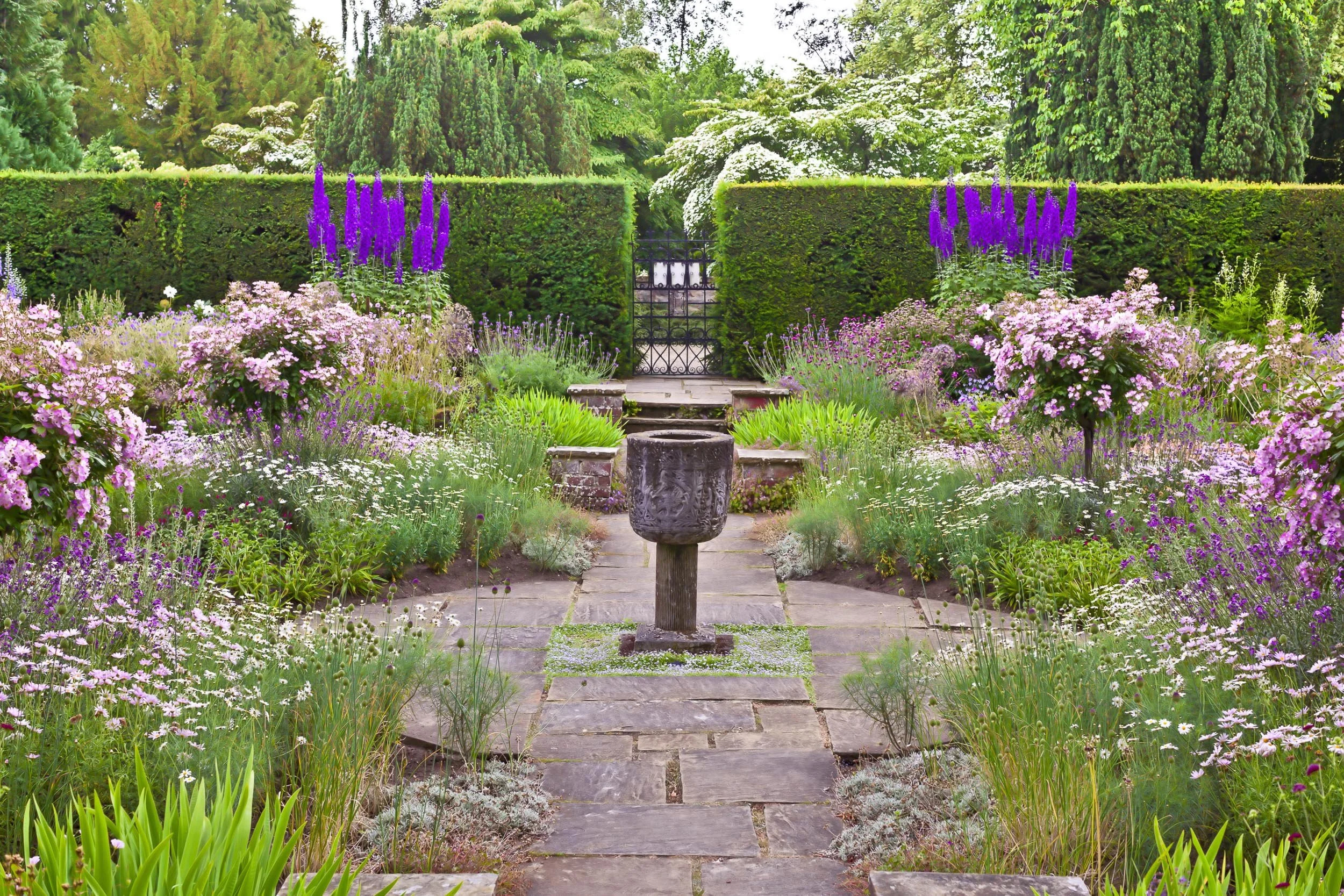

Ever walked past a tiny city terrace and felt like you’d stumbled into a secret world? It’s that sudden hit of lavender scent mixing with the exhaust fumes, or the flash of a crimson rose against a grey brick wall. That’s the magic we’re chasing. In 2026, our cities are louder and faster than ever, but there’s a quiet rebellion happening in backyards from London to New York. People are turning their postage-stamp plots into lush, chaotic oases that feel like they’ve been there for a hundred years.
It’s not just about planting flowers. It’s about attitude. The Victorians knew something we sometimes forget: a garden doesn’t have to be perfect to be beautiful. In fact, it’s better when it’s a bit wild. They loved abundance. They loved color. And they loved creating a sense of escape, even if that escape was just ten feet by twenty feet behind a row house. Today, we’re taking that old-world romance and smashing it up against modern city living. The result? A style that’s resilient, gorgeous, and deeply personal.
So, how do you make it work when you’re dealing with overlooked neighbors, limited light, and soil that’s more rubble than earth? You cheat a little. You layer. You think vertically. And you embrace the mess. This isn’t about recreating a museum piece. It’s about capturing the feeling of a Victorian cottage garden—the nostalgia, the overflow, the joy—and making it fit your life right now. Let’s dig in.
The Art of Controlled Chaos
Let’s get one thing straight: "cottage style" doesn’t mean "no style." It’s a common mistake. You see people throw some seeds on the ground and hope for the best, ending up with what Tom Coward, head gardener at Gravetye Manor, rightly calls a "bloody mess." There is a fine line between naturalistic beauty and actual neglect. The Victorian approach was about balancing order with extravagance. They wanted it to look untamed, but every plant had its place.
In a modern city plot, this balance is even more critical. You don’t have the space for mistakes. Start with structure. You need bones. Maybe it’s a reclaimed brick path that winds slightly off-center (straight lines are too formal, too cold). Maybe it’s a sturdy wooden fence painted in a deep, moody green to recede into the background. These elements provide the canvas. Once you have your hardscaping sorted, you can start the fun part: cramming things in. Rosie Fyles notes that the key is an abundance of plants, with a heavy emphasis on flowers rather than just foliage. Think of it as a symphony. You need different textures and heights playing together.
Don’t be afraid to mix edibles with ornamentals. The Victorians did it all the time. A clump of purple sage next to some bright orange calendula isn’t just pretty; it’s practical. It confuses pests and attracts pollinators. In a small urban space, every plant needs to pull double duty. It should look good, smell good, or taste good. Ideally, all three. This layering creates that "lived-in" feel that makes a garden seem established, even if you only moved in last year. It tricks the eye into seeing depth where there is none.
Vertical Dreams and Hidden Corners
City gardens are often defined by their boundaries. High fences, looming apartment blocks, narrow alleyways. Instead of fighting these limits, use them. Vertical gardening isn’t just a trend; it’s a survival tactic for the urban gardener. But let’s move beyond the basic hanging basket. Think bigger. Think architectural. Diamond-shaped trellises are fantastic for this. They’re easy to install and add instant visual interest without eating up floor space.
Train climbers to soften the hard edges. Clematis, jasmine, or even a vigorous honeysuckle can turn a bleak concrete wall into a fragrant curtain. If you have an unsightly shed or a utility box, don’t hide it with a tarp. Camouflage it with nature. Plant a tall shrub in front, or let a vine scramble over the top. As suggested by recent design tips, covering modern eyesores with DIY trellis work allows you to play with height while keeping the footprint small. It draws the eye upward, making the garden feel larger than it is.
Also, consider the "rooms" within your garden. Even a tiny plot can have zones. Use a large pot of bamboo or a screen of espaliered fruit trees to create a sense of separation. A seating area tucked away in a corner feels much more intimate and secure than one plonked in the middle. This echoes the Victorian love for discovery. They designed gardens to be explored, with hidden benches and secret views. You can do the same on a micro-scale. A mirror placed strategically on a fence can reflect a patch of sky or a blooming bush, doubling the visual impact and adding a touch of theatrical flair.
The Palette of Nostalgia
Color matters. A lot. Victorian gardens were known for their riotous use of color, but they weren’t random. They understood mood. For a city garden, you might want to lean into the romantic, soft end of the spectrum to counteract the harshness of urban life. Think pastels: dusty pinks, soft lilacs, creamy whites, and pale blues. These colors reflect light, which is helpful if your garden is shaded by tall buildings. They create a sense of calm and airiness.
However, don’t shy away from bold accents. A splash of deep red from a David Austin rose or the vibrant purple of salvia can anchor the scene. The trick is repetition. Repeat your key colors throughout the plot to create rhythm. If you have pink roses in the front border, echo that pink with geraniums in a pot near the seat. This ties the space together. It stops it from looking like a collection of unrelated plants and makes it feel like a cohesive design.
Fragrance is equally important. In a city, you’re often competing with traffic noise and smells. Strong scents can mask the unpleasant and transport you elsewhere. Lavender, roses, lilies, and sweet peas are essential. Plant them near where you sit or walk so you brush against them. The sensory experience is what makes the garden feel like a retreat. It’s not just about looking at it; it’s about being immersed in it. When the scent hits you, the city fades away. That’s the goal.
Hardscaping with History
You can have the most beautiful flowers in the world, but if they’re planted in plastic tubs on asphalt, the spell is broken. Materials matter. To get that Victorian charm, you need texture and age. Reclaimed bricks, weathered stone, and aged wood are your friends. They bring history into the space. If you’re laying a path, try to use irregular shapes or lay bricks in a herringbone pattern. It feels more organic and less constructed.
Water features were huge in the Victorian era, symbolizing status and tranquility. You don’t need a grand fountain. A simple stone birdbath or a small, recirculating pond can add the sound of trickling water, which is incredibly soothing in a noisy neighborhood. It also attracts wildlife, bringing a bit of nature’s dynamism into your static plot. Even a small bowl of water for bees and birds makes a difference. It shows you’re thinking about the ecosystem, not just the aesthetics.
Lighting is another crucial element. Victorian gardens were often lit by gas lamps, creating a warm, flickering glow. Today, we can mimic this with solar-powered lights that have a warm white temperature. Avoid harsh, cool white LEDs. They feel clinical. Place lights low down among the plants to highlight textures and cast long, dramatic shadows. String lights draped overhead can create a canopy effect, making the space feel enclosed and cozy at night. It extends the usability of your garden, allowing you to enjoy those summer evenings long after the sun has set.
Plant Selection for the Modern Urbanite
Not every plant thrives in a city. Pollution, heat islands, and wind tunnels can be tough on delicate species. You need tough cookies. Fortunately, many traditional cottage garden plants are surprisingly resilient. Roses, particularly older varieties or robust modern shrubs, handle urban conditions well. Geraniums (the hardy kind, not the tender pelargoniums) are indestructible and spread nicely to fill gaps. Foxgloves, hollyhocks, and lupins add vertical drama and self-seed freely, reducing your workload.
Consider the soil. City soil is often poor, compacted, or contaminated. Raised beds or large containers give you control over what your plants grow in. Mix in plenty of organic matter. Compost is gold. It improves drainage and provides nutrients. If you’re planting in the ground, test your soil first. If it’s heavily contaminated, stick to containers for edibles. Ornamentals are generally more forgiving, but it’s worth being cautious.
Drought tolerance is becoming more important as summers get hotter. Lavender, sedum, and Russian sage are great choices that look good and survive neglect. Mulching is essential too. A thick layer of bark or gravel keeps moisture in and weeds out. It also gives a finished look to the borders. Remember, the goal is abundance, but not at the cost of plant health. Healthy plants fill out better and flower more profusely. Don’t overcrowd them initially; they will grow into each other. Patience is key.
Here’s the secret no one tells you: cottage gardens take work. The "effortless" look requires regular attention. But it’s a different kind of work than maintaining a manicured lawn. It’s less about mowing and more about deadheading, dividing, and tweaking. You’re curating, not controlling. Spend ten minutes each morning walking through your garden with a pair of shears. Snip off faded flowers to encourage more blooms. Pull out any weed that looks out of place.
Dividing perennials is crucial. Plants like delphiniums and phlox get tired after a few years. Dig them up, split them, and replant. It keeps them vigorous and gives you free plants to fill other gaps or share with friends. Sharing plants is very Victorian, by the way. It builds community. Swap cuttings with your neighbors. It’s a nice way to connect in an often anonymous city environment.
Accept that things will die. It happens. A late frost, a dry spell, or a hungry slug can wipe out your prize petunias. Don’t panic. Gap-fill with annuals from the local nursery. This flexibility is part of the charm. The garden changes with the seasons and the years. It’s a living thing. Keep a notebook. Jot down what worked and what didn’t. Over time, you’ll learn the specific quirks of your microclimate. Your garden will become uniquely yours, tailored to your specific slice of the city. And that’s the ultimate luxury.
So, where does this leave us? With a plan. A way to turn a bleak urban box into a sanctuary. It’s not about having a huge budget or a green thumb genius. It’s about intention. It’s about choosing plants that sing together, materials that tell a story, and a layout that invites you to linger. The Victorian spirit was one of optimism and beauty in the face of industrial change. We face our own changes today. Climate stress, digital overload, urban density. A garden is a small act of resistance. It’s a declaration that nature still has a place here.
Start small. Pick one corner. Plant one rose. Add one bench. See how it feels. Let the chaos grow, but guide it. Watch how the light hits the leaves in the late afternoon. Listen to the bees. Breathe. In 2026, more than ever, we need these pockets of peace. They remind us to slow down. To notice the details. To find joy in the dirt under our fingernails. Your city plot might be tiny, but its potential for wonder is endless. Go on then. Get planting.