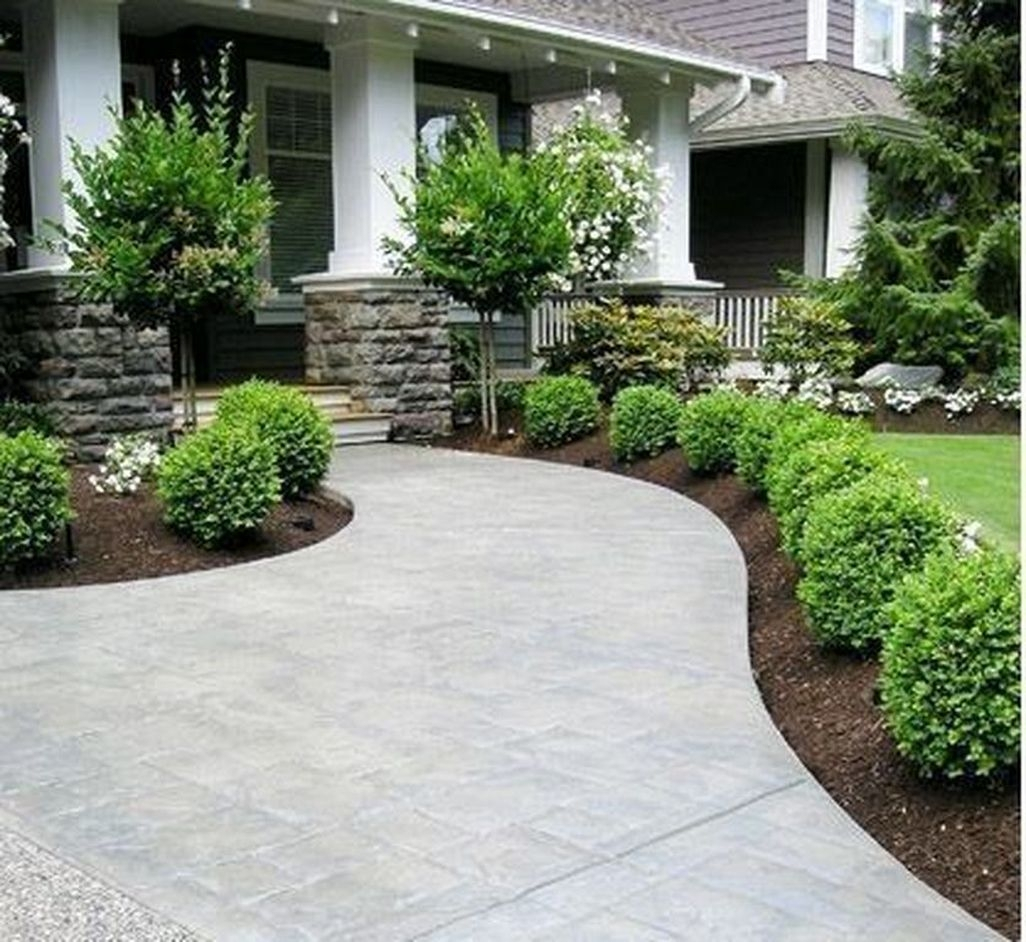

Life gets busy. Really busy. You wake up, check your phone, and suddenly it’s Friday again. The grass is long. The weeds are winning. And that pot of basil you bought with such high hopes in March? It’s a brown, crispy memory. We’ve all been there. In 2026, the pressure to have a "perfect" Instagram-ready yard feels heavier than ever, yet our time to maintain it has shrunk to almost nothing. But here’s the secret nobody tells you: a garden doesn’t need to be high-maintenance to be high-impact. In fact, some of the most stunning landscapes are the ones that have been left alone to do their thing.
Designing a garden that thrives on neglect isn’t about giving up. It’s about working smarter, not harder. It’s about choosing plants that want to be there, using materials that age gracefully, and letting go of the idea that nature needs to be controlled every single day. This approach, often called "rewilding" or "low-input gardening," has moved from a niche trend to a mainstream necessity. With water restrictions tightening in many regions and the cost of landscaping supplies rising, the lazy garden is actually the smart garden. It saves money, saves water, and saves your sanity. So, let’s ditch the guilt and build a space that loves you back, even when you’re too tired to pick up a trowel.
Rethinking the Lawn: The Green Carpet Trap
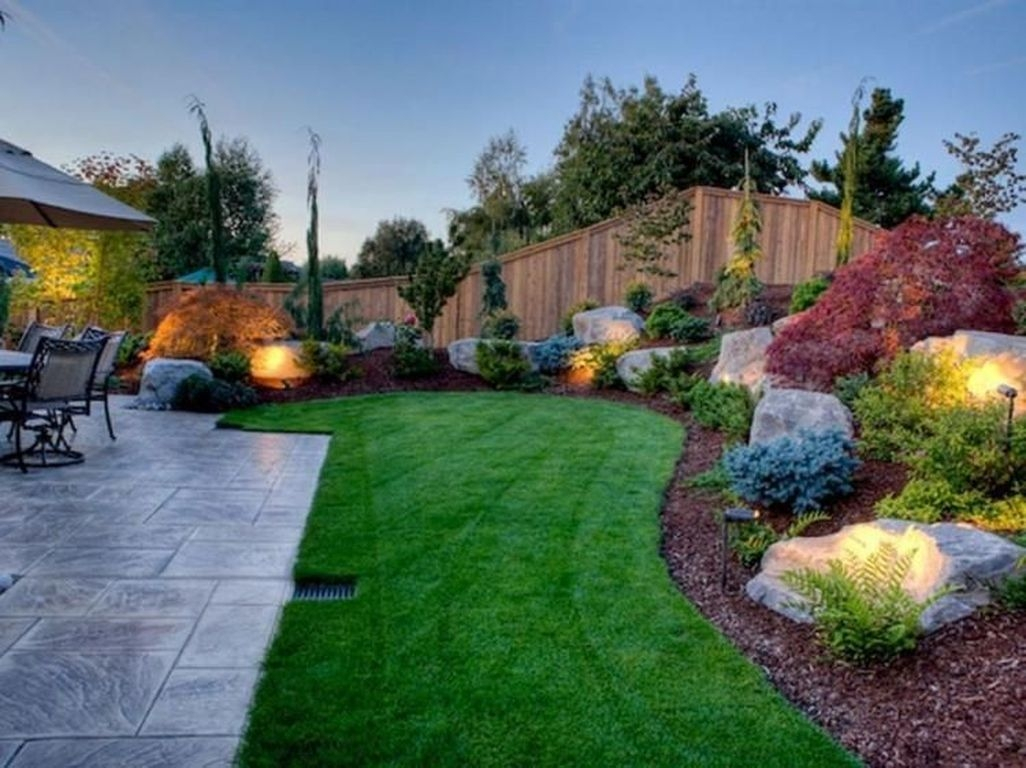
Let’s address the elephant in the yard: the lawn. For decades, the manicured green square was the symbol of a good homeowner. But in 2026, that symbol is cracking. Traditional turf grass is thirsty, hungry, and demanding. It needs weekly mowing, regular fertilizing, and gallons of water just to stay green during a heatwave. If you’re looking for a garden that thrives on neglect, the first step is often to reduce or eliminate the traditional lawn. It’s the biggest time-suck in any landscape. You don’t have to pave over everything, though. There are better options.
Consider replacing large swathes of grass with ground covers that actually want to grow where you live. Creeping thyme, clover, or native sedges can create a soft, green carpet that handles foot traffic but doesn’t scream for attention. Clover, for instance, fixes its own nitrogen, meaning it feeds itself. No fertilizer needed. It stays green longer in droughts and flowers early, which bees absolutely love. Or, go for a "meadow" look. Planting native ornamental grasses and wildflowers in clusters creates movement and texture. These plants have deep root systems that seek out their own water. Once established, you might only need to mow or trim them once or twice a year. It’s a huge shift in mindset, from fighting nature to collaborating with it.
If you can’t part with the idea of a play area for kids or dogs, keep the lawn small. Define it clearly. Use it as a room in your outdoor house, not the whole building. Surround this smaller patch with hardscaping or planting beds that require zero mowing. This reduces the edge work, which is often the most tedious part of lawn care. By shrinking the high-maintenance zone, you free up energy for the parts of the garden that bring you joy, rather than the parts that just drain your weekend. It’s about intentionality. Why spend hours pushing a mower when you could be sitting in the shade, watching the butterflies visit the clover?
Hardscaping: The Bones That Last
Plants come and go. They get sick. They die. They grow too big. But rocks? Stones? Pavers? They stick around. When designing for neglect, hardscaping is your best friend. It provides structure and visual interest without needing a drop of water or a minute of pruning. In 2026, the trend is moving away from perfectly uniform, sterile patios toward more natural, permeable surfaces. Think gravel paths, irregular flagstone, or reclaimed brick. These materials age beautifully. A little moss growing between the stones isn’t a flaw; it’s a feature. It adds character and a sense of history.
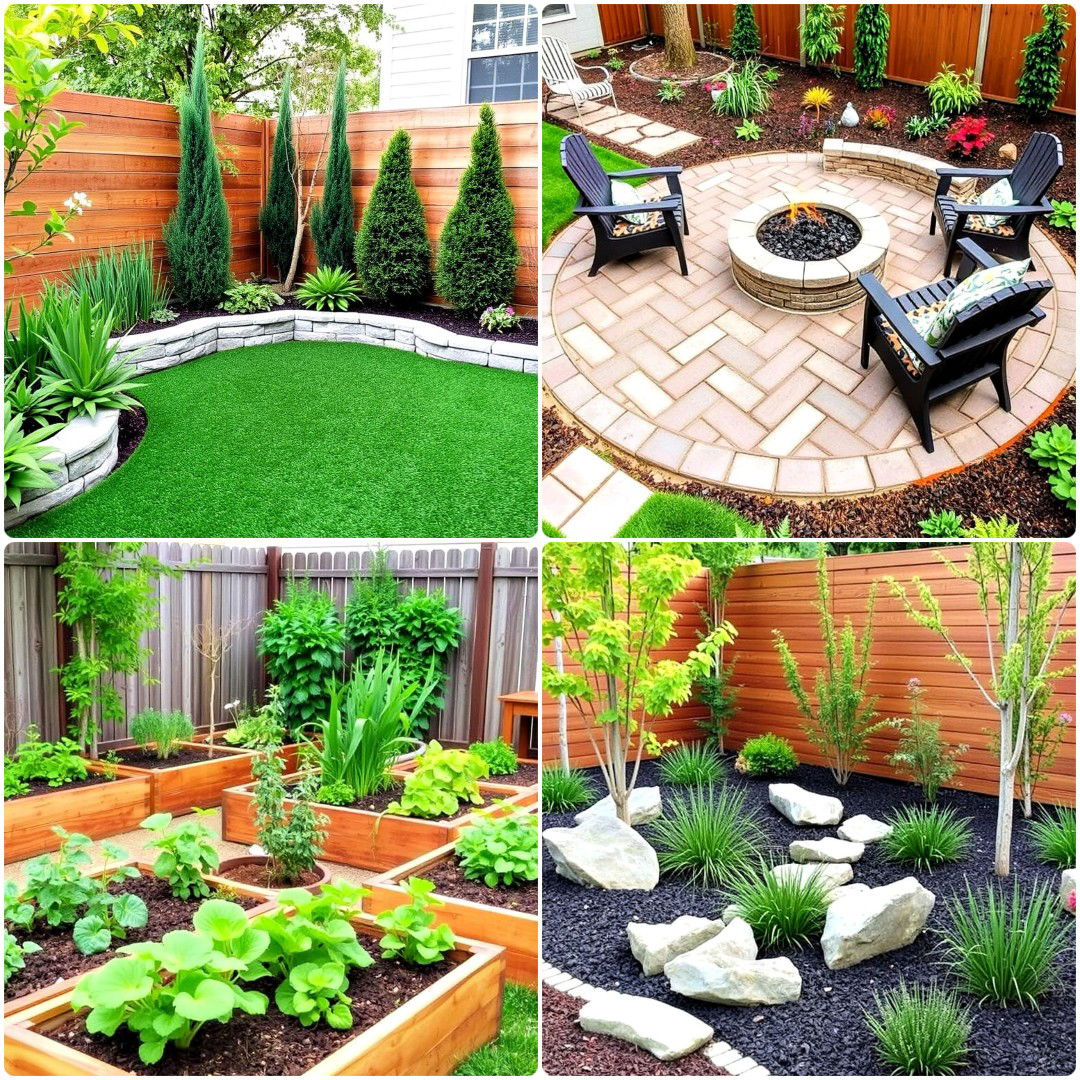
Gravel gardens, in particular, have surged in popularity. They drain well, suppress weeds (if you use a good landscape fabric underneath), and reflect heat, which can help warm-loving plants thrive. You can plant drought-tolerant perennials directly into the gravel, creating a striking, modern look that feels very Mediterranean or desert-inspired. The key is to choose local stone if possible. It grounds the garden in its place and reduces the carbon footprint of transport. Plus, local stone tends to blend seamlessly with the surrounding environment, making the garden feel like an extension of the landscape rather than an imposition on it.
Don’t forget vertical spaces. Walls, fences, and trellises can support climbing plants that provide shade and privacy without taking up ground space. A sturdy wooden or metal trellis with a vigorous climber like clematis or jasmine can transform a bare wall into a living tapestry. Once these climbers are established, they largely take care of themselves. You might need to guide them occasionally, but they won’t demand daily attention. Hardscaping also defines zones. It tells the eye where to look and creates a sense of order, even if the planting around it is loose and wild. It’s the skeleton that holds the flesh together. Without good bones, a neglected garden just looks messy. With good bones, it looks intentional.
Choosing Plants That Fight for Themselves
The golden rule of the low-maintenance garden is simple: right plant, right place. This sounds obvious, but it’s where most people go wrong. They buy a plant because it looks pretty in the nursery, not because it suits their soil, light, or climate. In 2026, with climate patterns shifting, this is more critical than ever. You need plants that are resilient. You need survivors. Look for native species first. Natives have evolved over thousands of years to handle your local weather, pests, and soil conditions. They don’t need coddling. They know what to do.
If natives aren’t available or you want more variety, look for plants labeled as "drought-tolerant," "deer-resistant," or "low-water." Succulents and sedums are classic choices. They store water in their leaves, so they can go weeks without rain. Ornamental grasses like fescue or feather reed grass add height and movement, swaying in the wind like a dance. They turn golden in the fall and look great even in winter, providing structure when everything else has died back. Perennials like coneflower, black-eyed Susan, and yarrow are tough cookies. They bloom for months, attract pollinators, and bounce back from neglect like champs.
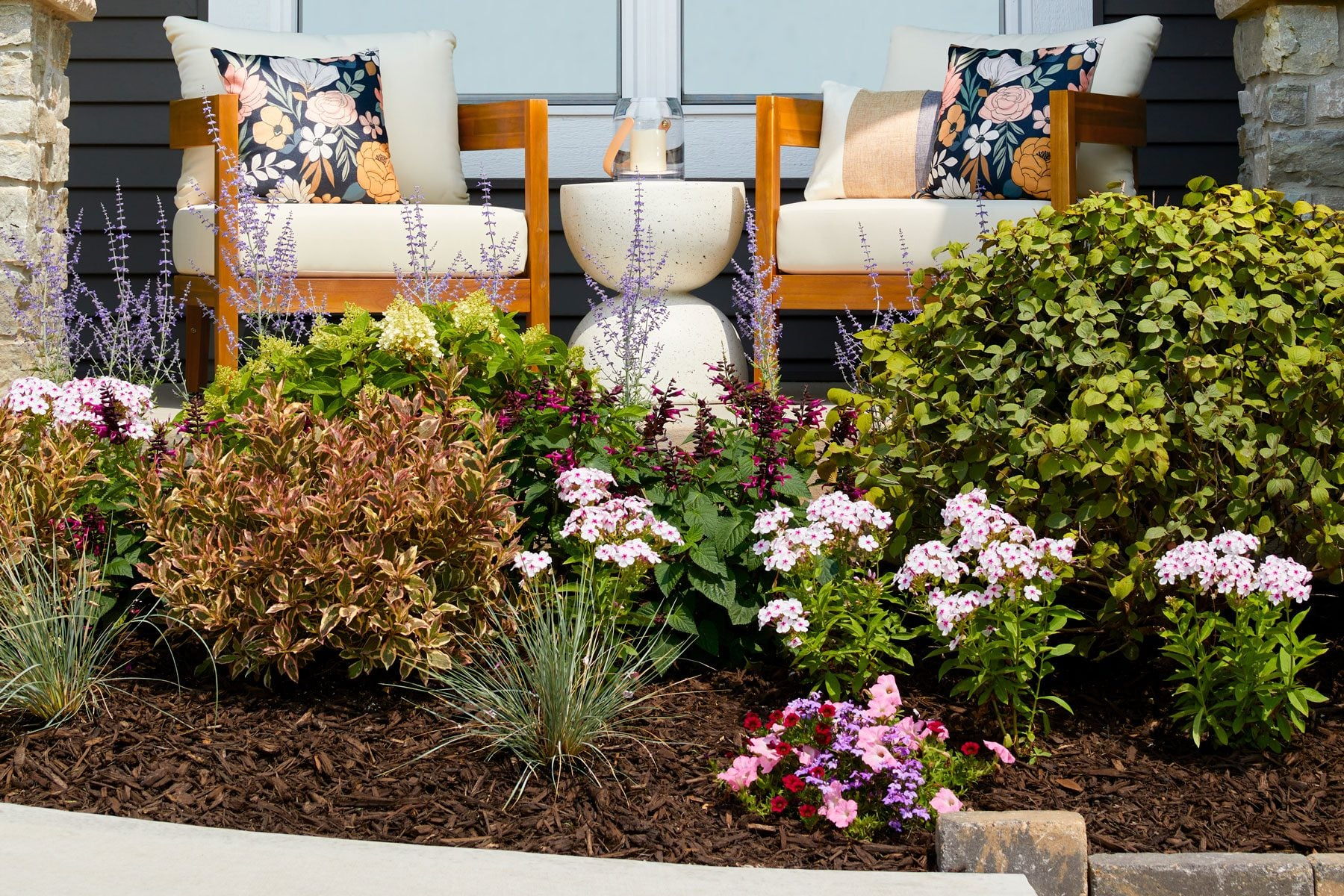
Avoid annuals if you’re aiming for true neglect. Annuals live for one season and then die. They often need deadheading, frequent watering, and replanting every year. It’s a cycle of constant work. Instead, focus on perennials, shrubs, and trees. These plants invest energy in their roots, becoming stronger and more self-sufficient each year. A well-chosen shrub can provide year-round interest—flowers in spring, berries in summer, foliage color in fall, and structure in winter. It’s a four-season performer that asks for almost nothing in return. Group plants with similar needs together. Don’t put a thirsty fern next to a cactus. Keep the drinkers with the drinkers and the dry-lovers with the dry-lovers. This makes irrigation simpler and prevents one plant from suffering because of its neighbor’s needs.
The Magic of Mulch and Soil Health
Healthy soil is the engine of a low-maintenance garden. If your soil is rich in organic matter and teeming with life, your plants will be healthier, more resistant to pests, and better able to find their own water. But how do you get healthy soil without spending every weekend digging and amending? The answer is mulch. Mulch is the unsung hero of the lazy gardener. It suppresses weeds, retains moisture, regulates soil temperature, and slowly breaks down to feed the soil. It’s a multi-tasker that works while you sleep.
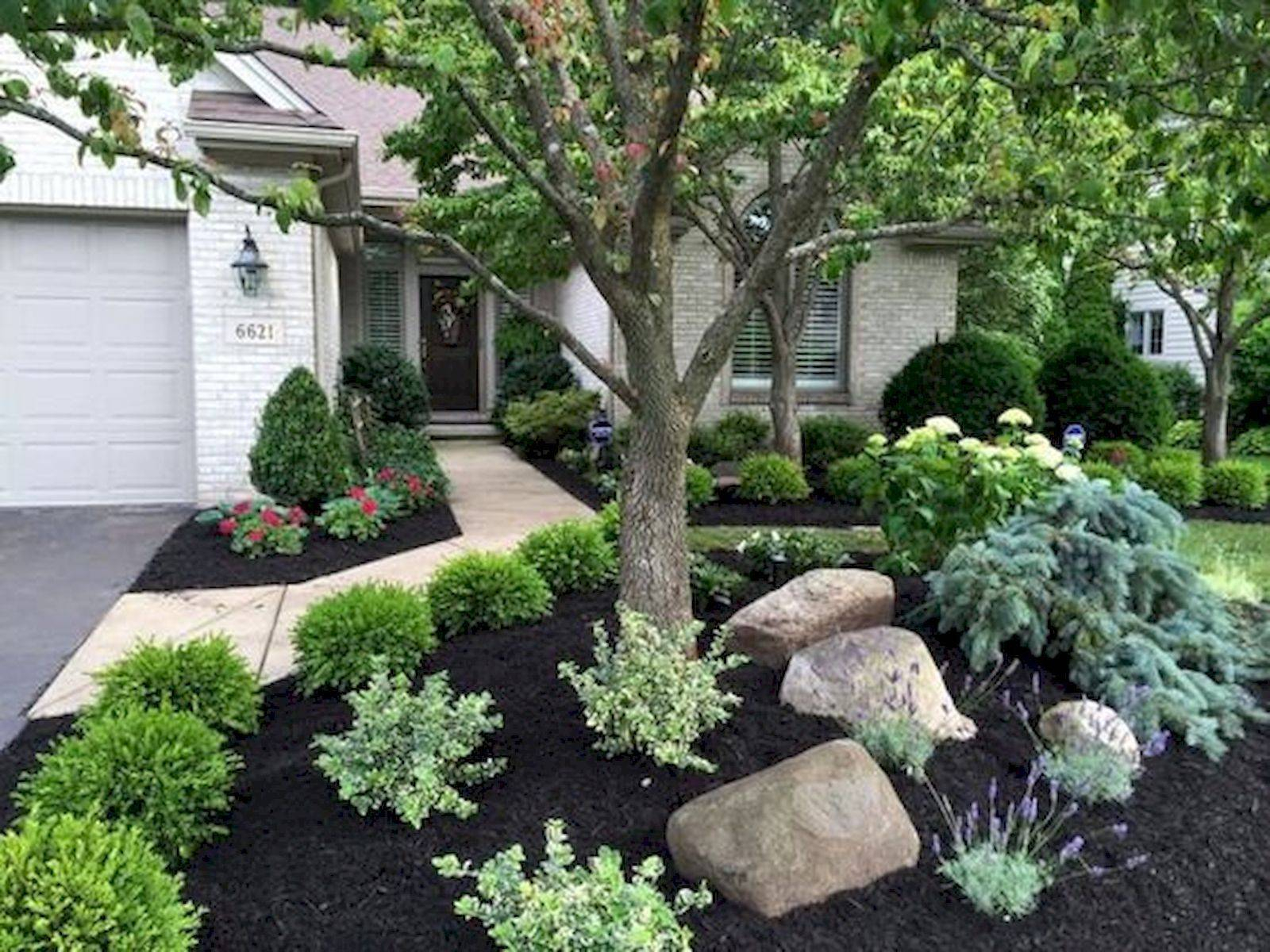
In 2026, the choice of mulch matters. Avoid dyed red or black mulches, which often contain chemicals and look artificial. Go for natural wood chips, shredded bark, leaf mold, or even straw. Wood chips from local arborists are often free and excellent for tree and shrub beds. Leaf mold, made from decomposed leaves, is fantastic for flower beds. It’s lightweight, easy to spread, and loved by earthworms. Apply a thick layer—two to three inches—at the start of the season. This blocks sunlight from reaching weed seeds, preventing them from germinating. Fewer weeds mean less pulling. It’s that simple.
Don’t till your soil. Tilling disrupts the soil structure, kills beneficial fungi and bacteria, and brings weed seeds to the surface. Instead, practice "no-dig" gardening. Add compost and mulch on top of the soil and let nature do the mixing. Earthworms and other soil organisms will pull the nutrients down where the roots need them. This builds a resilient soil ecosystem that can withstand drought and heavy rain better than compacted, tilled soil. It’s a slower process, but it pays off in the long run. Your plants will have deeper, healthier roots, and you’ll have far less work to do. Remember, a covered soil is a happy soil. Bare soil is an invitation for weeds and erosion. Keep it covered, and you’ll keep your sanity.
Water Wisdom: Set It and Forget It
Watering is one of the most time-consuming tasks in the garden. But it doesn’t have to be. The goal in a neglect-friendly garden is to eliminate hand-watering entirely. How? By designing for efficiency. Start with drip irrigation. Unlike sprinklers, which spray water into the air where it evaporates or blows away, drip systems deliver water slowly and directly to the root zone. This is more efficient, uses less water, and keeps foliage dry, which reduces disease. Install a timer on your spigot. Set it to water early in the morning, once or twice a week, depending on your climate and soil. Then, forget about it.
Rainwater harvesting is another key strategy. In many places in 2026, water bills are high, and restrictions are common. Collecting rainwater from your roof in barrels or cisterns gives you a free, chemical-free water source. You can connect these barrels to your drip system or use them for occasional hand-watering of container plants. Even a simple rain barrel can make a difference. It slows down runoff, reduces erosion, and provides a buffer during dry spells. Plus, plants prefer rainwater to tap water, which often contains chlorine and other additives.
Grouping plants by water needs, known as hydrozoning, is crucial. Put your thirstiest plants near the house or water source, and your drought-tolerant plants further away. This ensures that you’re not overwatering plants that don’t need it or underwatering those that do. Once your plants are established—which usually takes one to two seasons—they should need little to no supplemental water, except in extreme drought. Choose plants that are adapted to your average rainfall, not your wettest or driest year. This builds resilience. A garden that relies on constant human intervention is fragile. A garden that relies on smart design and resilient plants is robust. It can weather the storms, literal and figurative.
Finally, you have to change your mindset. A garden that thrives on neglect will not look like a botanical illustration. It will be a bit messy. Leaves will fall. Seeds will drop. Plants will self-sow in unexpected places. And that’s okay. In fact, it’s better than okay. It’s alive. In 2026, there’s a growing appreciation for the "wild" aesthetic. People are realizing that perfection is boring. Nature is interesting. It’s dynamic. It changes. Embrace the chaos. Let your plants go to seed. The dried heads of coneflowers and sunflowers provide food for birds in winter and add sculptural interest to the garden. Leave the leaves in the fall. They provide habitat for butterflies and other beneficial insects.
This approach is not just about aesthetics; it’s about ecology. A slightly untidy garden is a haven for biodiversity. Bees, butterflies, birds, and beetles all need places to hide, nest, and feed. By leaving some areas wild, you’re contributing to the health of your local ecosystem. It’s a small act with a big impact. You’re creating a sanctuary. And there’s a deep psychological benefit to this, too. Watching nature do its thing is calming. It reminds us that we’re part of a larger system. We don’t have to control everything. We can just observe and appreciate.
So, let go of the urge to tidy up every last twig. Leave some bare patches for ground-nesting bees. Let a patch of nettles grow in a corner for caterpillars. Allow your garden to be a bit unruly. You’ll find that it becomes more vibrant, more colorful, and more alive. And you’ll have more time to sit and enjoy it. That’s the ultimate goal, isn’t it? Not to have a garden that looks good in a magazine, but to have a garden that feels good to be in. A garden that supports life, including your own. A garden that thrives on neglect is a garden that gives you freedom. And in 2026, freedom is the most precious resource of all.
The journey to a low-maintenance garden starts with a single step. Maybe it’s replacing a patch of lawn with clover. Maybe it’s adding a layer of mulch. Or maybe it’s just deciding to leave the leaves this fall. Small changes add up. Over time, your garden will become more resilient, more beautiful, and much easier to care for. You’ll spend less time working and more time living. And isn’t that what a home should be? A place of rest, not a second job. So take a breath. Look at your yard. See the potential. And let it be wild.