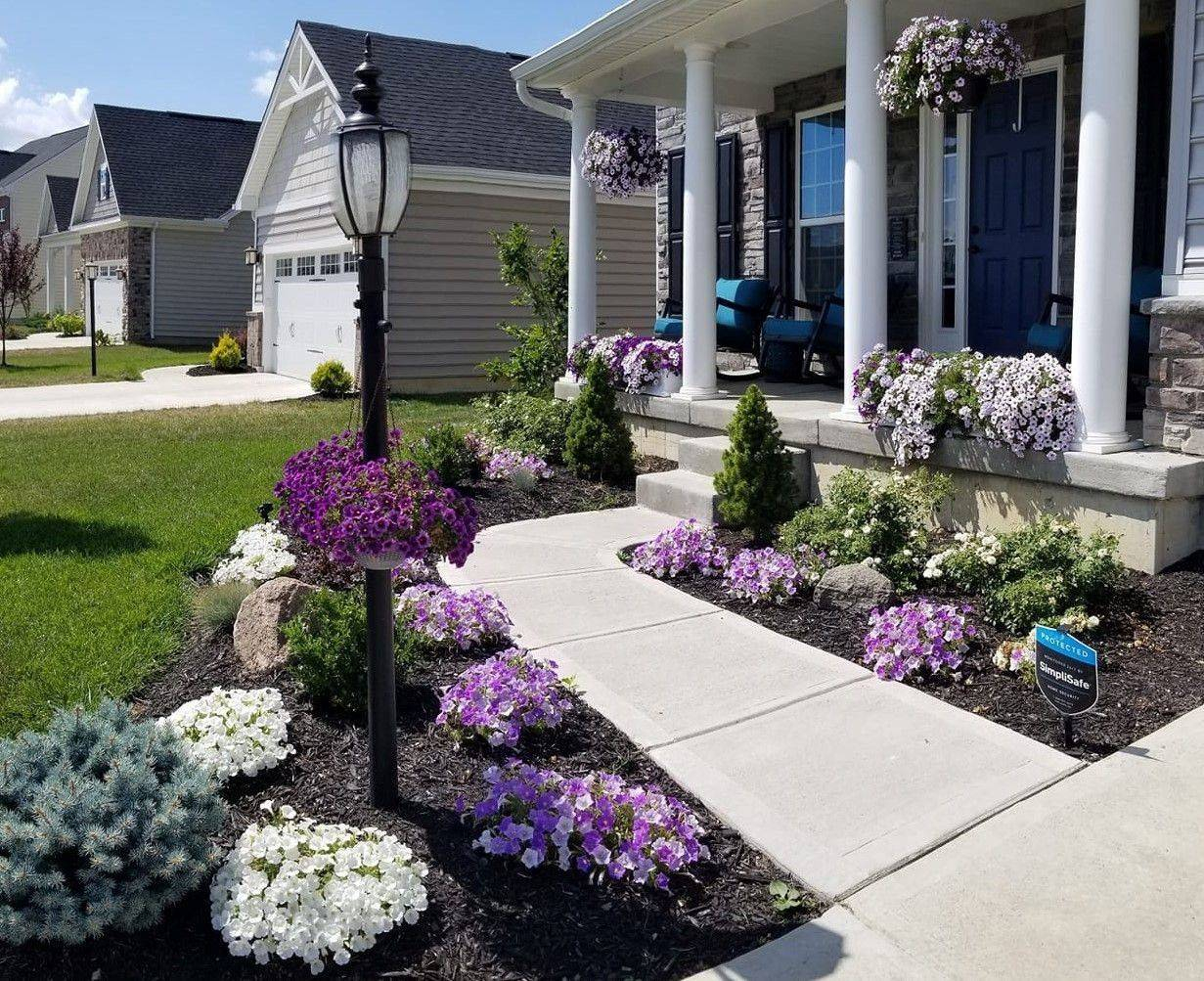

Ever walked past a condo complex that felt more like a prison yard than a home? You know the type. Gray concrete, maybe a sad, patchy bit of grass that nobody waters, and a silence that feels heavy rather than peaceful. It’s depressing, isn’t it? Now, imagine turning that corner and being hit with the scent of lavender, the soft rustle of ornamental grasses, and the sight of neighbors chatting on a bench tucked under a flowering tree. That shift? It’s not magic. It’s design. Specifically, it’s the power of tailored landscaping.
In 2026, we aren’t just talking about planting a few petunias in a pot anymore. The approach to condo exteriors has shifted dramatically. It’s no longer an afterthought or a box to check for the HOA. It’s become a central pillar of community health, property value, and even mental wellness. We’ve moved past the era of "one size fits all" suburban sprawl aesthetics. Today, it’s about creating spaces that fit the specific soul of the building and the people living inside it. Whether it’s a high-rise in the city center or a low-rise cluster in the suburbs, the exterior is the first handshake your home offers the world. And frankly, most of us are tired of limp handshakes.
So, why does this matter to you? Maybe you’re on the board. Maybe you’re a property manager trying to keep residents from moving out. Or maybe you’re just someone who wants to enjoy their morning coffee without staring at a cracked sidewalk. The truth is, good landscaping changes how we feel. It turns a place where you sleep into a place where you live. Let’s dig into how we can make that happen, one plant and one planter at a time.
Navigating the Red Tape and Rules
Let’s be real for a second. The biggest hurdle in condo landscaping isn’t usually the soil quality or the sunlight. It’s the rules. Condominiums are unique beasts because they involve shared ownership. You can’t just go out and plant a oak tree because you like acorns. There are bylaws, covenants, and often, a very strict architectural review committee. In early 2024, industry experts noted that understanding these constraints is actually the first step to freedom, not a barrier to it. When you work within the framework, you avoid costly mistakes and ripped-out plants later on.
Think of the rules as the guardrails, not the cage. Most associations have guidelines about height restrictions, root systems that might damage foundations, and water usage. For instance, many complexes in drought-prone areas now mandate native, drought-resistant plants. This isn’t just bureaucracy; it’s smart sustainability. By aligning your design vision with these existing rules, you streamline the approval process. It’s about collaboration. Engage with your board early. Show them examples. Explain how a proposed trellis or a specific type of turf grass meets their criteria for low maintenance and high aesthetic appeal.
Also, consider the long-term maintenance implications. A design might look stunning in a rendering, but if it requires three hours of pruning a week, the association will hate it. The sweet spot is finding designs that are visually striking but operationally simple. This is where professional input helps. They know which plants thrive locally and which ones are high-maintenance divas. By respecting the communal nature of the space, you create a landscape that everyone can enjoy without resentment building up over who has to mow the lawn.
The Power of Native and Sustainable Choices
Sustainability isn’t a buzzword anymore; it’s a necessity. In 2026, the push for eco-friendly landscaping is stronger than ever. But here’s the thing: sustainable doesn’t mean boring. It means working with nature instead of fighting it. Incorporating native plants is one of the most effective ways to achieve this. Native species are adapted to your local climate, meaning they need less water, fewer fertilizers, and zero pesticides. They support local pollinators too, bringing butterflies and bees into your urban or suburban oasis. It’s a small way to heal the environment, right outside your front door.
Water efficiency is another huge piece of the puzzle. Traditional sprinkler systems waste a ton of water through evaporation and runoff. Modern tailored designs often include drip irrigation systems that deliver water directly to the roots. Some newer complexes are even integrating rain gardens—shallow depressions planted with deep-rooted natives that capture and filter rainwater runoff from roofs and driveways. These features not only reduce water bills but also prevent erosion and flooding issues. It’s functional beauty.
Beyond the practical benefits, there’s a sense of pride that comes with a green, responsible community. Residents feel good knowing their home contributes positively to the ecosystem. It fosters a sense of unity. When people see birds returning to the area or notice the garden blooming despite a dry summer, it creates a shared narrative of resilience. Plus, from a financial standpoint, lower water and maintenance costs mean lower HOA fees or more budget for other community improvements. It’s a win-win that looks great and feels even better.
Creating Privacy in Shared Spaces
One of the toughest challenges in condo living is the lack of privacy. You’re close to your neighbors. Literally. Sometimes, you can hear them sneeze. Tailored landscaping offers a soft, natural solution to this problem. Instead of building tall, imposing fences that can make a space feel cramped and institutional, designers use layers of vegetation to create "green walls." Mixing different plant textures and colors adds depth, making the space feel larger while simultaneously blocking sightlines. It’s about creating seclusion without isolation.
Consider using tall ornamental grasses, bamboo (in containers to control spread), or dense shrubs like arborvitae. These can be strategically placed around patios, balconies, or ground-floor units to create intimate nooks. Trellises with climbing vines like jasmine or clematis are another fantastic option. They grow quickly, provide a beautiful visual screen, and often add a lovely fragrance to the air. The key is variation. Don’t just plant a single row of identical bushes. Layer shorter plants in front of taller ones. Use pots of varying heights. This creates a dynamic, organic look that feels curated rather than constructed.
This sense of privacy transforms how residents use their outdoor spaces. When people feel secluded, they relax. They read books, they meditate, they have quiet conversations. It turns a generic outdoor area into a personal retreat. For those with small balconies, vertical gardening is a game-changer. Hanging planters and wall-mounted pockets allow for greenery without sacrificing floor space. It’s about maximizing every inch to create a buffer between you and the world. In a crowded world, that little bit of breathing room is priceless.
Maximizing Small and Compact Areas
Not every condo has a sprawling backyard. In fact, most don’t. Compact outdoor areas require a different mindset. You can’t just throw things in and hope for the best. Every element needs to pull double duty. In recent years, we’ve seen a surge in multi-functional design for small spaces. A bench isn’t just a seat; it’s storage for cushions. A planter isn’t just for flowers; it’s a room divider. This ingenuity is crucial for making small spaces feel abundant rather than cramped.
Potted plants are your best friends here. They offer flexibility. You can move them around to catch the sun or create a new layout for a party. Dwarf trees and shrubs are perfect for adding height and structure without overwhelming the space. Think Japanese maples or dwarf conifers. They provide a focal point and a sense of permanence. Turf grass, or even high-quality artificial turf, can add a splash of green that feels soft underfoot, making a small patio feel like a mini-lawn. It’s psychological trickery, but it works.
Lighting plays a massive role in small spaces too. String lights, solar path lights, and uplighting can make a tiny courtyard feel magical at night. It draws the eye upward and outward, expanding the perceived boundaries of the space. Mirrors can also be used strategically to reflect light and greenery, doubling the visual impact. The goal is to create a journey, even if that journey is just ten feet long. Make every step interesting. Use color pops, varied textures, and thoughtful placement to guide the eye. Small spaces can be incredibly cozy and inviting if you treat them with care and intention.
Boosting Value and Community Connection
Let’s talk money. Because eventually, everything comes back to value. Well-designed landscaping is one of the highest ROI improvements a condo complex can make. It boosts curb appeal instantly. First impressions matter, whether you’re trying to sell a unit or attract new renters. A lush, well-maintained exterior signals that the property is cared for, that the management is competent, and that the community is stable. In 2025, reports highlighted that properties with superior landscaping often command higher prices and sell faster than their drabber counterparts.
But it’s not just about resale value. It’s about resident satisfaction. People want to live somewhere they’re proud of. When the exterior is beautiful, residents take more pride in their individual units. It reduces turnover. Happy residents stay longer. This stability is gold for property managers and boards. Furthermore, shared outdoor spaces foster community. A well-designed courtyard with seating areas encourages interaction. Neighbors meet. Kids play. Friendships form. This social cohesion is intangible but invaluable. It turns a collection of strangers into a neighborhood.
Investing in landscaping is investing in the social fabric of the building. It provides a neutral ground for connection. In an increasingly digital and isolated world, having a physical space to connect is vital. Events like community garden days or outdoor movie nights become possible. These shared experiences build trust and cooperation among residents. It makes dealing with other condo issues easier because people know each other. They’re not just unit numbers; they’re friends. That’s the true value of a transformed exterior. It builds a home, not just a housing unit.
Here’s the hard truth: a beautiful landscape is only beautiful if it’s maintained. The most common failure in condo landscaping isn’t bad design; it’s neglect. A tailored design must include a realistic maintenance plan. This means choosing plants that match the available labor and budget. If you can’t afford a full-time gardener, don’t plant a rose garden. Opt for succulents, ornamental grasses, and native perennials that thrive on neglect. Low-maintenance doesn’t mean low-impact. It means smart choices.
Irrigation systems need regular checks. Leaks waste water and kill plants. Mulch needs replenishing to retain moisture and suppress weeds. Pruning should be done seasonally to keep shapes crisp and healthy. It’s helpful to create a seasonal calendar for the HOA or management company. Spring cleanup, summer watering checks, fall leaf removal, winter protection. Having a schedule ensures nothing falls through the cracks. Technology can help here too. Smart irrigation controllers adjust watering based on weather forecasts, saving money and preventing overwatering.
Engaging residents in the process can also help. While you shouldn’t expect residents to do the heavy lifting, small initiatives like a "adopt a planter" program can foster ownership and care. Provide clear guidelines on what they can and can’t do. Education is key. When people understand why certain practices are important, they’re more likely to respect them. Ultimately, consistency is king. Regular, small efforts yield better results than occasional, massive overhauls. Keep it simple, keep it consistent, and your landscape will thrive for years to come.
Transforming condo exteriors with tailored landscaping is more than just a cosmetic upgrade. It’s a holistic approach to improving quality of life. It balances beauty with function, privacy with community, and sustainability with value. By navigating rules wisely, choosing native plants, creating private nooks, maximizing small spaces, and committing to maintenance, any condo complex can become a verdant retreat. It’s about seeing the potential in the concrete and nurturing it into something alive. So, look around your complex. What do you see? And more importantly, what could it be? The tools are there. The knowledge is available. All that’s left is to start digging.