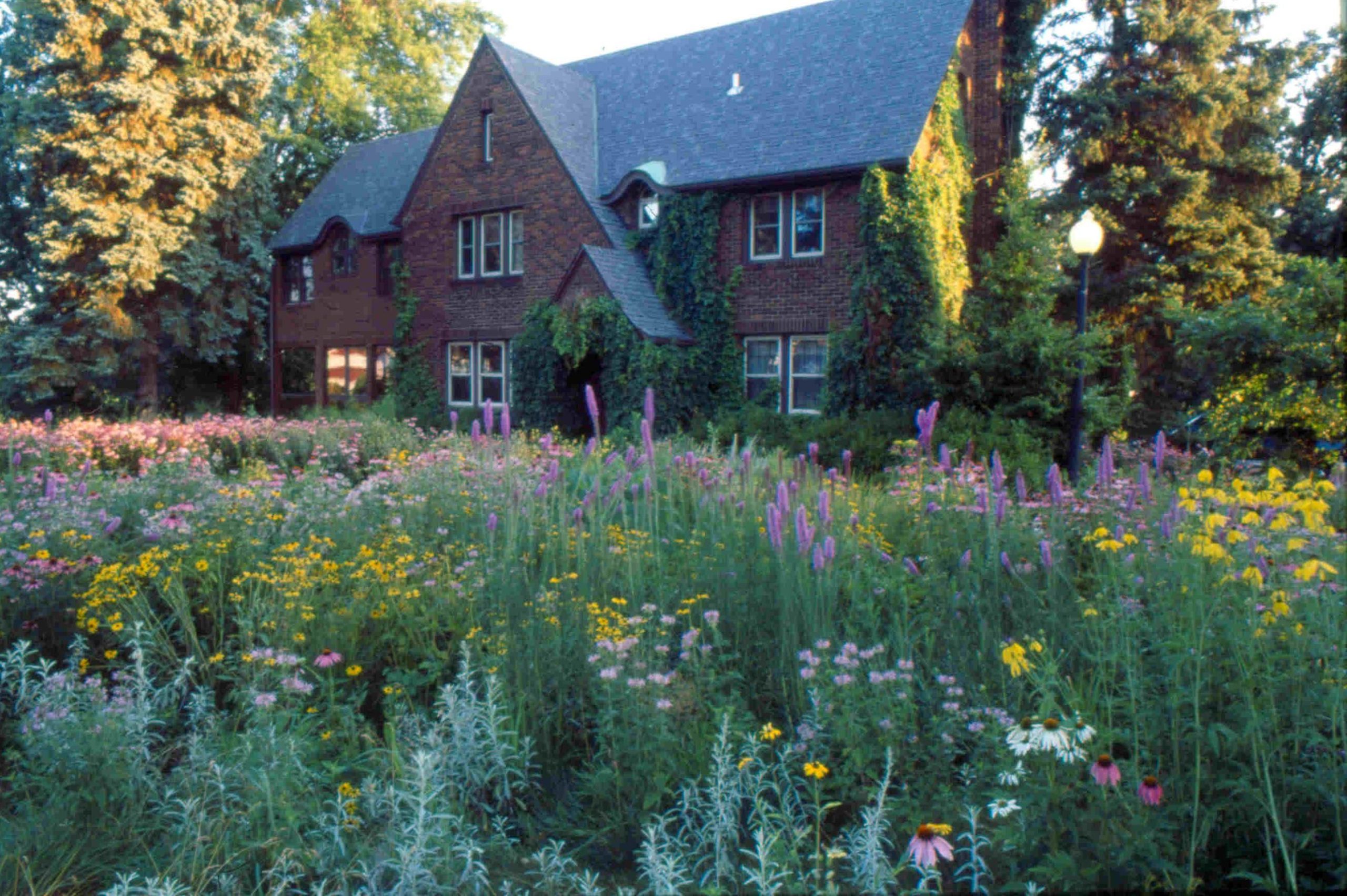

You’ve seen the posts on social media. Lush, wild-looking gardens bursting with purple coneflowers and buzzing with bees. They look effortless. They look cheap. Maybe you’re standing in your backyard right now, staring at a patch of brown, thirsty grass, wondering if you should just rip it all out. It feels like the right thing to do. The planet needs it. Your water bill definitely needs it. But then you pause. What’s this actually going to cost? Not just in dollars, but in sweat, time, and maybe a bit of heartache when things don’t go according to plan.
Let’s be real for a second. The narrative around "native gardening" has shifted wildly over the last few years. In 2024, it was a trendy hobby. By 2026, it’s becoming a necessity in many places due to stricter water regulations and rising maintenance costs. But the sticker shock is real. People talk about saving money in the long run, and that’s true. But the upfront investment? That’s a different story. It’s not just about buying plants. It’s about unlearning decades of lawn care habits. It’s about dealing with neighbors who think your yard looks "messy." It’s about the hidden costs that nobody puts in the brochure.
So, let’s dig into the dirt. We’re going to look at what it really takes to replace a lawn with native plants in 2026. No sugarcoating. No sales pitch. Just the raw, honest breakdown of what you’re signing up for. Whether you have a tiny urban plot or a sprawling suburban lot, the principles are the same. The costs might vary, but the journey? That’s pretty universal. Grab a coffee. Let’s talk about the real price of going native.
The Sticker Shock: Upfront Financial Costs
First things first. Let’s talk money. If you hire a professional landscaper to do the whole job for you in 2026, you are looking at a significant investment. Prices have stabilized since the post-pandemic spikes of the early 2020s, but labor is still expensive. Expect to pay anywhere from $15 to $30 per square foot for a full conversion. That includes removal of the old turf, soil amendment, planting, and mulch. For a standard 1,000-square-foot lawn, that’s $15,000 to $30,000. Ouch. Most people don’t have that kind of cash lying around.
But maybe you’re a DIYer. You think, "I can do this myself." And you can. But it’s not free. You still need to kill or remove the existing grass. Solarization (covering the grass with plastic to cook it) is cheap but slow. Smothering with cardboard and mulch is effective but requires buying lots of mulch. Renting a sod cutter? That’s about $100 a day plus fuel. Then there are the plants themselves. Native plugs (small starter plants) are cheaper, maybe $3 to $5 each. But you need hundreds of them to cover space quickly. Larger specimens cost $20 to $50 each. A modest garden can easily rack up $2,000 to $5,000 in plant material alone if you want instant impact.
Don’t forget the invisible costs. Soil tests. Compost. Tools. Irrigation adjustments. Even if you keep some existing sprinklers, you’ll likely need to rezone them or switch to drip lines, which adds up. In 2026, many municipalities offer rebates for turf removal. These can offset 50% to 75% of your costs. But here’s the catch: you usually have to pay upfront and wait months for the check. You need the cash flow to handle the initial hit. If you’re budgeting tight, this upfront barrier is the hardest hurdle. It’s not just about being green; it’s about being financially ready.
The Sweat Equity: Labor and Time Investment
Money is one thing. Time is another. And honestly? Time is the resource most people underestimate. Removing a lawn is hard, physical work. It’s hot. It’s dirty. If you choose the manual route, you’re looking at days, maybe weeks, of digging, hauling, and spreading. Even with machinery, it’s not a weekend project. You have to prep the site. You have to wait for the grass to die if you’re using non-mechanical methods. Patience is not just a virtue here; it’s a requirement.
Planting is equally labor-intensive. Digging hundreds of holes for plugs is backbreaking. Mulching is endless. It feels like you’re fighting against gravity. And then comes the first year. This is the "ugly phase." Your plants are small. The mulch is fresh. It doesn’t look like the Instagram photos yet. You’ll spend hours weeding. Native plants aren’t magic; they still need help getting established. Invasive weeds love disturbed soil. You will be pulling crabgrass and bindweed while your neighbors mow their perfect green carpets. It’s frustrating. It’s exhausting.
In 2026, the labor market for garden help is still tight. If you can’t do it all yourself, hiring occasional help for the heavy lifting is common. But coordinating schedules and managing workers adds mental load. You become a project manager. You’re sourcing materials, timing deliveries, and ensuring the work meets your vision. This "sweat equity" is real cost. It’s hours taken away from family, hobbies, or rest. For many, this is the dealbreaker. They start strong, burn out by July, and leave half-finished patches. Be honest with yourself about how much physical work you can realistically handle.
Navigating Bureaucracy: Permits and HOA Rules
Here’s where it gets tricky. You’ve got the money. You’ve got the energy. But does your city or homeowners association (HOA) agree? In 2026, laws are changing fast. Many states have passed "right to garden" laws that protect native landscaping from HOA bans. California, Colorado, and several eastern states have strong protections now. But enforcement is spotty. You might still get a nasty gram from your HOA president demanding you mow your "weeds." Fighting this takes time. It might require legal letters or community meetings. It’s stressful.
City permits are another layer. Some municipalities require plans for turf removal projects, especially if you’re applying for rebates. You might need to submit a landscape plan showing plant species and irrigation changes. This isn’t just paperwork; it’s a hurdle. If you mess up the paperwork, you lose the rebate. If you plant before approval, you might face fines. It’s a bureaucratic maze. In some areas, inspectors will visit your property to verify the grass is gone and natives are in. This adds weeks to your timeline.
Then there’s the social cost. Your neighbors might not understand. To them, a native garden looks unkempt. It looks like you gave up. In 2026, education is better than it was five years ago, but stigma remains. You might face passive-aggressive comments or even active hostility. Dealing with this requires emotional resilience. You have to be prepared to educate your community. Put up signs. Talk to neighbors. Explain what you’re doing. It’s an extra job you didn’t sign up for. The cost here is social capital. Are you willing to spend it?
The Hidden Expenses: Soil, Water, and Maintenance
People think native plants mean zero maintenance. That’s a myth. They mean different maintenance. In the first two to three years, native plants need regular watering to establish deep roots. If you’re in a drought-prone area in 2026, water rates are high. You might save money compared to turf in the long run, but the initial years can see higher bills if you’re not careful. Installing efficient drip irrigation is crucial, but it’s an added expense. Smart controllers help, but they cost money too.
Soil health is another hidden cost. Most lawns are grown in compacted, dead soil. Natives need good drainage and organic matter. You can’t just stick them in clay and hope for the best. You need compost. Lots of it. Testing your soil pH and nutrient levels is smart. Amending large areas is expensive. If you skip this step, your plants might struggle or die. Then you’re buying replacements. That’s a double cost. It’s better to invest in soil upfront than to pay for plant failure later.
Maintenance tools change too. You won’t need a mower. But you’ll need pruners, gloves, maybe a leaf blower for cleanup (though mulching leaves is better). You might need to buy specific fertilizers, though natives generally need less. Pest management shifts too. You’re encouraging bugs. Some are good. Some might chew your prized milkweed. Learning to identify beneficial vs. harmful insects takes time and sometimes expert consultation. It’s a learning curve. The cost is in the education and the trial and error. Expect some losses. It’s part of the process.
The Long Game: Savings and Ecological Payoff
Okay, so it’s expensive and hard. Why do it? Because the long-term payoff is huge. Once established (usually after year 3), native gardens require significantly less water. In 2026, with water prices rising globally, this is a major financial win. You’re cutting your water bill by 50% to 75%. Over ten years, that savings can outweigh the initial installation cost. No more mowing means no gas, no oil, no mower repairs. No more fertilizer or herbicide purchases. The operational costs drop dramatically.
Then there’s the ecological value. You’re creating habitat. Birds return. Butterflies thrive. Your yard becomes part of a larger network of green spaces. This has intangible value. It’s good for your mental health. Studies continue to show that interacting with nature reduces stress. Your garden becomes a sanctuary. It’s a place to connect with the seasons. The beauty of a native garden changes throughout the year. It’s dynamic. It’s alive. This emotional return on investment is hard to quantify but deeply real.
Property value is also shifting. In 2026, eco-friendly homes are more desirable. Buyers are looking for low-maintenance, sustainable landscapes. A well-designed native garden can boost curb appeal and resale value. It signals that the home is modern and responsible. It’s a selling point. Appraisers are starting to recognize this. While it’s not a guaranteed boom, it’s a positive trend. You’re investing in the future value of your property. You’re aligning your home with the values of the next generation of buyers. That’s smart economics.
So, how do you make this feasible? Start small. Don’t try to do your whole yard at once. Pick a section. A front bed. A side yard. Test the waters. Learn what works in your specific microclimate. Use local resources. Native plant societies in 2026 are more active than ever. They offer sales, workshops, and advice. Buy from local nurseries that specialize in natives. Avoid big box stores unless you’re sure of the source. Local plants are adapted to your area. They survive better.
Take advantage of rebates. Check your city and state websites. Apply early. Understand the requirements. Document everything. Take before and after photos. Keep receipts. This paperwork is your ticket to recouping costs. Also, consider phased planting. Start with plugs. They’re cheap. Let them grow. Fill in gaps over time. It’s slower, but it’s affordable. You can spread the cost over several seasons. It’s less overwhelming financially and physically.
Finally, manage expectations. Your garden won’t look perfect immediately. Embrace the messiness. Educate your neighbors. Put up a sign explaining your project. Join online communities for support. Share your struggles and successes. You’re not alone. Thousands of people are making this shift in 2026. Learn from them. Adapt. Be flexible. Nature doesn’t follow a strict plan. Neither should you. The goal is resilience, not perfection. It’s a journey. Enjoy the ride.
Replacing your lawn with native plants in 2026 is not a simple swap. It’s a transformation. It costs money. It costs effort. It costs patience. But the rewards are substantial. Financial savings over time. Ecological benefits. Personal fulfillment. It’s an investment in your home and your planet. If you’re ready for the challenge, the real cost is worth it. Just go in with your eyes open. Plan well. Start small. And remember, every native plant you put in the ground is a vote for a healthier future. It’s a bold step. And it’s one worth taking.