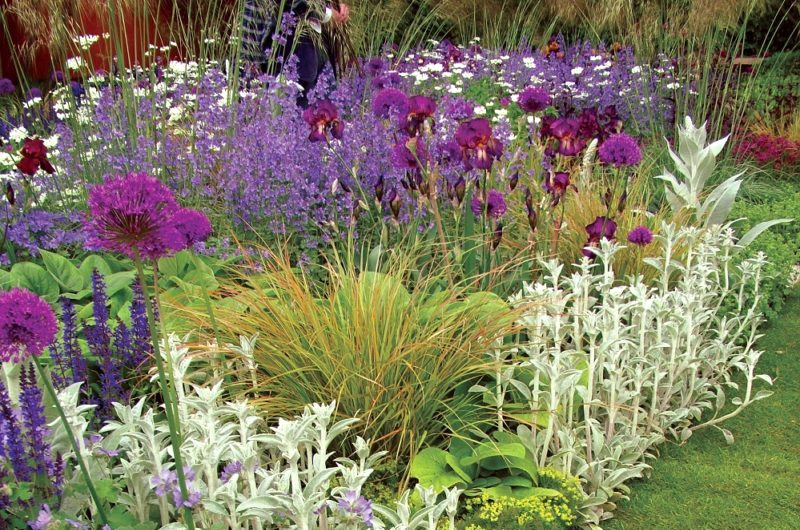

Ever looked at your garden bed in mid-July and felt a pang of guilt? You know, that heavy feeling when you see the wilted hydrangeas or the gap where that fancy fern used to be before the heatwave hit. We’ve all been there. Gardening shouldn’t feel like a second job. In 2026, the conversation has shifted. It’s not just about what looks pretty in a catalog; it’s about what survives. And more importantly, what thrives without you hovering over it with a hose every single evening.
The old rules don’t really apply anymore. Climate patterns are weirder now. Rain comes in bursts, or not at all for weeks. So, the dream of a "low-maintenance" border isn’t about being lazy. It’s about being smart. It’s about working with nature instead of fighting it. If you’re tired of the constant tug-of-war with your landscape, you’re in the right place. Let’s talk about how to build a border that basically takes care of itself, leaving you more time to actually enjoy the view with a cold drink in hand.
Rethinking the Soil Foundation
Most people skip straight to the fun part: picking out flowers. But if you want low maintenance, you have to start underground. Think of soil like the battery pack for your plants. If the battery is weak, everything drains faster. In 2026, we’re seeing a huge move away from tilling. Tilling disrupts the fungal networks that help plants share nutrients. Instead, try no-dig methods. Layer compost on top and let the worms do the work. It’s slower, sure, but it builds structure that lasts.
You also need to think about drainage. Waterlogged roots rot. Dry roots crisp up. The sweet spot is moist but well-draining. If you have heavy clay, don’t fight it by dumping tons of sand in. That often creates concrete. Instead, add organic matter like leaf mold or aged bark. This improves texture over time. It’s a marathon, not a sprint. But once that soil structure is solid, your plants will root deeper. Deep roots mean they can find their own water during those dry spells. That’s the secret to cutting back on watering.
Don’t forget to test your pH. It sounds boring, but it saves so much headache later. Some plants hate acidic soil; others thrive in it. Matching plants to your natural soil chemistry means less fussing with additives. You can buy simple test kits at any garden center. Or, send a sample to a local extension office. Knowing your baseline helps you pick plants that are already happy where they are. Happy plants don’t get sick as often. Sick plants are high maintenance. See the connection?
Choosing Plants for Resilience, Not Just Looks
Let’s be honest. We’ve all bought a plant because it had a stunning photo on the tag. Then it died in three weeks. Ouch. In 2026, the trend is "right plant, right place," but with a twist: resilience. Look for native species first. They’ve evolved to handle your local weather extremes. They know how to survive the local pests too. Non-natives can be beautiful, but they often need extra coddling. Natives are the tough kids on the block. They don’t ask for much.
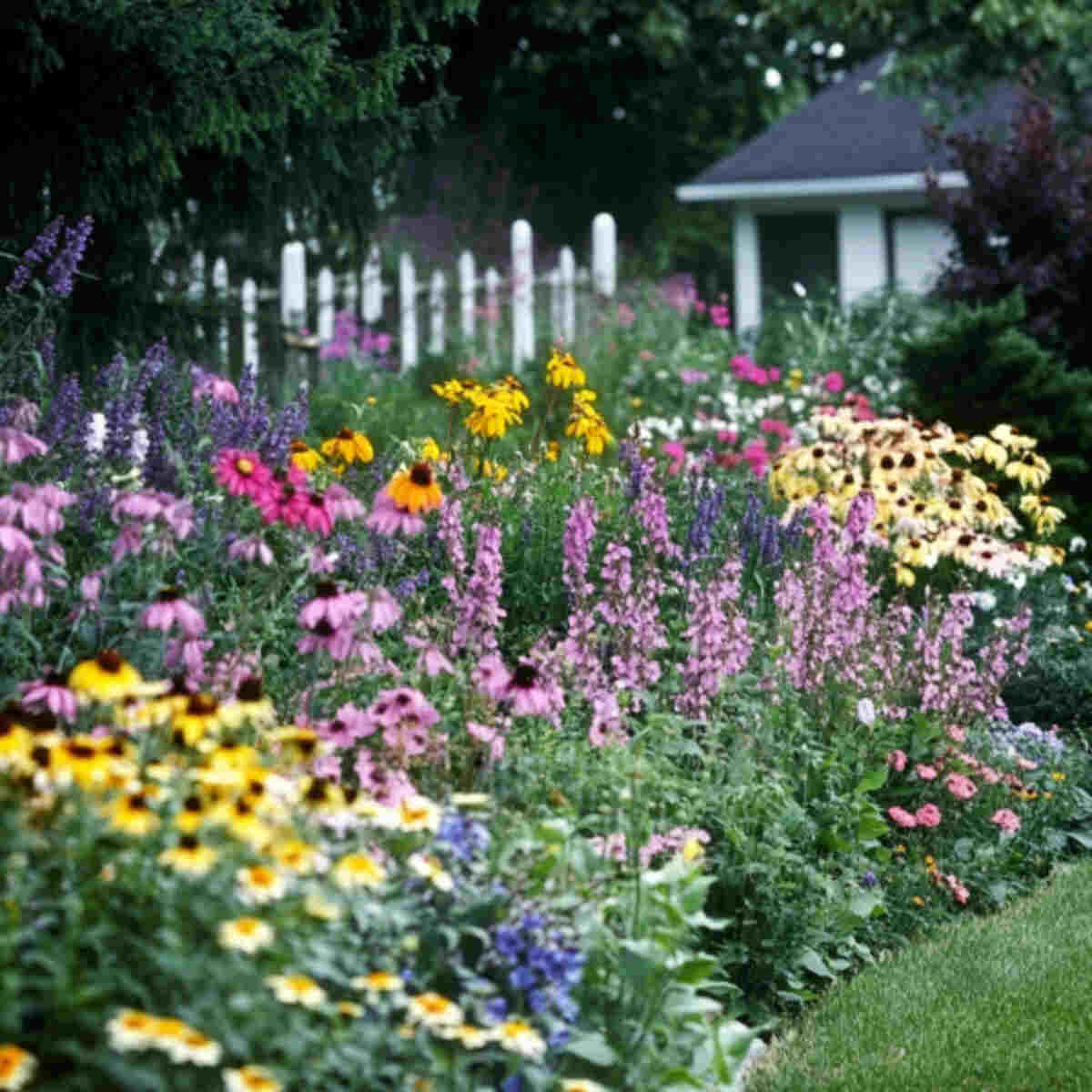
Drought tolerance is key. Even if you live in a rainy area, summers are getting hotter. Plants like Coneflower (Echinacea), Black-eyed Susans (Rudbeckia), and Sedum are classics for a reason. They laugh at heat. But don’t stop there. Try incorporating ornamental grasses. Little Bluestem or Switchgrass adds movement and texture. They stay standing through wind and rain. Plus, they look great in winter when everything else is dead. A garden that looks good in January is a true winner.
Another tip? Go for long bloom times. You want color that sticks around. Salvia ‘May Night’ blooms for weeks. Catmint (Nepeta) keeps going if you give it a quick chop after the first flush. Avoid plants that are "divas." If a plant needs staking, deadheading, and special fertilizer, leave it at the nursery. You’re building a low-maintenance haven, not a museum exhibit. Choose bulk performers. Plants that spread gently to fill gaps are your best friends. They suppress weeds for you. Free labor.
The Power of Layering and Density
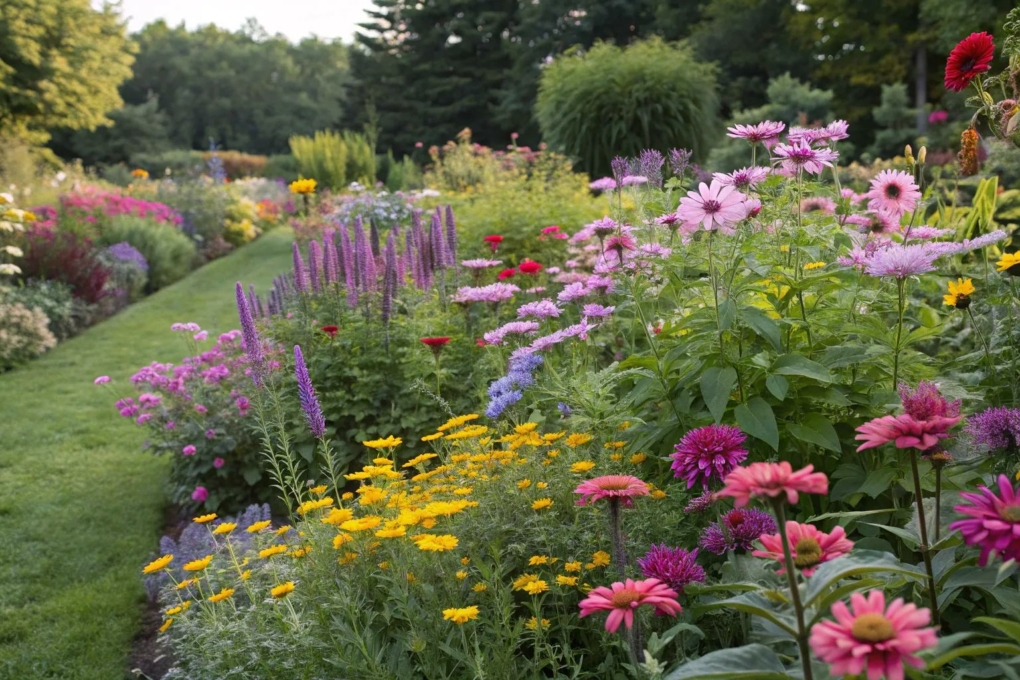
One of the biggest mistakes in border design is spacing plants too far apart. When you first plant them, it looks empty. You think, "Oh, they’ll grow." But in that empty space, weeds move in. Weeds are the enemy of low maintenance. The solution? Plant densely. Use the "thriller, filler, spiller" concept but on a larger scale. Put tall structural plants in the back or center. Fill the middle with mounding perennials. Let the edges spill over with ground covers.
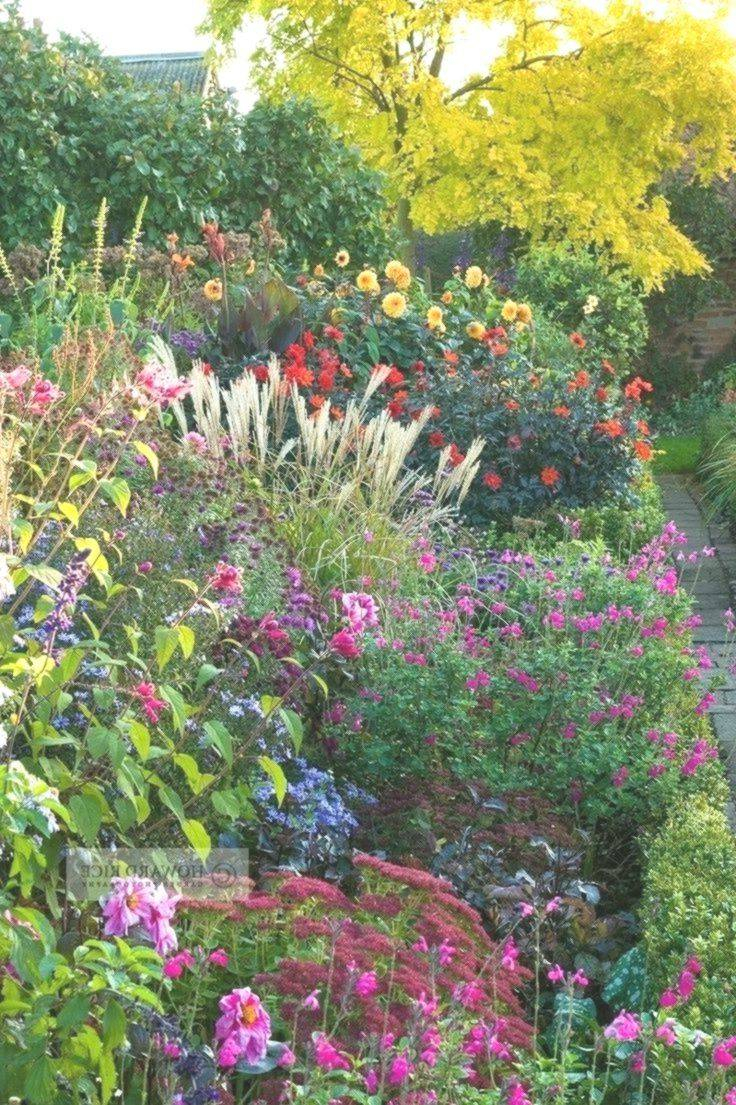
This layering creates a living mulch. When leaves touch, sunlight can’t reach the soil. No sunlight means no weed seeds germinating. It’s a natural barrier. In 2026, designers are calling this "matrix planting." It mimics how plants grow in meadows. They intertwine. They support each other. It looks wilder, more natural. And it’s incredibly stable. Once established, you barely have to weed. Maybe pull a stray dandelion here and there. But mostly, the plants handle it.
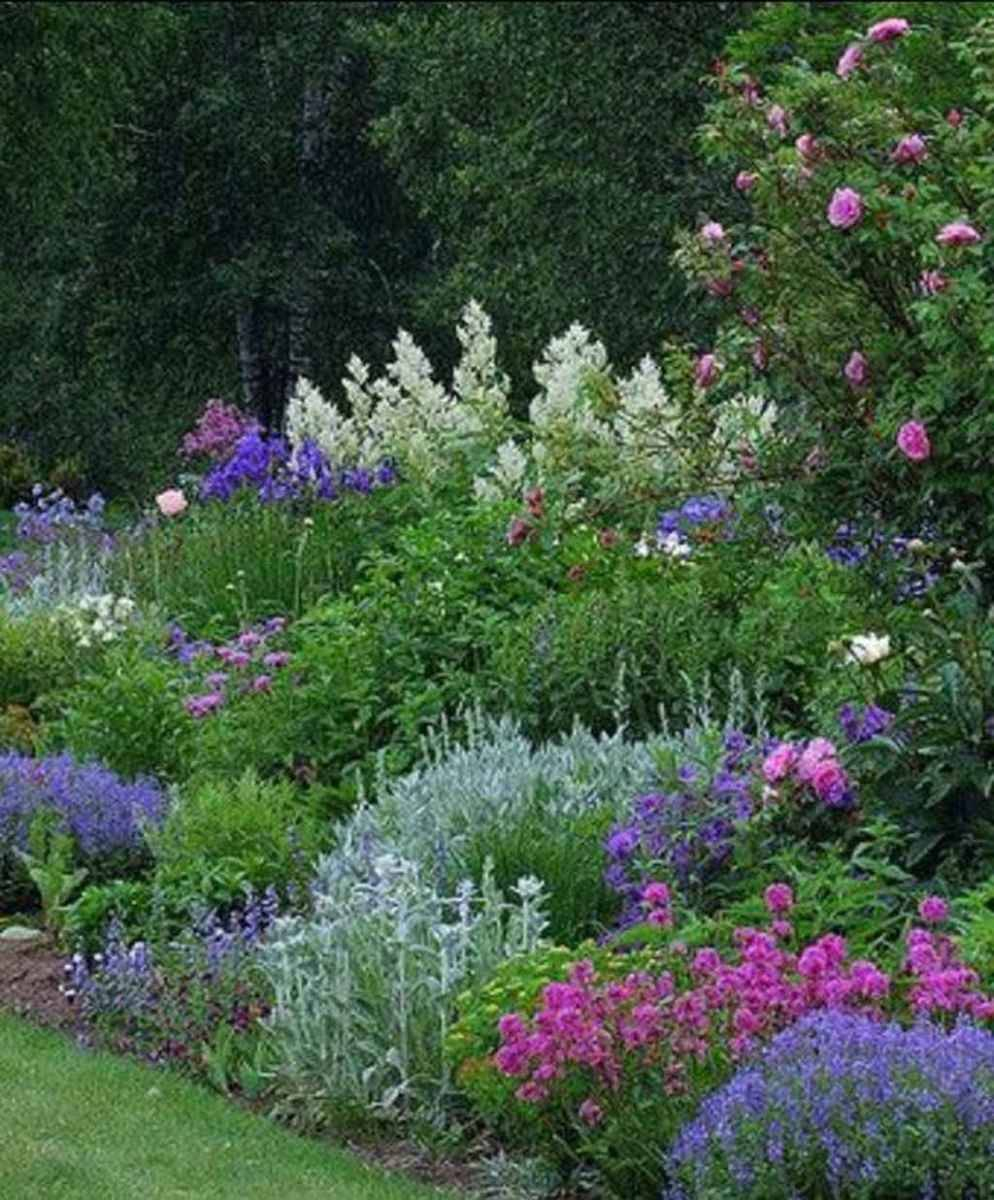
Think about height variations too. Don’t just plant in rows. Stagger them. Put a short clump of Creeping Thyme in front of a taller Bee Balm. This breaks up the visual monotony. It also creates microclimates. The taller plants shade the soil for the shorter ones, keeping moisture in. It’s a symbiotic relationship. By arranging plants thoughtfully, you create a system that regulates its own temperature and humidity. Less stress on the plants means less work for you. It’s genius, really.
Smart Watering and Mulching Strategies
Even drought-tolerant plants need help getting started. The first year is critical. But after that? You should be able to step back. Use drip irrigation or soaker hoses instead of sprinklers. Sprinklers waste water through evaporation. They also wet the leaves, which invites fungal diseases. Drip lines deliver water right to the roots. It’s efficient. Set it on a timer during the establishment phase. Then, gradually reduce frequency. Train the plants to seek water deeper down.
Mulch is your other best friend. But not just any mulch. Avoid bright red dyed wood chips. They look fake and can leach chemicals. Use shredded hardwood, leaf mold, or even straw. Apply a two-to-three-inch layer. This keeps the soil cool. It prevents evaporation. As it breaks down, it feeds the soil. It’s a win-win-win. In 2026, many gardeners are using "living mulch" too. Low-growing plants like Clover or Creeping Jenny act as mulch. They fix nitrogen in the soil and keep weeds at bay.
Be careful not to volcano mulch. That’s when you pile mulch up against the stem of the plant. It causes rot. Keep mulch a few inches away from the crown. Let the base breathe. Also, refresh mulch only when needed. You don’t need a fresh layer every spring. Just top it off if it’s gotten thin. Over-mulching can suffocate roots. Listen to your garden. If the soil feels spongy and moist underneath, you’re doing it right. If it’s dry an inch down, maybe add a bit more.
Embracing Seasonal Interest and Wildlife
A low-maintenance garden isn’t just about summer flowers. It’s about year-round appeal. In the past, people cut everything down in fall. Don’t do that. Leave the seed heads on. Coneflowers and Sunflowers provide food for birds in winter. The dried stalks of Grasses catch the frost and look magical in the morning light. This approach saves you cleanup time in autumn. It also supports wildlife. Birds need seeds. Bees need hollow stems for nesting.
By leaving the garden standing, you create habitat. In 2026, biodiversity is a huge focus. A garden that supports pollinators is healthier. Pollinators help your plants reproduce. It’s a cycle. Plus, watching birds hop around your border is way more entertaining than staring at bare dirt. Add some evergreen shrubs for structure. Boxwood or Dwarf Spruce provide green color when everything else is brown. They anchor the design.
Think about scent and texture too. Visuals aren’t everything. Herbs like Lavender or Rosemary smell amazing when you brush past them. Lamb’s Ear feels soft to the touch. These sensory details make the garden inviting. They encourage you to spend time there. And when you enjoy the space, you’re more likely to care for it. But remember, keep it simple. Don’t overcrowd with too many scents. Let one or two stars shine. Simplicity is the ultimate sophistication, especially when you’re trying to relax.
Here’s the best part: minimal pruning. Most perennials don’t need much cutting back. In fact, over-pruning can weaken them. Only cut back what’s dead or diseased. Spring cleanup should be gentle. Wait until new growth appears before removing old stems. This protects the crown from late frosts. If you rush to clean up in early spring, you might damage emerging shoots. Patience is a virtue in the low-maintenance garden.
Divide plants only when they get too big or stop blooming well. Hostas and Daylilies benefit from division every few years. But don’t do it on a schedule. Do it when the plant tells you. If the center is dead and the edges are lush, it’s time. Share the divisions with neighbors. It’s a nice way to connect with your community. Gardening is better when shared. Plus, free plants are the best kind of plants.
Keep an eye out for pests, but don’t panic. A few aphids are normal. Ladybugs will eat them. If you spray chemicals, you kill the good bugs too. Balance is key. In 2026, integrated pest management is the standard. Observe first. Act second. Often, doing nothing is the best action. Nature has its own checks and balances. Trust the process. If a plant keeps getting sick, maybe it’s not the right spot. Move it or replace it. Don’t force it. Life’s too short for struggling plants.
So, there you have it. Designing a low-maintenance perennial border isn’t about neglect. It’s about intention. It’s about choosing the right players for your specific stage. By focusing on soil health, plant resilience, and natural cycles, you create a garden that works with you. Not against you. In 2026, this approach isn’t just trendy. It’s necessary. Our time is precious. Our water is precious. Let’s use both wisely.
Start small. You don’t have to redo your whole yard at once. Pick one bed. Apply these principles. Watch what happens. You’ll likely find yourself spending less time working and more time wondering. Wondering at the beauty of a self-sustaining ecosystem. That’s the real reward. A garden that breathes, grows, and thrives on its own terms. And honestly? That’s pretty relaxing.